Euphorbia pulvinata (WA Prohibited)
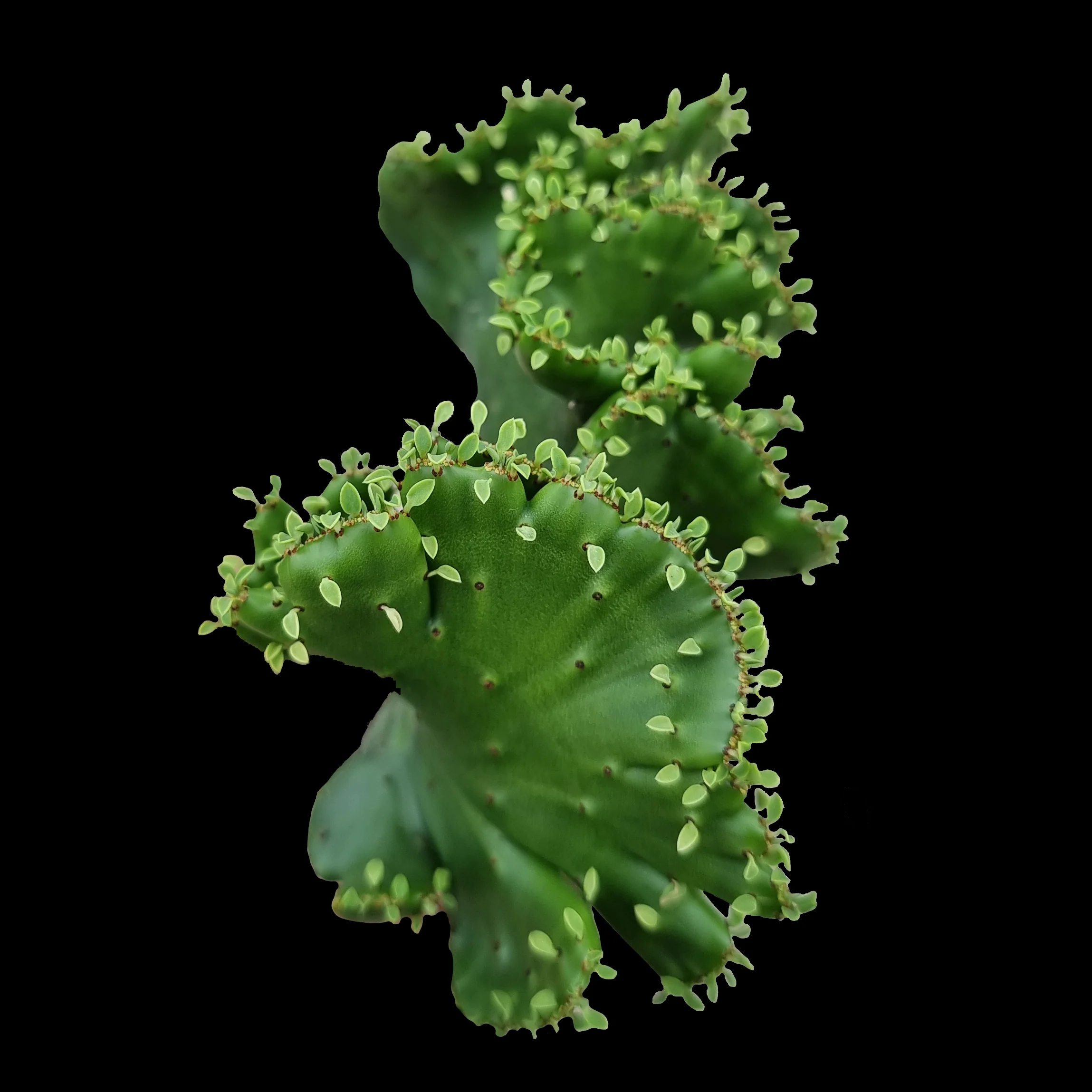
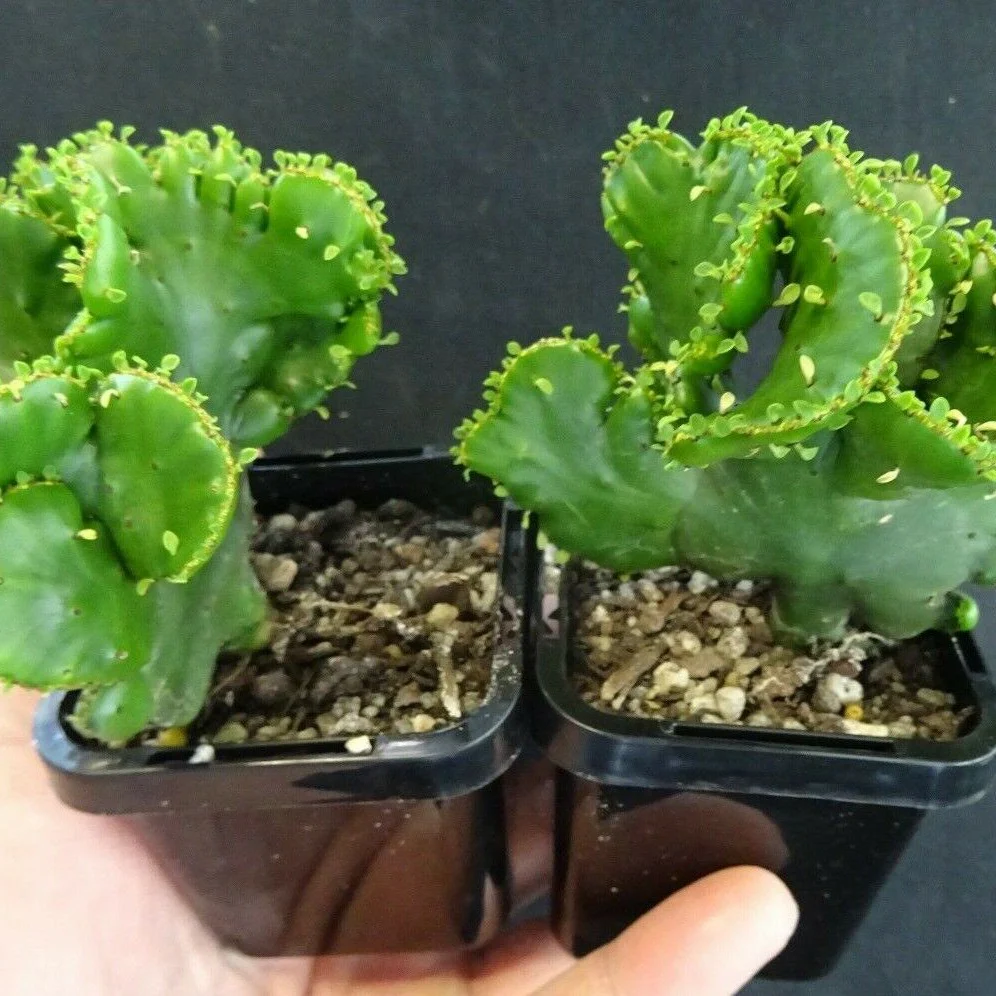
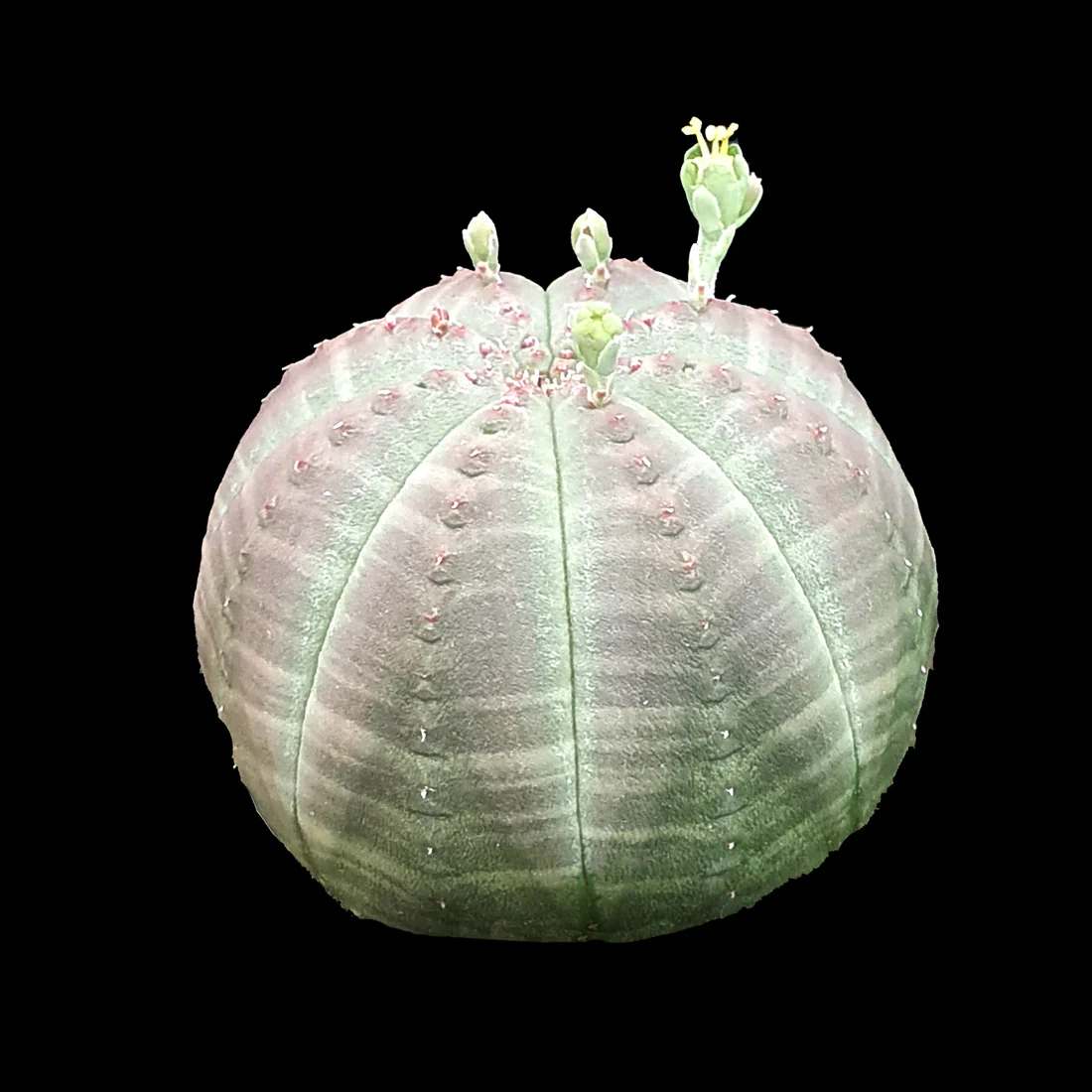
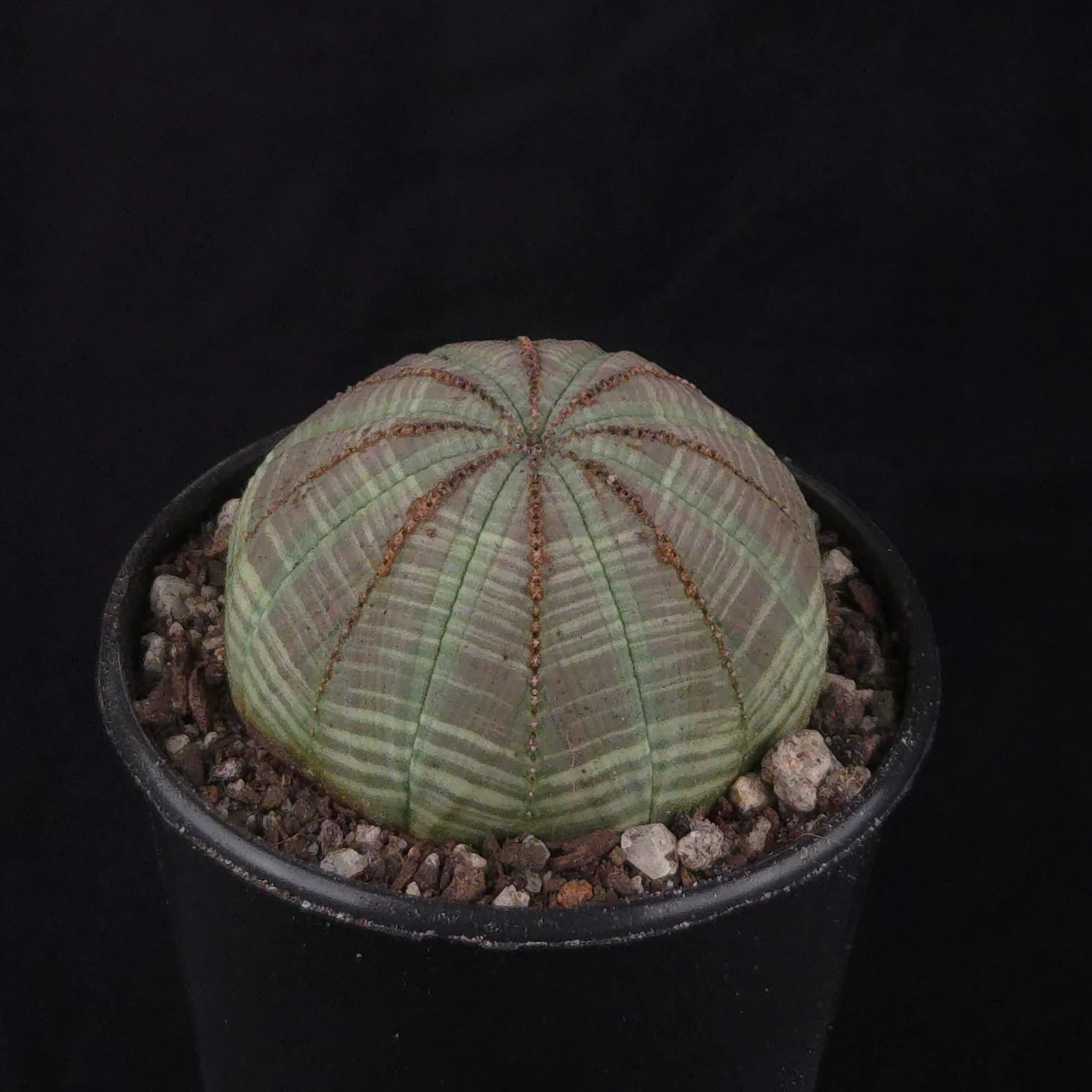
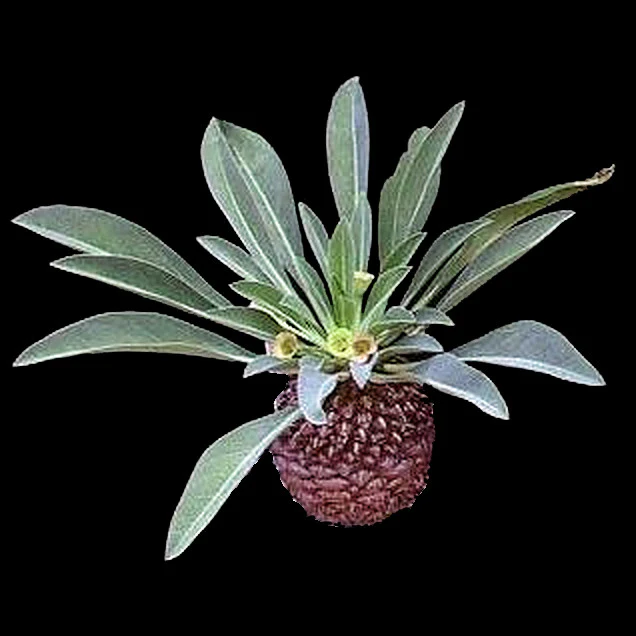
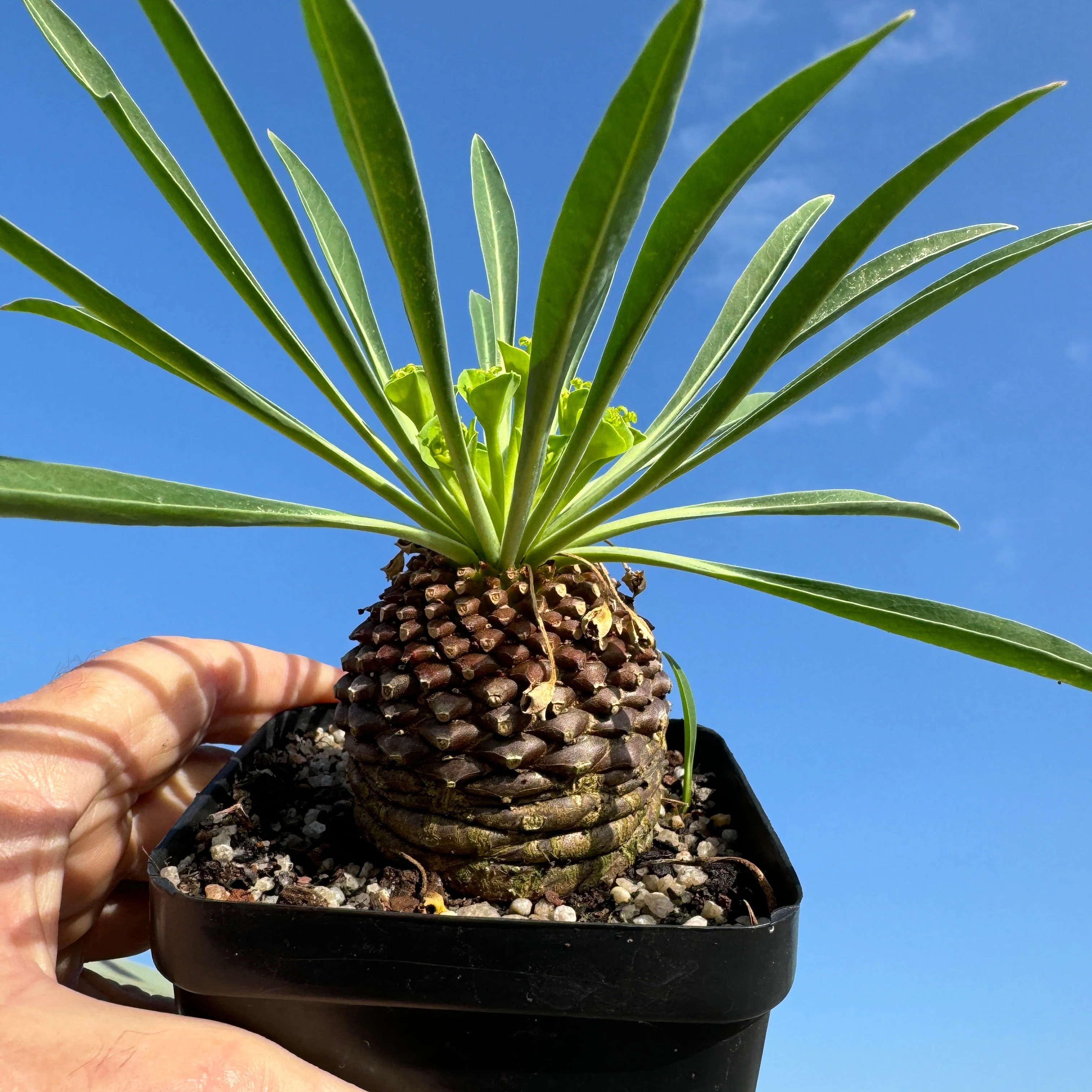
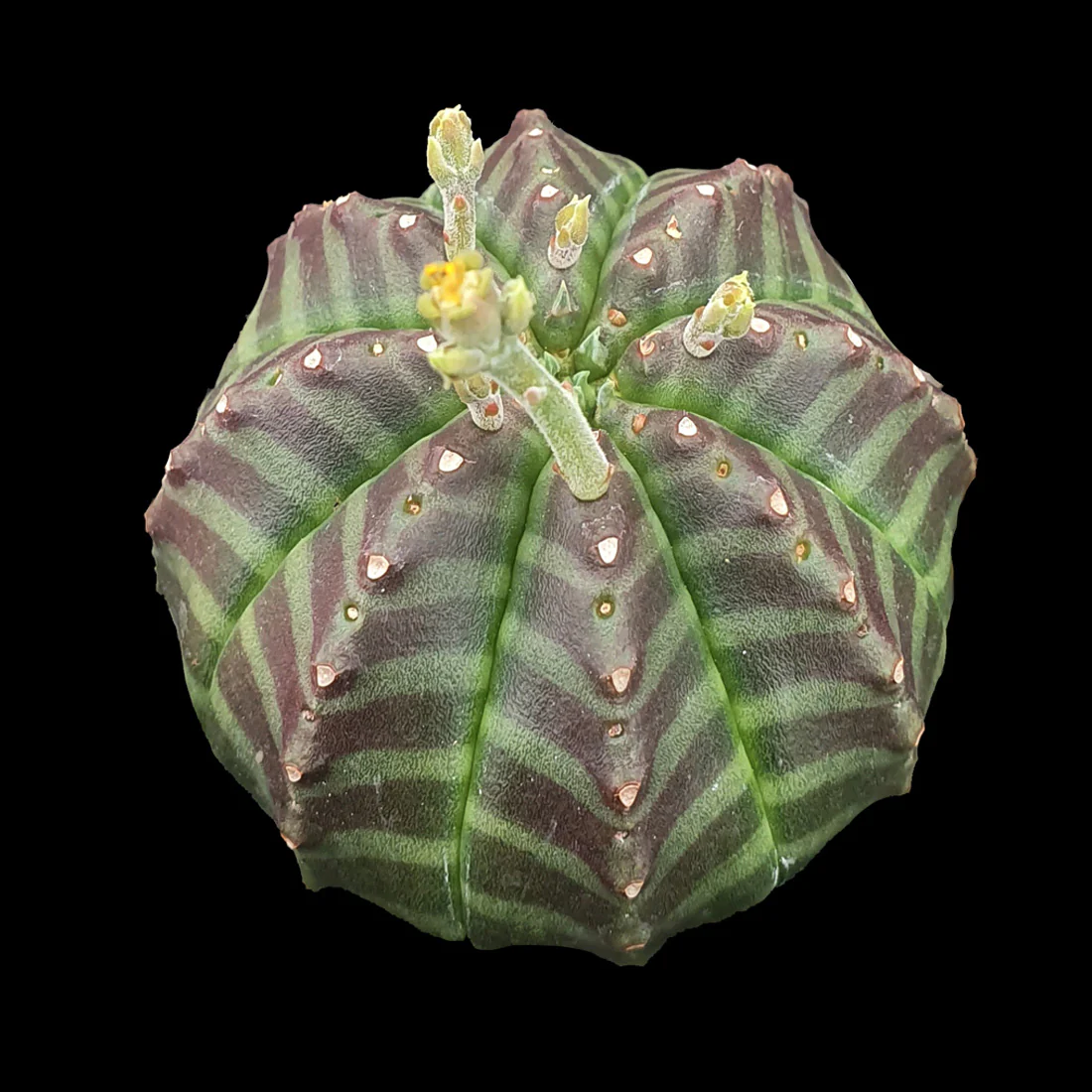
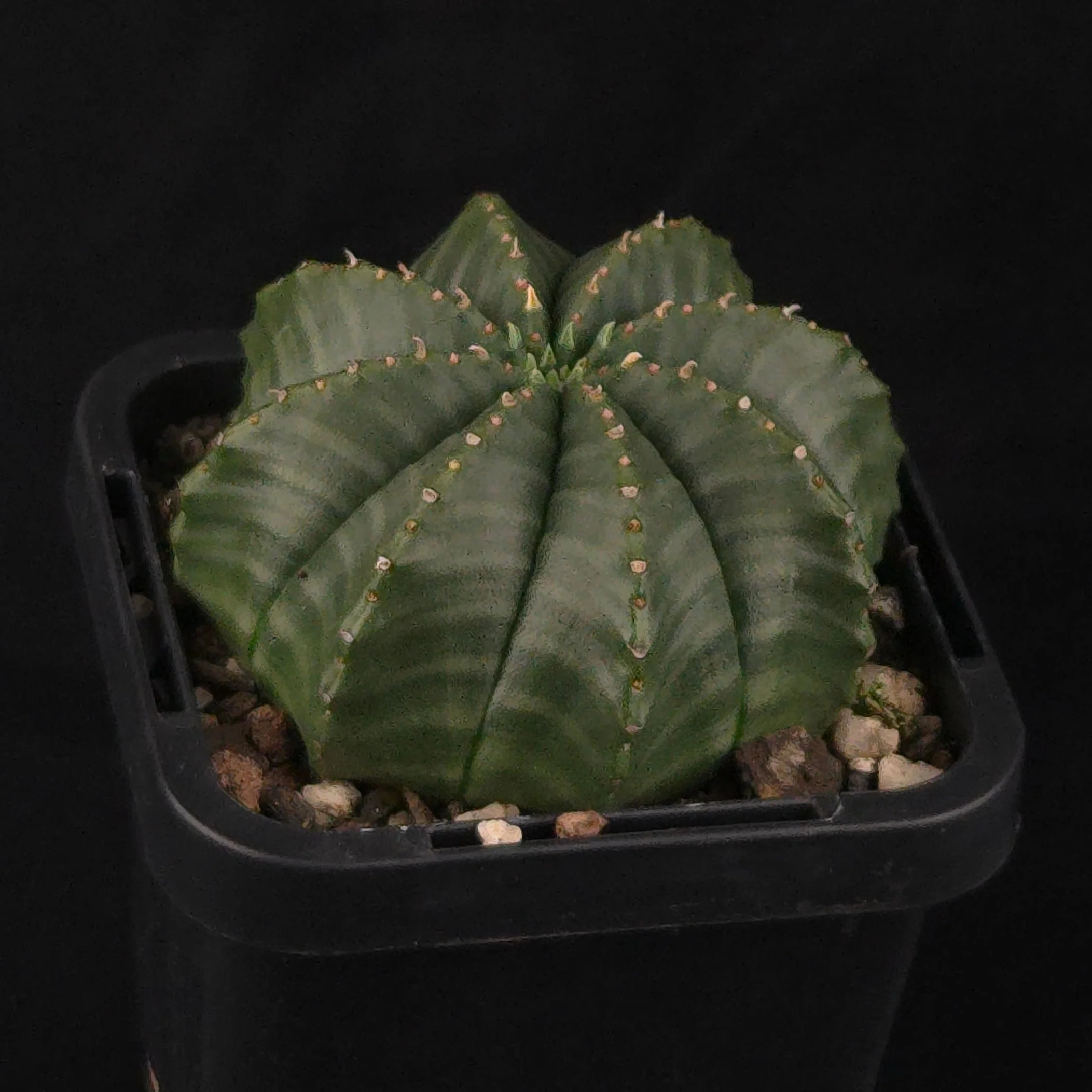
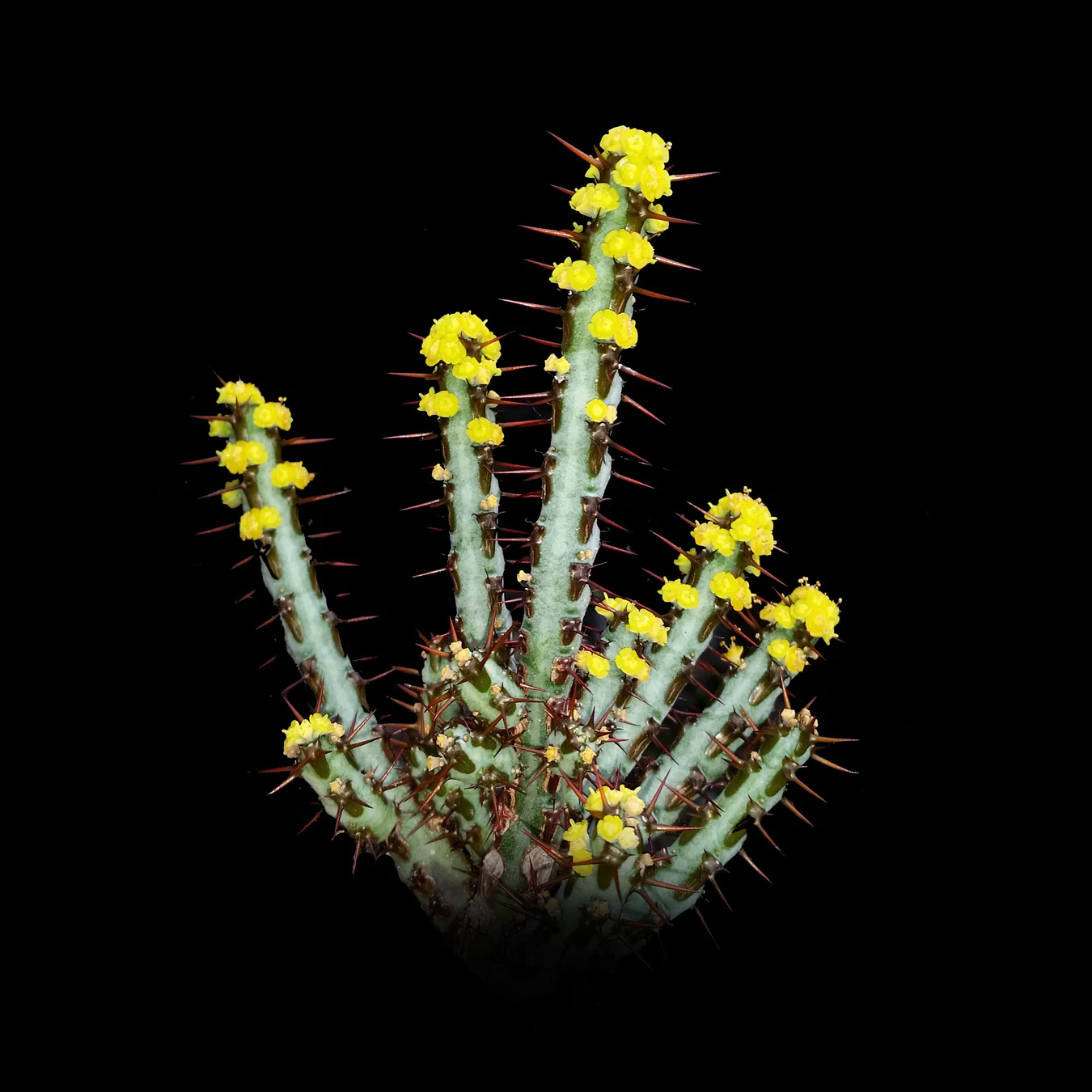
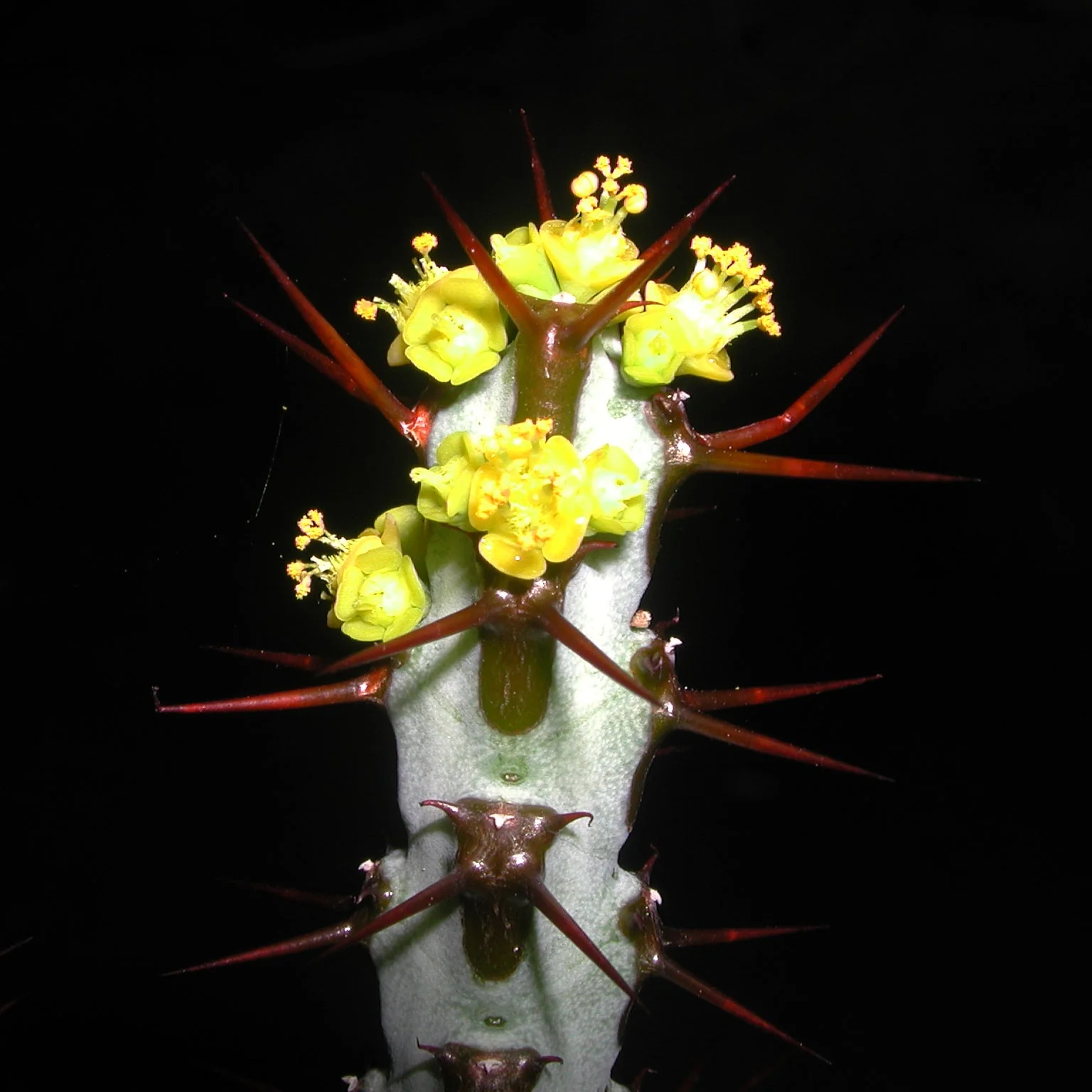
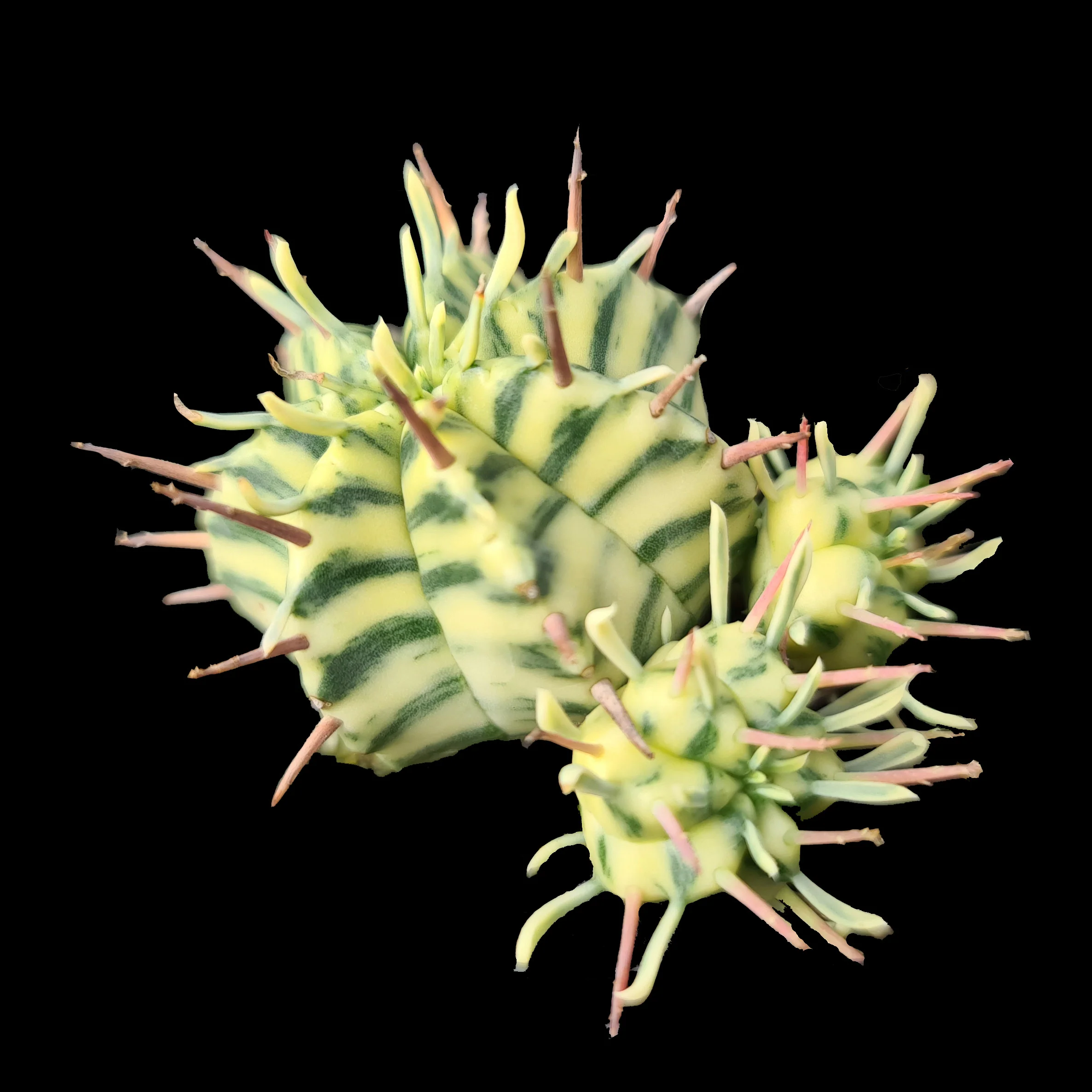
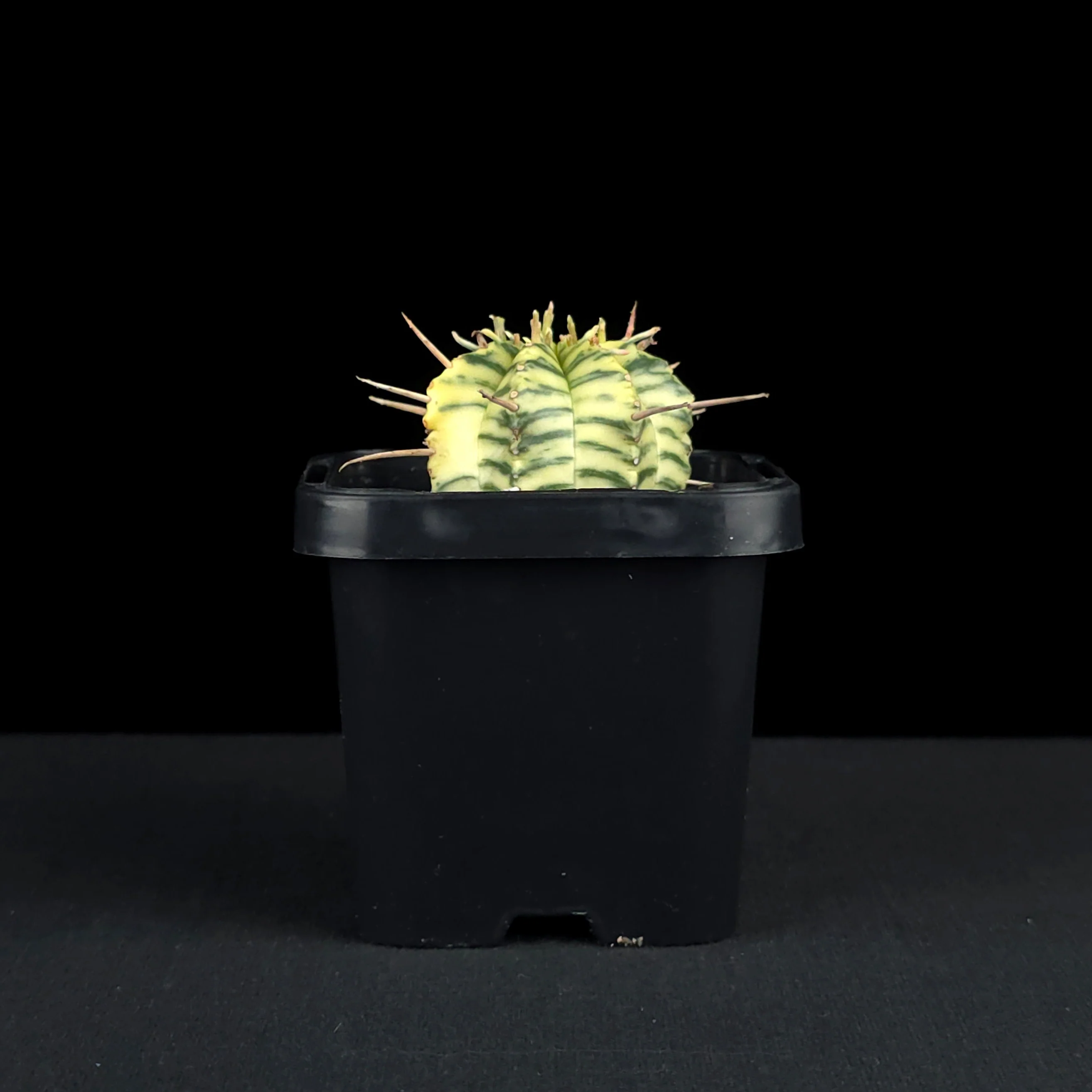
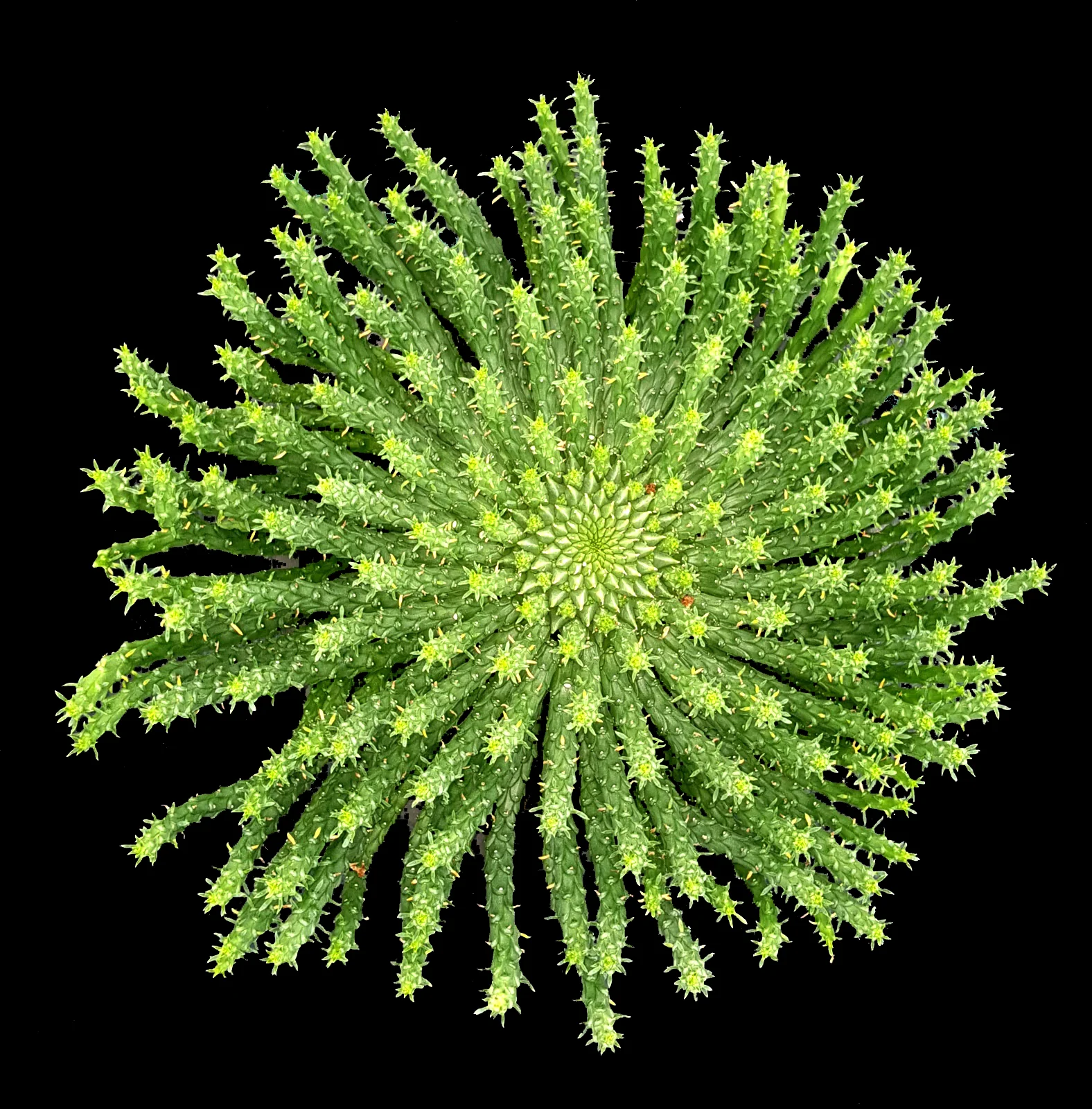
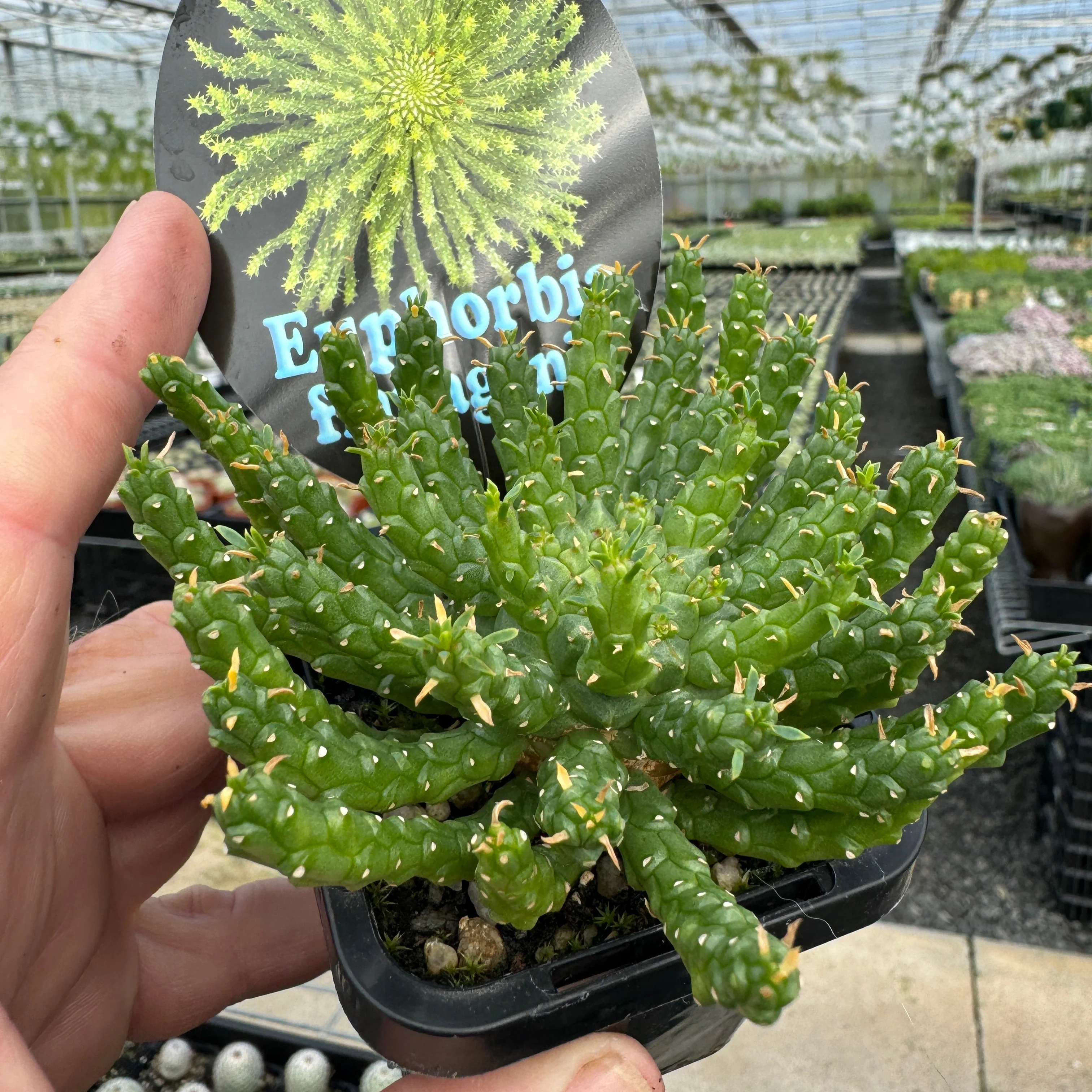
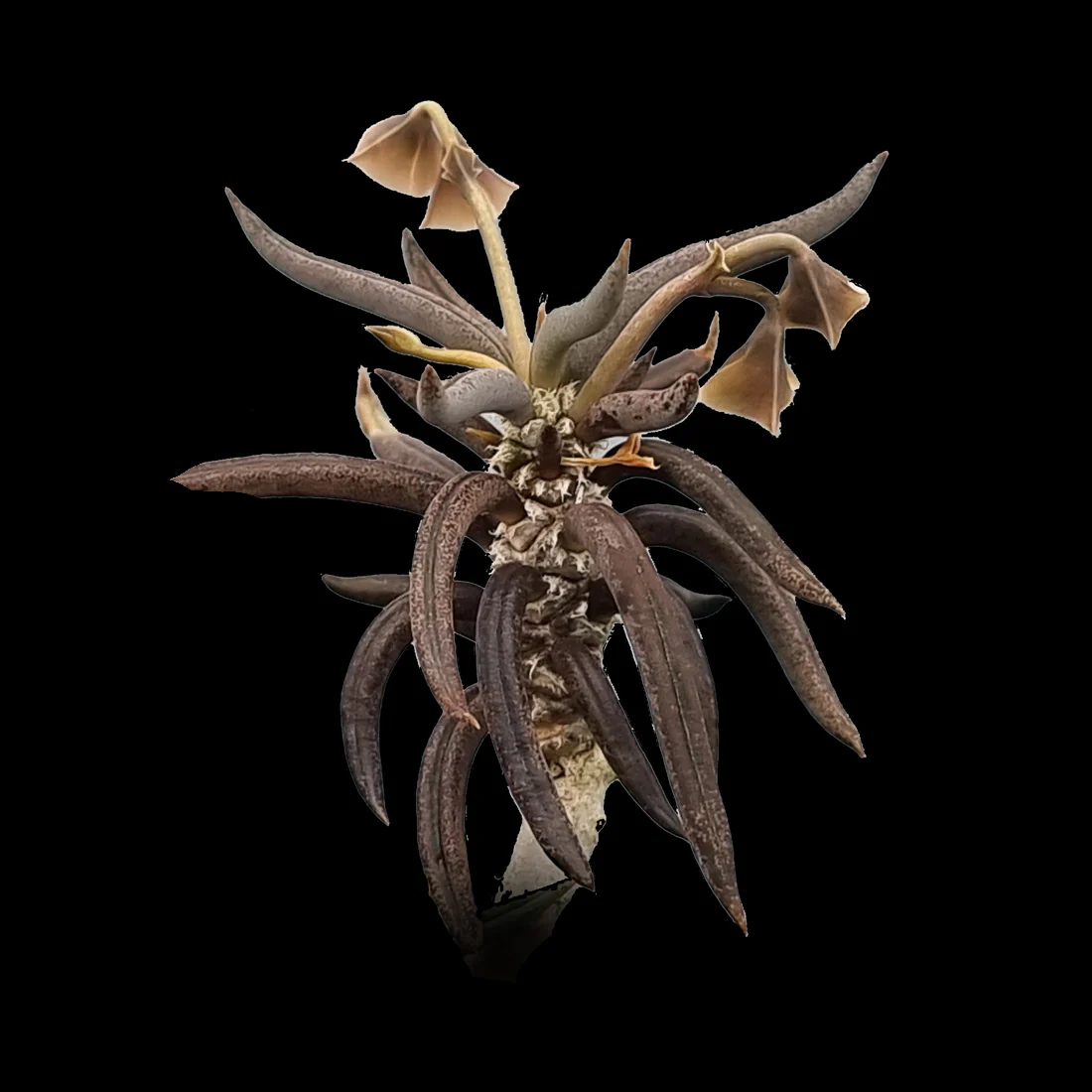
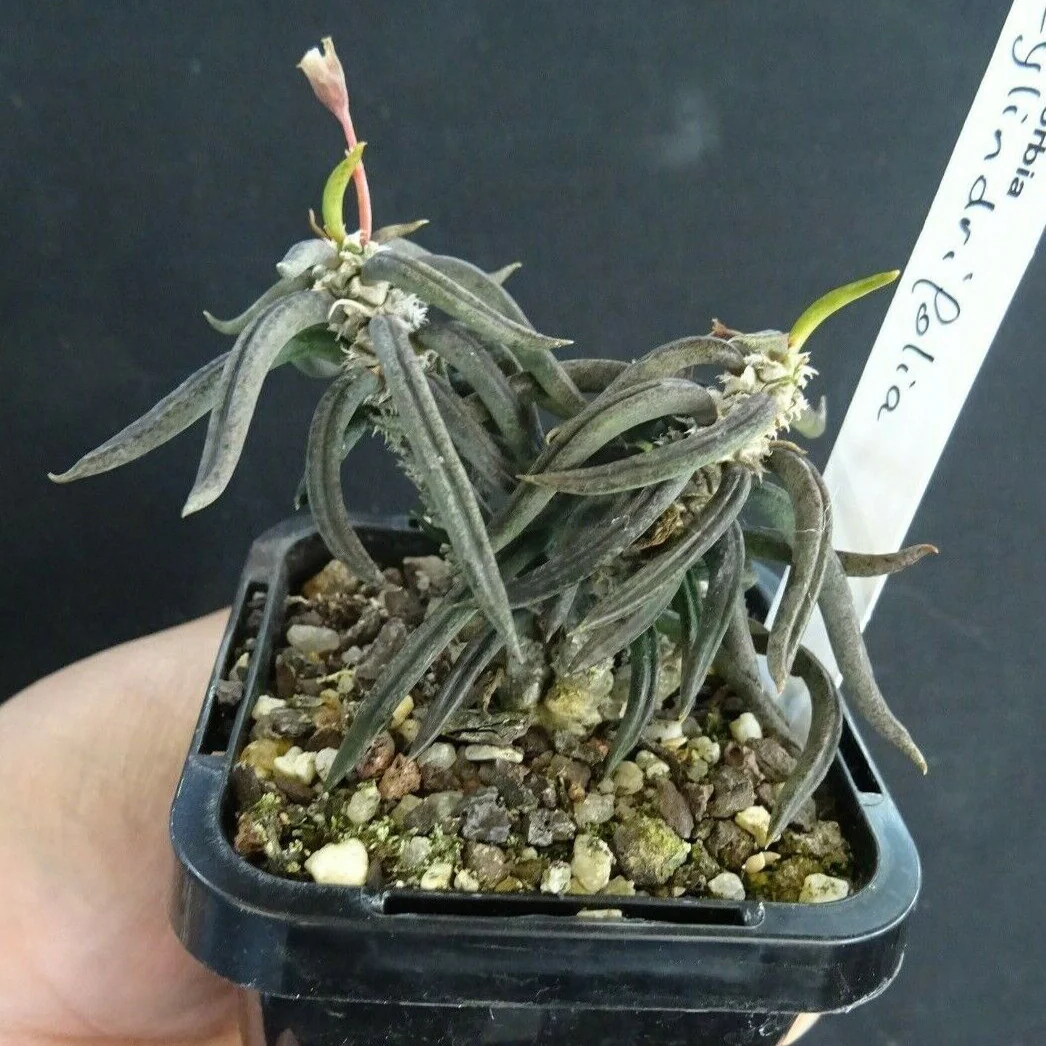
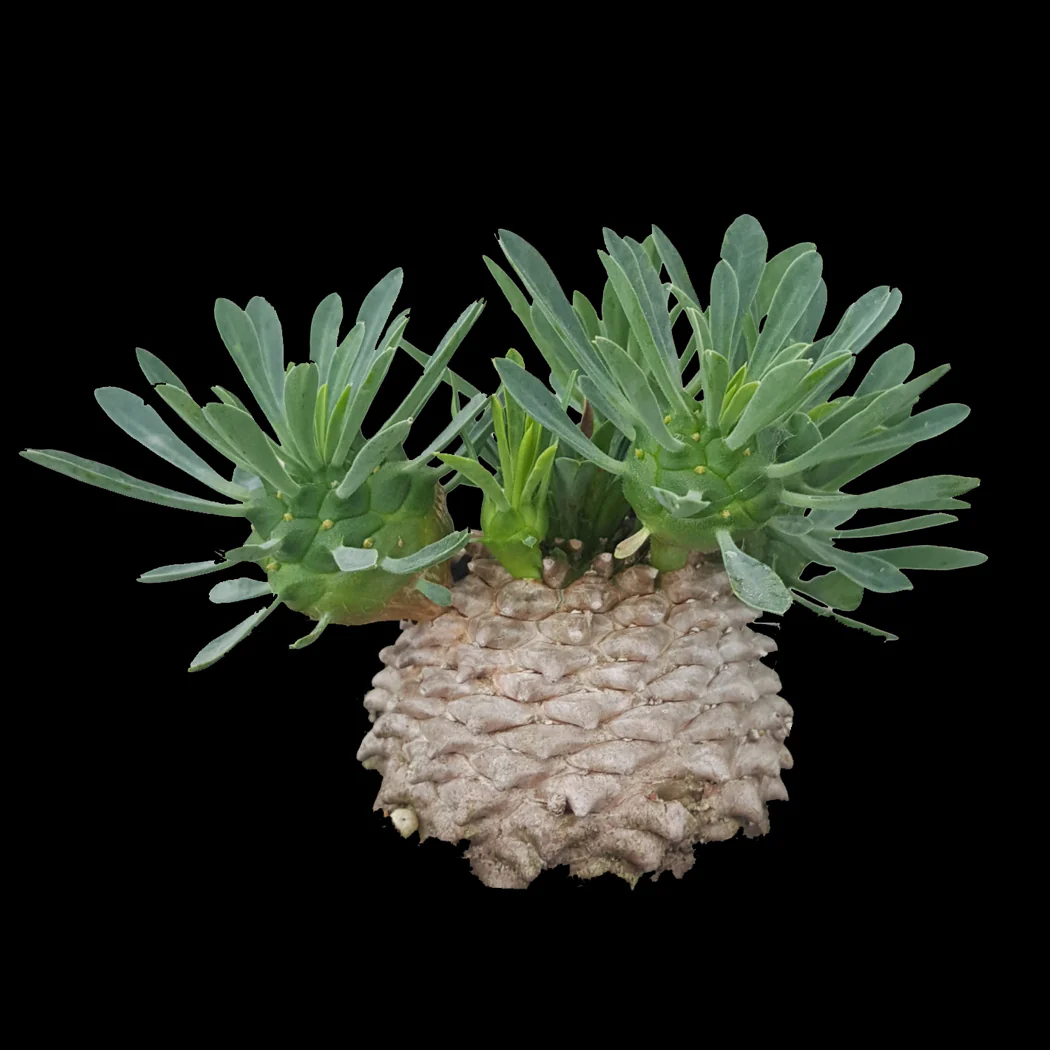
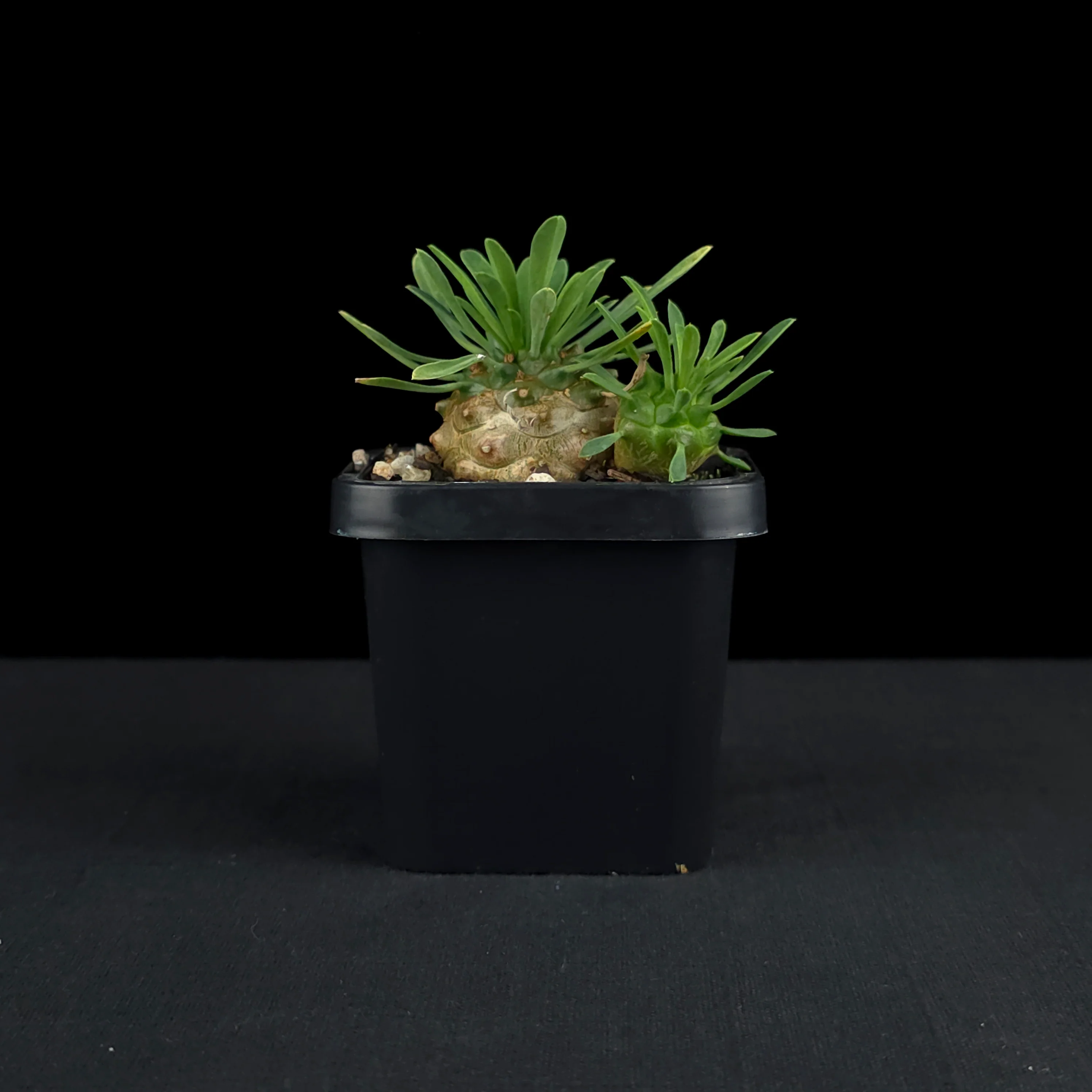
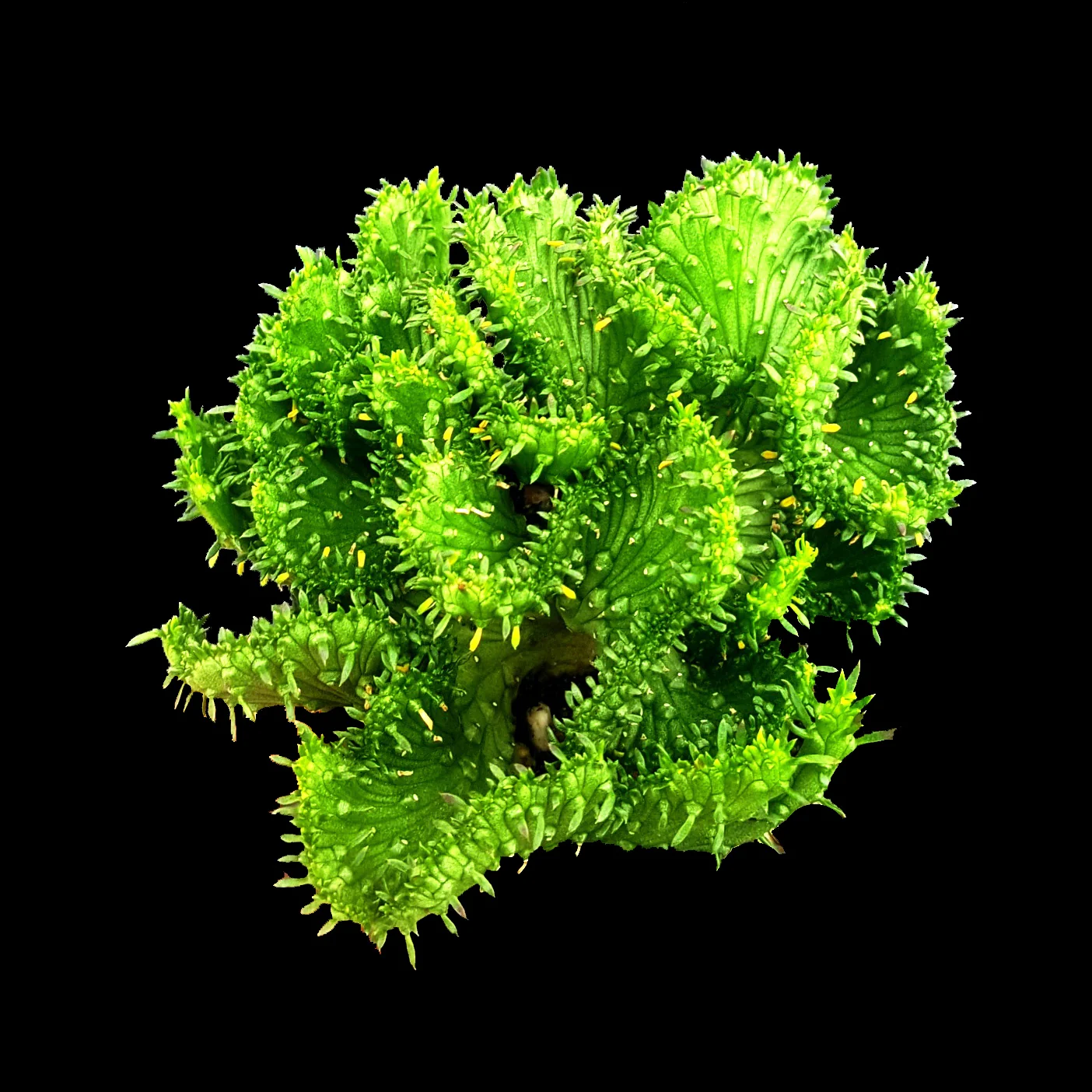
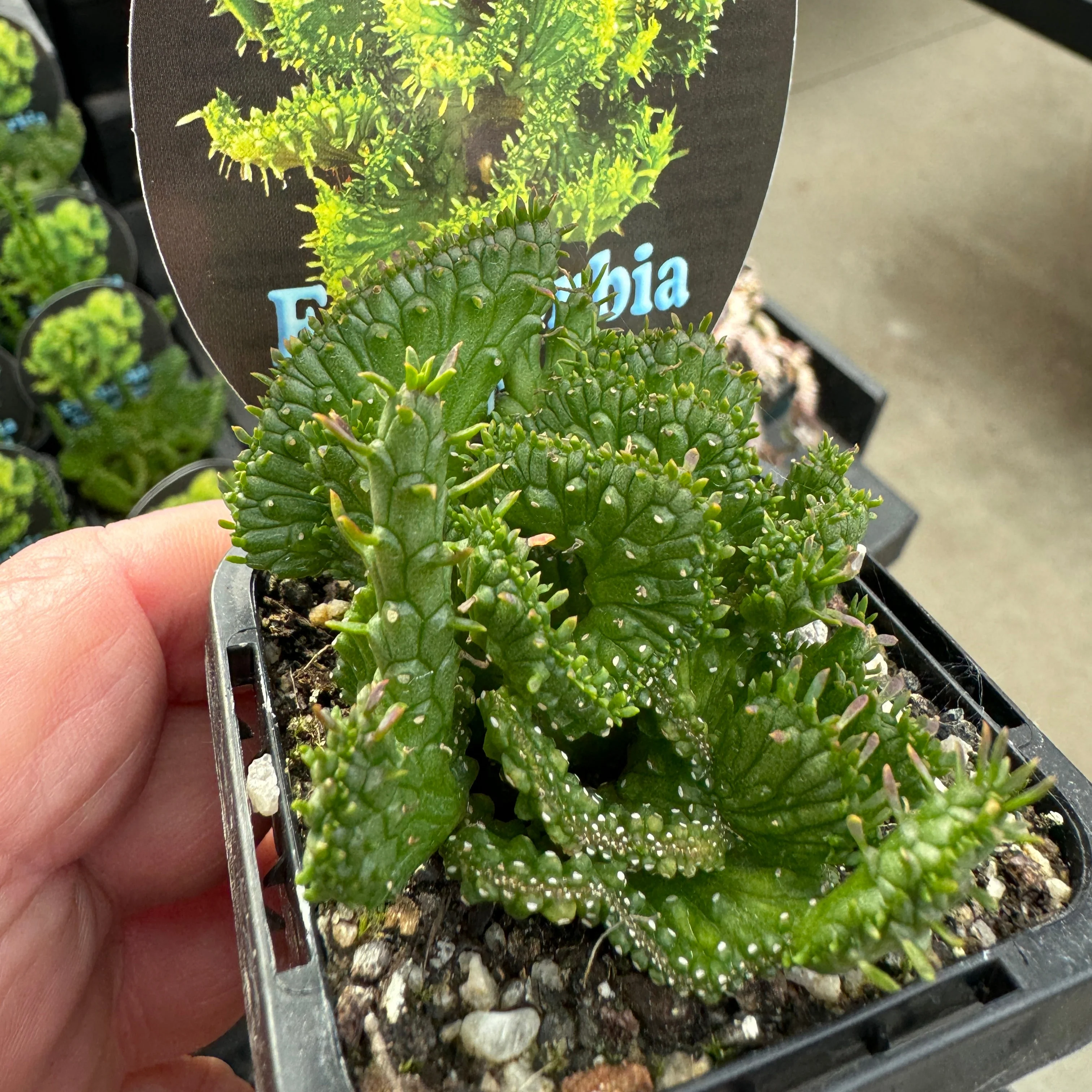
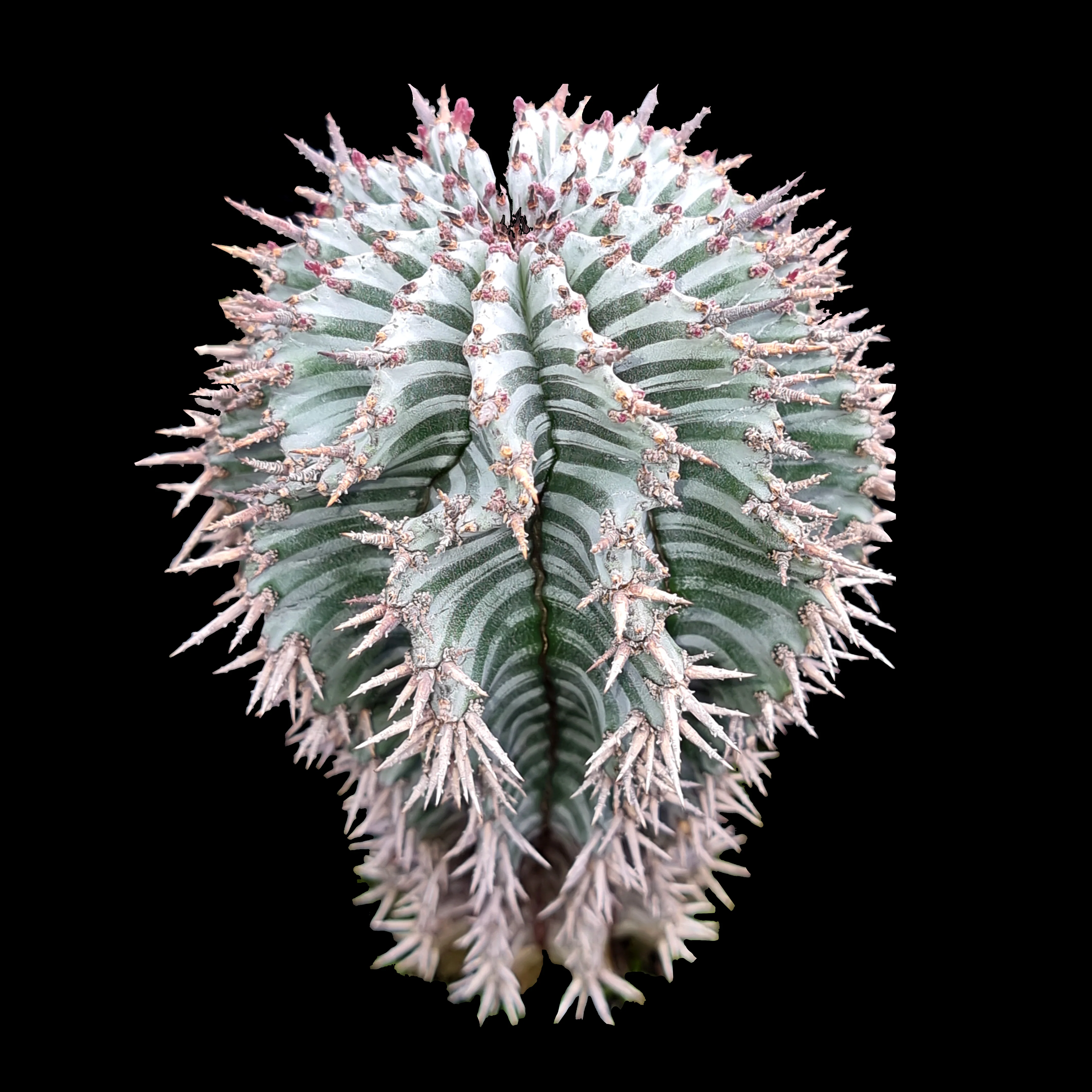
Euphorbia pulvinata is a mat-forming succulent species native to the Karoo and Little Karoo regions of South Africa, where it grows in open, rocky areas with well-drained soils. It forms dense, low cushions of upright to spreading green stems, each lined with shallow ridges and small paired spines. The stems are cylindrical and typically reach only a few centimetres in height, gradually spreading outward to form a broad, dome-like mound. During the growing season, small yellow-green cyathia appear near the stem tips, often close to the base of the spines.
Care Tips:
- Light – Requires bright light to full sun for compact growth and spine development
- Water – Water sparingly; allow the soil to dry out completely between waterings
- Humidity – Prefers dry conditions; ensure good airflow to prevent rot
- Media – Use a sharply draining succulent mix with added coarse sand or grit
- Temperature – Maintain above 10°C; avoid prolonged exposure to cold or damp
- Fertiliser – Apply a diluted cactus fertiliser during the warmer months
- Repotting – Repot when the mound outgrows its container or to refresh the substrate
Additional Notes:
- Known to be toxic
More Images


Euphorbia pulvinata (WA Prohibited)
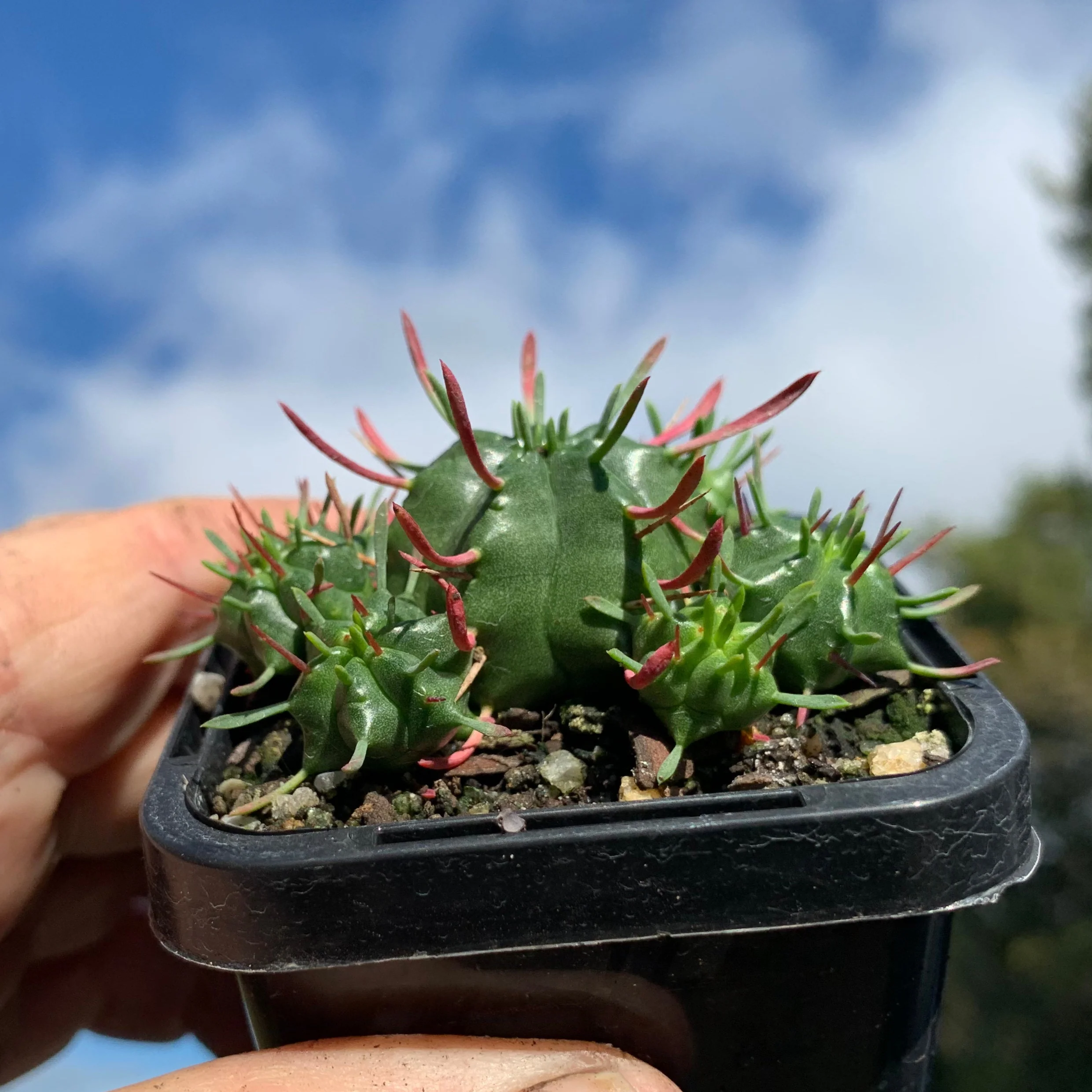
Euphorbia pulvinata is a mat-forming succulent species native to the Karoo and Little Karoo regions of South Africa, where it grows in open, rocky areas with well-drained soils. It forms dense, low cushions of upright to spreading green stems, each lined with shallow ridges and small paired spines. The stems are cylindrical and typically reach only a few centimetres in height, gradually spreading outward to form a broad, dome-like mound. During the growing season, small yellow-green cyathia appear near the stem tips, often close to the base of the spines.
Care Tips:
- Light – Requires bright light to full sun for compact growth and spine development
- Water – Water sparingly; allow the soil to dry out completely between waterings
- Humidity – Prefers dry conditions; ensure good airflow to prevent rot
- Media – Use a sharply draining succulent mix with added coarse sand or grit
- Temperature – Maintain above 10°C; avoid prolonged exposure to cold or damp
- Fertiliser – Apply a diluted cactus fertiliser during the warmer months
- Repotting – Repot when the mound outgrows its container or to refresh the substrate
Additional Notes:
- Known to be toxic
Product Information
Product Information
Shipping & Returns
Shipping & Returns
Description
Euphorbia pulvinata is a mat-forming succulent species native to the Karoo and Little Karoo regions of South Africa, where it grows in open, rocky areas with well-drained soils. It forms dense, low cushions of upright to spreading green stems, each lined with shallow ridges and small paired spines. The stems are cylindrical and typically reach only a few centimetres in height, gradually spreading outward to form a broad, dome-like mound. During the growing season, small yellow-green cyathia appear near the stem tips, often close to the base of the spines.
Care Tips:
- Light – Requires bright light to full sun for compact growth and spine development
- Water – Water sparingly; allow the soil to dry out completely between waterings
- Humidity – Prefers dry conditions; ensure good airflow to prevent rot
- Media – Use a sharply draining succulent mix with added coarse sand or grit
- Temperature – Maintain above 10°C; avoid prolonged exposure to cold or damp
- Fertiliser – Apply a diluted cactus fertiliser during the warmer months
- Repotting – Repot when the mound outgrows its container or to refresh the substrate
Additional Notes:
- Known to be toxic