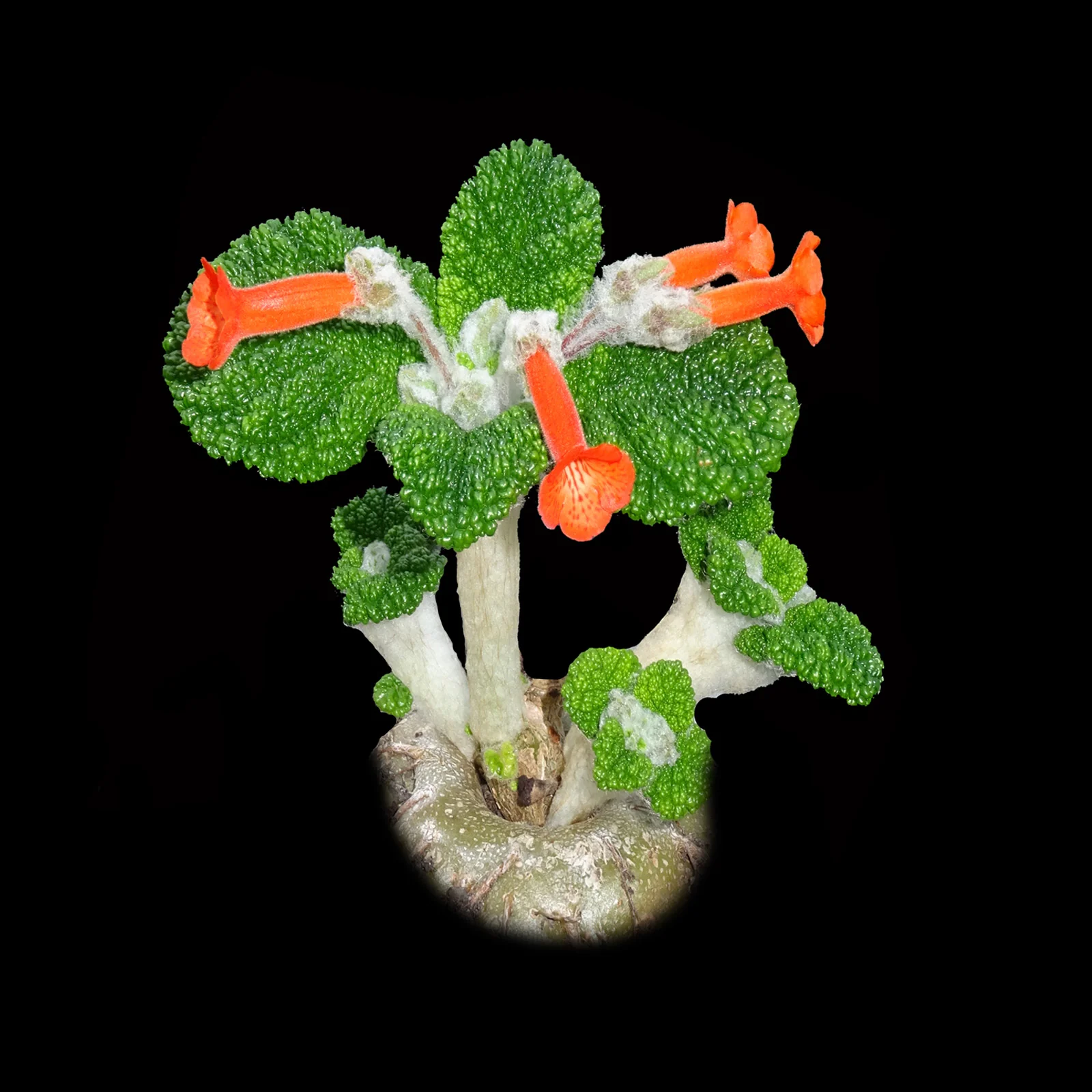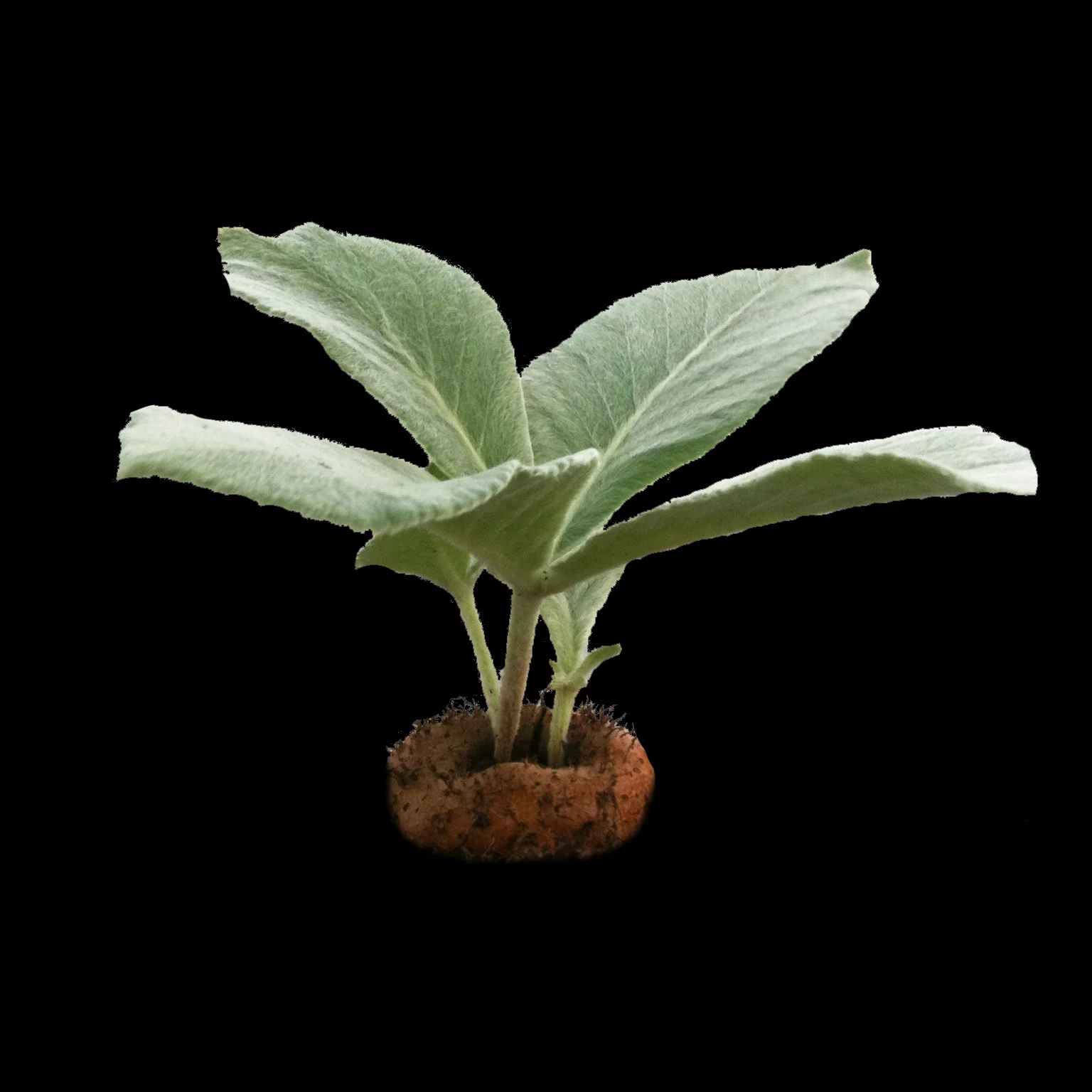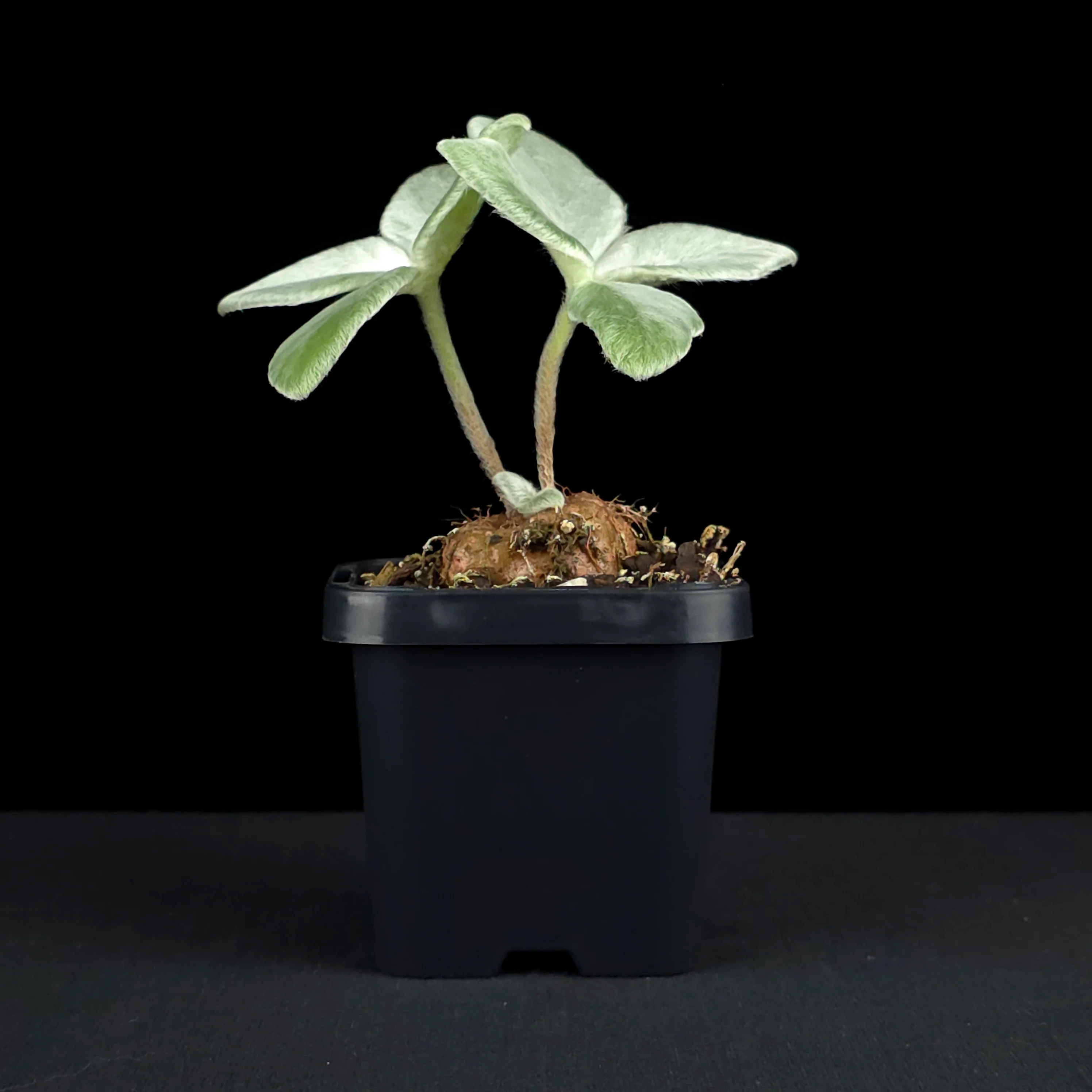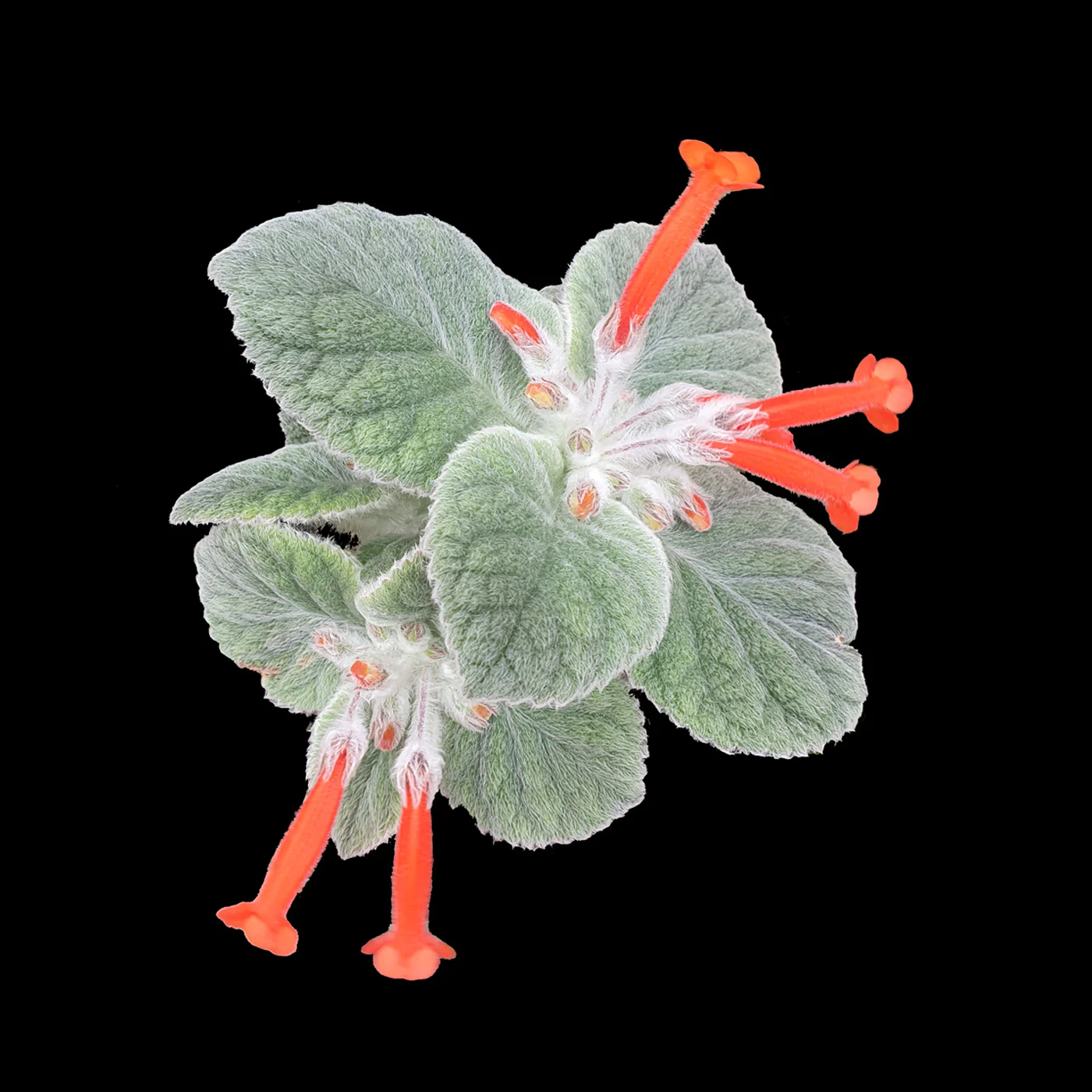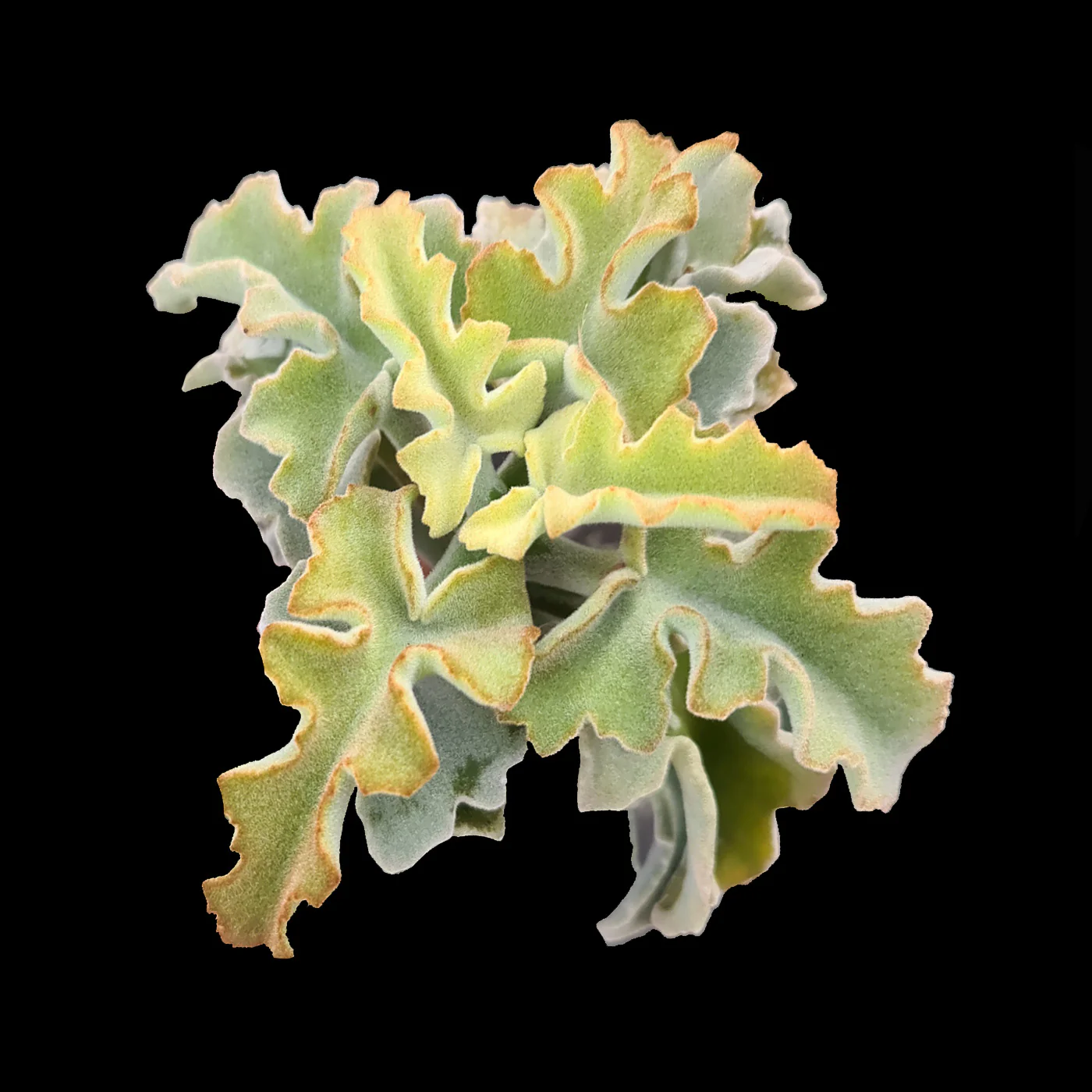
Kalanchoe beharensis 'Maltese Cross'
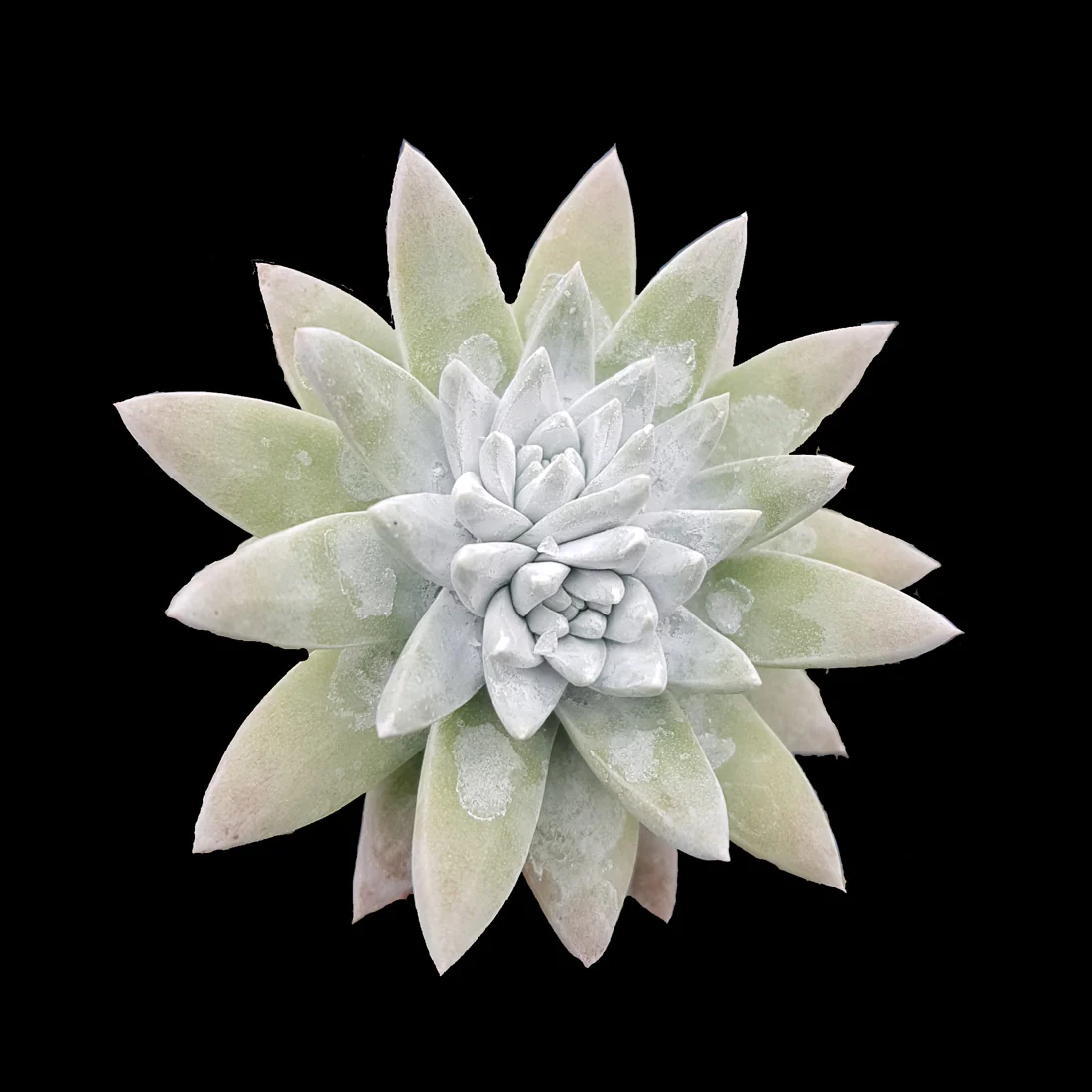
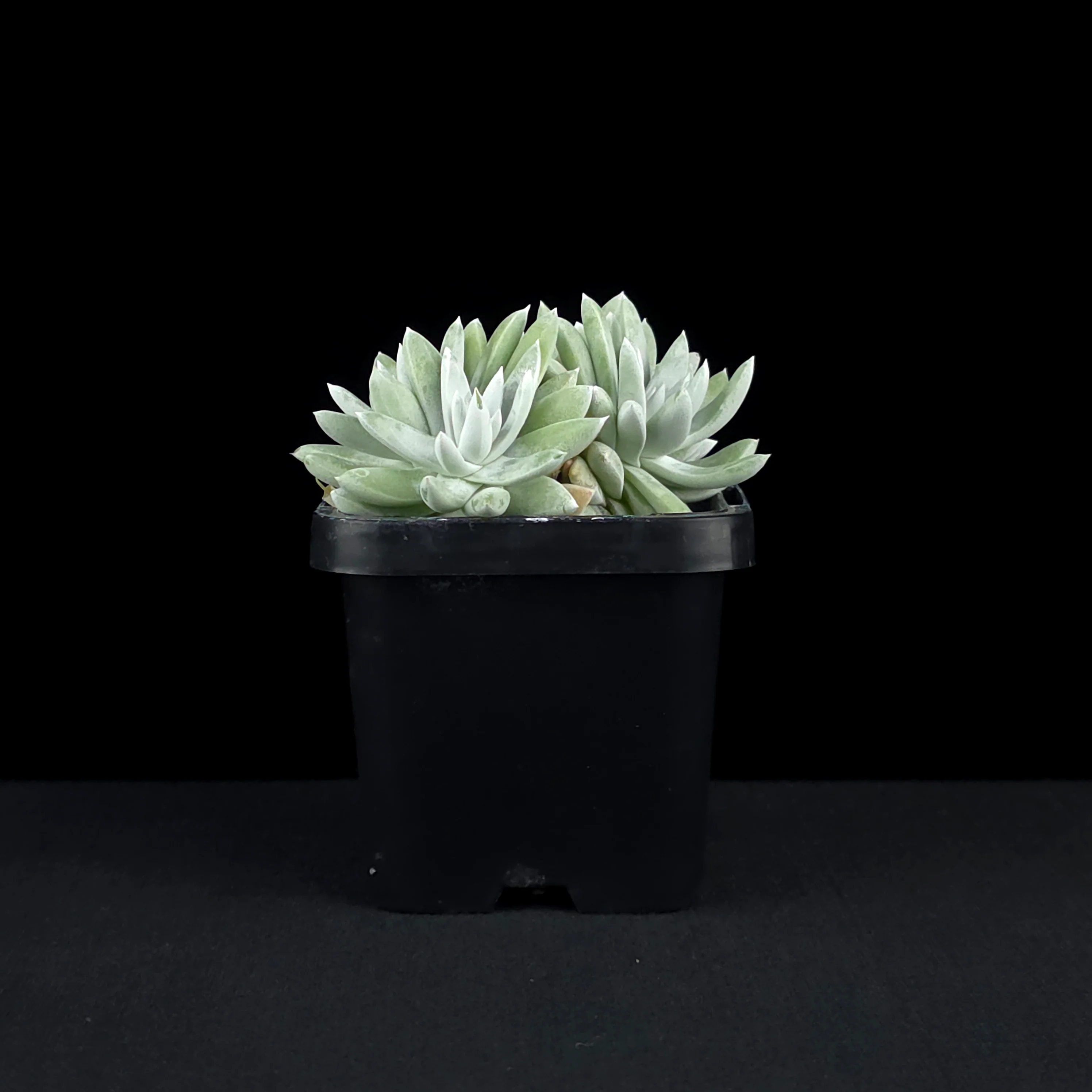
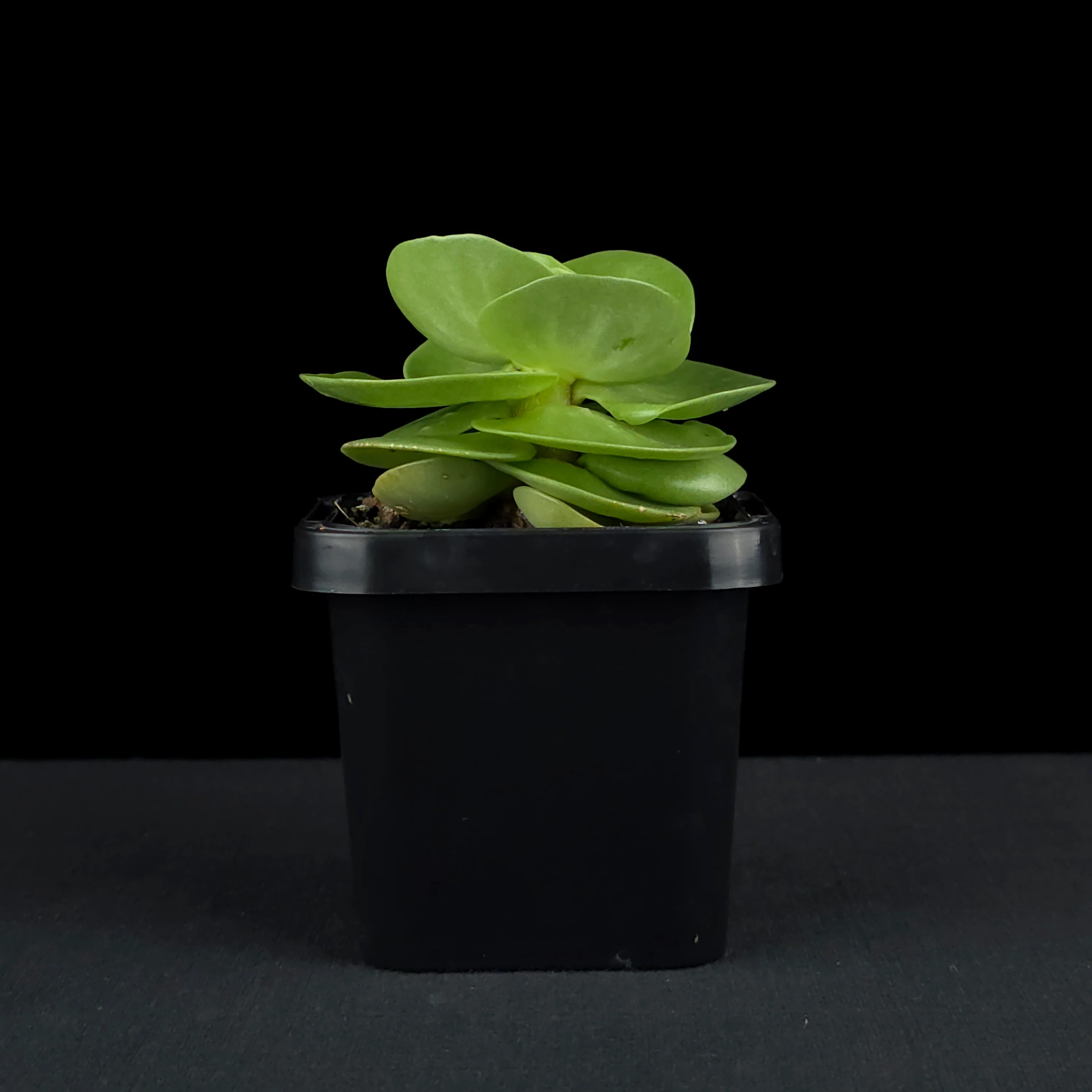
Kalanchoe beharensis ‘Maltese Cross’ is a cultivated form of a Madagascan succulent species that grows naturally on rocky hillsides and dry forest margins. The selection is notable for its unusual leaf shape, differing from the triangular to ovate foliage of the standard species. In cultivation it is valued as an architectural foliage plant.
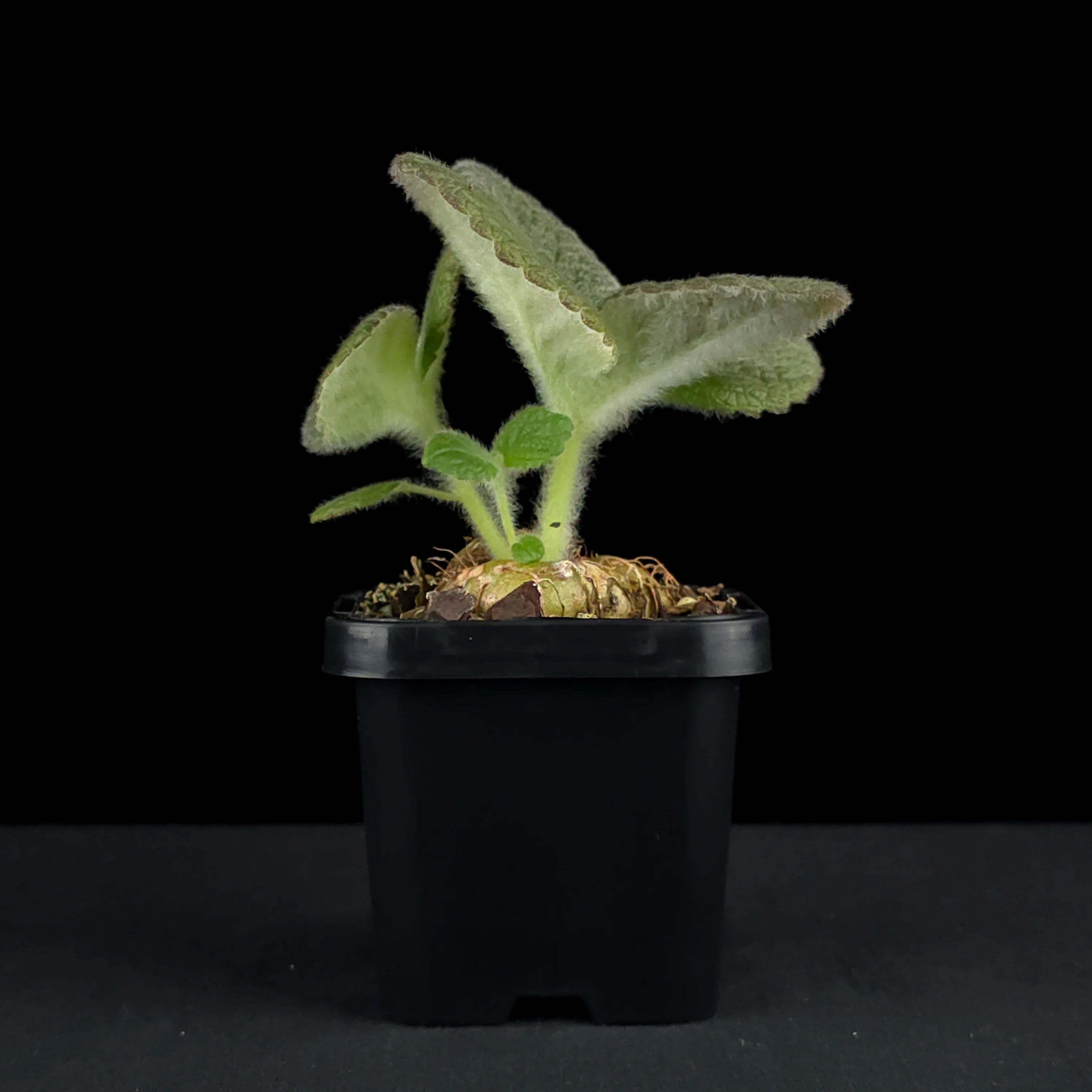
This form produces thick, velvety leaves that are deeply lobed, often with four pointed sections arranged in a cross-like outline. The surface is felted with fine hairs, giving the foliage a soft texture and muted silvery-green colour. Over time, the plant develops into a branching shrub, sometimes exceeding 1 m in height if left unpruned.
Flowering is uncommon in cultivation, but mature plants may bear clusters of small, yellowish-green blossoms on tall stalks. The primary attraction remains the distinctive foliage, which contrasts well with other succulents and lends itself to both container and landscape planting where frost is absent.
Care Tips:
- Light: Requires bright light and tolerates several hours of direct sun; some shade is beneficial in very hot conditions.
- Water: Water sparingly, allowing the soil to dry completely between waterings. Overwatering should be strictly avoided.
- Media: Use a sharply draining succulent mix with sand or grit to prevent root rot.
- Fertiliser: Feed with a diluted succulent fertiliser every 4–6 weeks during spring and summer.
- Temperature: Best grown between 18–28 °C. Protect from frost and avoid exposure below 10 °C.
- Repotting: Repot every 2–3 years, pruning back tall growth if needed to maintain shape and stability.
Additional Notes:
- Known to be toxic
Original: $10.00
-65%$10.00
$3.50More Images
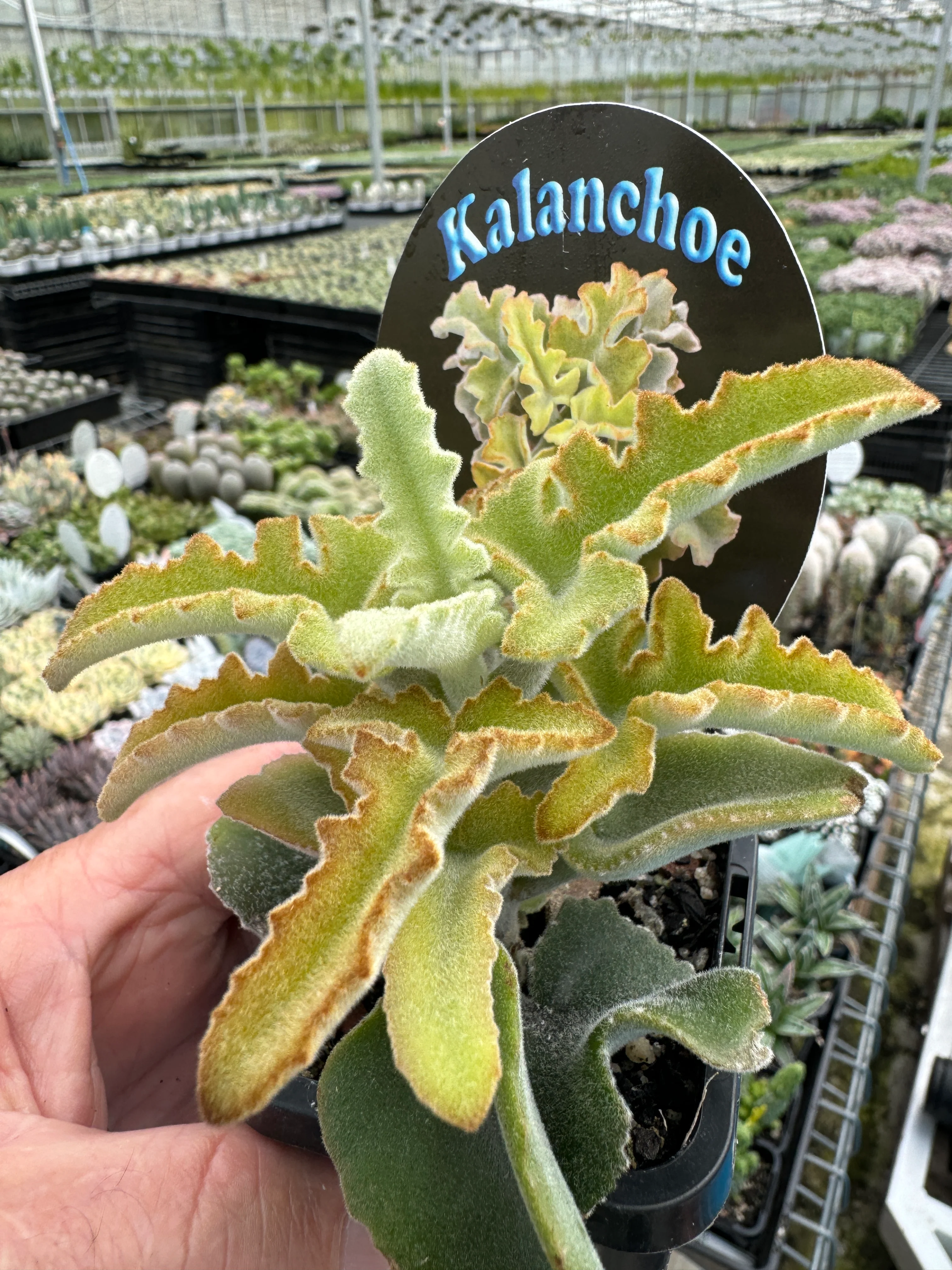
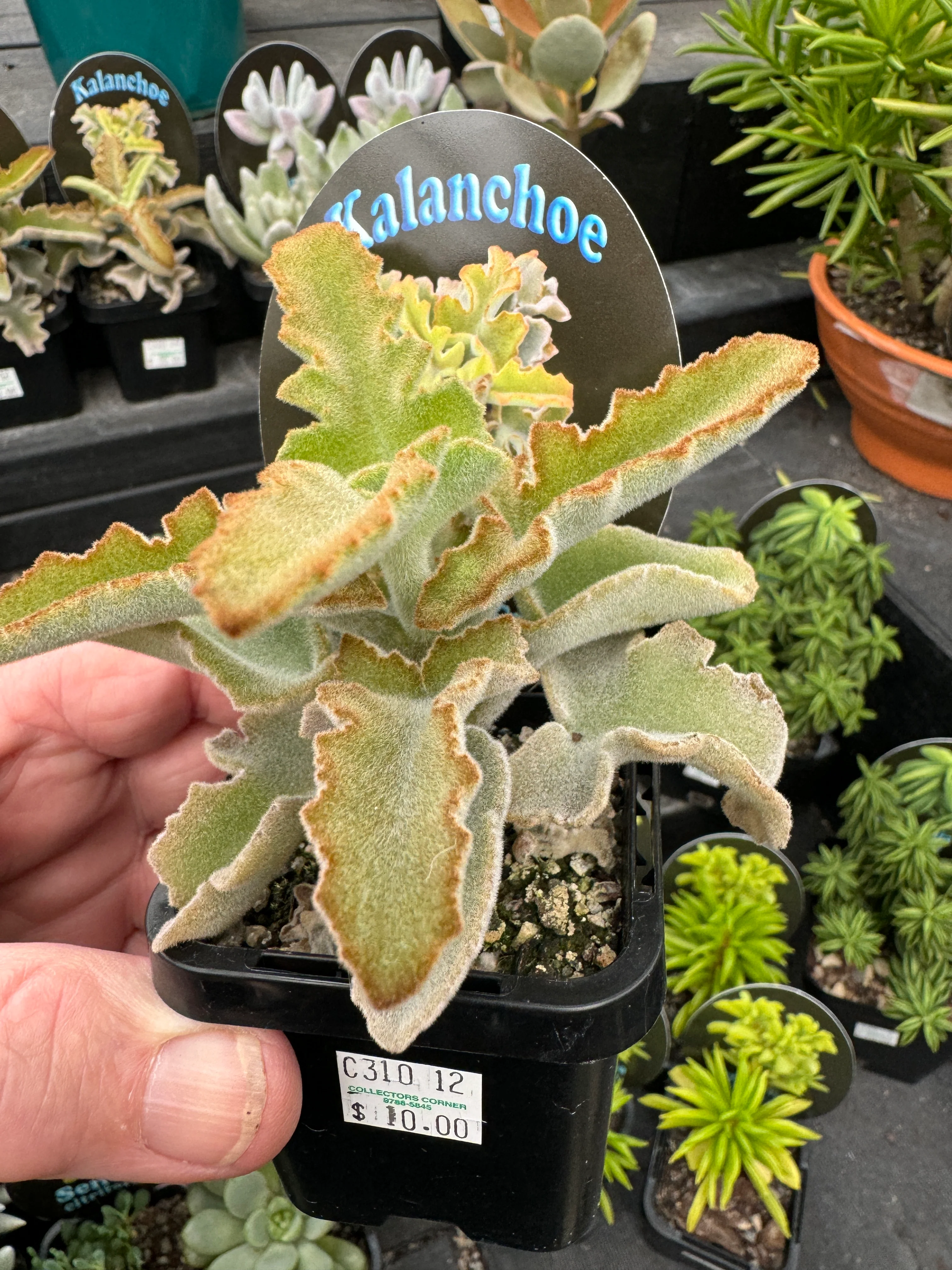
Kalanchoe beharensis 'Maltese Cross'
Kalanchoe beharensis ‘Maltese Cross’ is a cultivated form of a Madagascan succulent species that grows naturally on rocky hillsides and dry forest margins. The selection is notable for its unusual leaf shape, differing from the triangular to ovate foliage of the standard species. In cultivation it is valued as an architectural foliage plant.
This form produces thick, velvety leaves that are deeply lobed, often with four pointed sections arranged in a cross-like outline. The surface is felted with fine hairs, giving the foliage a soft texture and muted silvery-green colour. Over time, the plant develops into a branching shrub, sometimes exceeding 1 m in height if left unpruned.
Flowering is uncommon in cultivation, but mature plants may bear clusters of small, yellowish-green blossoms on tall stalks. The primary attraction remains the distinctive foliage, which contrasts well with other succulents and lends itself to both container and landscape planting where frost is absent.
Care Tips:
- Light: Requires bright light and tolerates several hours of direct sun; some shade is beneficial in very hot conditions.
- Water: Water sparingly, allowing the soil to dry completely between waterings. Overwatering should be strictly avoided.
- Media: Use a sharply draining succulent mix with sand or grit to prevent root rot.
- Fertiliser: Feed with a diluted succulent fertiliser every 4–6 weeks during spring and summer.
- Temperature: Best grown between 18–28 °C. Protect from frost and avoid exposure below 10 °C.
- Repotting: Repot every 2–3 years, pruning back tall growth if needed to maintain shape and stability.
Additional Notes:
- Known to be toxic
Product Information
Product Information
Shipping & Returns
Shipping & Returns
Description
Kalanchoe beharensis ‘Maltese Cross’ is a cultivated form of a Madagascan succulent species that grows naturally on rocky hillsides and dry forest margins. The selection is notable for its unusual leaf shape, differing from the triangular to ovate foliage of the standard species. In cultivation it is valued as an architectural foliage plant.
This form produces thick, velvety leaves that are deeply lobed, often with four pointed sections arranged in a cross-like outline. The surface is felted with fine hairs, giving the foliage a soft texture and muted silvery-green colour. Over time, the plant develops into a branching shrub, sometimes exceeding 1 m in height if left unpruned.
Flowering is uncommon in cultivation, but mature plants may bear clusters of small, yellowish-green blossoms on tall stalks. The primary attraction remains the distinctive foliage, which contrasts well with other succulents and lends itself to both container and landscape planting where frost is absent.
Care Tips:
- Light: Requires bright light and tolerates several hours of direct sun; some shade is beneficial in very hot conditions.
- Water: Water sparingly, allowing the soil to dry completely between waterings. Overwatering should be strictly avoided.
- Media: Use a sharply draining succulent mix with sand or grit to prevent root rot.
- Fertiliser: Feed with a diluted succulent fertiliser every 4–6 weeks during spring and summer.
- Temperature: Best grown between 18–28 °C. Protect from frost and avoid exposure below 10 °C.
- Repotting: Repot every 2–3 years, pruning back tall growth if needed to maintain shape and stability.
Additional Notes:
- Known to be toxic