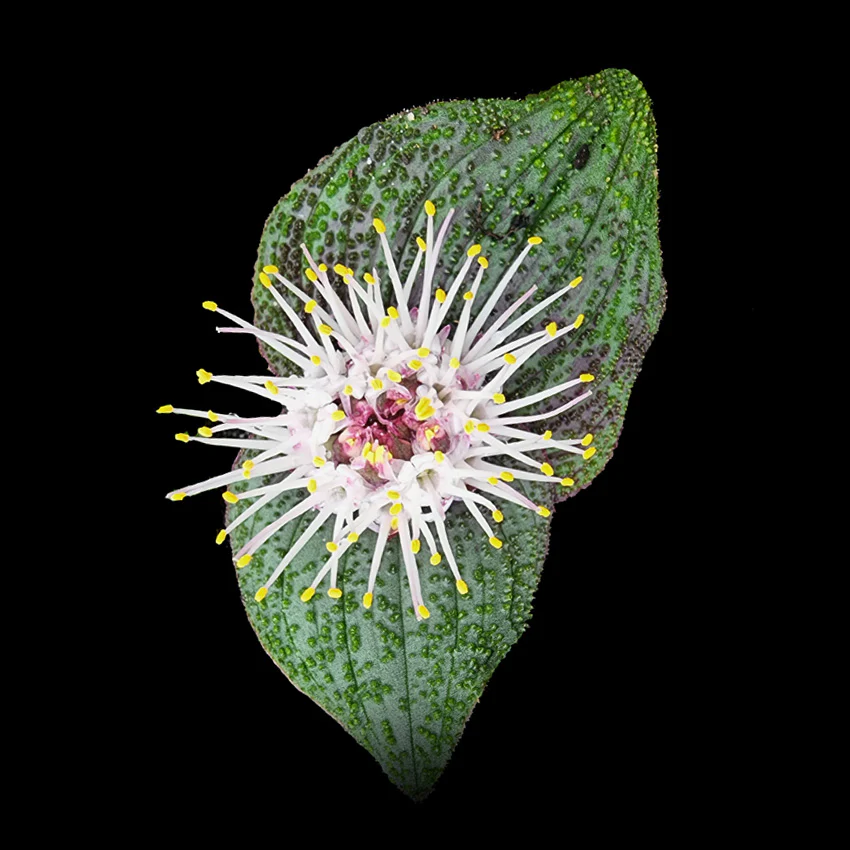
Massonia pustulata
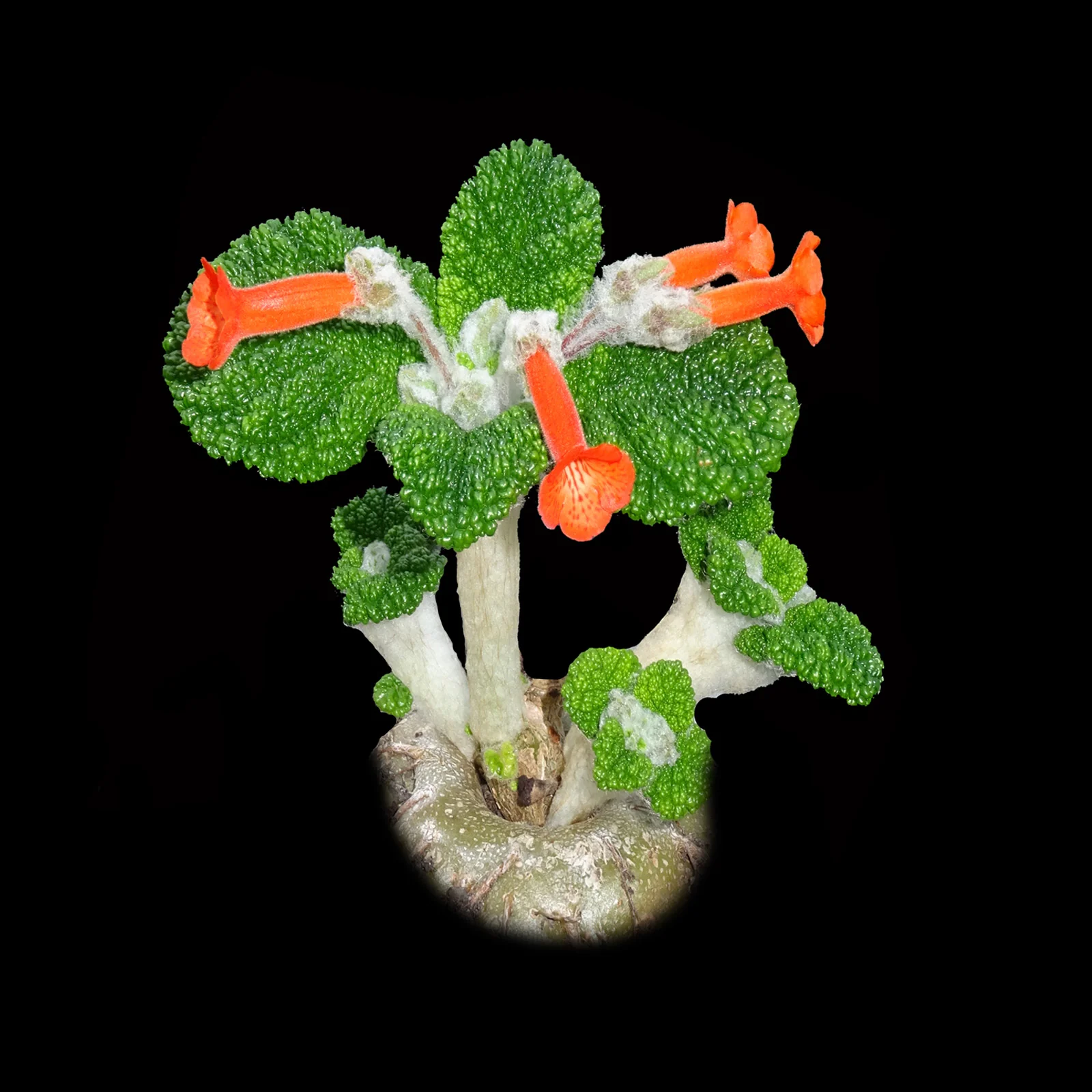
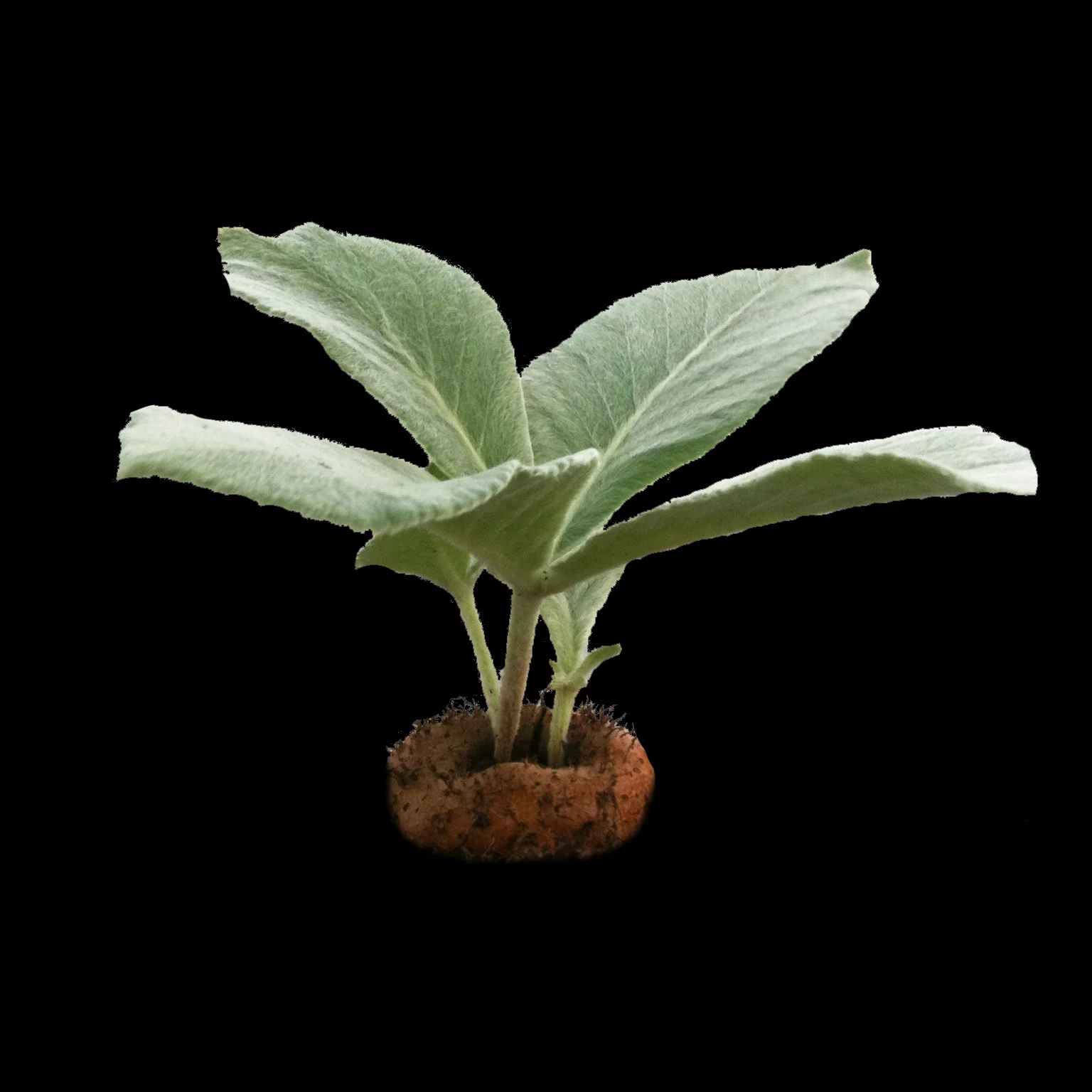
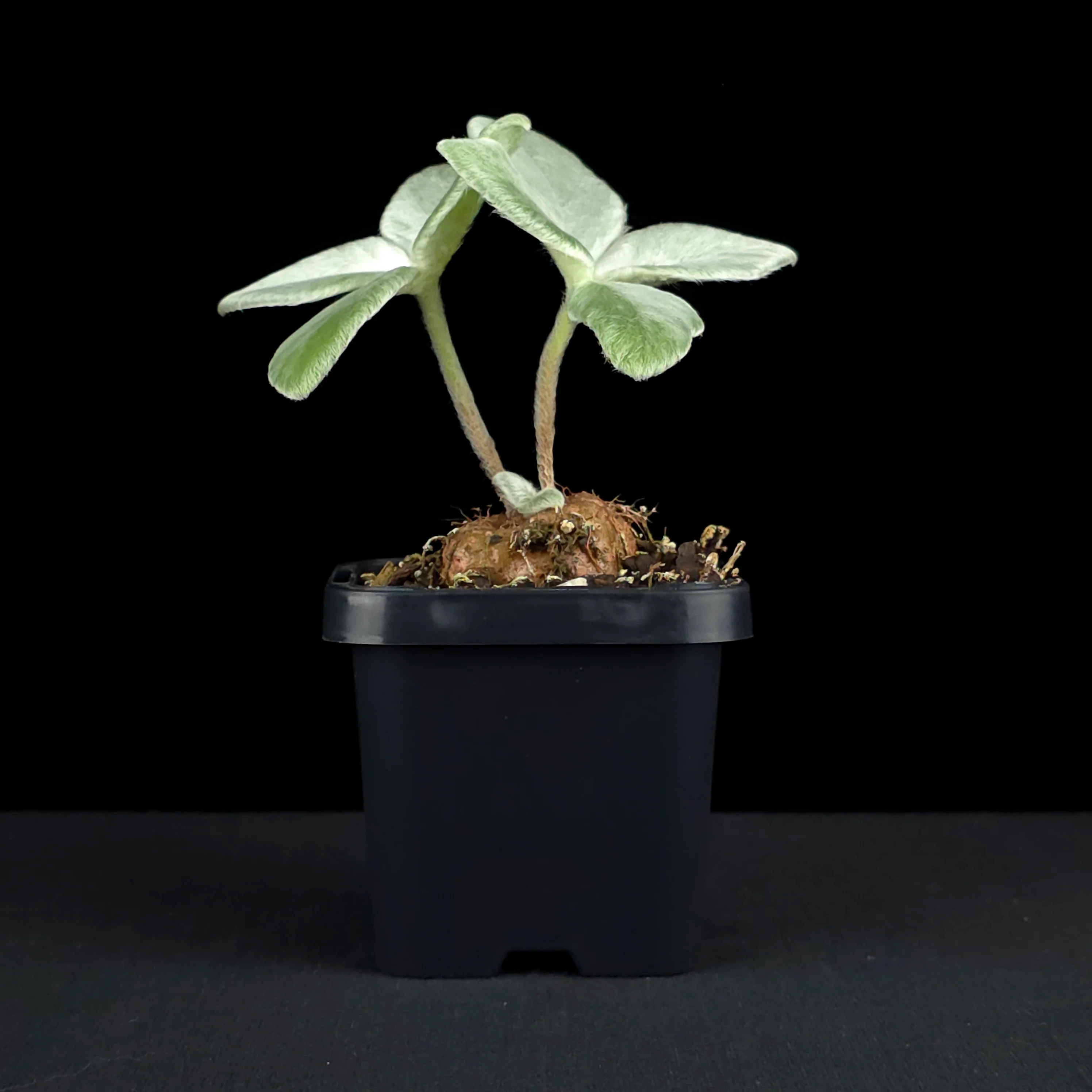
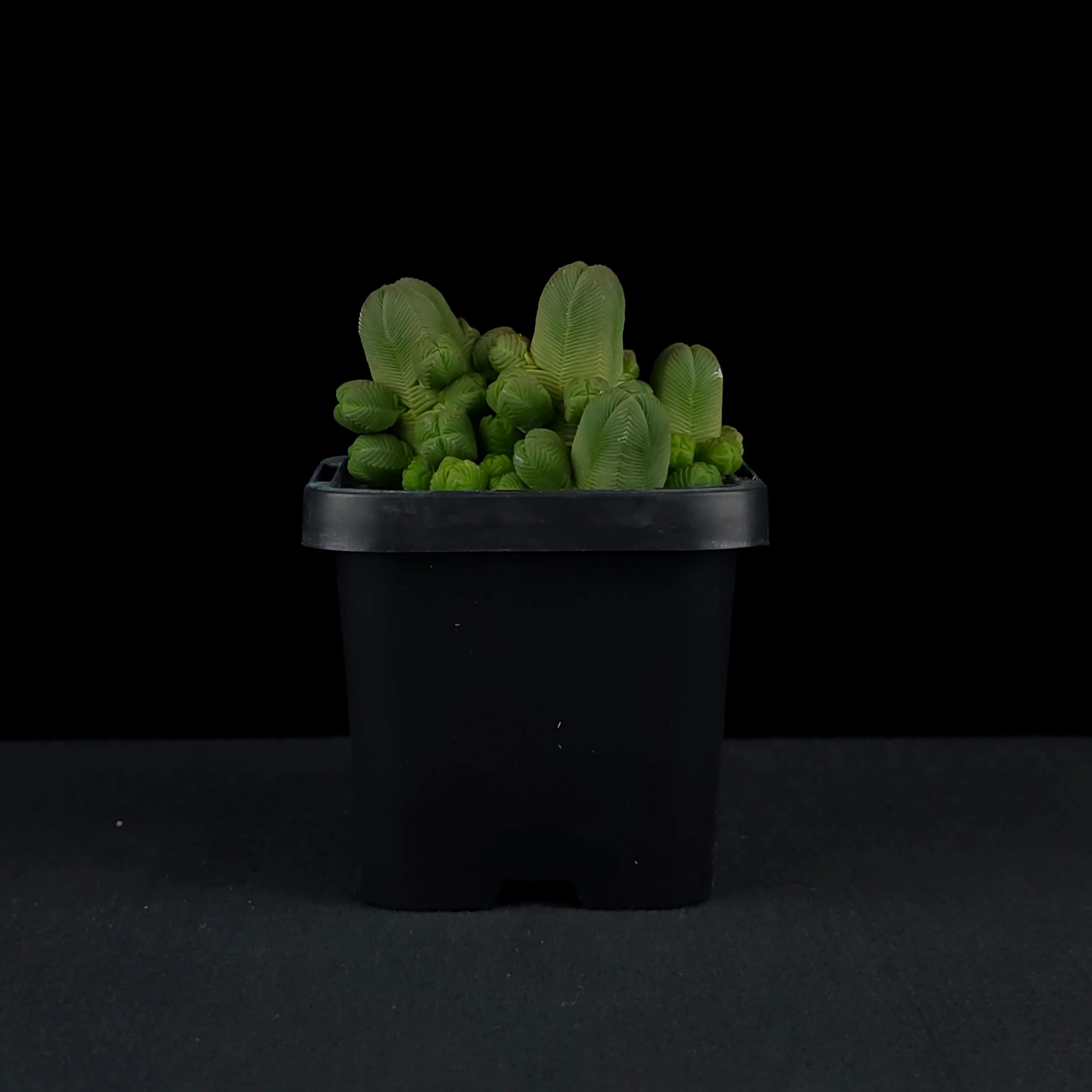
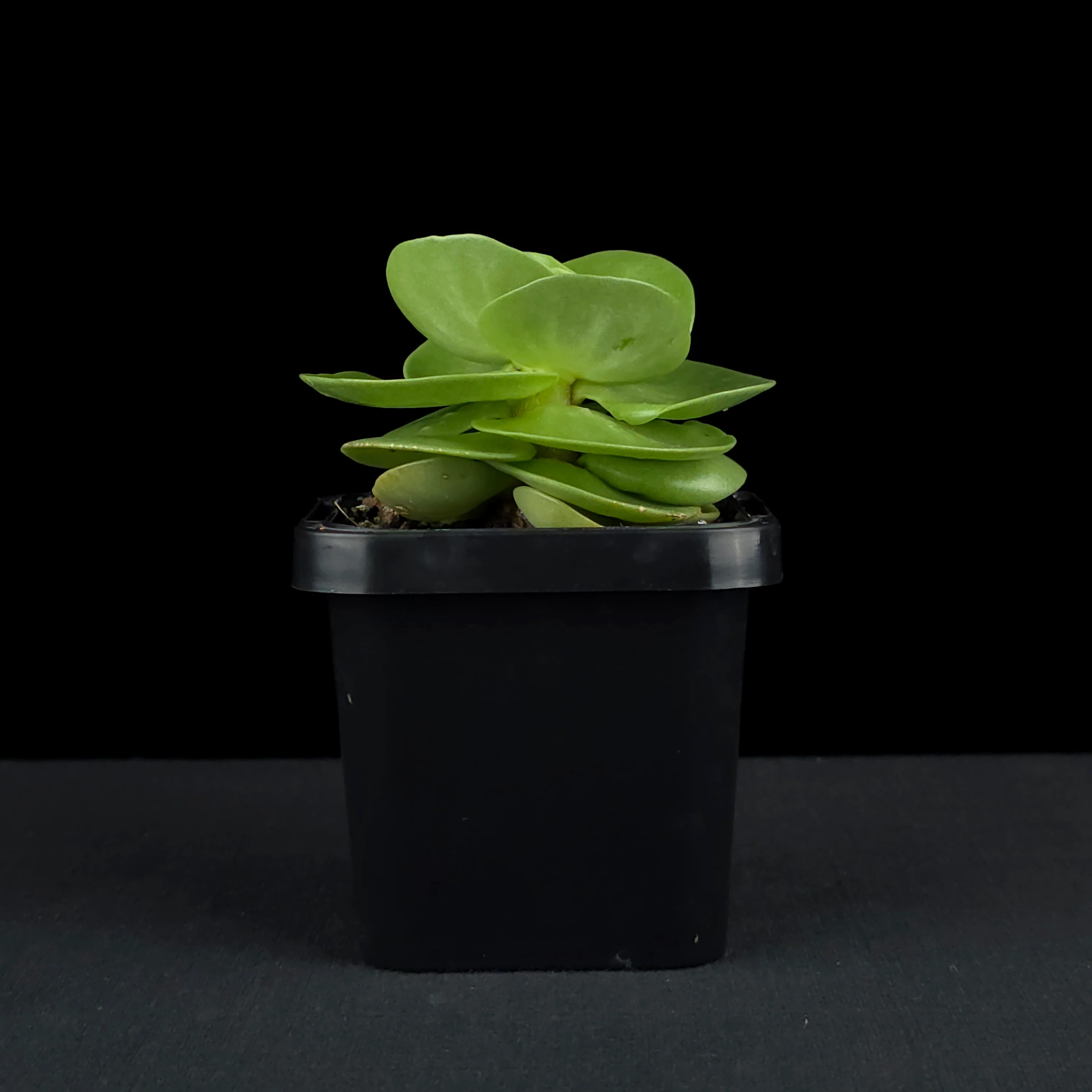
Massonia pustulata is a bulbous plant from the Asparagaceae family, native to South Africa’s Western Cape. It is found in winter-rainfall regions, often growing in sandy or rocky soils where it remains dormant through the hot, dry summer months. The species produces two opposite, ground-hugging leaves each season, which are covered in small raised bumps or pustules that give the plant its name.
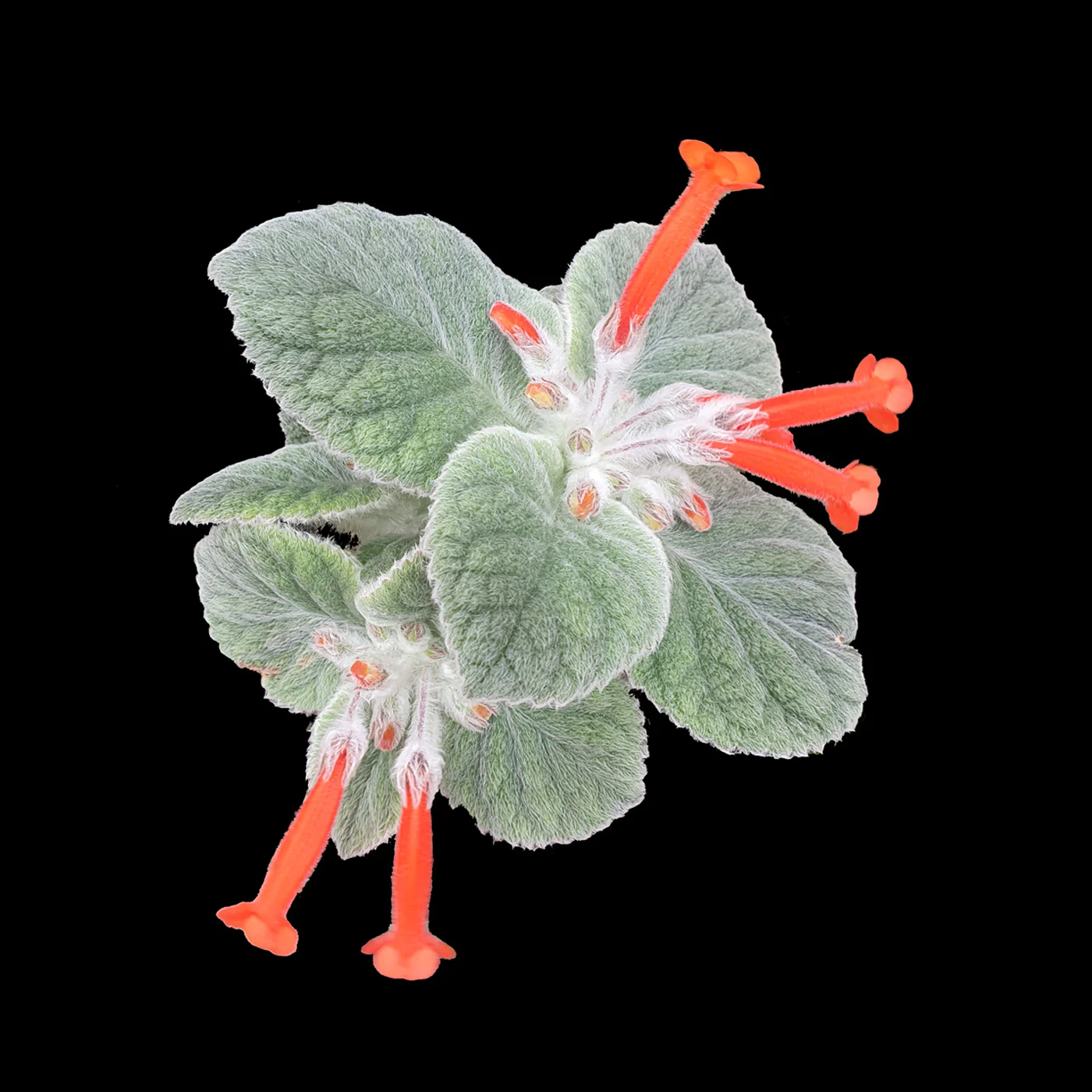
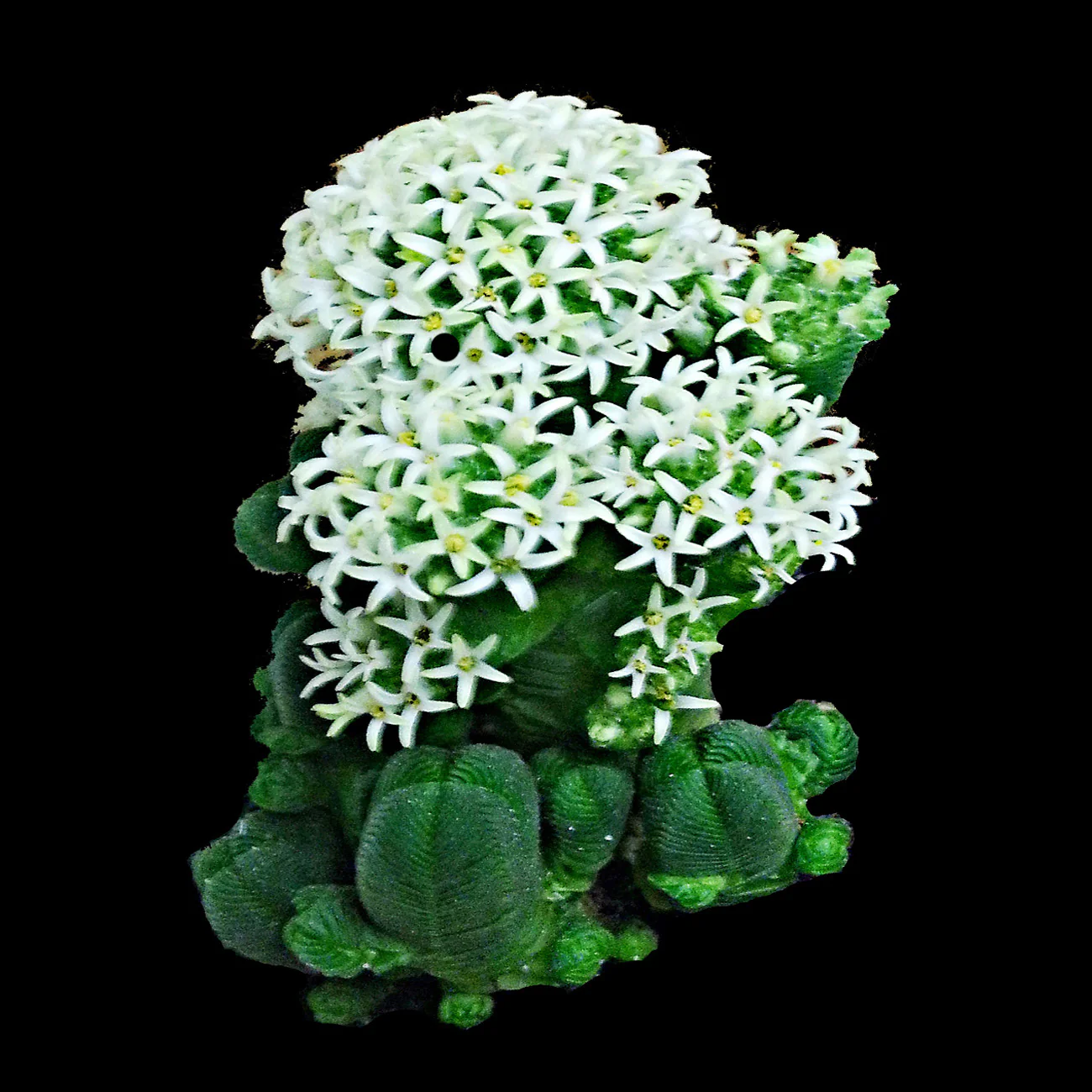
Flowering occurs in mid to late winter, with a dense, central cluster of tubular flowers that sit close to the soil surface. These blooms are typically white to pale pink and emit a strong fragrance at night to attract rodent pollinators, an unusual adaptation among flowering plants. After pollination, seed capsules develop low to the ground, releasing fine seeds when mature.
This species requires a dry summer rest and active growth in the cooler months. It performs best in a well-draining, sandy mix and a position with bright light during the growing season. Watering should commence with the appearance of leaves in autumn and be reduced once flowering is over, allowing the plant to enter dormancy naturally.
Care Tips:
- Light: Bright light during active growth; some direct sun is beneficial.
- Water: Water regularly in the growing season; keep completely dry during dormancy.
- Humidity: Adapted to low humidity conditions.
- Media: Use a free-draining, sandy mix.
- Fertiliser: Apply a balanced fertiliser during leaf growth and flowering.
- Temperature: Best grown between 10–20 °C in the growing season; keep warm and dry in summer.
- Repotting: Repot during dormancy if needed, taking care not to damage the bulb.
Original: $20.00
-65%$20.00
$7.00More Images
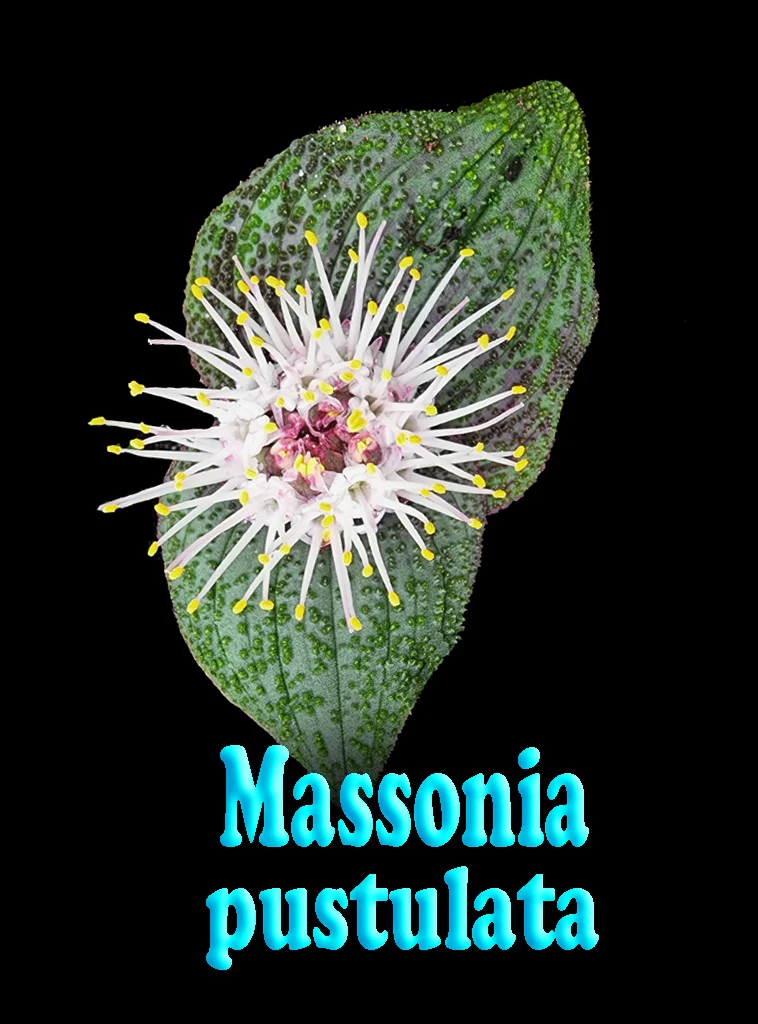
Massonia pustulata
Massonia pustulata is a bulbous plant from the Asparagaceae family, native to South Africa’s Western Cape. It is found in winter-rainfall regions, often growing in sandy or rocky soils where it remains dormant through the hot, dry summer months. The species produces two opposite, ground-hugging leaves each season, which are covered in small raised bumps or pustules that give the plant its name.
Flowering occurs in mid to late winter, with a dense, central cluster of tubular flowers that sit close to the soil surface. These blooms are typically white to pale pink and emit a strong fragrance at night to attract rodent pollinators, an unusual adaptation among flowering plants. After pollination, seed capsules develop low to the ground, releasing fine seeds when mature.
This species requires a dry summer rest and active growth in the cooler months. It performs best in a well-draining, sandy mix and a position with bright light during the growing season. Watering should commence with the appearance of leaves in autumn and be reduced once flowering is over, allowing the plant to enter dormancy naturally.
Care Tips:
- Light: Bright light during active growth; some direct sun is beneficial.
- Water: Water regularly in the growing season; keep completely dry during dormancy.
- Humidity: Adapted to low humidity conditions.
- Media: Use a free-draining, sandy mix.
- Fertiliser: Apply a balanced fertiliser during leaf growth and flowering.
- Temperature: Best grown between 10–20 °C in the growing season; keep warm and dry in summer.
- Repotting: Repot during dormancy if needed, taking care not to damage the bulb.
Product Information
Product Information
Shipping & Returns
Shipping & Returns
Description
Massonia pustulata is a bulbous plant from the Asparagaceae family, native to South Africa’s Western Cape. It is found in winter-rainfall regions, often growing in sandy or rocky soils where it remains dormant through the hot, dry summer months. The species produces two opposite, ground-hugging leaves each season, which are covered in small raised bumps or pustules that give the plant its name.
Flowering occurs in mid to late winter, with a dense, central cluster of tubular flowers that sit close to the soil surface. These blooms are typically white to pale pink and emit a strong fragrance at night to attract rodent pollinators, an unusual adaptation among flowering plants. After pollination, seed capsules develop low to the ground, releasing fine seeds when mature.
This species requires a dry summer rest and active growth in the cooler months. It performs best in a well-draining, sandy mix and a position with bright light during the growing season. Watering should commence with the appearance of leaves in autumn and be reduced once flowering is over, allowing the plant to enter dormancy naturally.
Care Tips:
- Light: Bright light during active growth; some direct sun is beneficial.
- Water: Water regularly in the growing season; keep completely dry during dormancy.
- Humidity: Adapted to low humidity conditions.
- Media: Use a free-draining, sandy mix.
- Fertiliser: Apply a balanced fertiliser during leaf growth and flowering.
- Temperature: Best grown between 10–20 °C in the growing season; keep warm and dry in summer.
- Repotting: Repot during dormancy if needed, taking care not to damage the bulb.