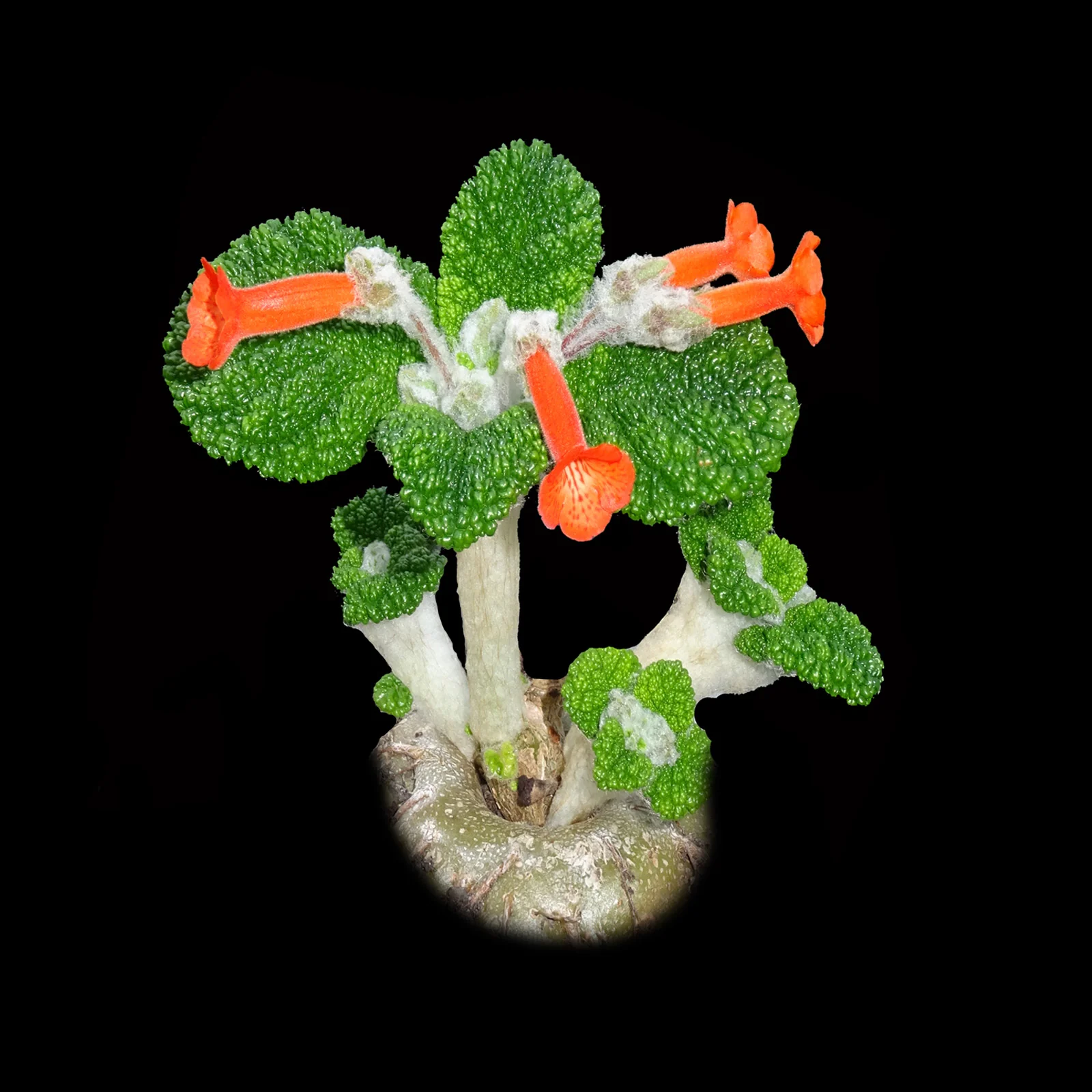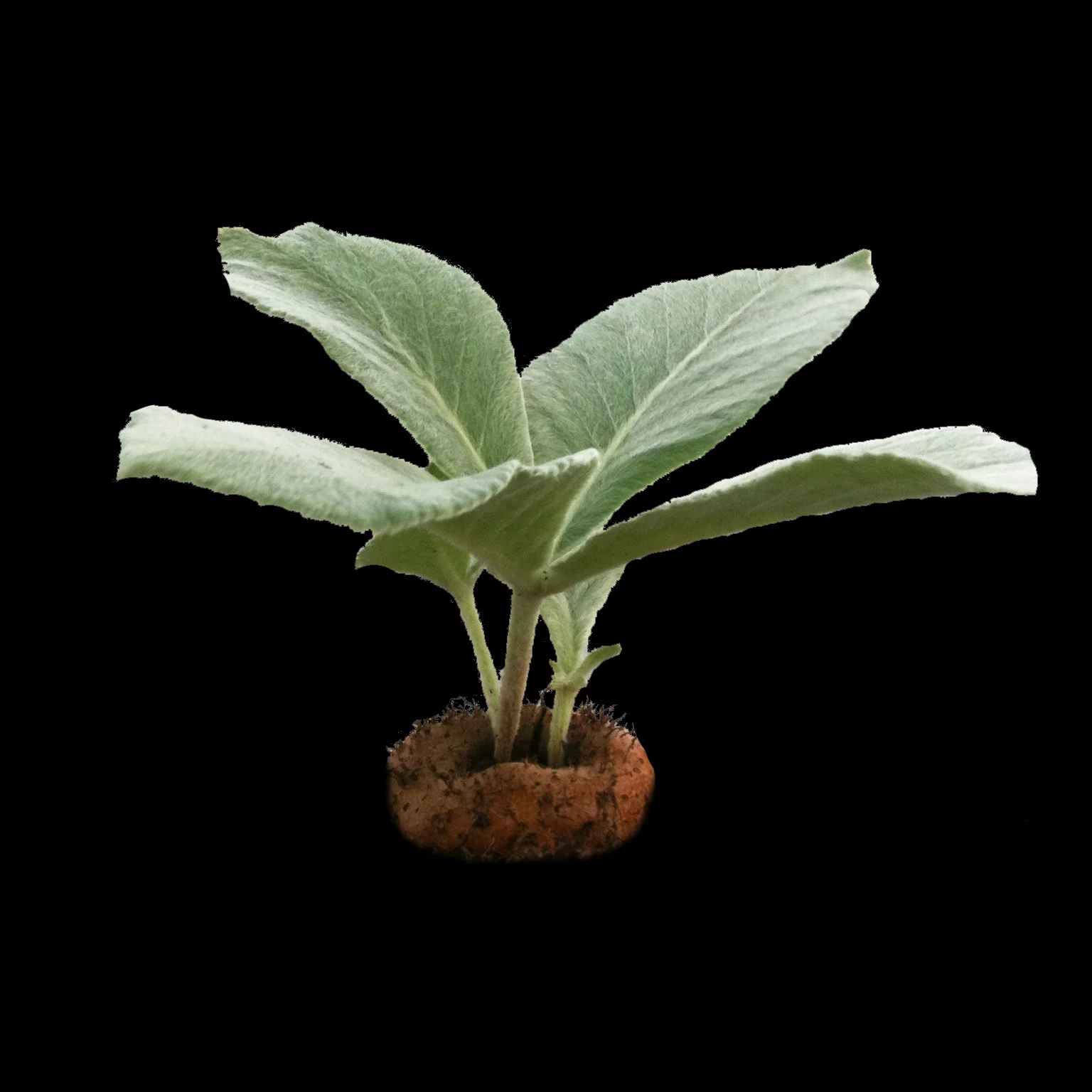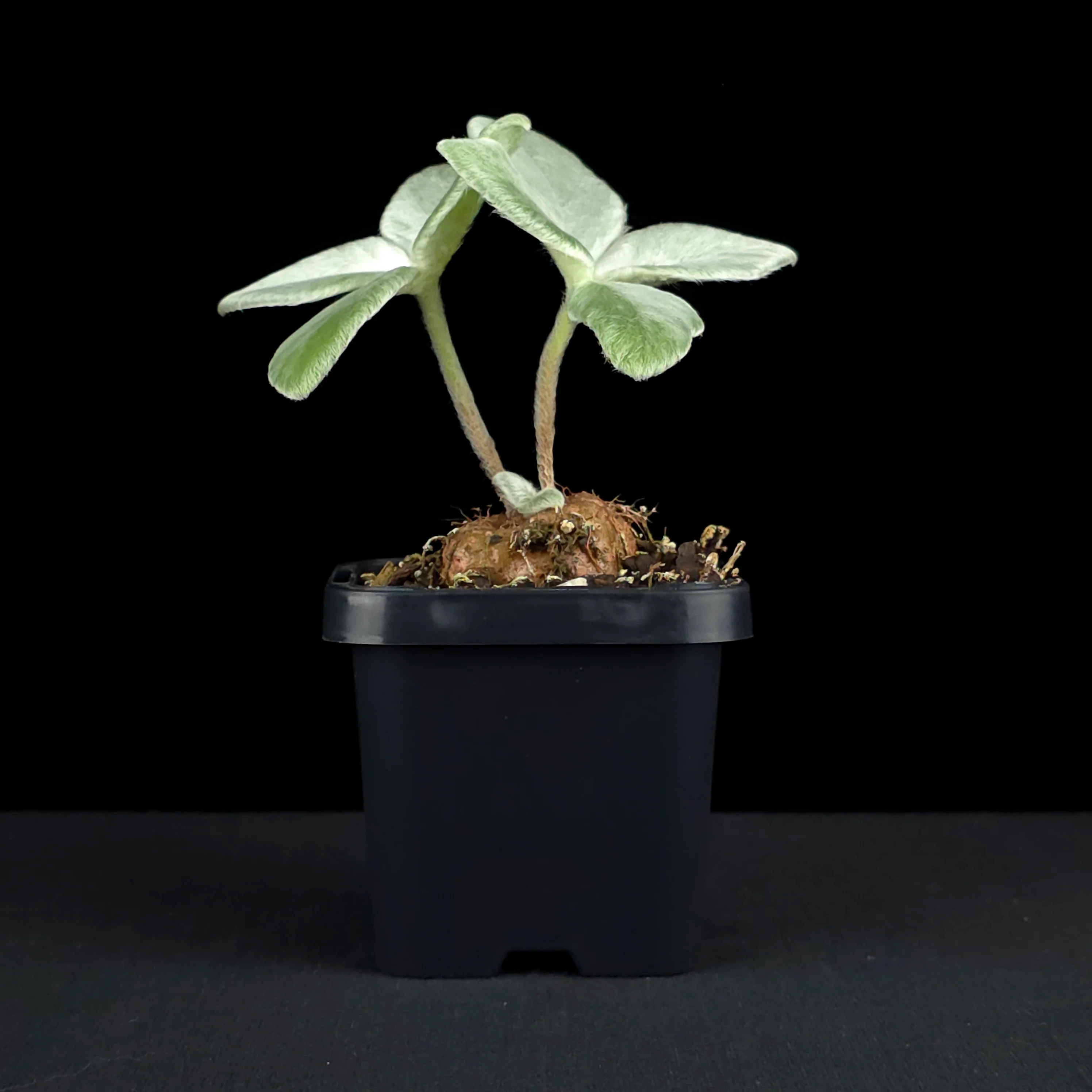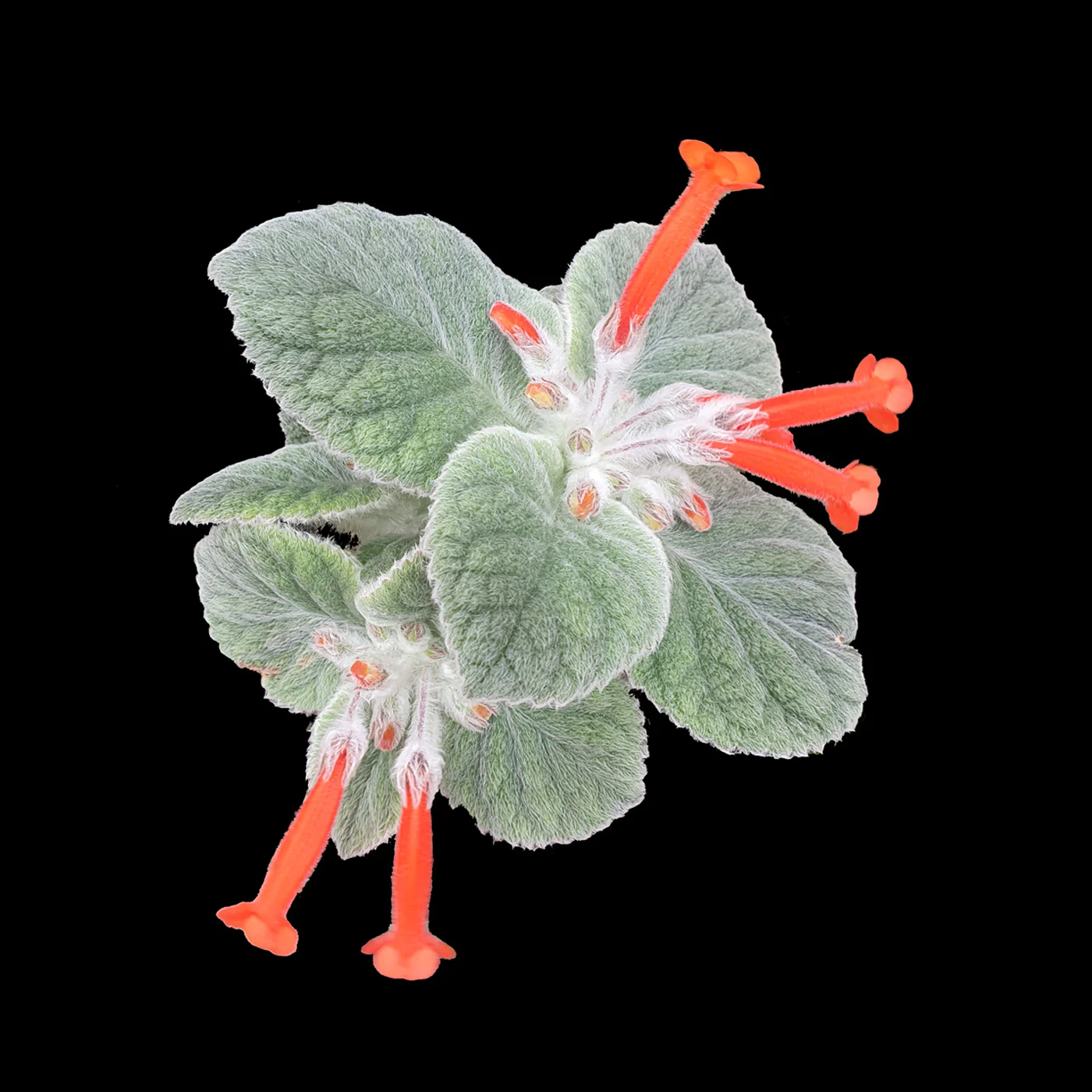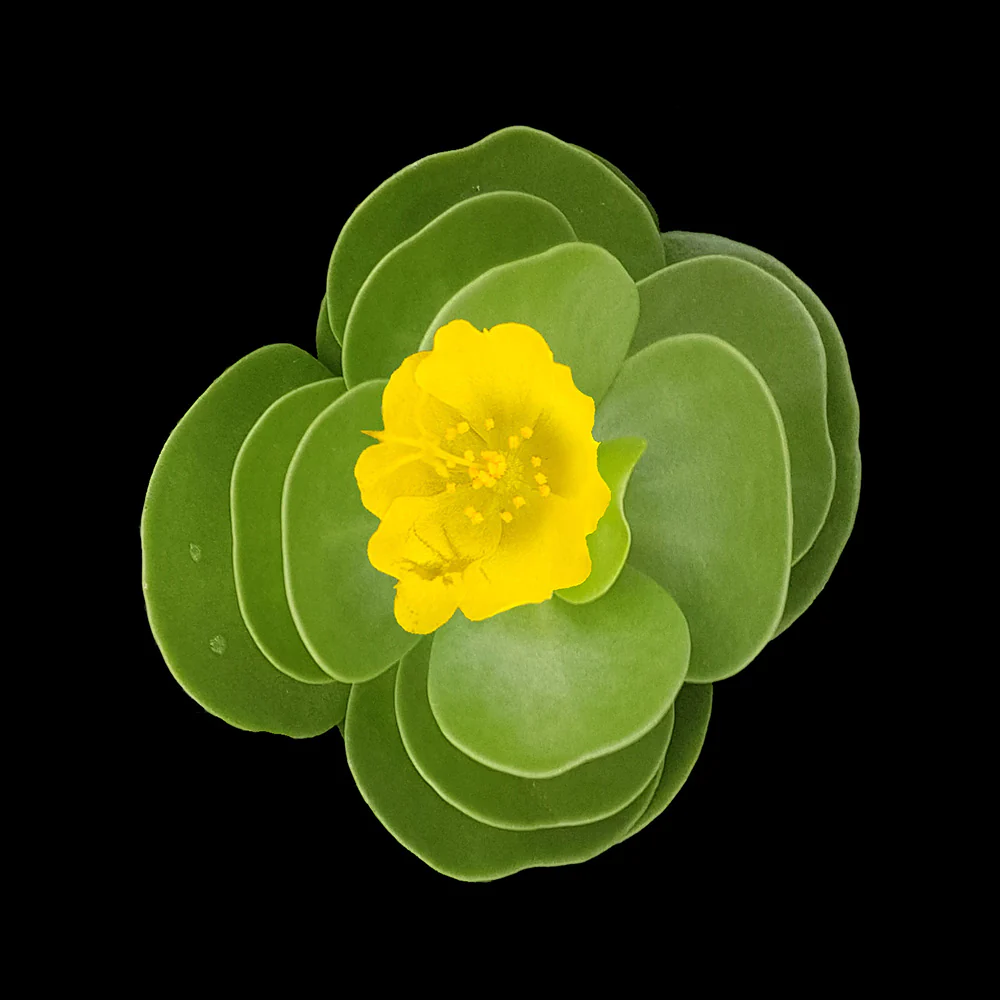
Portulaca molokiniensis 'Hawaiian Portulaca'
Portulaca molokiniensis, known in Hawaiian as ʻihi or Hawaiian Portulaca, is a succulent species endemic to the Hawaiian islands of Molokini, Puʻukoaʻe, and Kahoʻolawe. It inhabits dry coastal volcanic slopes, tuff outcrops, and rocky scree in low-elevation, rain-shadow zones. In these environments, it survives intense sun, limited moisture, and salty winds.
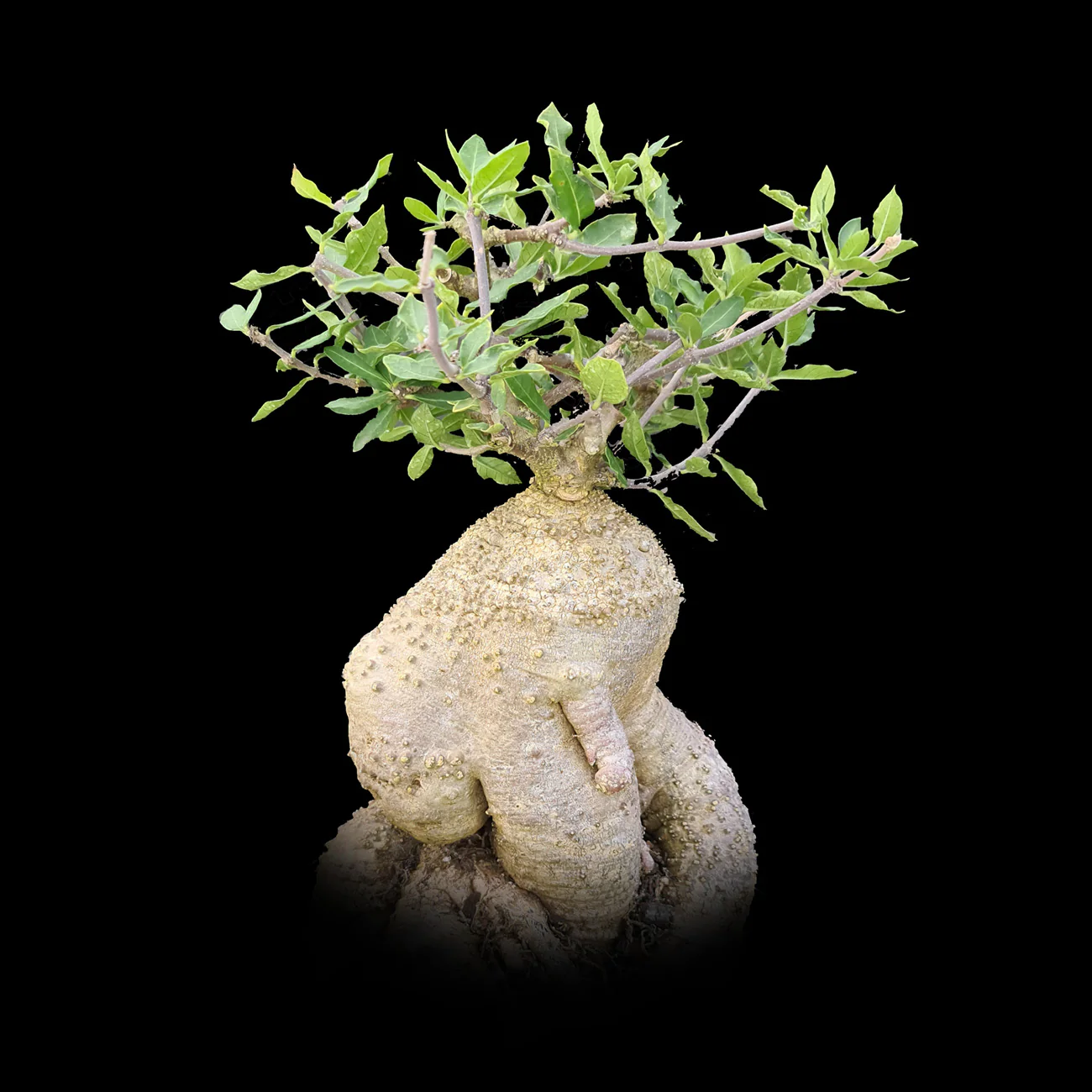
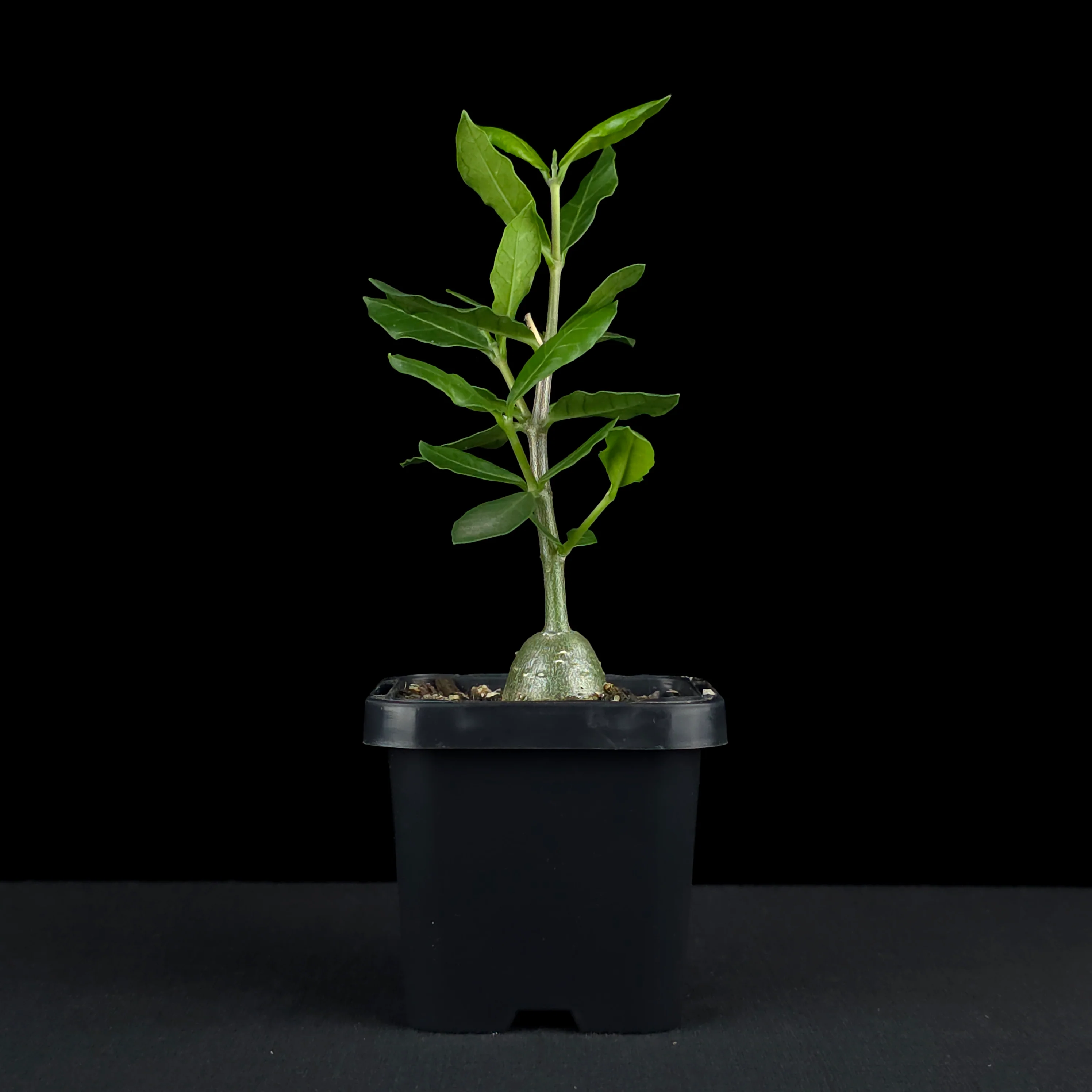
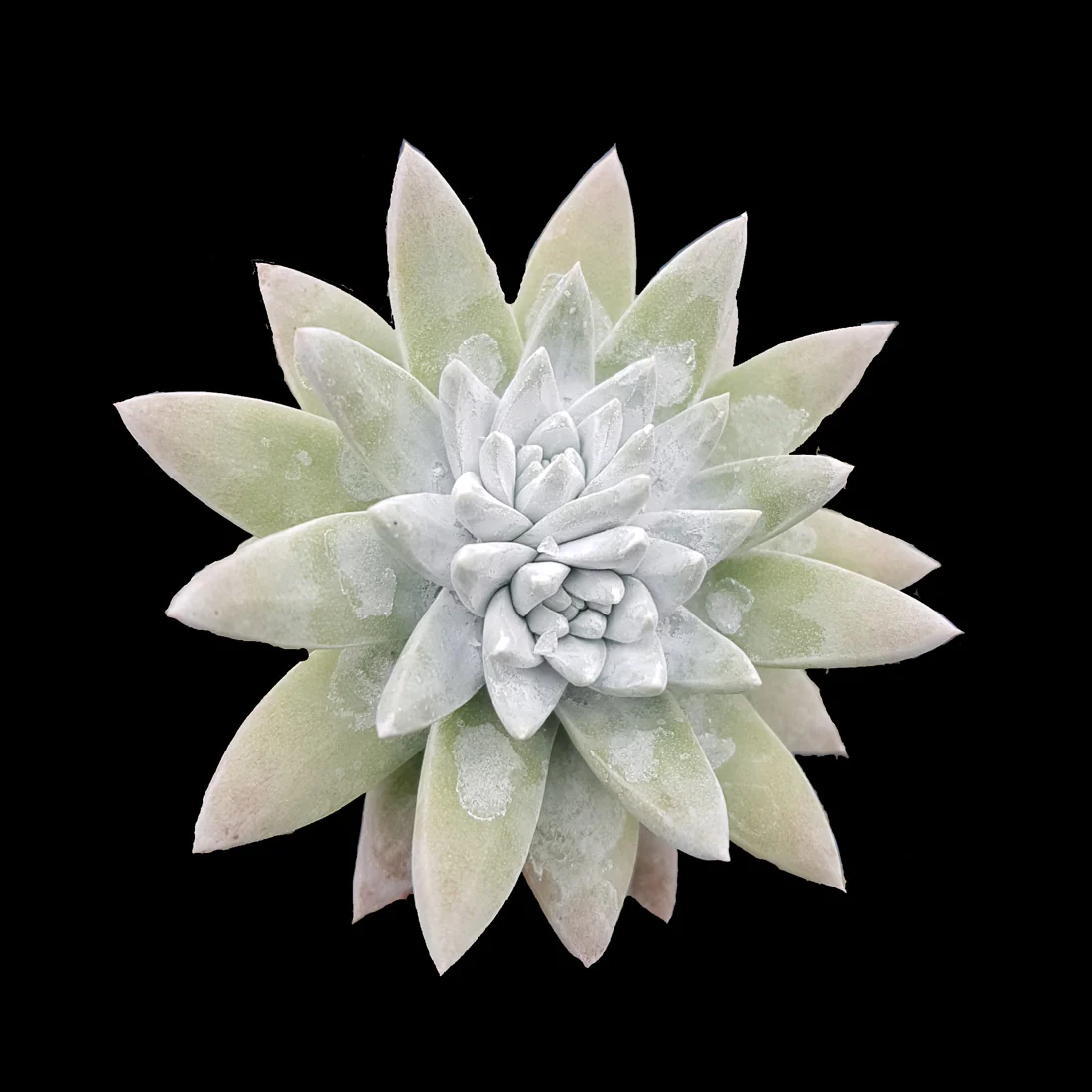
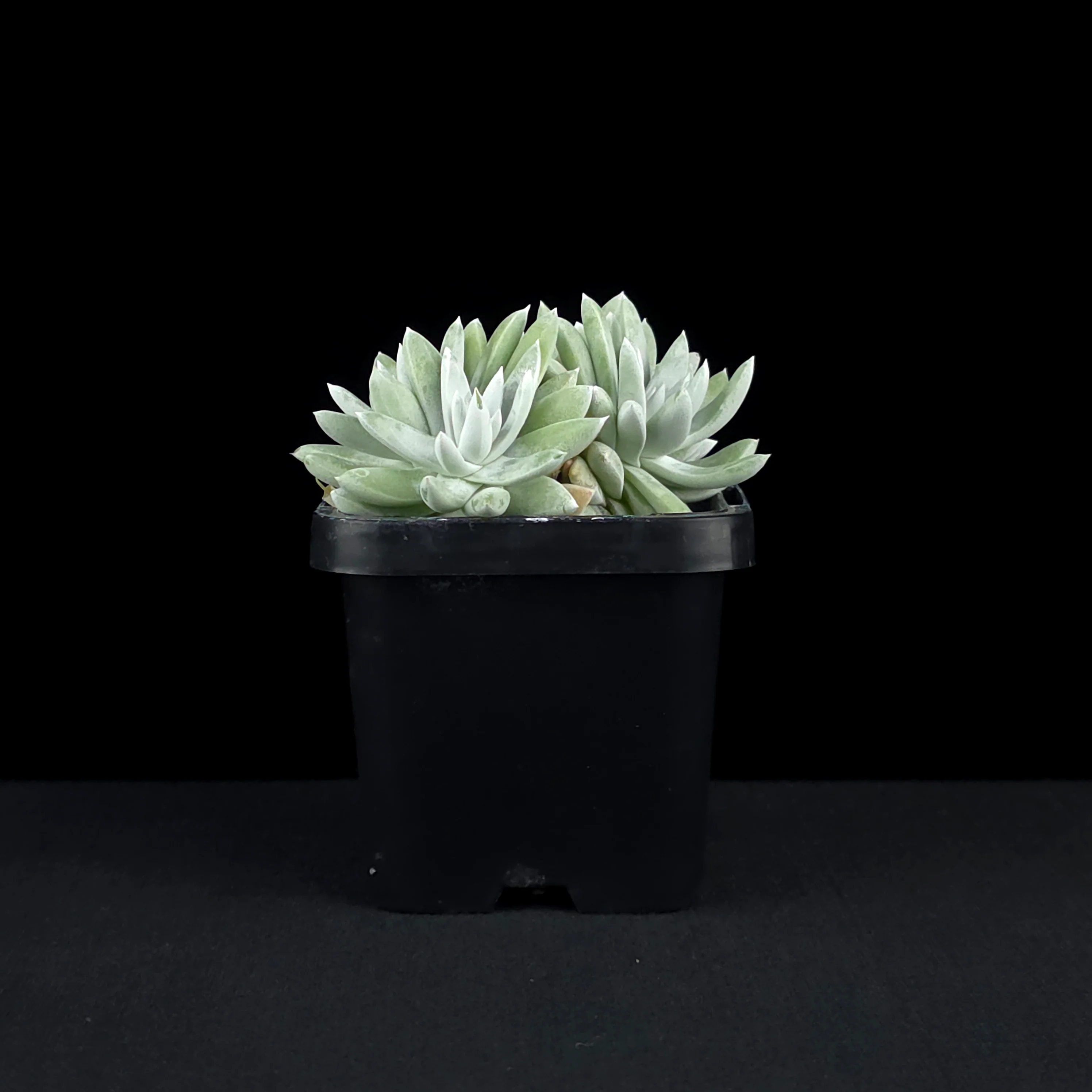
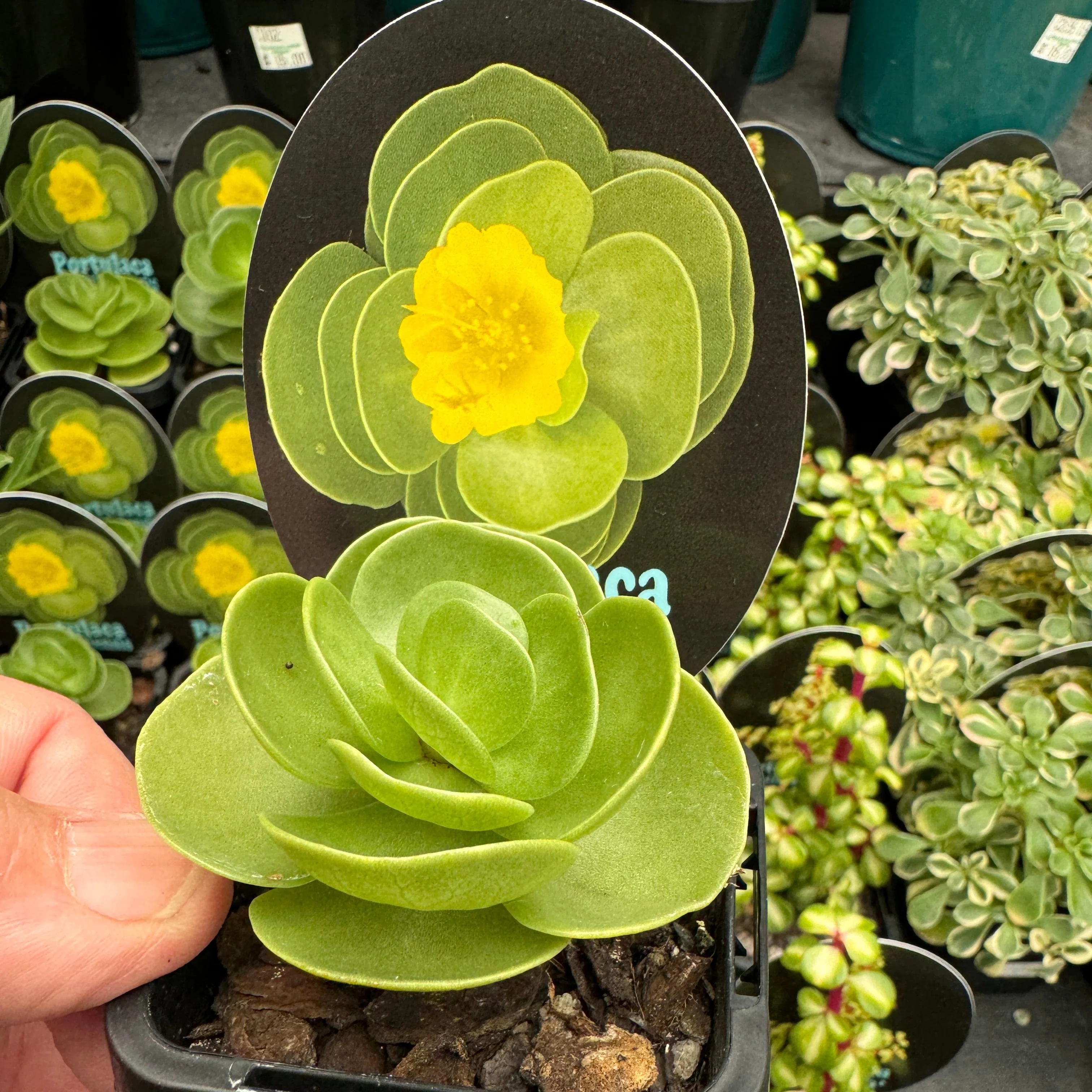
This plant forms an upright, compact shrub branching from the base, typically reaching 30-50 cm tall. Stems are stout, often around 2 cm in diameter, with smooth, rounded, pale-green leaves arranged in neat vertical rows, clustering toward the tips. In older plants, the base may develop a woody or thickened caudex, especially in seed-grown specimens.
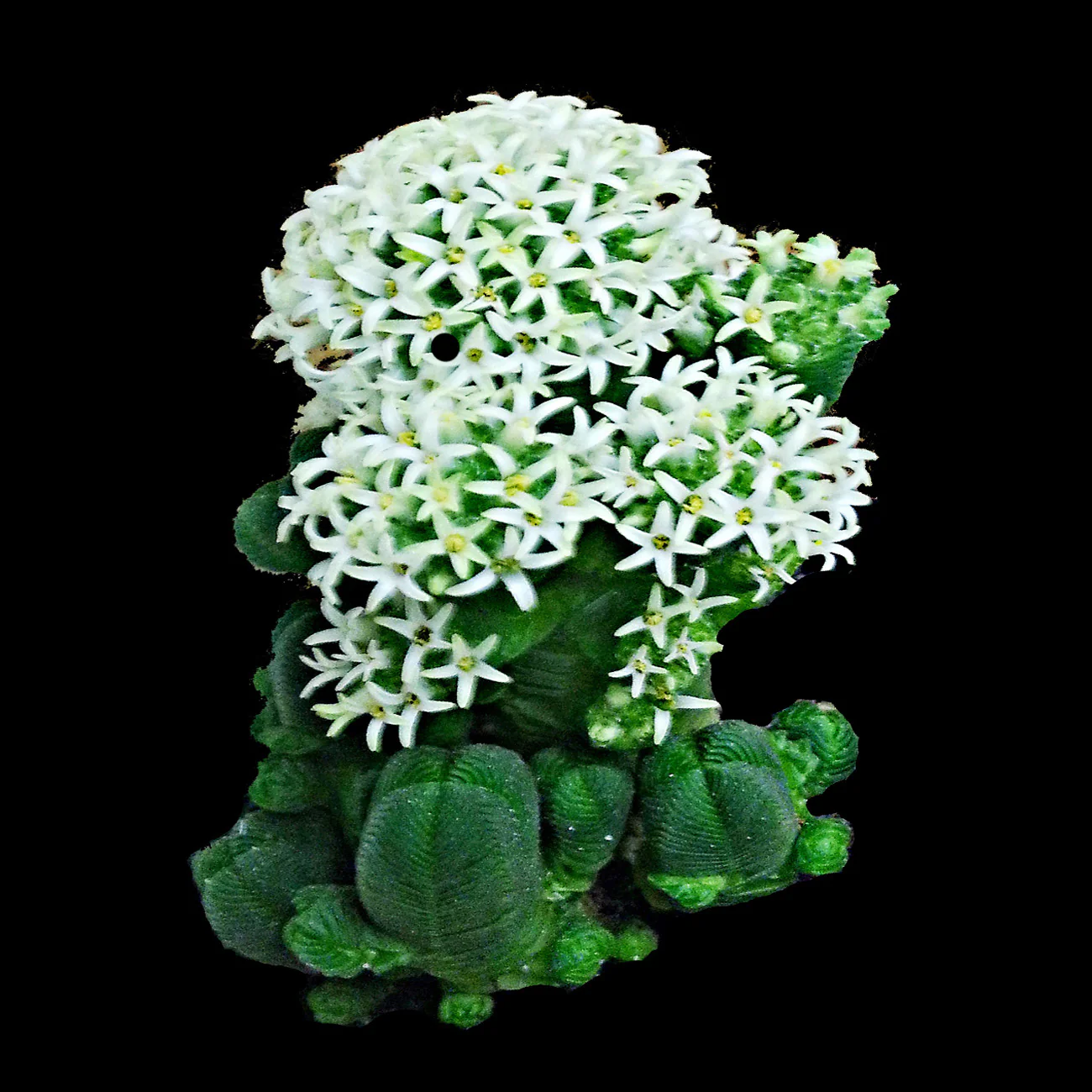
Flowering occurs periodically in warm weather, producing small, bright yellow, cup-shaped blooms from the leaf rosettes. These open during sunny conditions and close at night or in shade. Seed capsules follow, releasing tiny dark seeds adapted to the plant's arid, exposed native habitat.
Care Tips:
- Light: Full sun is essential for healthy growth and flowering.
- Water: Water sparingly; allow the soil to dry completely between waterings.
- Media: Use a very free-draining, gritty mix to replicate native rocky soils.
- Fertiliser: Apply a diluted low-nitrogen fertiliser during active growth in spring and summer.
- Temperature: Prefers warm conditions between 15 °C and 31 °C; protect from frost.
- Repotting: Repot only when necessary, using a pot just larger than the root ball.
Additional Notes:
- Known to be toxic
Original: $10.00
-65%$10.00
$3.50More Images
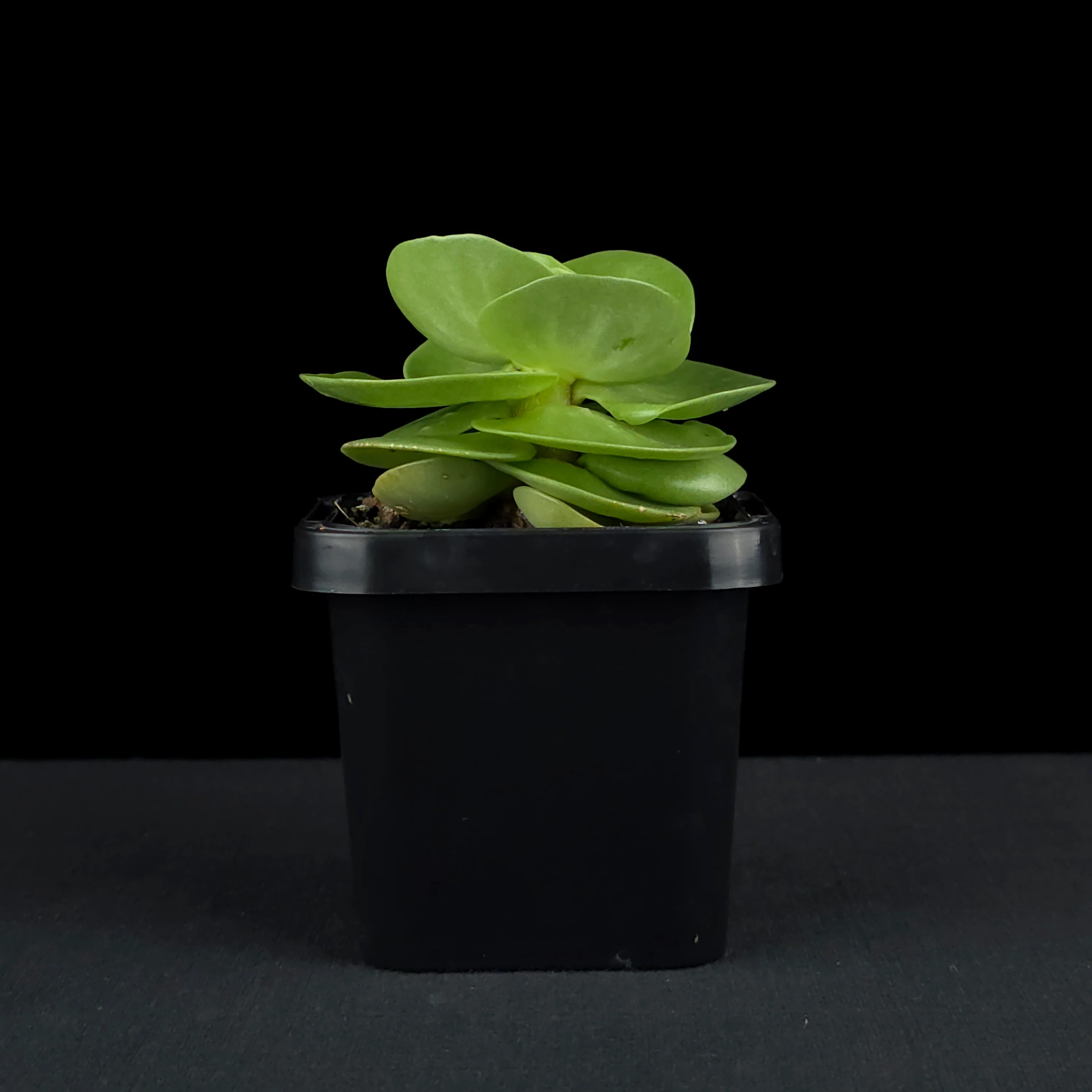
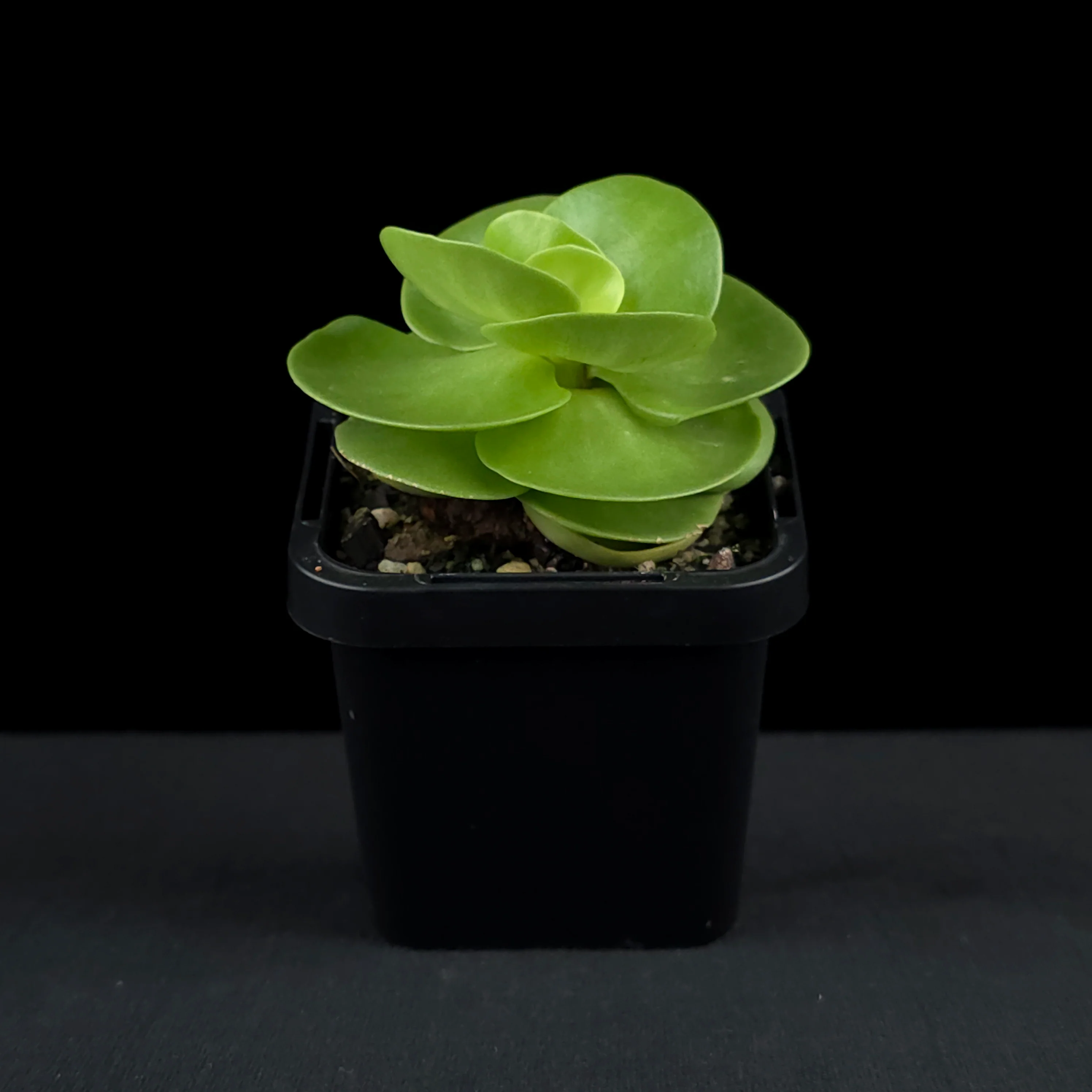
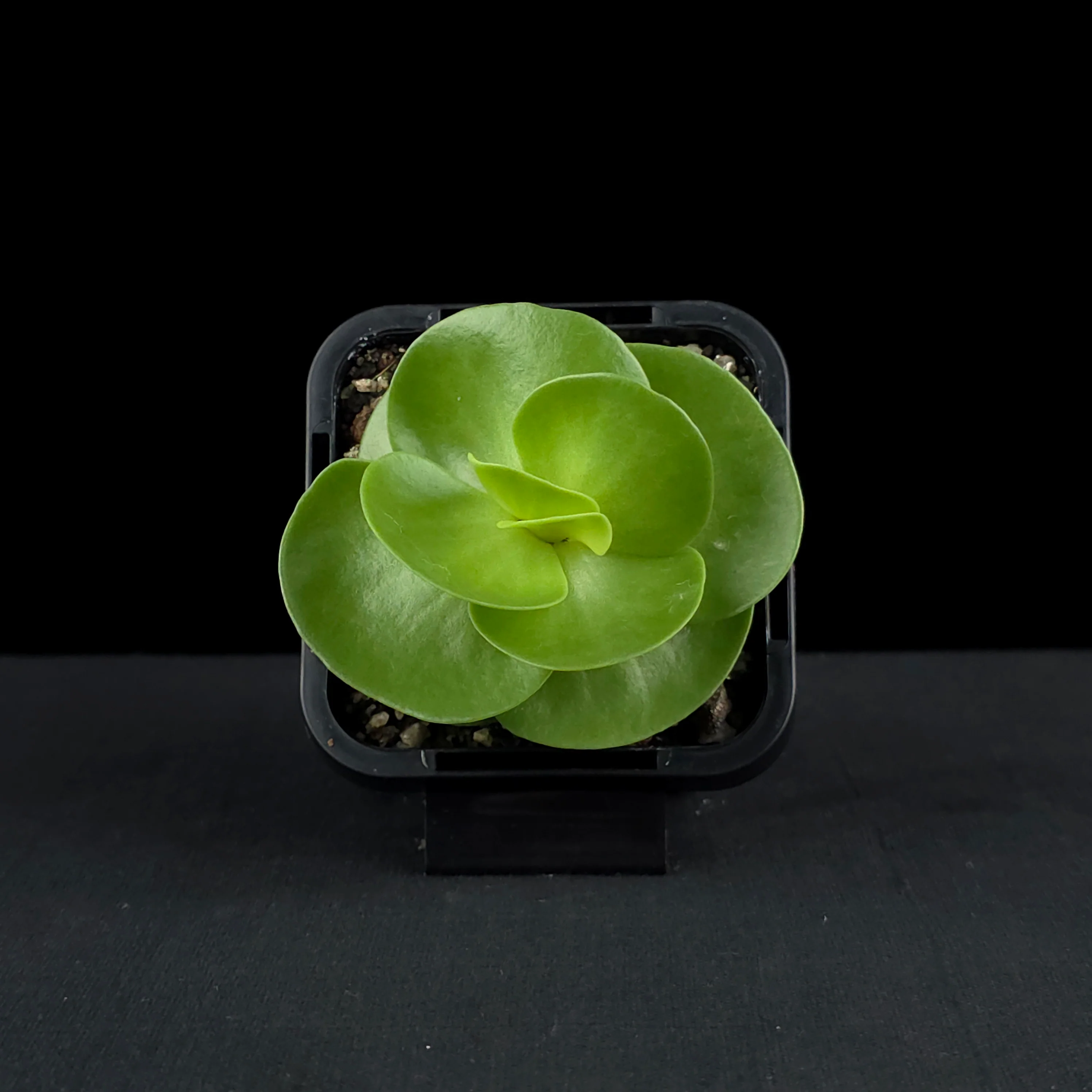
Portulaca molokiniensis 'Hawaiian Portulaca'
Portulaca molokiniensis, known in Hawaiian as ʻihi or Hawaiian Portulaca, is a succulent species endemic to the Hawaiian islands of Molokini, Puʻukoaʻe, and Kahoʻolawe. It inhabits dry coastal volcanic slopes, tuff outcrops, and rocky scree in low-elevation, rain-shadow zones. In these environments, it survives intense sun, limited moisture, and salty winds.
This plant forms an upright, compact shrub branching from the base, typically reaching 30-50 cm tall. Stems are stout, often around 2 cm in diameter, with smooth, rounded, pale-green leaves arranged in neat vertical rows, clustering toward the tips. In older plants, the base may develop a woody or thickened caudex, especially in seed-grown specimens.
Flowering occurs periodically in warm weather, producing small, bright yellow, cup-shaped blooms from the leaf rosettes. These open during sunny conditions and close at night or in shade. Seed capsules follow, releasing tiny dark seeds adapted to the plant's arid, exposed native habitat.
Care Tips:
- Light: Full sun is essential for healthy growth and flowering.
- Water: Water sparingly; allow the soil to dry completely between waterings.
- Media: Use a very free-draining, gritty mix to replicate native rocky soils.
- Fertiliser: Apply a diluted low-nitrogen fertiliser during active growth in spring and summer.
- Temperature: Prefers warm conditions between 15 °C and 31 °C; protect from frost.
- Repotting: Repot only when necessary, using a pot just larger than the root ball.
Additional Notes:
- Known to be toxic
Product Information
Product Information
Shipping & Returns
Shipping & Returns
Description
Portulaca molokiniensis, known in Hawaiian as ʻihi or Hawaiian Portulaca, is a succulent species endemic to the Hawaiian islands of Molokini, Puʻukoaʻe, and Kahoʻolawe. It inhabits dry coastal volcanic slopes, tuff outcrops, and rocky scree in low-elevation, rain-shadow zones. In these environments, it survives intense sun, limited moisture, and salty winds.
This plant forms an upright, compact shrub branching from the base, typically reaching 30-50 cm tall. Stems are stout, often around 2 cm in diameter, with smooth, rounded, pale-green leaves arranged in neat vertical rows, clustering toward the tips. In older plants, the base may develop a woody or thickened caudex, especially in seed-grown specimens.
Flowering occurs periodically in warm weather, producing small, bright yellow, cup-shaped blooms from the leaf rosettes. These open during sunny conditions and close at night or in shade. Seed capsules follow, releasing tiny dark seeds adapted to the plant's arid, exposed native habitat.
Care Tips:
- Light: Full sun is essential for healthy growth and flowering.
- Water: Water sparingly; allow the soil to dry completely between waterings.
- Media: Use a very free-draining, gritty mix to replicate native rocky soils.
- Fertiliser: Apply a diluted low-nitrogen fertiliser during active growth in spring and summer.
- Temperature: Prefers warm conditions between 15 °C and 31 °C; protect from frost.
- Repotting: Repot only when necessary, using a pot just larger than the root ball.
Additional Notes:
- Known to be toxic