Monadenium stapelioides (WA Prohibited)
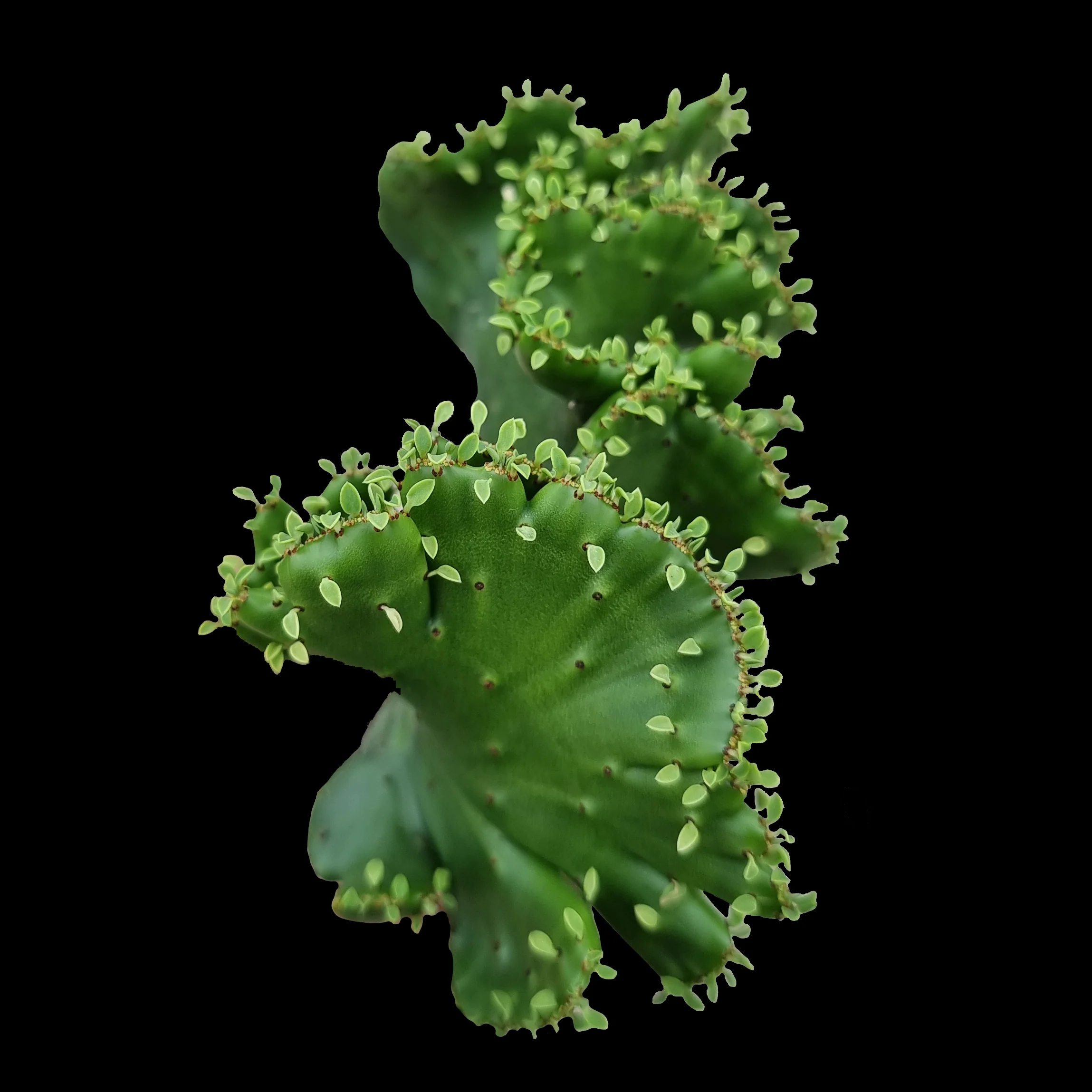
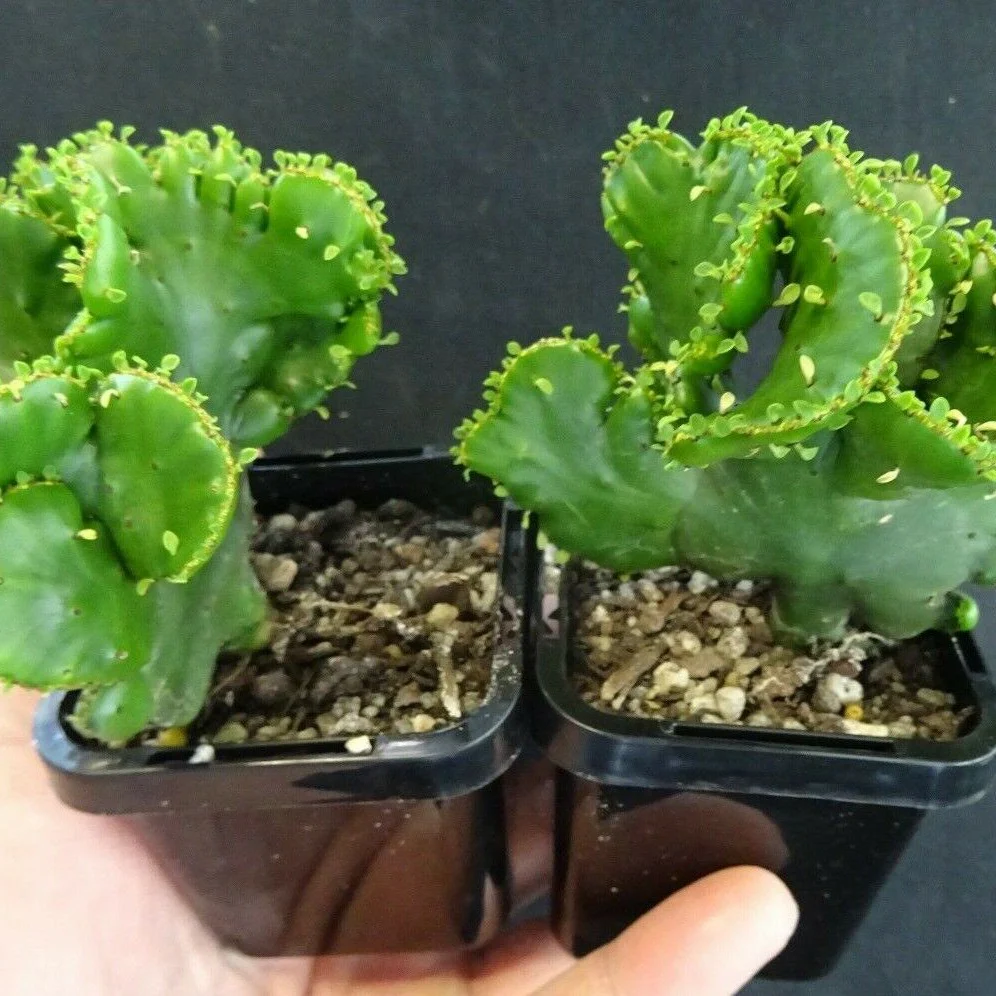
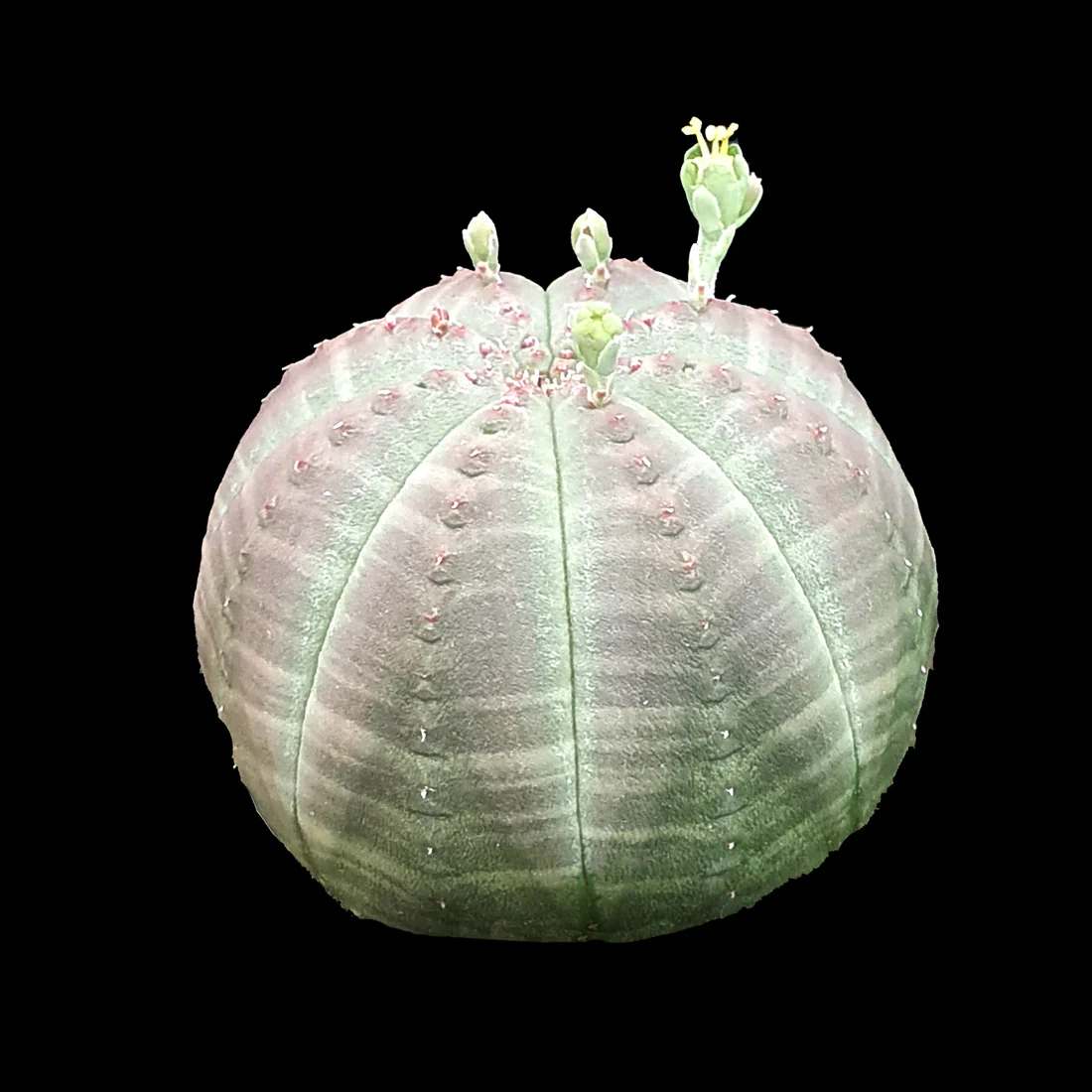
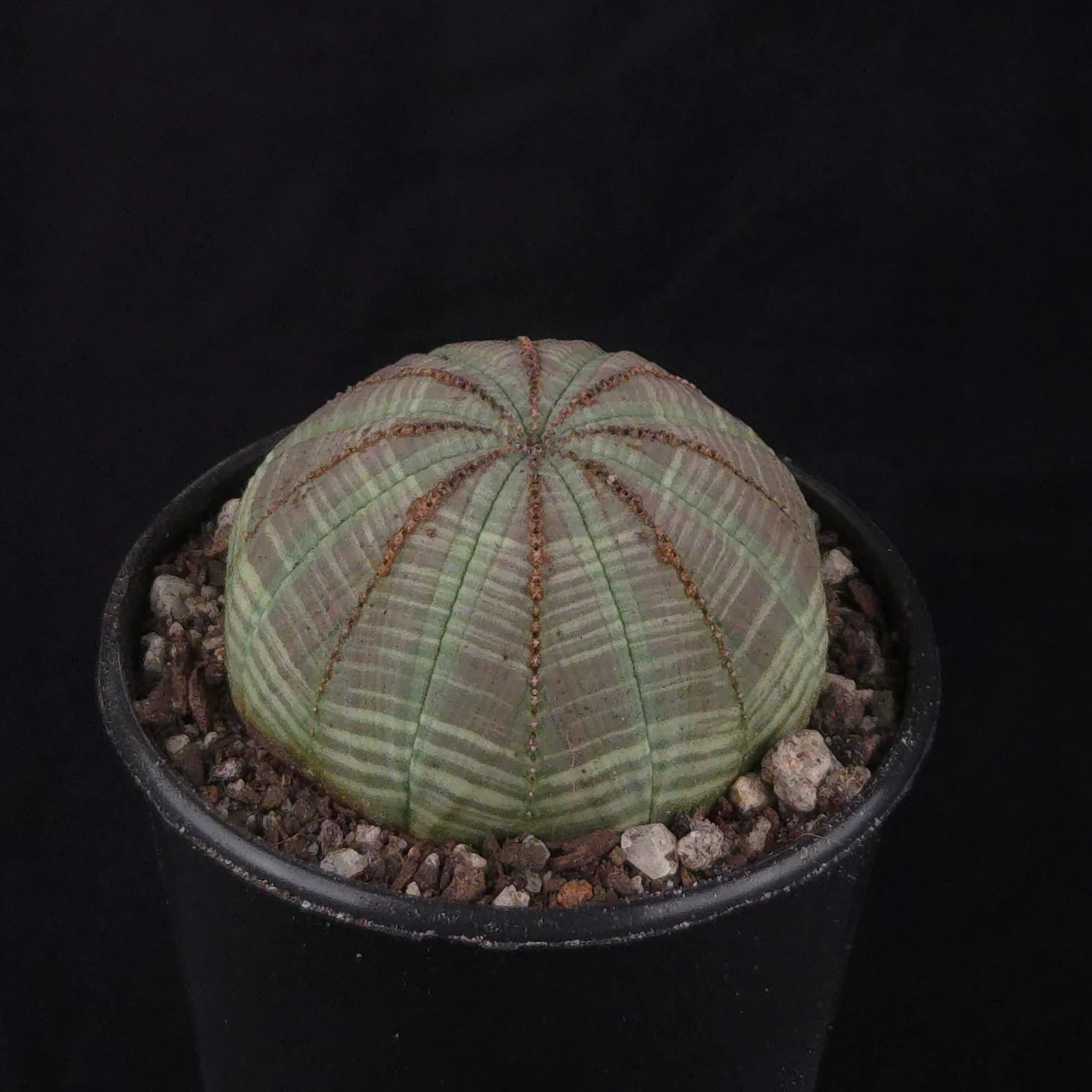
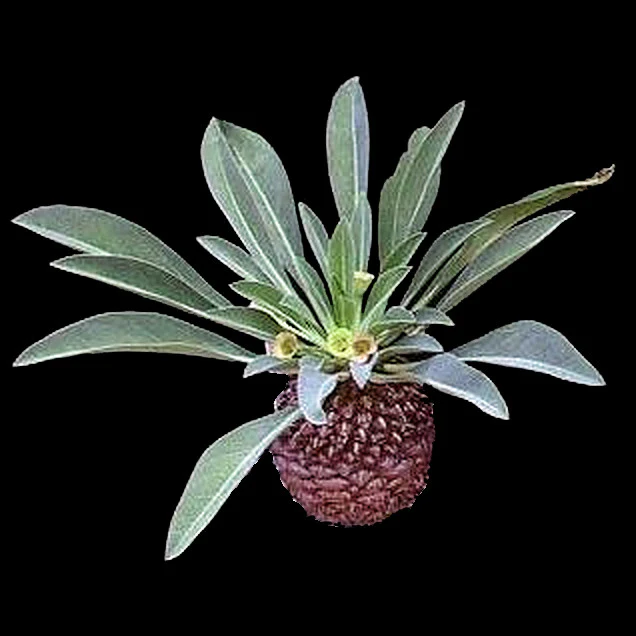
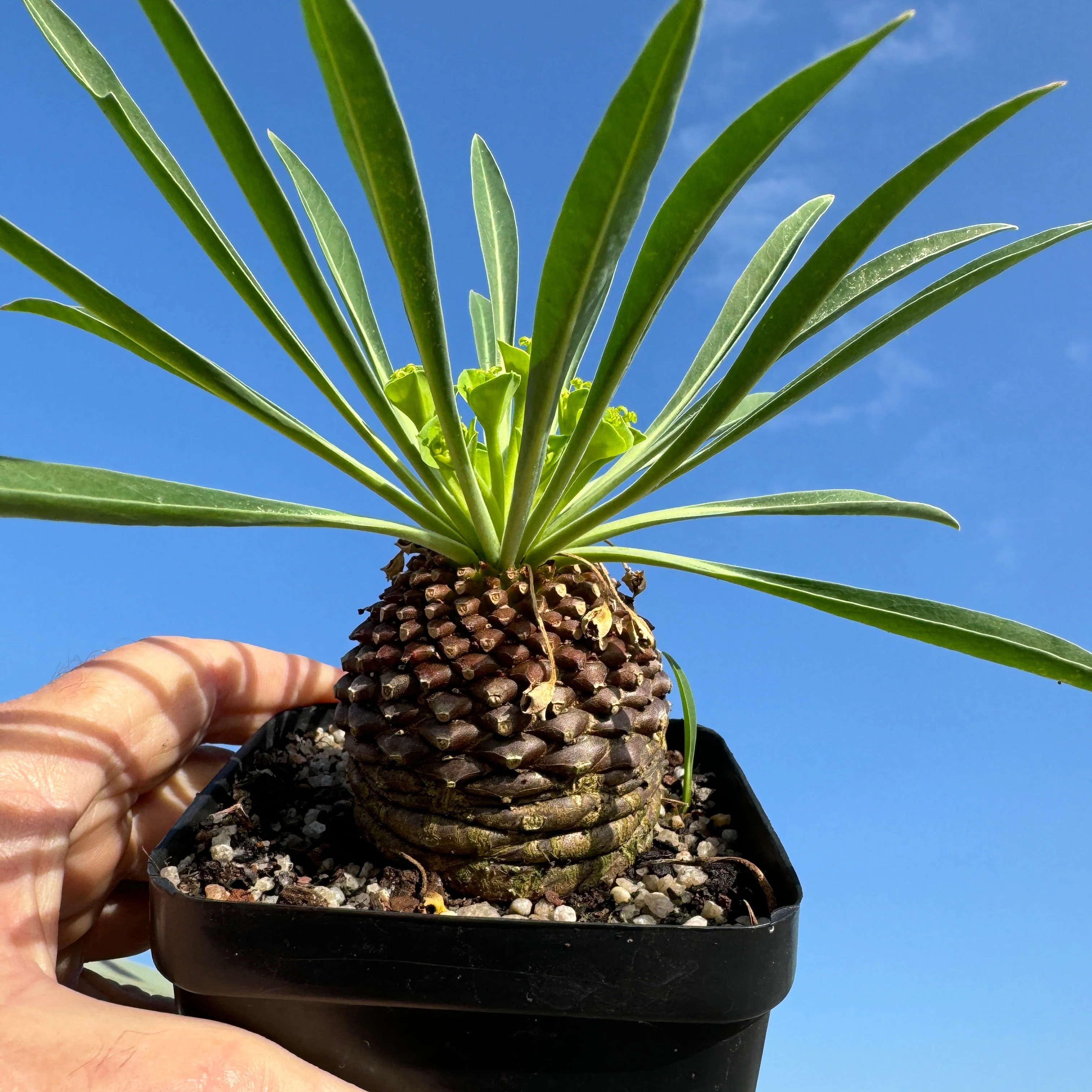
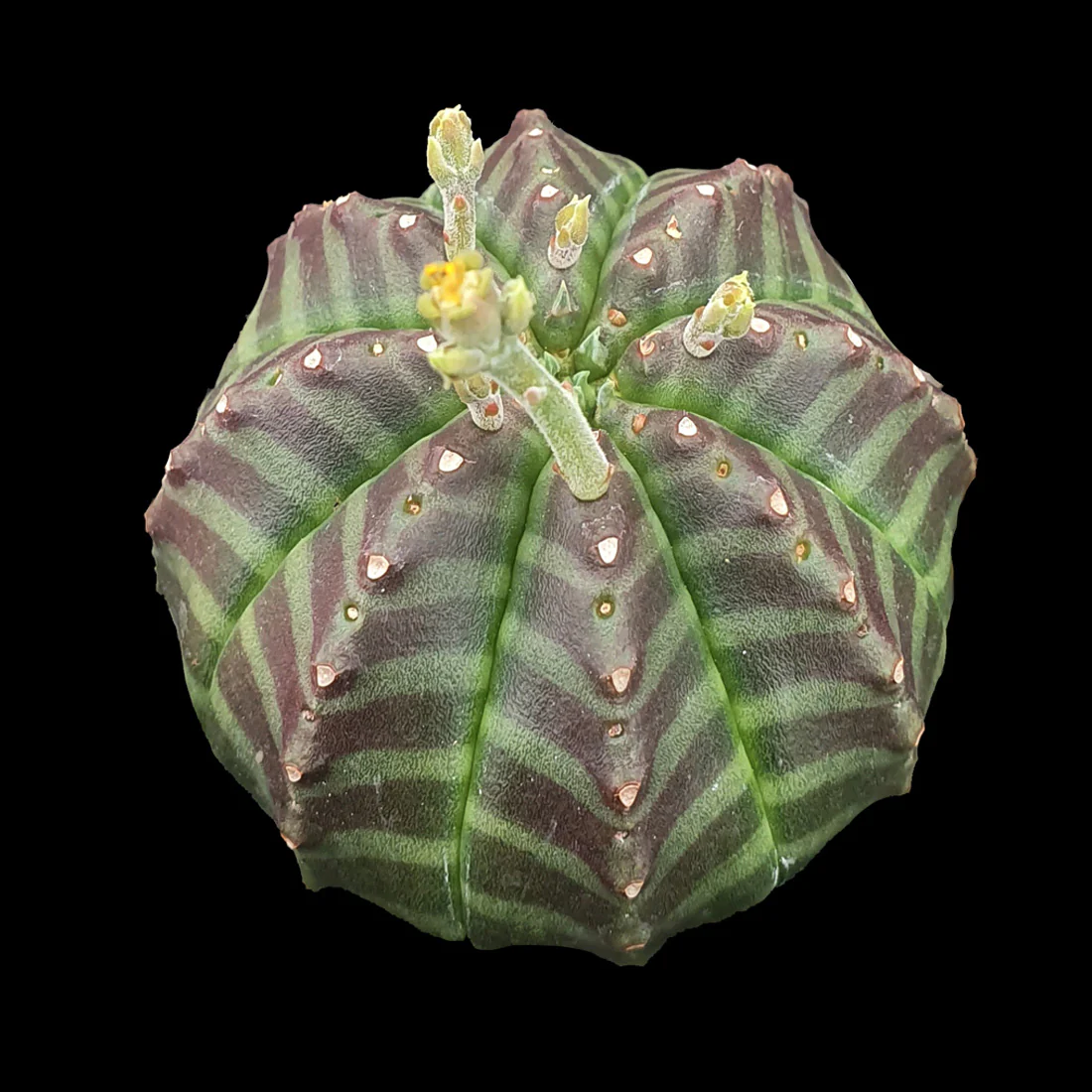
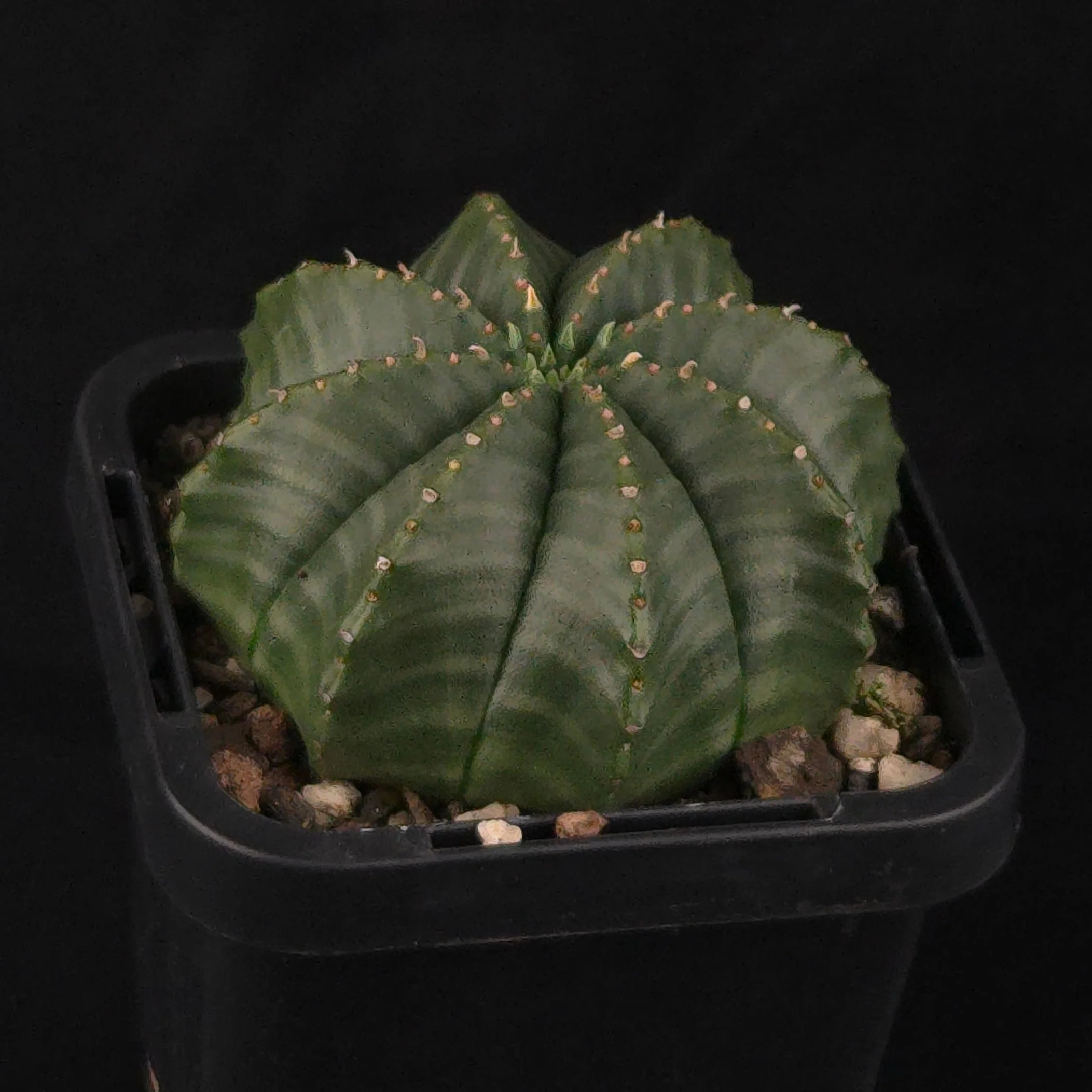
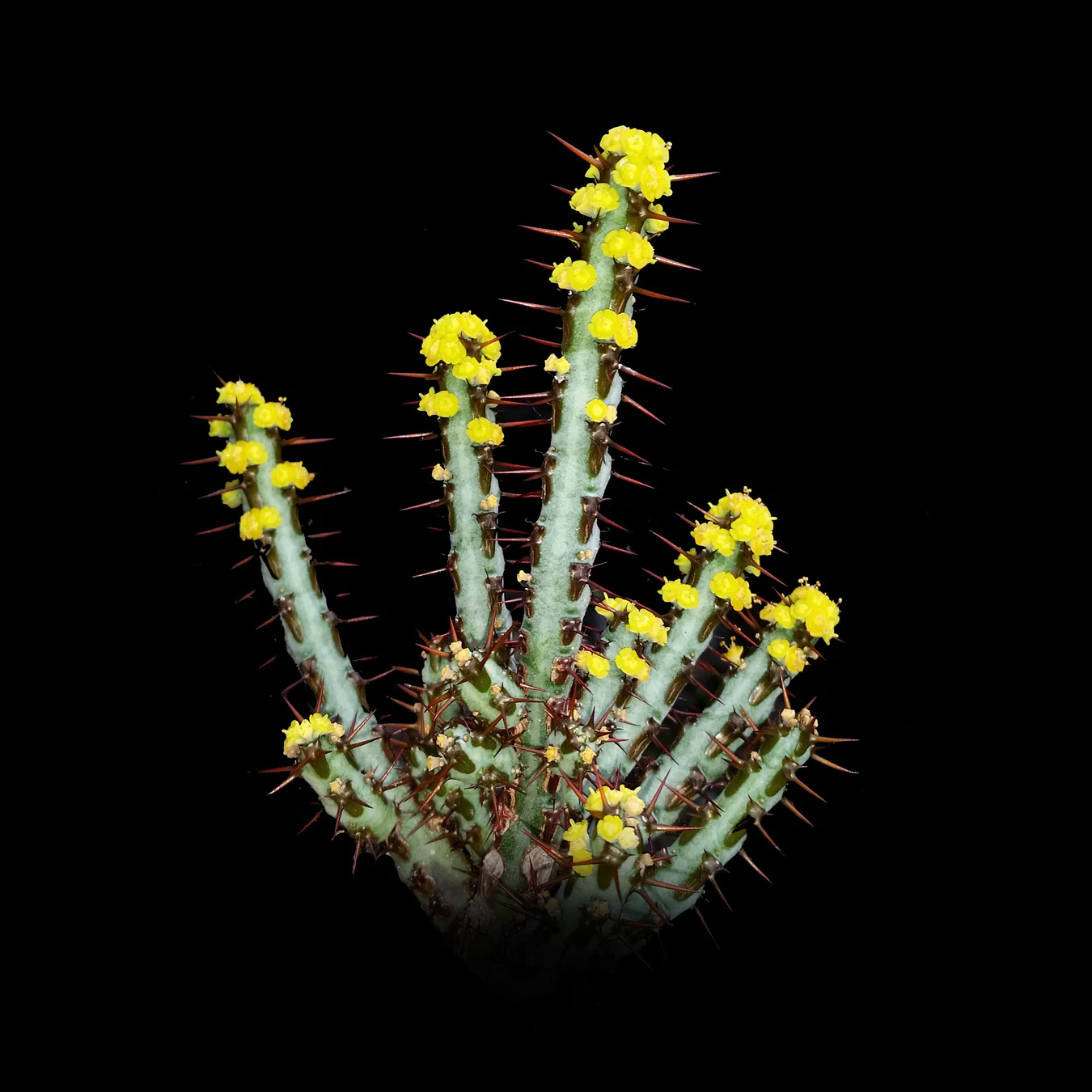
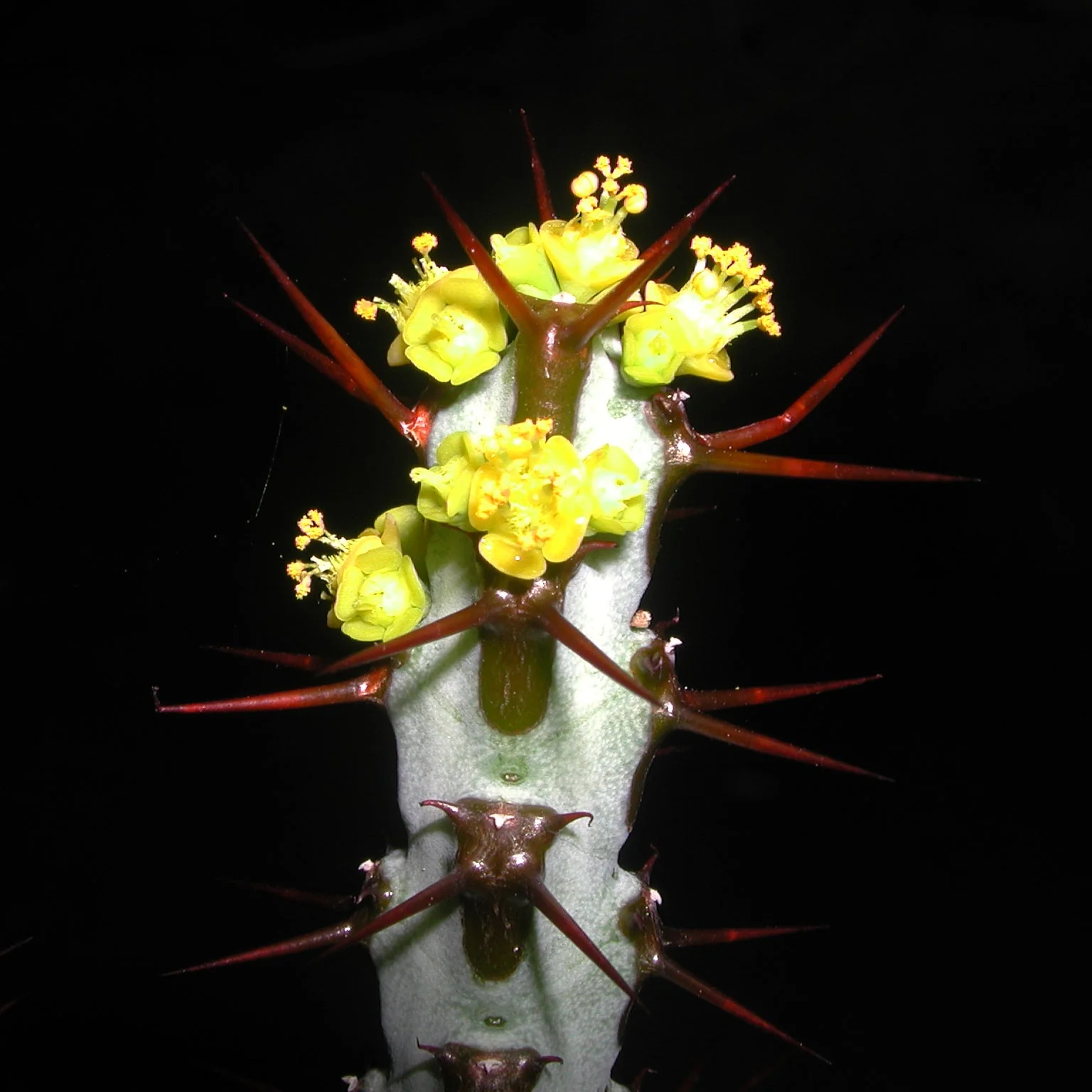
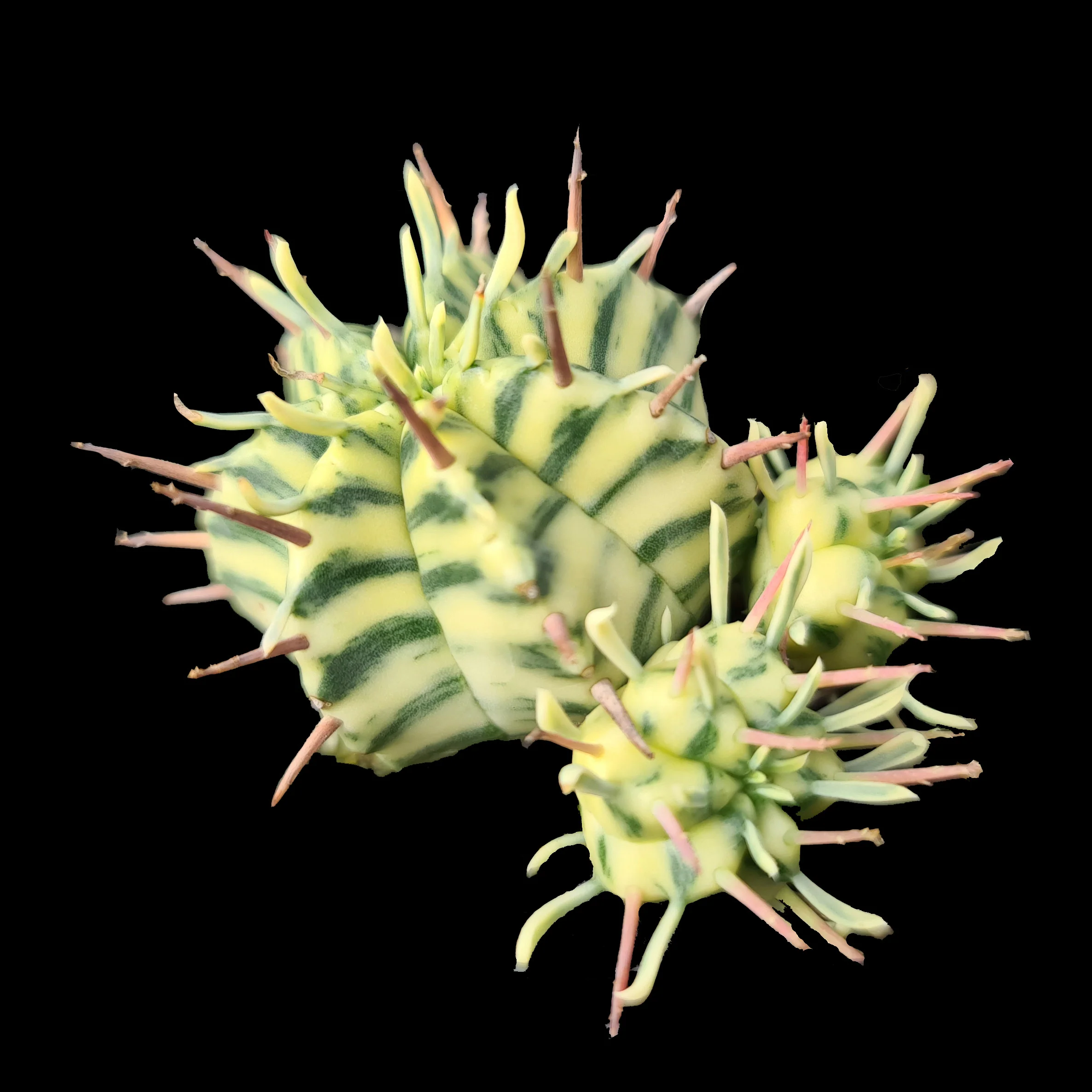
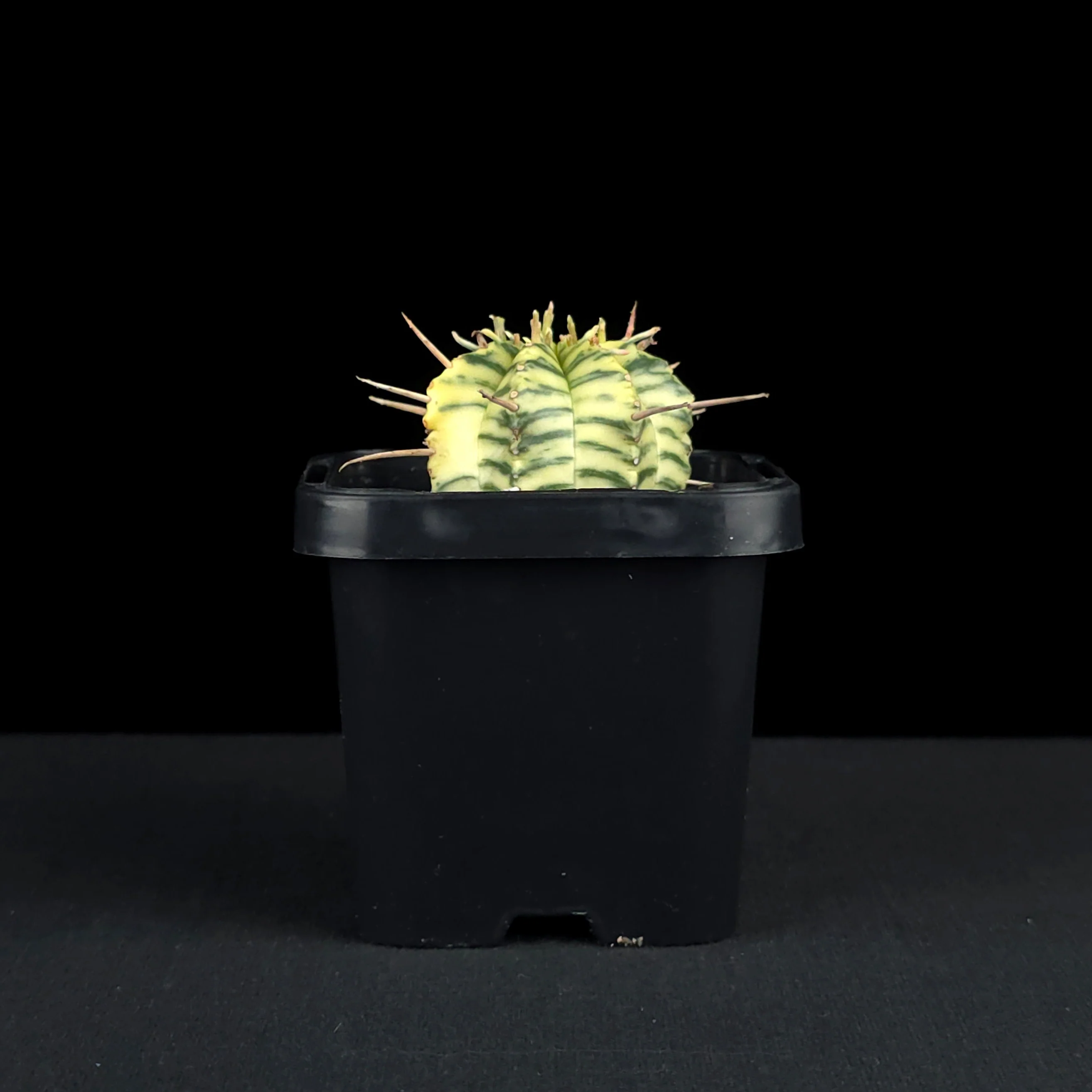
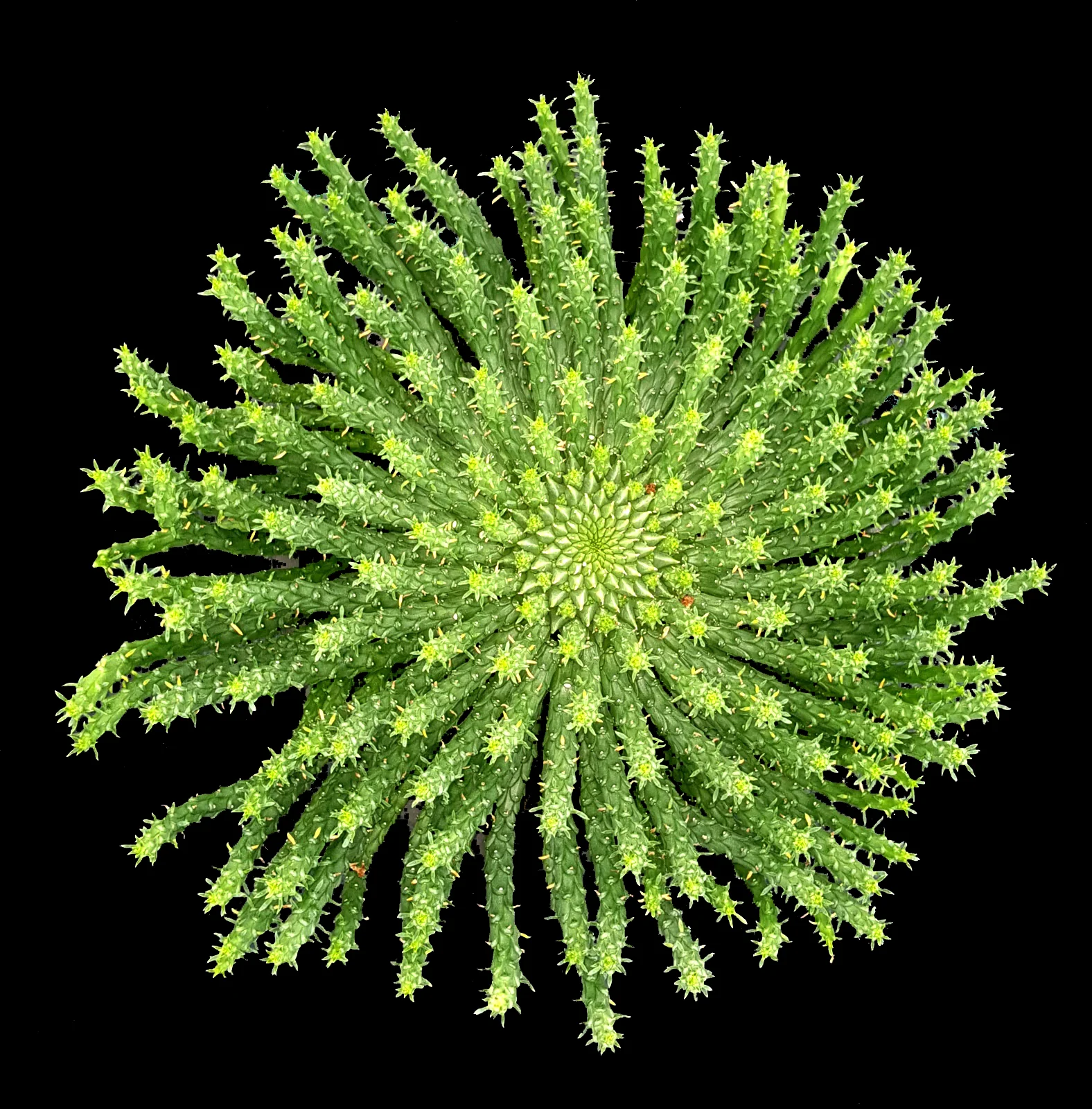
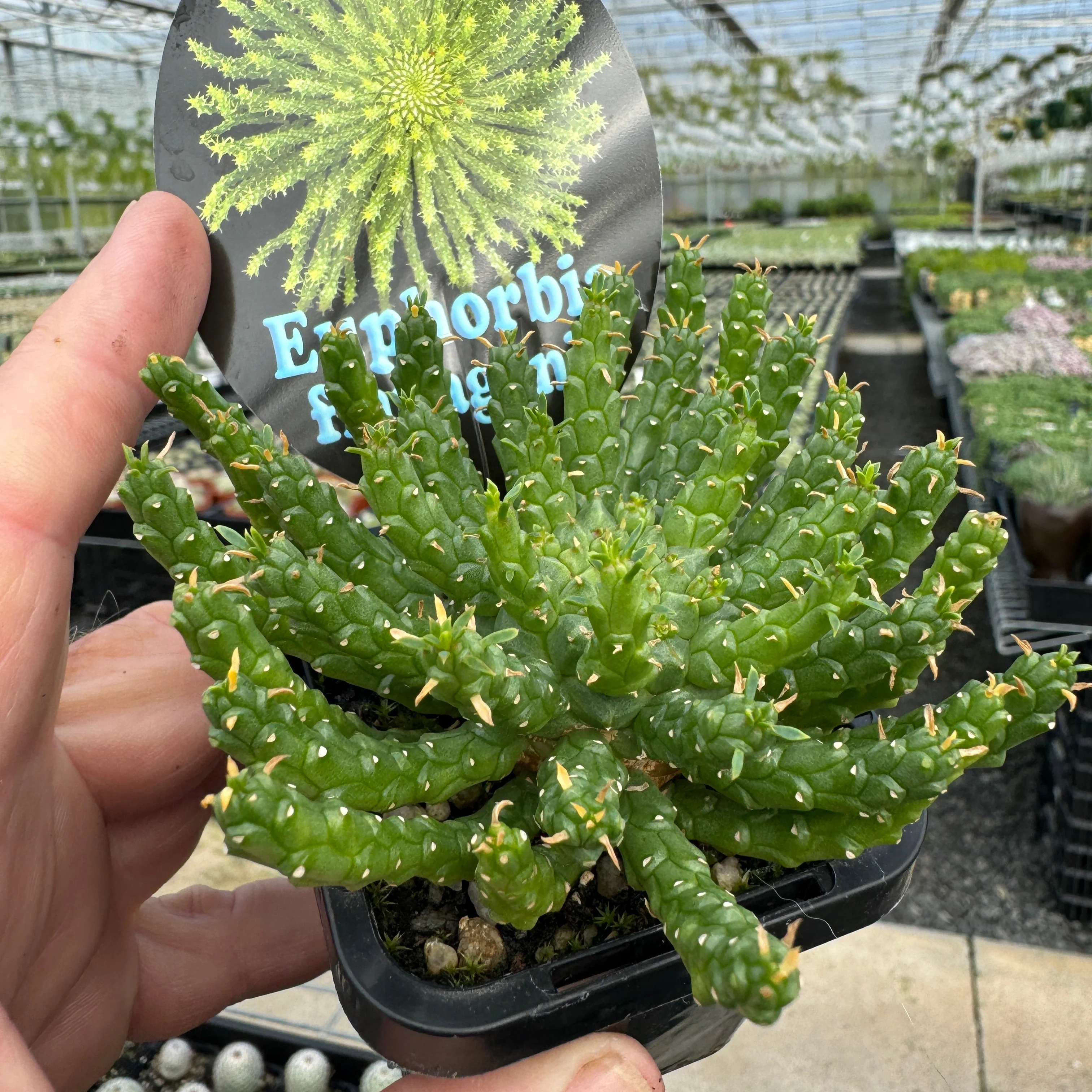
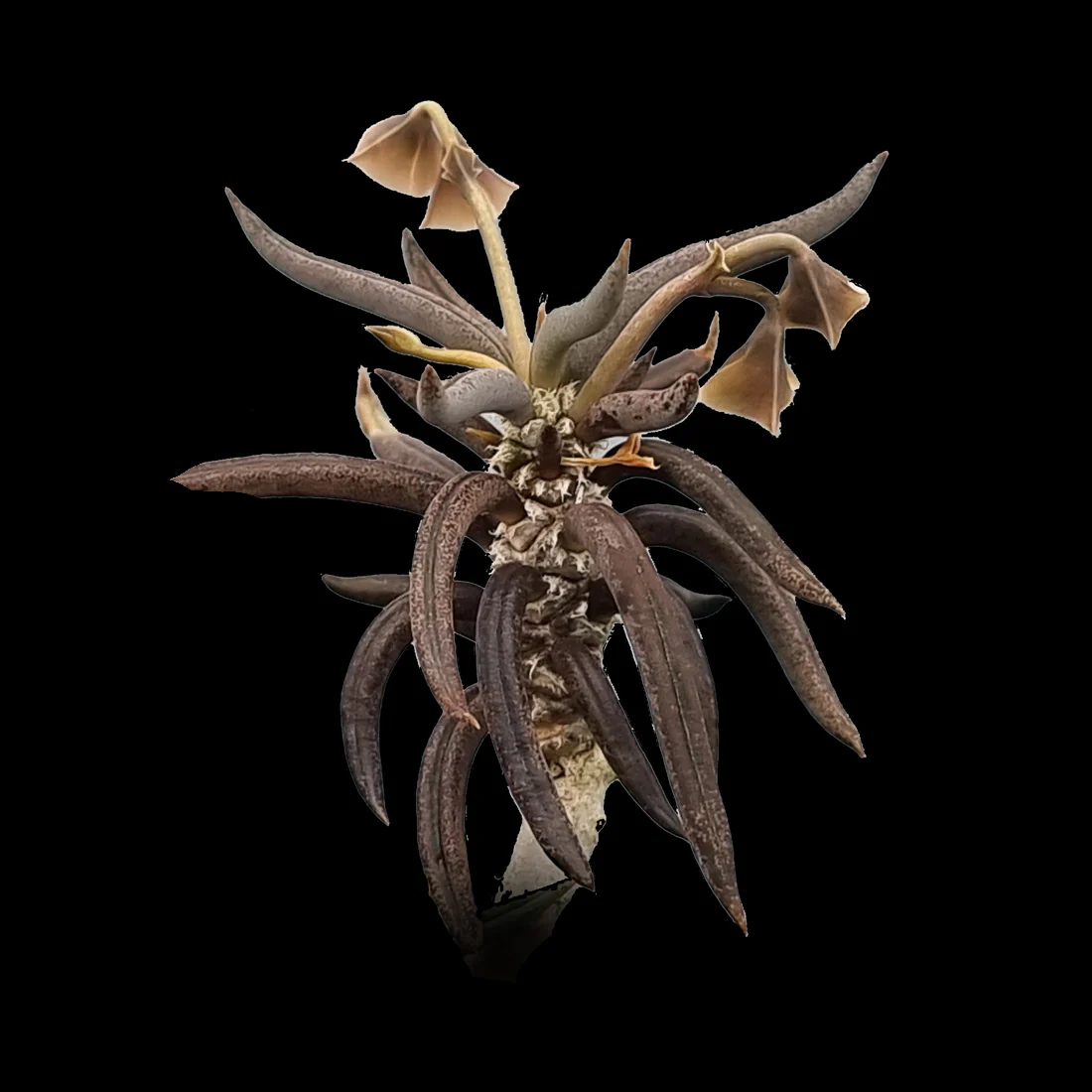
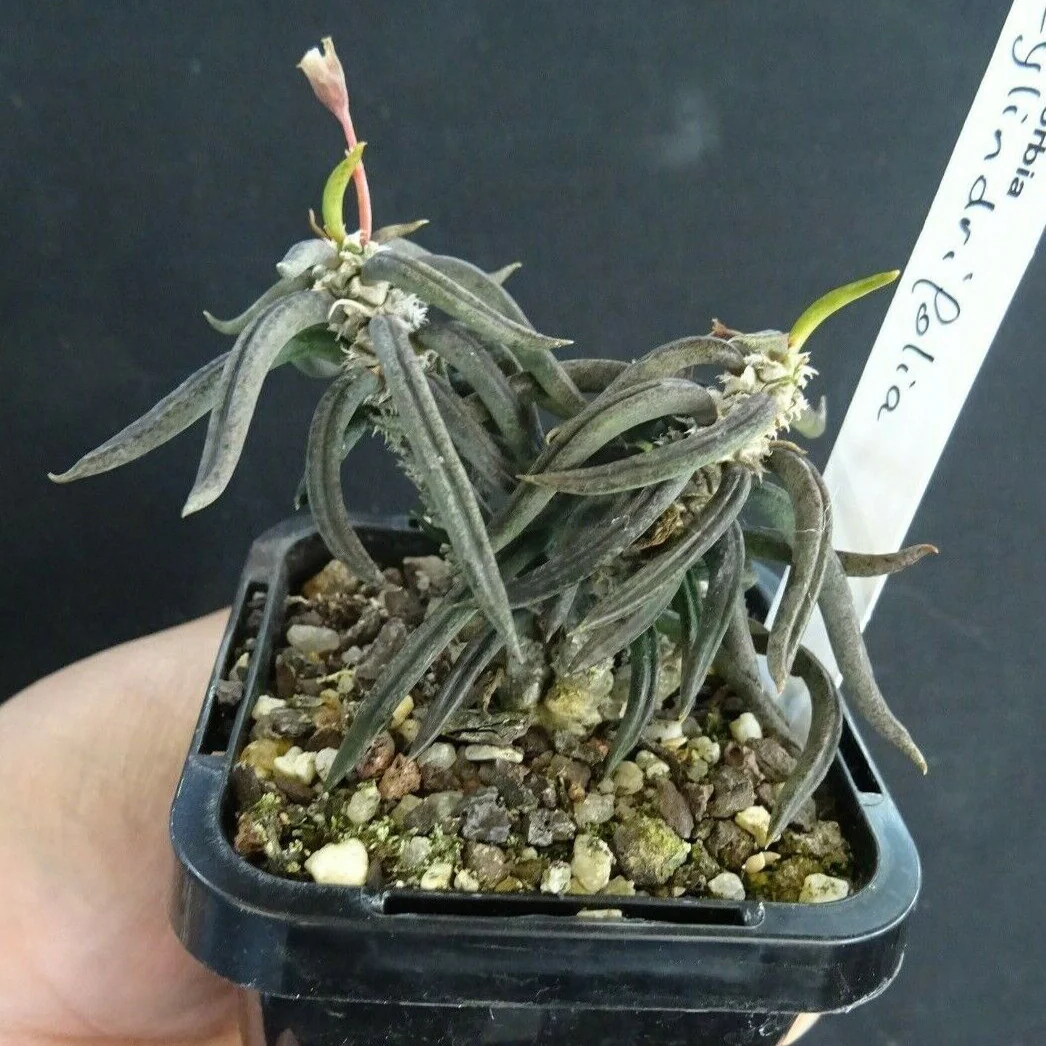
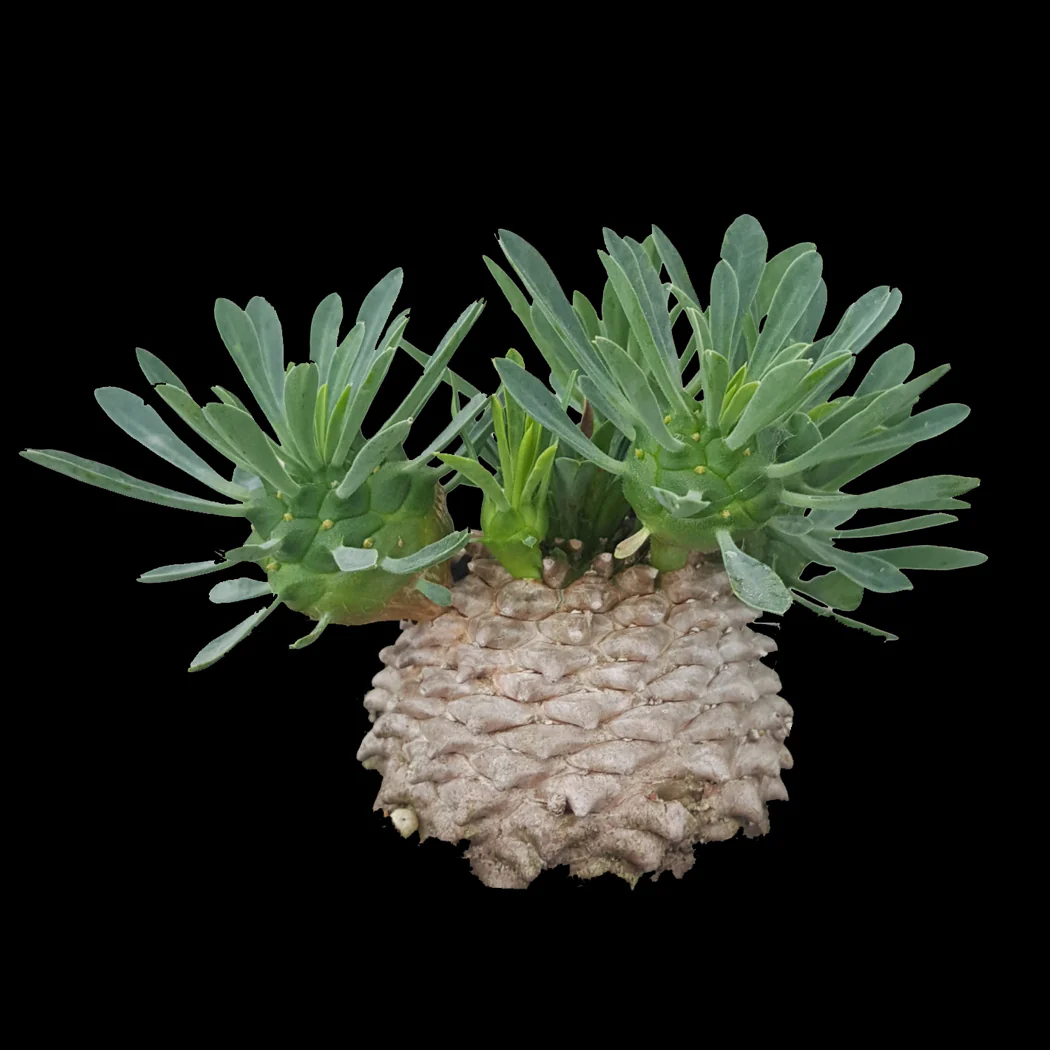
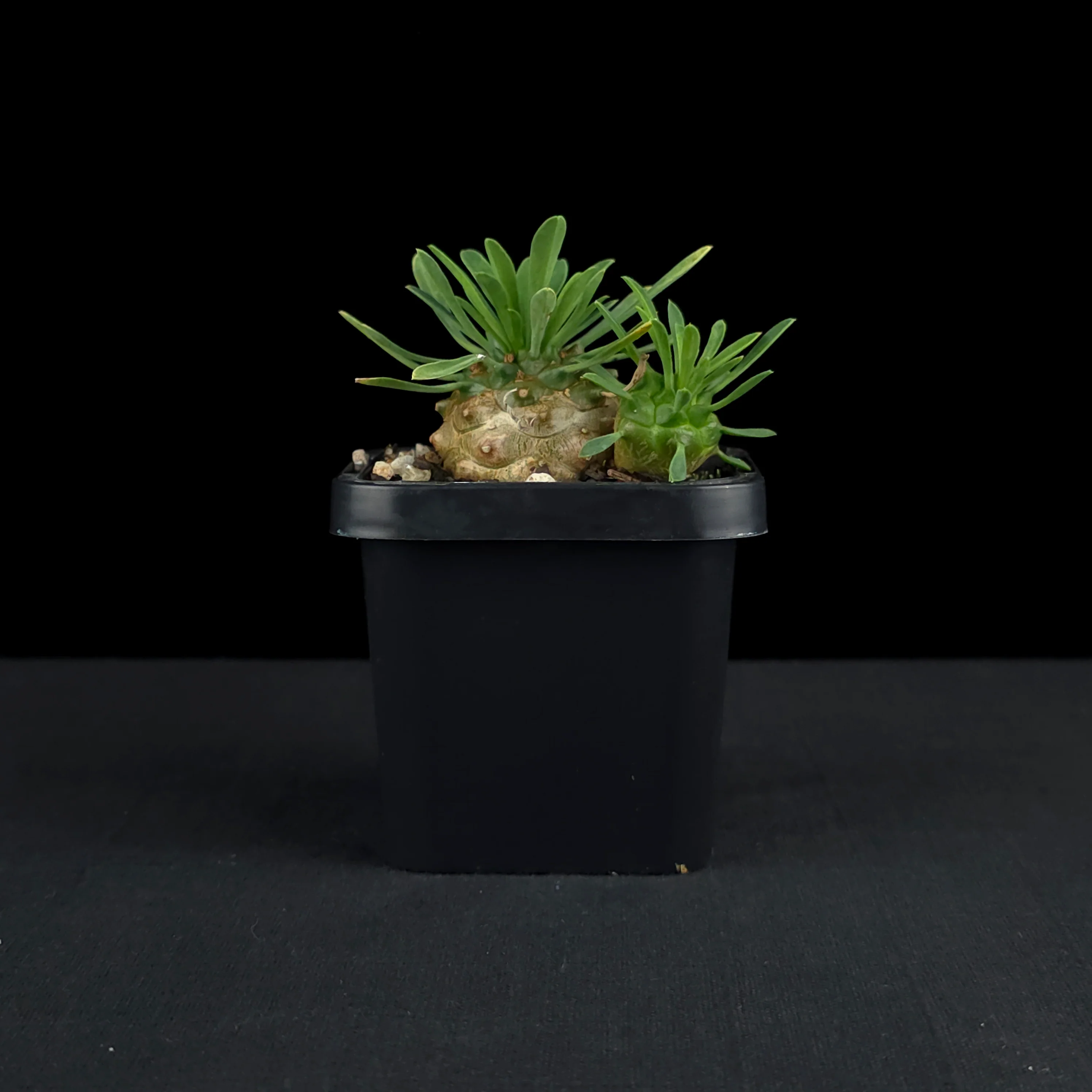
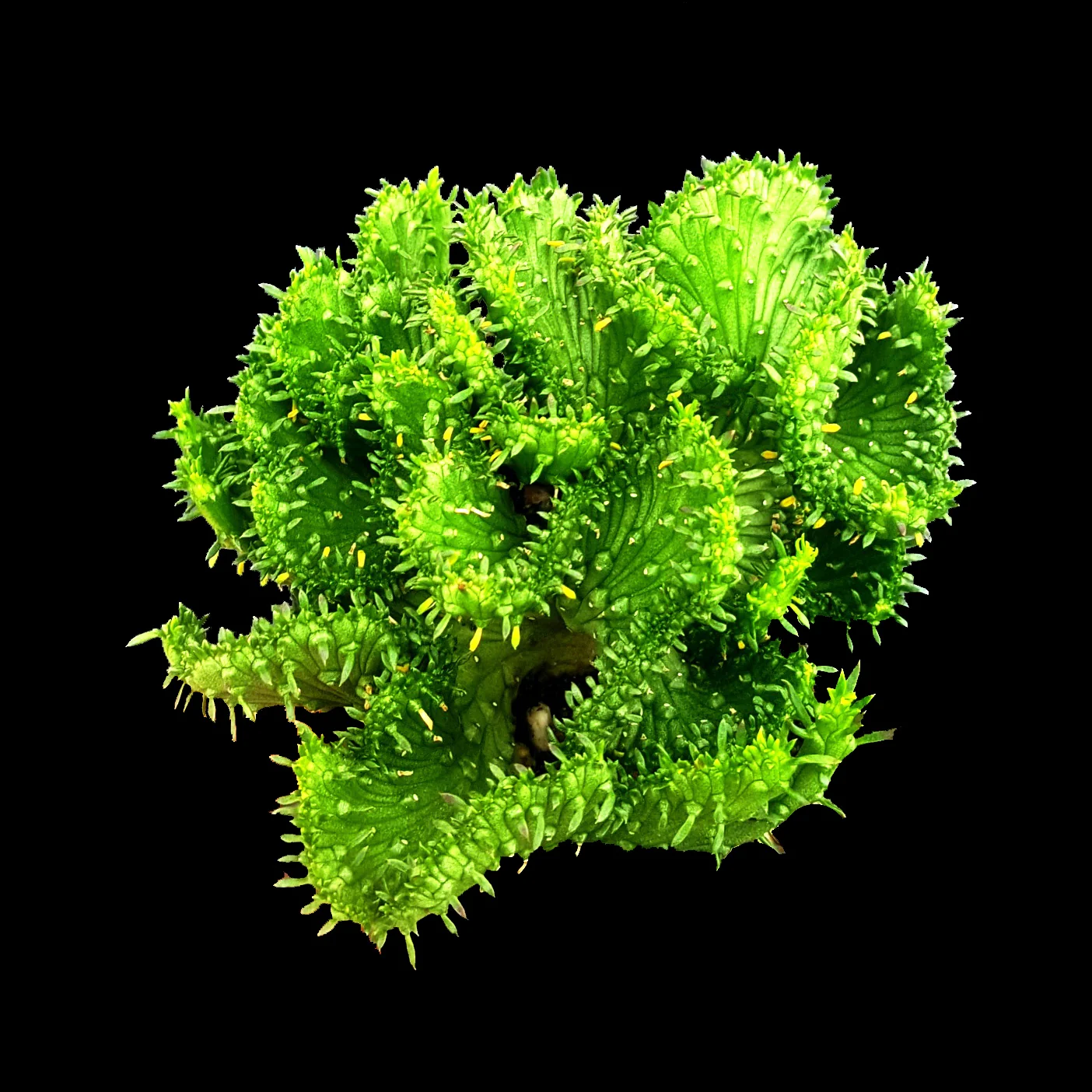
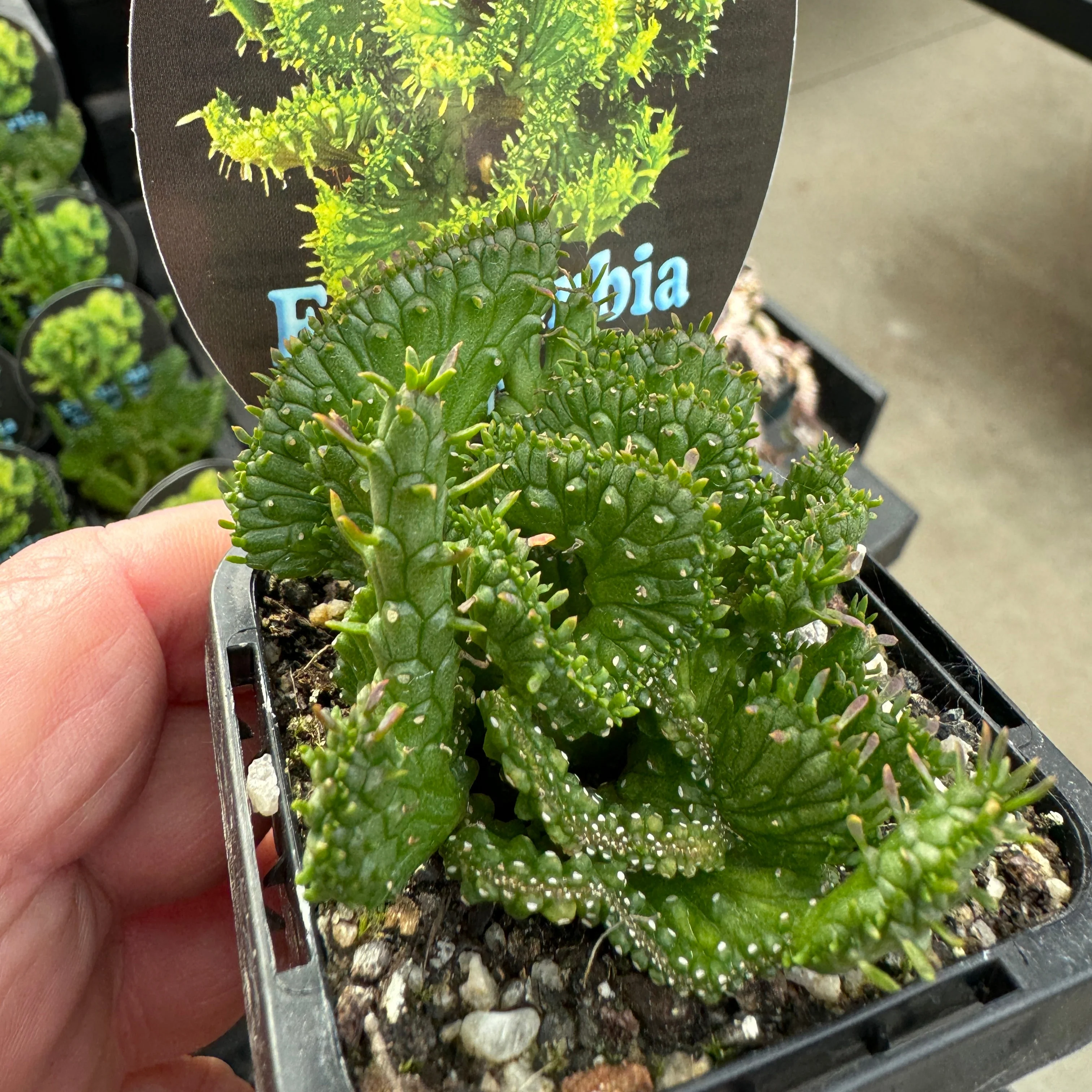
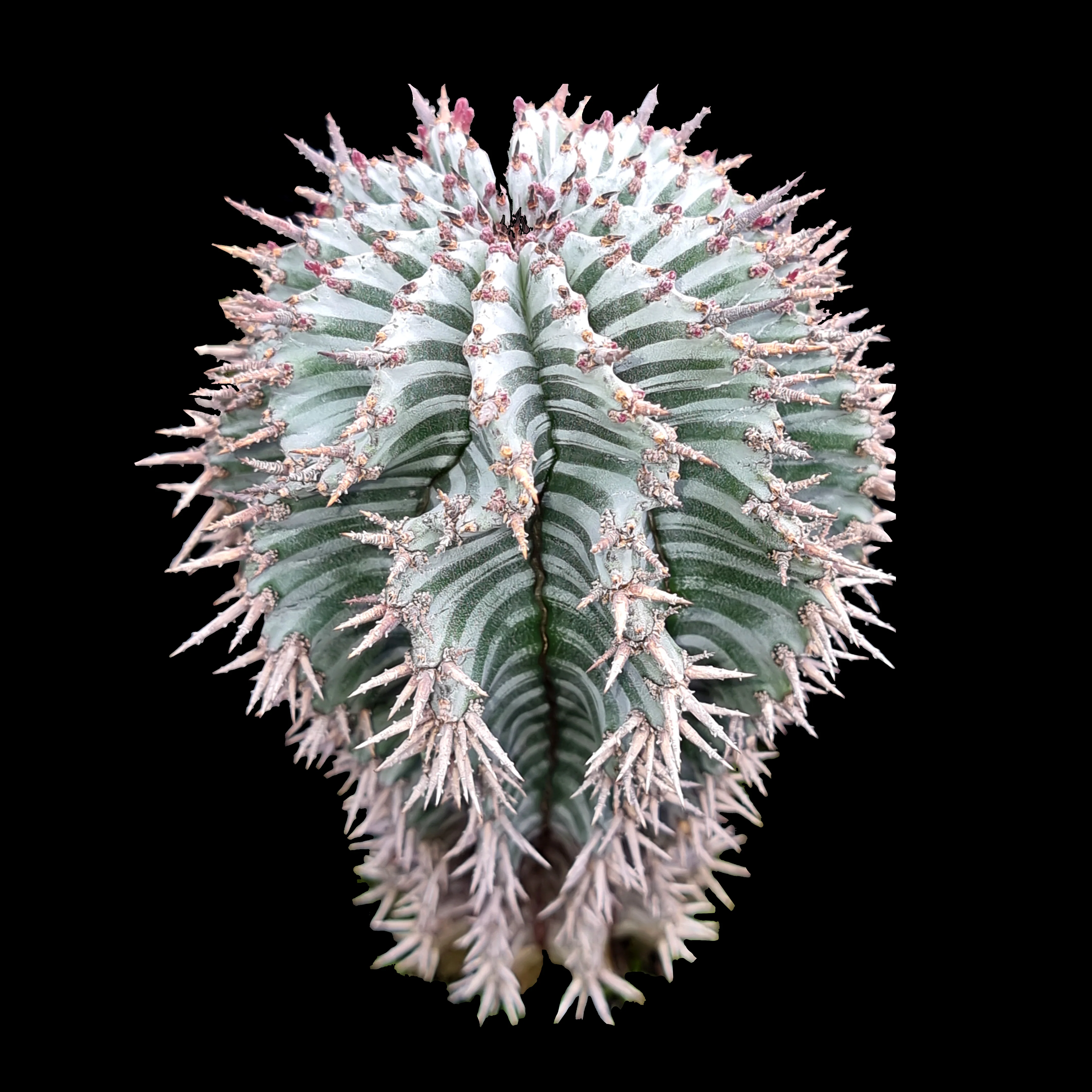
Monadenium stapelioides is a succulent species endemic to Tanzania and parts of Kenya, typically found in rocky grasslands and open bushland on well-drained, lateritic soils. It has since been reclassified and is currently accepted as Euphorbia neostapelioides. This species produces upright, often mottled stems with sparse, soft spines and seasonally persistent lanceolate leaves. During the growing season, it bears cyathia that resemble stapeliad flowers, typically greenish to reddish with distinctive lobes. The plant arises from a thickened, tuberous base which aids its survival through prolonged dry periods.
Care Tips:
- Light: Prefers bright light to full sun; can tolerate partial shade
- Water: Water moderately in the growing season and reduce in dormancy; avoid waterlogging
- Humidity: Thrives in dry air; no need for added humidity
- Media: Use a free-draining, mineral-rich mix with good aeration
- Temperature: Maintain between 18–30 °C; protect from frost
- Fertiliser: Apply a diluted succulent fertiliser during active growth
- Repotting: Repot infrequently; only when root space becomes limited
Additional Notes:
- Known to be toxic
Original: $12.00
-65%$12.00
$4.20More Images


Monadenium stapelioides (WA Prohibited)
Monadenium stapelioides is a succulent species endemic to Tanzania and parts of Kenya, typically found in rocky grasslands and open bushland on well-drained, lateritic soils. It has since been reclassified and is currently accepted as Euphorbia neostapelioides. This species produces upright, often mottled stems with sparse, soft spines and seasonally persistent lanceolate leaves. During the growing season, it bears cyathia that resemble stapeliad flowers, typically greenish to reddish with distinctive lobes. The plant arises from a thickened, tuberous base which aids its survival through prolonged dry periods.
Care Tips:
- Light: Prefers bright light to full sun; can tolerate partial shade
- Water: Water moderately in the growing season and reduce in dormancy; avoid waterlogging
- Humidity: Thrives in dry air; no need for added humidity
- Media: Use a free-draining, mineral-rich mix with good aeration
- Temperature: Maintain between 18–30 °C; protect from frost
- Fertiliser: Apply a diluted succulent fertiliser during active growth
- Repotting: Repot infrequently; only when root space becomes limited
Additional Notes:
- Known to be toxic
Product Information
Product Information
Shipping & Returns
Shipping & Returns
Description
Monadenium stapelioides is a succulent species endemic to Tanzania and parts of Kenya, typically found in rocky grasslands and open bushland on well-drained, lateritic soils. It has since been reclassified and is currently accepted as Euphorbia neostapelioides. This species produces upright, often mottled stems with sparse, soft spines and seasonally persistent lanceolate leaves. During the growing season, it bears cyathia that resemble stapeliad flowers, typically greenish to reddish with distinctive lobes. The plant arises from a thickened, tuberous base which aids its survival through prolonged dry periods.
Care Tips:
- Light: Prefers bright light to full sun; can tolerate partial shade
- Water: Water moderately in the growing season and reduce in dormancy; avoid waterlogging
- Humidity: Thrives in dry air; no need for added humidity
- Media: Use a free-draining, mineral-rich mix with good aeration
- Temperature: Maintain between 18–30 °C; protect from frost
- Fertiliser: Apply a diluted succulent fertiliser during active growth
- Repotting: Repot infrequently; only when root space becomes limited
Additional Notes:
- Known to be toxic