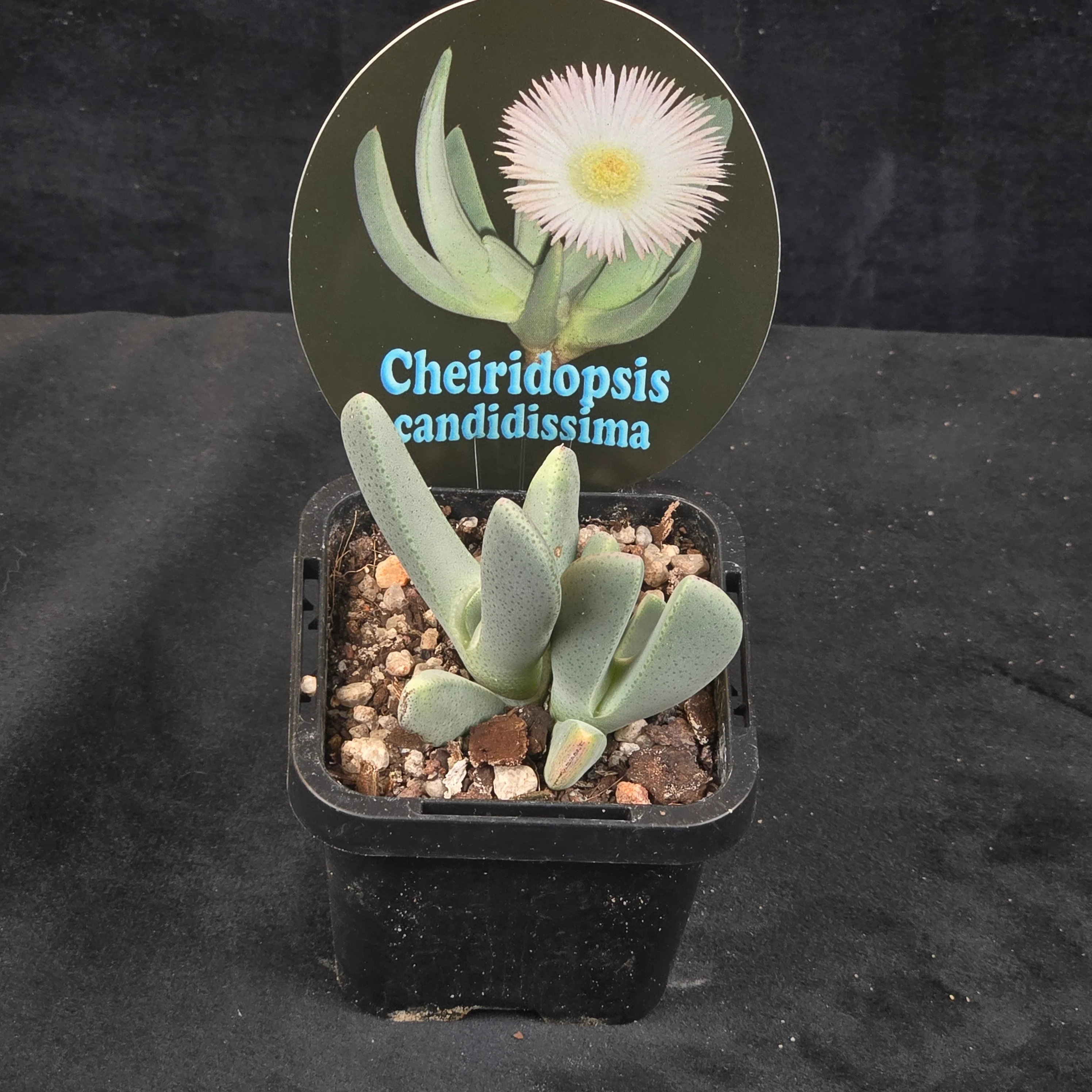
Cheiridopsis candidissima
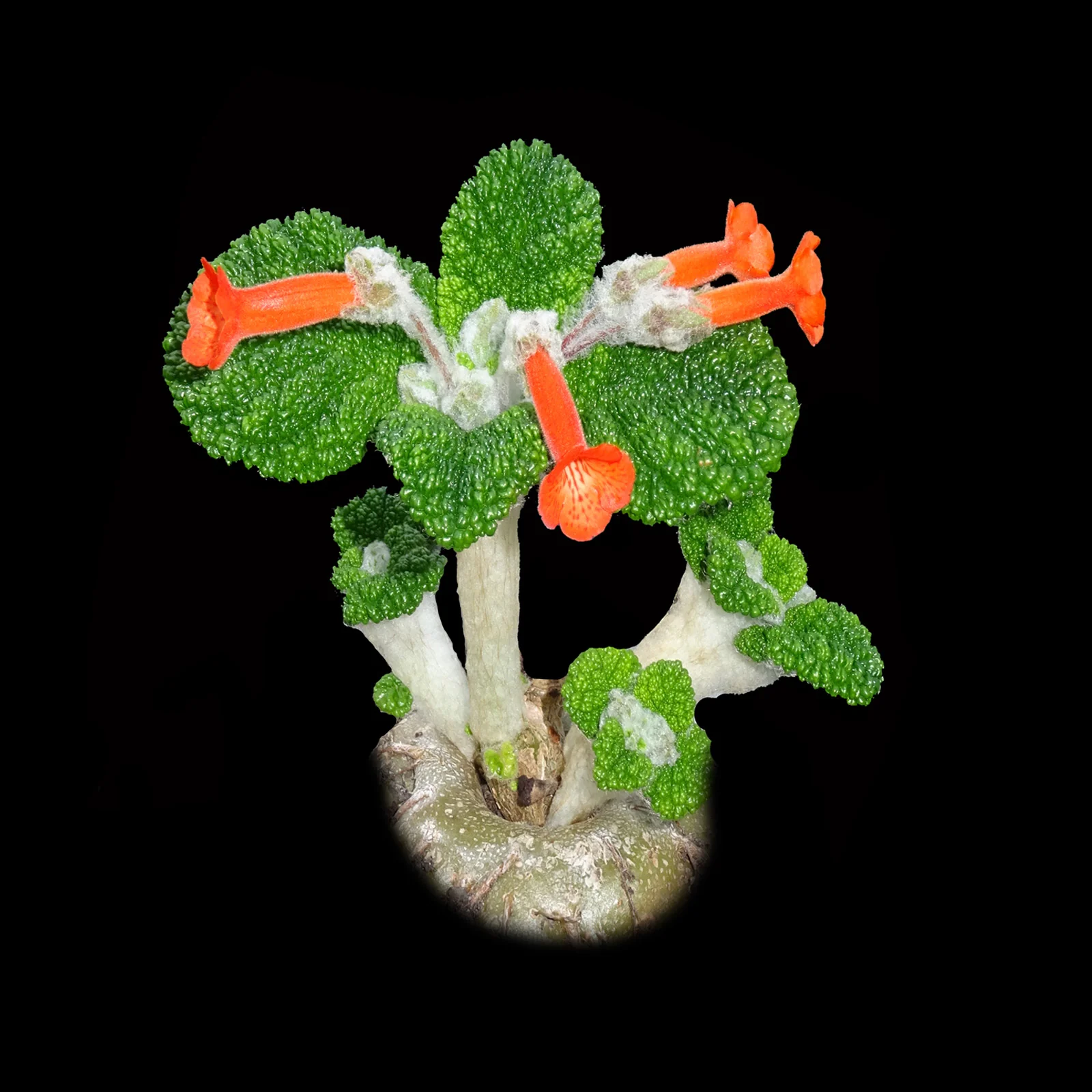
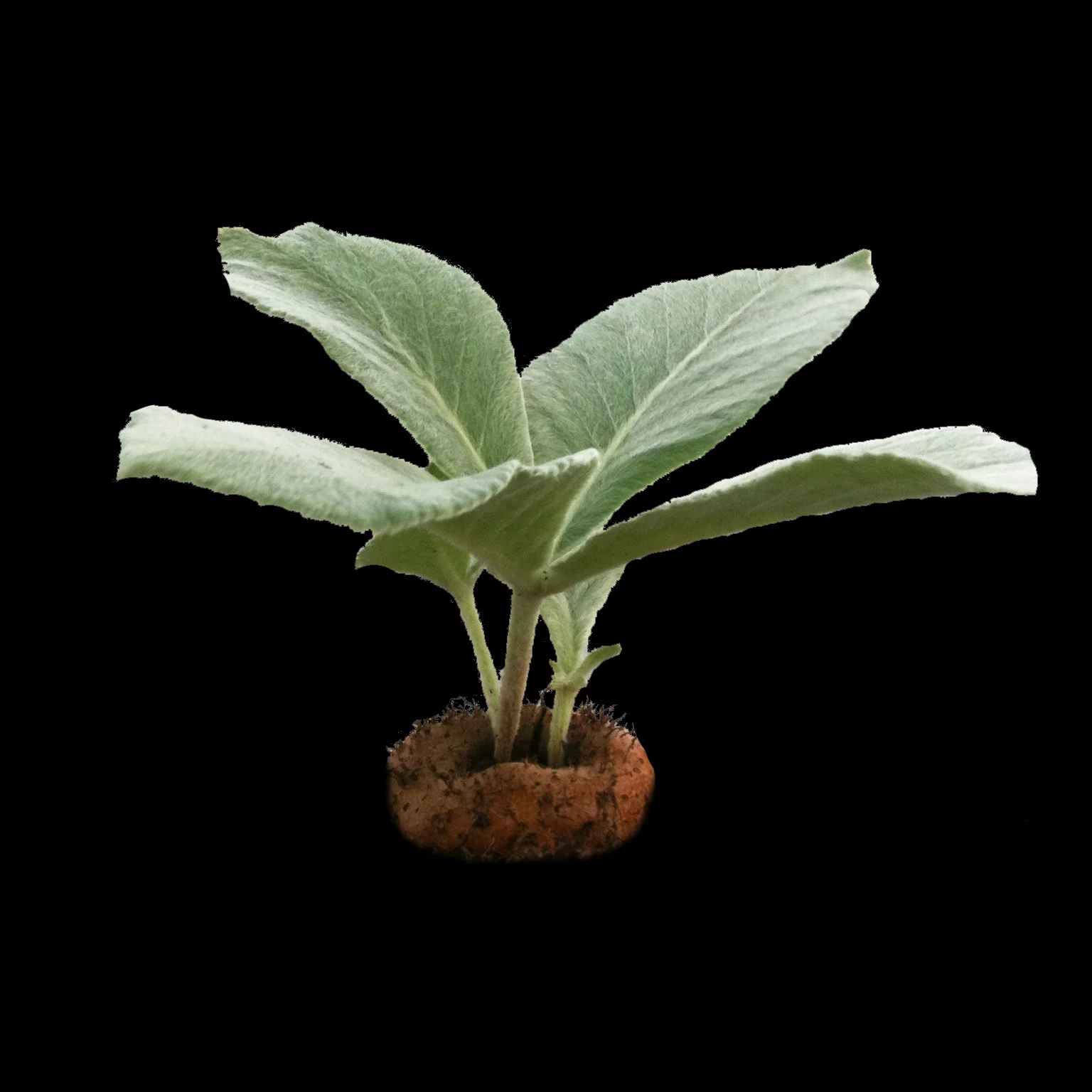
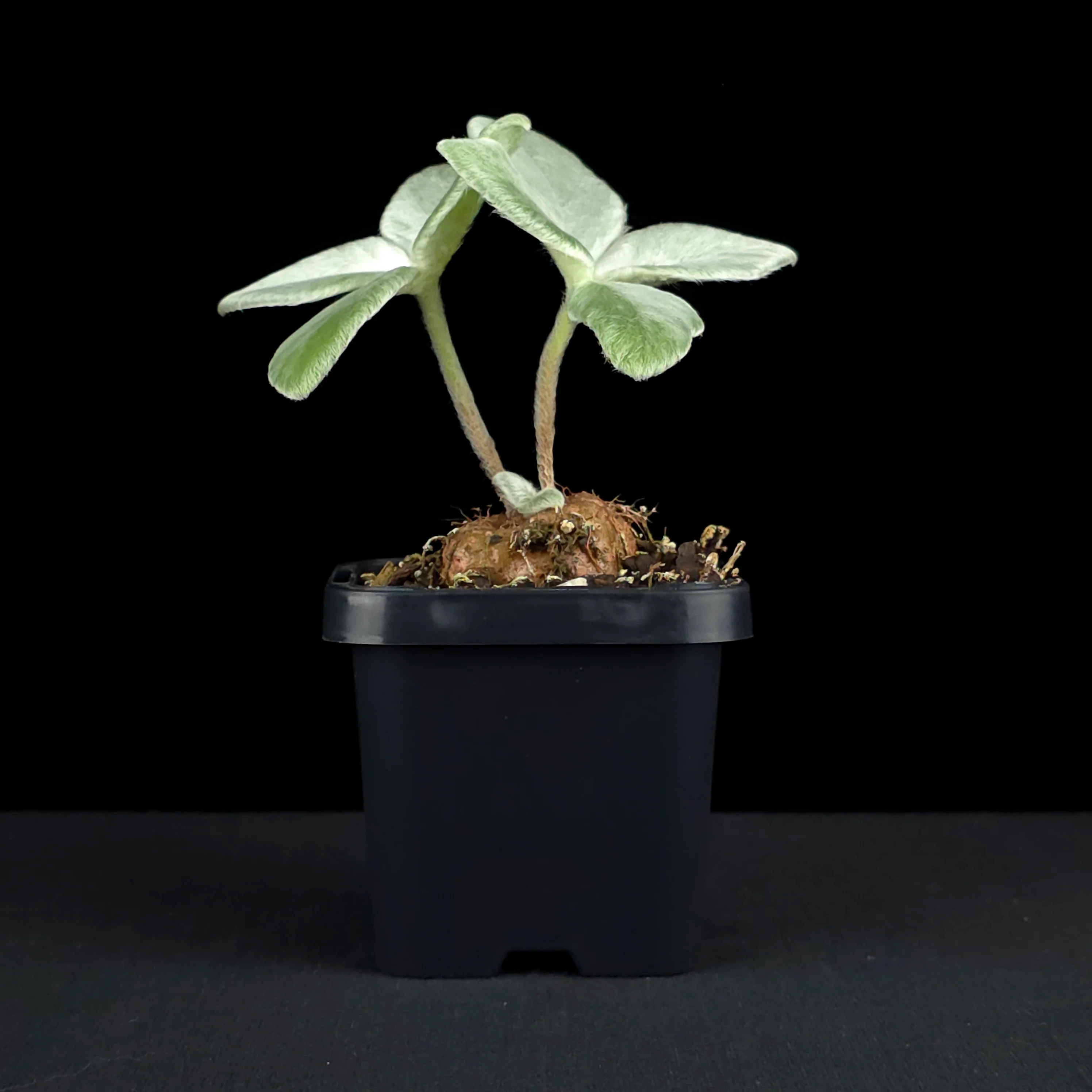
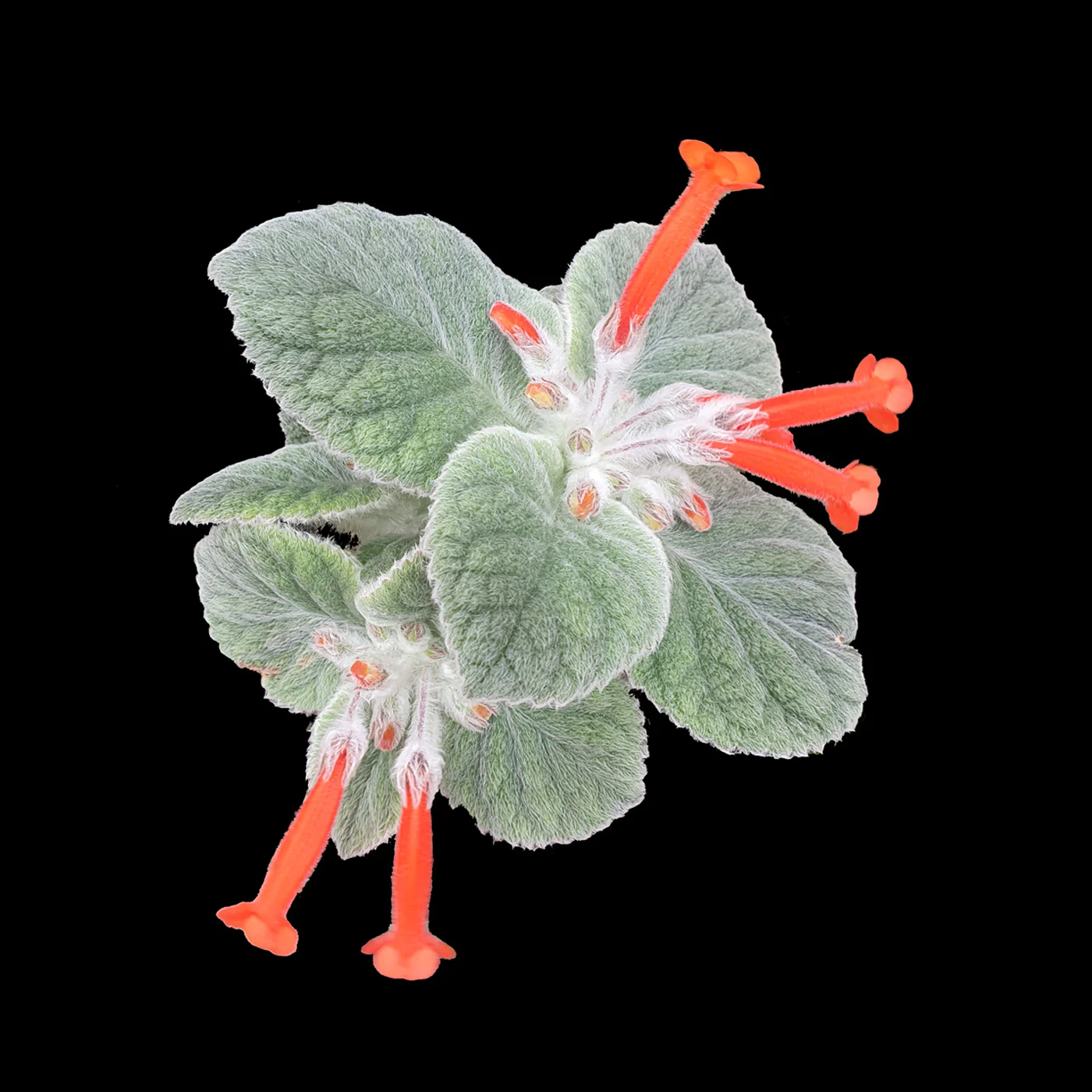
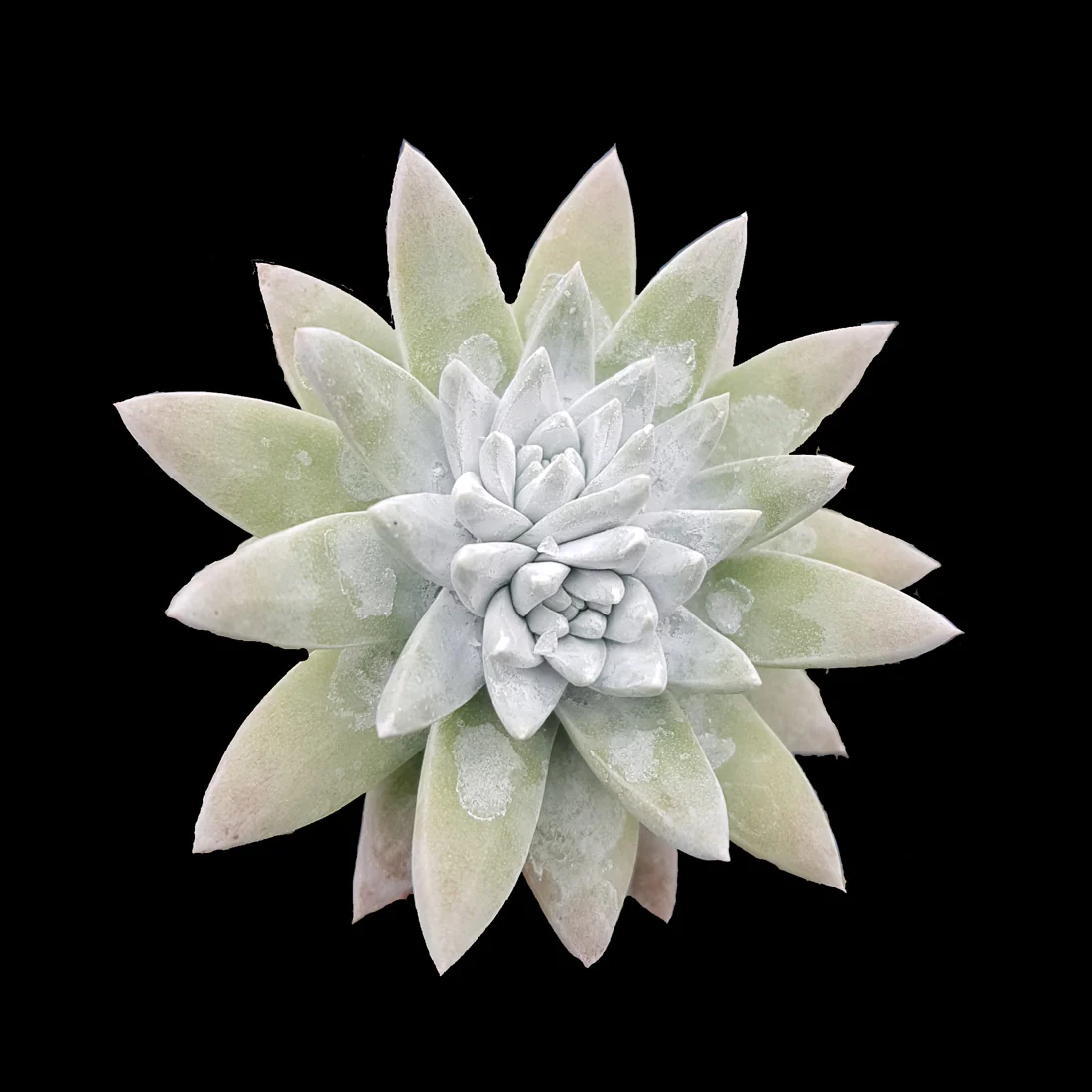
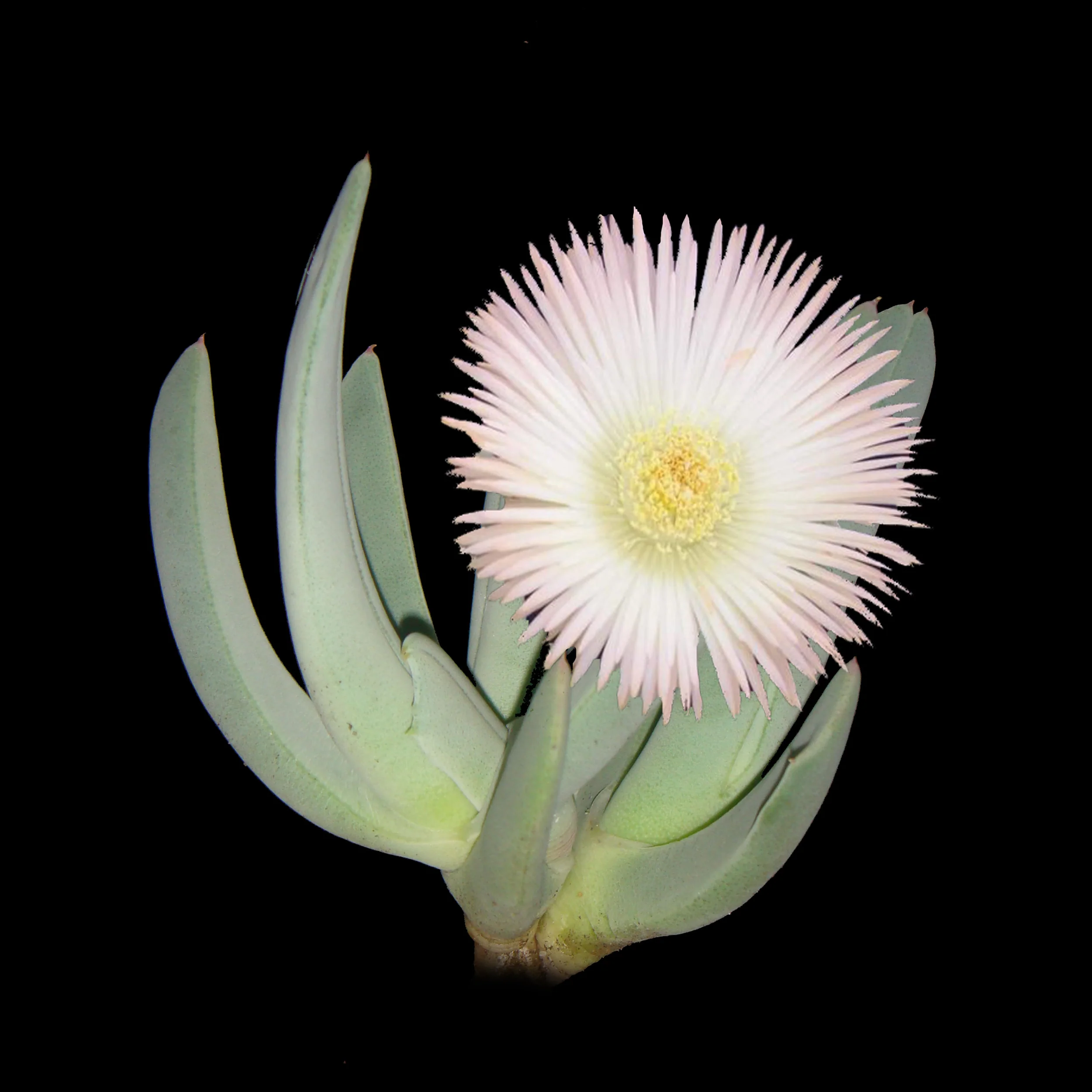
Cheiridopsis candidissima is a compact, clump-forming succulent endemic to the arid landscapes of the Richtersveld in South Africa. Flourishing among quartzite outcrops, this striking species stands out with its shimmering silvery foliage and vivid yellow blooms that appear during the cooler months. The plant’s name, derived from Latin for "whitest," reflects the glaucous sheen that protects it from the harsh sun, making it an exceptional adaptation to its native habitat.
Distinctive Features
- Glaucous Leaves: Thick, paired leaves with a powdery white coating that reflects sunlight and minimises water loss.
- Seasonal Dormancy: Retreats into a resting phase during the dry summer, often sealing the leaf-pairs to reduce transpiration.
- Winter Flowers: Dazzling yellow blooms emerge in autumn or winter, providing a seasonal burst of colour against its silvery foliage.
Care Tips
- Light: Prefers full sun to bright, indirect light; essential for compact growth and vibrant colouration.
- Water: Water moderately during active growth (autumn to spring), and withhold watering during the summer dormancy.
- Humidity: Thrives in dry conditions; avoid high humidity environments to prevent rot.
- Media: Requires a sharply draining mineral-rich substrate; a cactus or mesemb mix with added grit is ideal.
- Temperature: Best grown between 10–25°C; protect from frost as it is not tolerant of freezing conditions.
- Fertiliser: Light feeding with a low-nitrogen fertiliser in early autumn and spring will support flowering and growth.
- Repotting: Infrequent repotting needed; only when the clump outgrows its container, typically every few years.
More Images

Cheiridopsis candidissima
Cheiridopsis candidissima is a compact, clump-forming succulent endemic to the arid landscapes of the Richtersveld in South Africa. Flourishing among quartzite outcrops, this striking species stands out with its shimmering silvery foliage and vivid yellow blooms that appear during the cooler months. The plant’s name, derived from Latin for "whitest," reflects the glaucous sheen that protects it from the harsh sun, making it an exceptional adaptation to its native habitat.
Distinctive Features
- Glaucous Leaves: Thick, paired leaves with a powdery white coating that reflects sunlight and minimises water loss.
- Seasonal Dormancy: Retreats into a resting phase during the dry summer, often sealing the leaf-pairs to reduce transpiration.
- Winter Flowers: Dazzling yellow blooms emerge in autumn or winter, providing a seasonal burst of colour against its silvery foliage.
Care Tips
- Light: Prefers full sun to bright, indirect light; essential for compact growth and vibrant colouration.
- Water: Water moderately during active growth (autumn to spring), and withhold watering during the summer dormancy.
- Humidity: Thrives in dry conditions; avoid high humidity environments to prevent rot.
- Media: Requires a sharply draining mineral-rich substrate; a cactus or mesemb mix with added grit is ideal.
- Temperature: Best grown between 10–25°C; protect from frost as it is not tolerant of freezing conditions.
- Fertiliser: Light feeding with a low-nitrogen fertiliser in early autumn and spring will support flowering and growth.
- Repotting: Infrequent repotting needed; only when the clump outgrows its container, typically every few years.
Product Information
Product Information
Shipping & Returns
Shipping & Returns
Description
Cheiridopsis candidissima is a compact, clump-forming succulent endemic to the arid landscapes of the Richtersveld in South Africa. Flourishing among quartzite outcrops, this striking species stands out with its shimmering silvery foliage and vivid yellow blooms that appear during the cooler months. The plant’s name, derived from Latin for "whitest," reflects the glaucous sheen that protects it from the harsh sun, making it an exceptional adaptation to its native habitat.
Distinctive Features
- Glaucous Leaves: Thick, paired leaves with a powdery white coating that reflects sunlight and minimises water loss.
- Seasonal Dormancy: Retreats into a resting phase during the dry summer, often sealing the leaf-pairs to reduce transpiration.
- Winter Flowers: Dazzling yellow blooms emerge in autumn or winter, providing a seasonal burst of colour against its silvery foliage.
Care Tips
- Light: Prefers full sun to bright, indirect light; essential for compact growth and vibrant colouration.
- Water: Water moderately during active growth (autumn to spring), and withhold watering during the summer dormancy.
- Humidity: Thrives in dry conditions; avoid high humidity environments to prevent rot.
- Media: Requires a sharply draining mineral-rich substrate; a cactus or mesemb mix with added grit is ideal.
- Temperature: Best grown between 10–25°C; protect from frost as it is not tolerant of freezing conditions.
- Fertiliser: Light feeding with a low-nitrogen fertiliser in early autumn and spring will support flowering and growth.
- Repotting: Infrequent repotting needed; only when the clump outgrows its container, typically every few years.