Cheiridopsis peculiaris
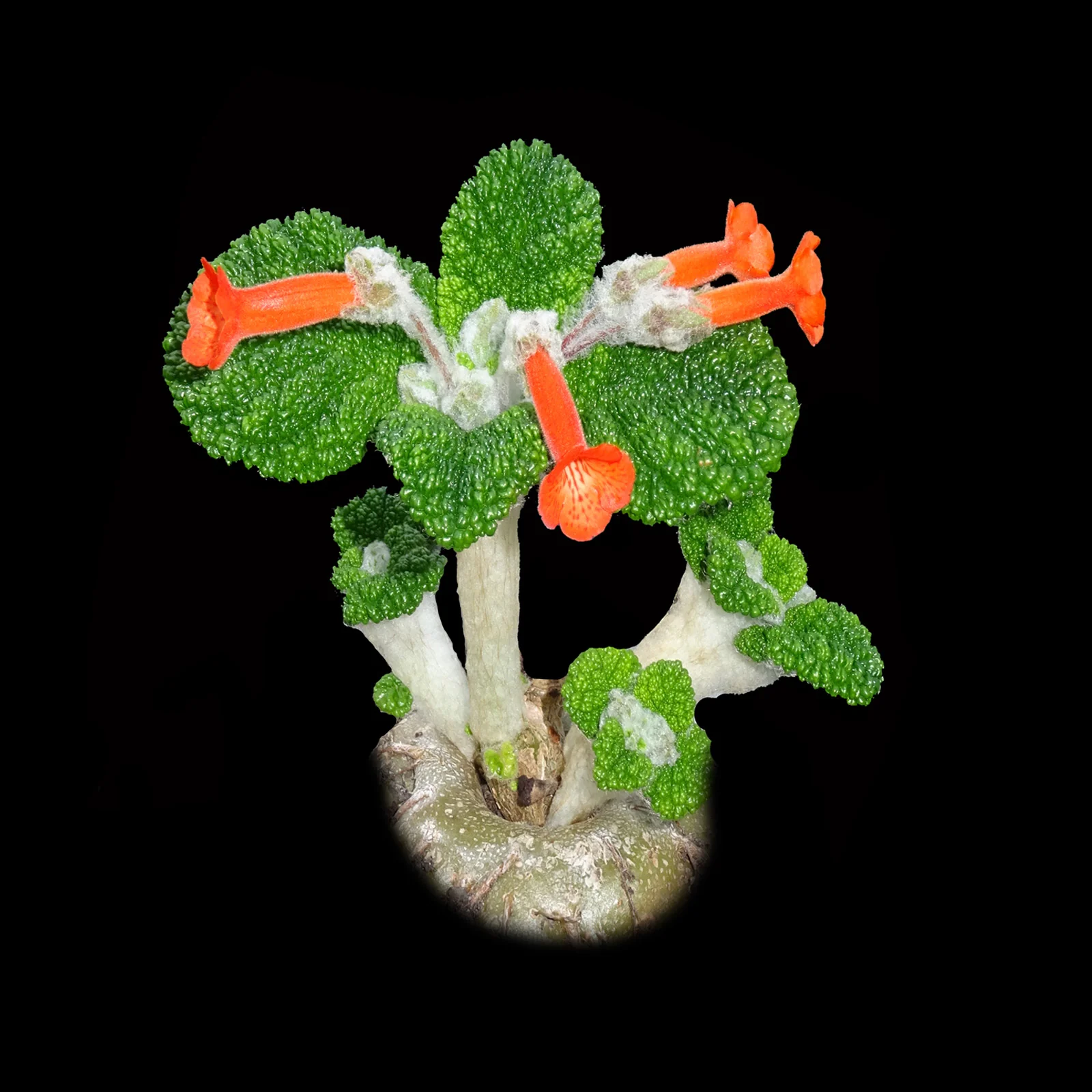
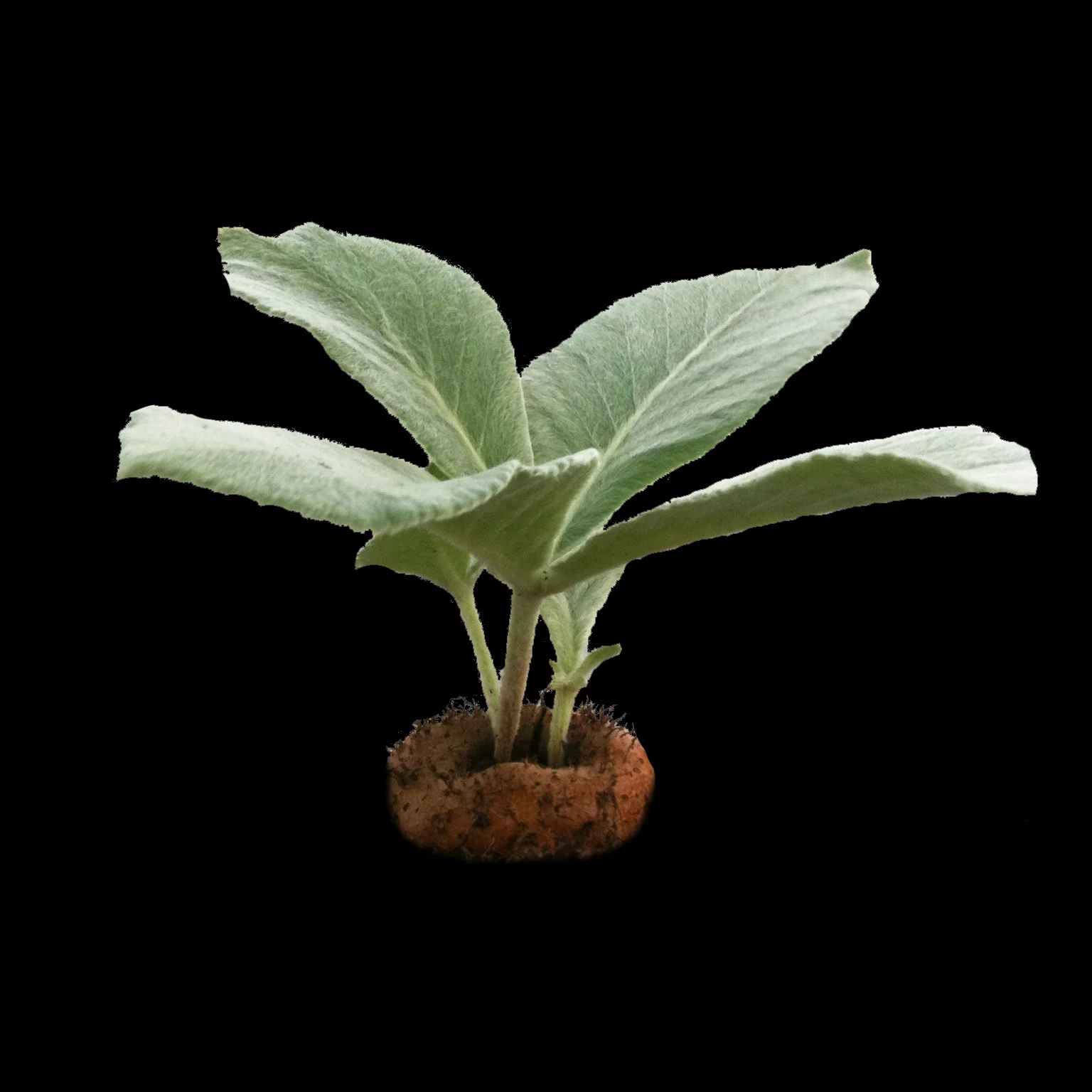
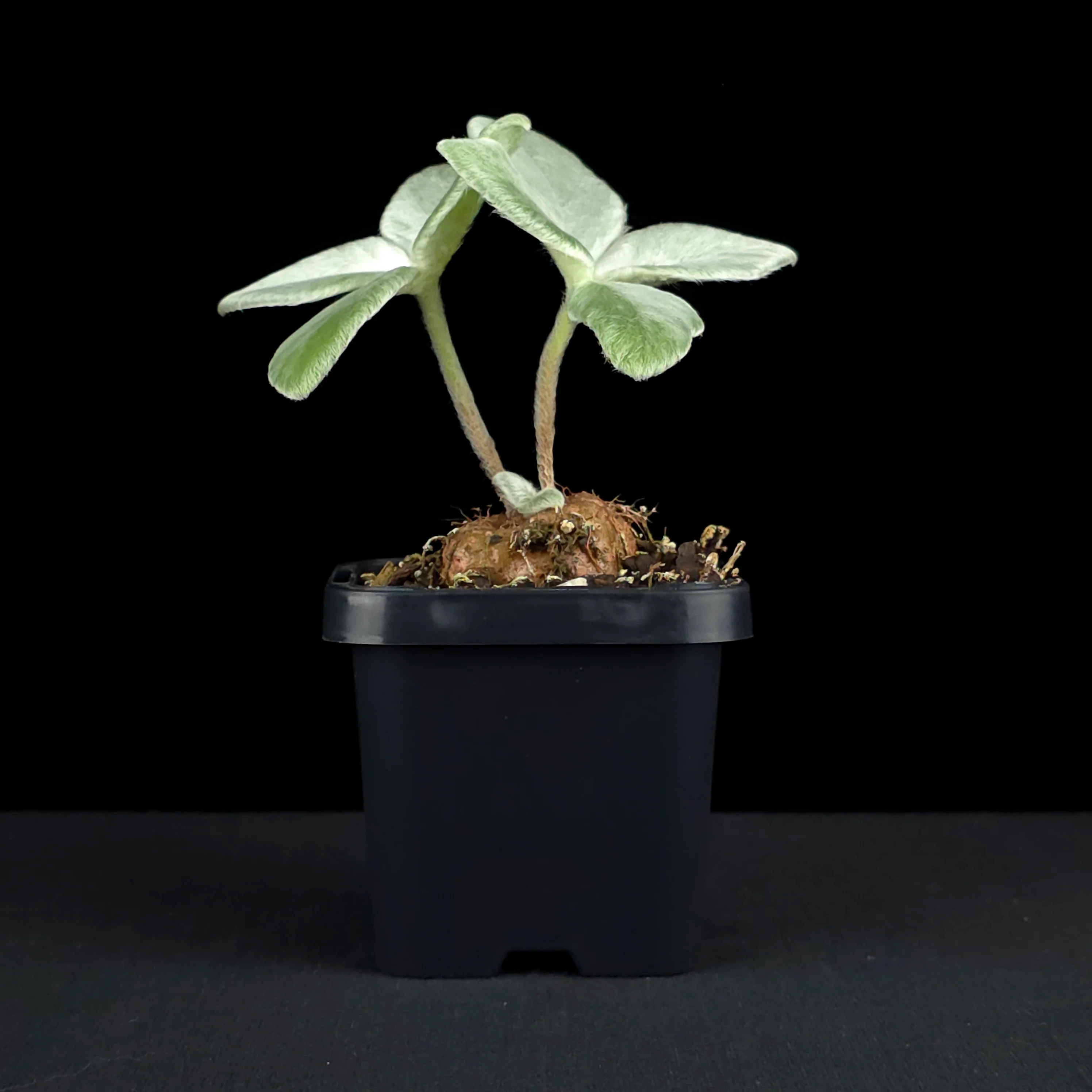
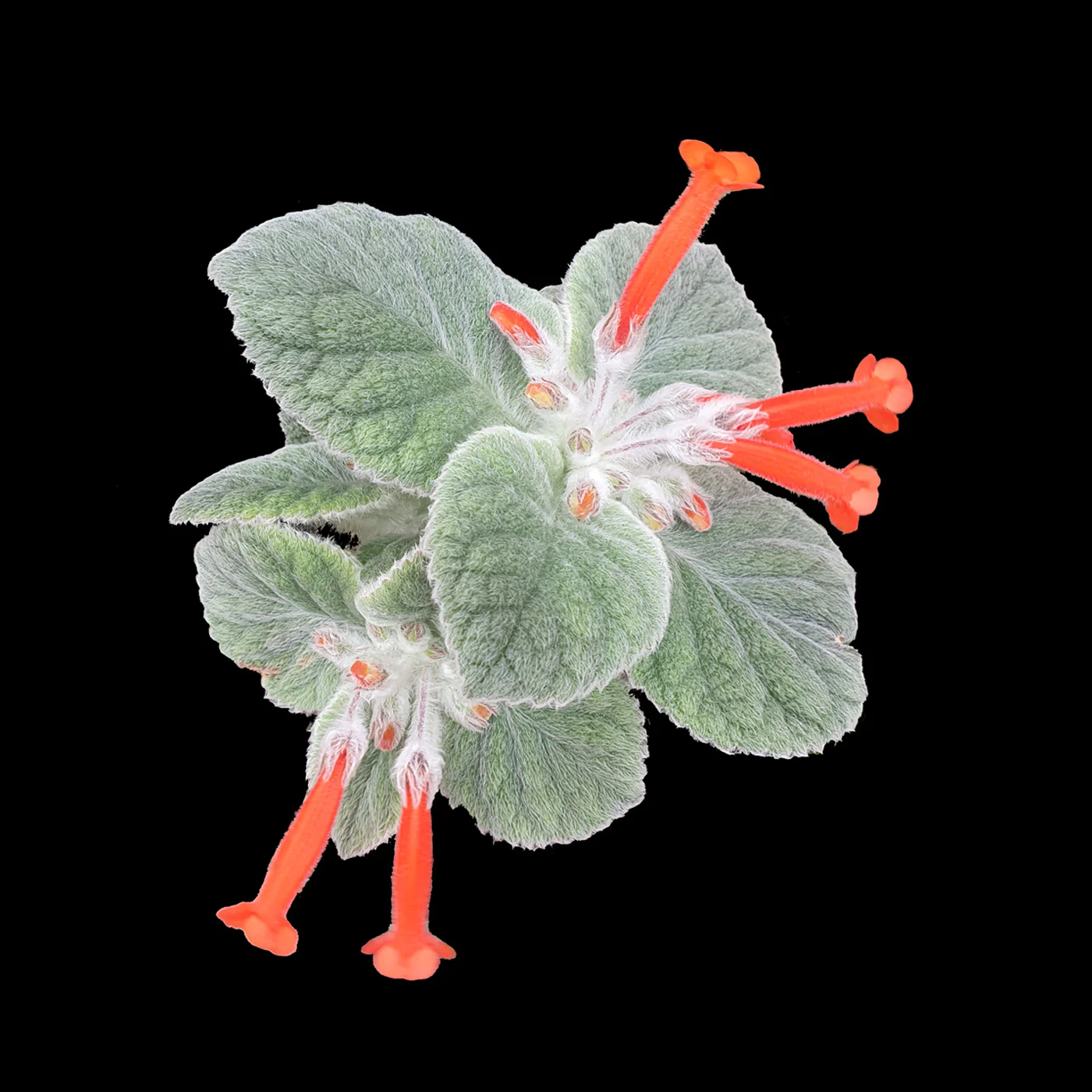
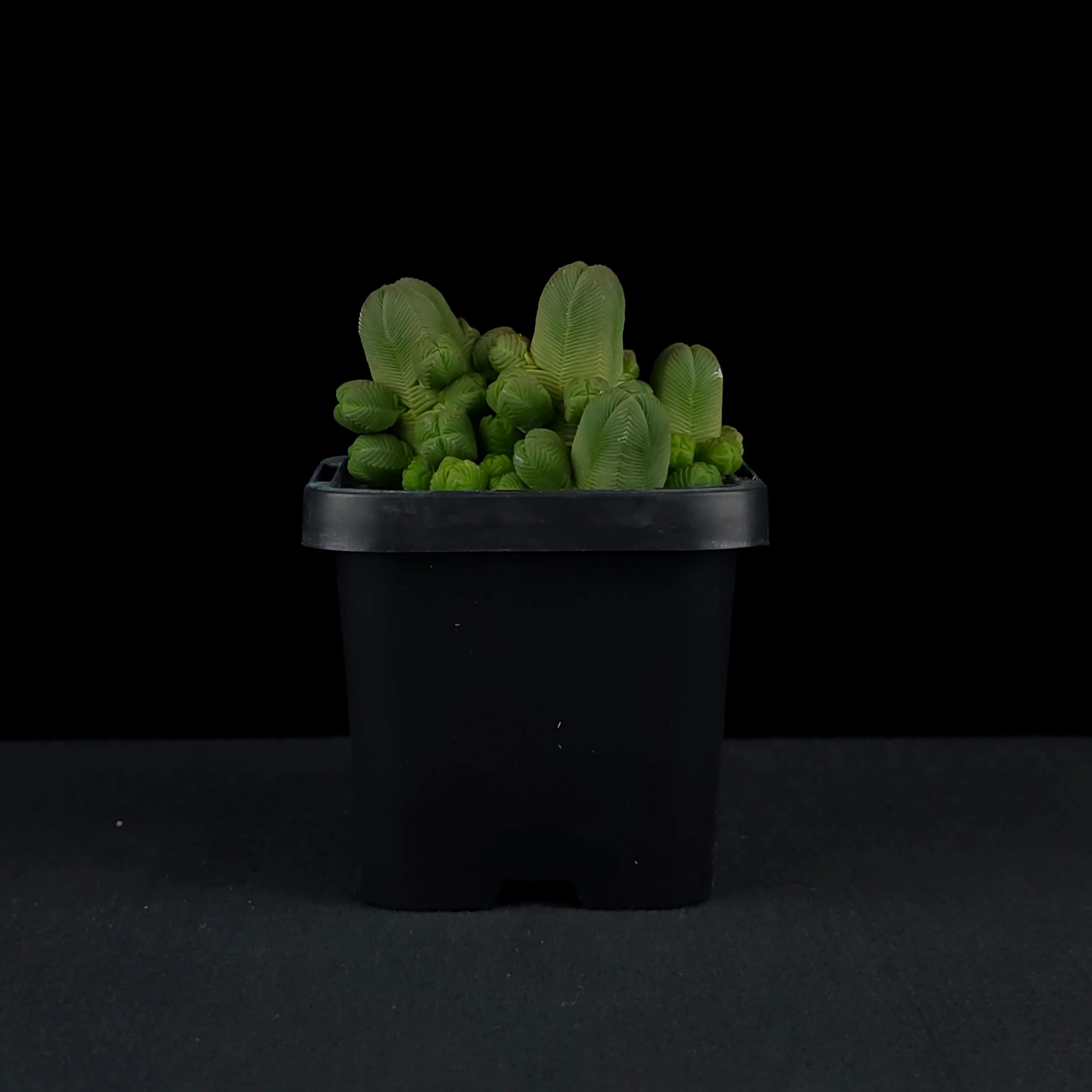
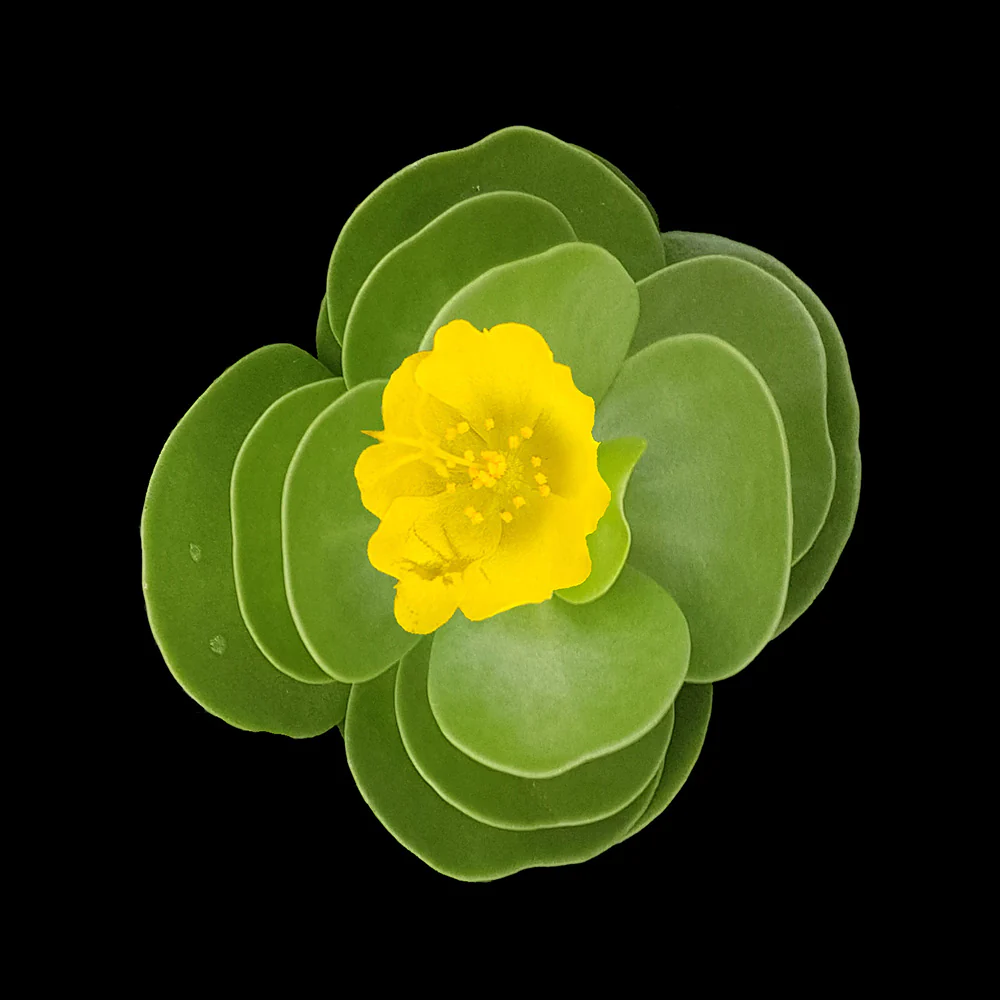
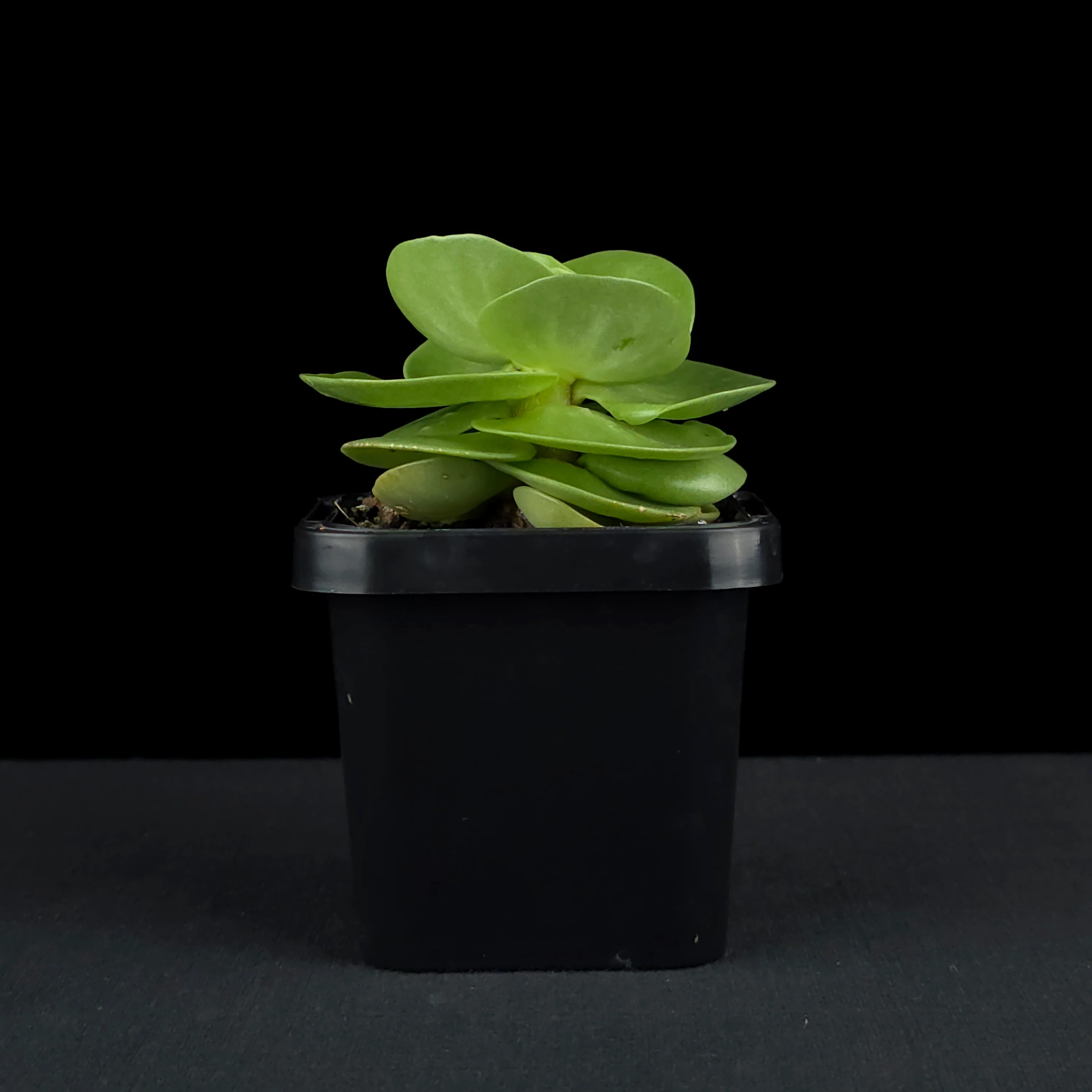
Cheiridopsis peculiaris is a distinctive dwarf succulent endemic to the dry, rocky regions of Namaqualand in South Africa. This mesemb is instantly recognisable for its unusual, tightly fused leaf pairs that often resemble sculpted stones, blending seamlessly into its arid habitat. It bursts into bright yellow flowers in autumn, providing a vivid seasonal display that contrasts its otherwise muted grey-green tones.
Distinctive Features
- Fused Leaf Pairs: The plant features fleshy, conjoined leaves forming a boat-like appearance, often tinged with a bluish bloom and purple speckling in sun.
- Seasonal Blooming: Bright yellow daisy-like flowers emerge in late autumn, opening during daylight and closing at night.
- Compact Growth: A naturally small and clumping habit makes it ideal for container culture and rock gardens.
Care Tips
- Light: Requires full sun to partial shade; avoid intense midday rays in very hot climates.
- Water: Water sparingly during active growth (autumn to spring); allow soil to dry out completely between waterings.
- Humidity: Prefers dry air; not suited to high humidity environments.
- Media: Use a sharply draining mix with added grit or pumice; avoid organic-heavy soils.
- Temperature: Thrives between 10–25°C; protect from frost and prolonged cold.
- Fertiliser: Feed lightly with a low-nitrogen cactus fertiliser during active growth once a month.
- Repotting: Repot every 2–3 years in early autumn, just before growth resumes.
Cheiridopsis peculiaris
Cheiridopsis peculiaris is a distinctive dwarf succulent endemic to the dry, rocky regions of Namaqualand in South Africa. This mesemb is instantly recognisable for its unusual, tightly fused leaf pairs that often resemble sculpted stones, blending seamlessly into its arid habitat. It bursts into bright yellow flowers in autumn, providing a vivid seasonal display that contrasts its otherwise muted grey-green tones.
Distinctive Features
- Fused Leaf Pairs: The plant features fleshy, conjoined leaves forming a boat-like appearance, often tinged with a bluish bloom and purple speckling in sun.
- Seasonal Blooming: Bright yellow daisy-like flowers emerge in late autumn, opening during daylight and closing at night.
- Compact Growth: A naturally small and clumping habit makes it ideal for container culture and rock gardens.
Care Tips
- Light: Requires full sun to partial shade; avoid intense midday rays in very hot climates.
- Water: Water sparingly during active growth (autumn to spring); allow soil to dry out completely between waterings.
- Humidity: Prefers dry air; not suited to high humidity environments.
- Media: Use a sharply draining mix with added grit or pumice; avoid organic-heavy soils.
- Temperature: Thrives between 10–25°C; protect from frost and prolonged cold.
- Fertiliser: Feed lightly with a low-nitrogen cactus fertiliser during active growth once a month.
- Repotting: Repot every 2–3 years in early autumn, just before growth resumes.
Product Information
Product Information
Shipping & Returns
Shipping & Returns
Description
Cheiridopsis peculiaris is a distinctive dwarf succulent endemic to the dry, rocky regions of Namaqualand in South Africa. This mesemb is instantly recognisable for its unusual, tightly fused leaf pairs that often resemble sculpted stones, blending seamlessly into its arid habitat. It bursts into bright yellow flowers in autumn, providing a vivid seasonal display that contrasts its otherwise muted grey-green tones.
Distinctive Features
- Fused Leaf Pairs: The plant features fleshy, conjoined leaves forming a boat-like appearance, often tinged with a bluish bloom and purple speckling in sun.
- Seasonal Blooming: Bright yellow daisy-like flowers emerge in late autumn, opening during daylight and closing at night.
- Compact Growth: A naturally small and clumping habit makes it ideal for container culture and rock gardens.
Care Tips
- Light: Requires full sun to partial shade; avoid intense midday rays in very hot climates.
- Water: Water sparingly during active growth (autumn to spring); allow soil to dry out completely between waterings.
- Humidity: Prefers dry air; not suited to high humidity environments.
- Media: Use a sharply draining mix with added grit or pumice; avoid organic-heavy soils.
- Temperature: Thrives between 10–25°C; protect from frost and prolonged cold.
- Fertiliser: Feed lightly with a low-nitrogen cactus fertiliser during active growth once a month.
- Repotting: Repot every 2–3 years in early autumn, just before growth resumes.