Cheiridopsis pillansii - Hoof Mesemb
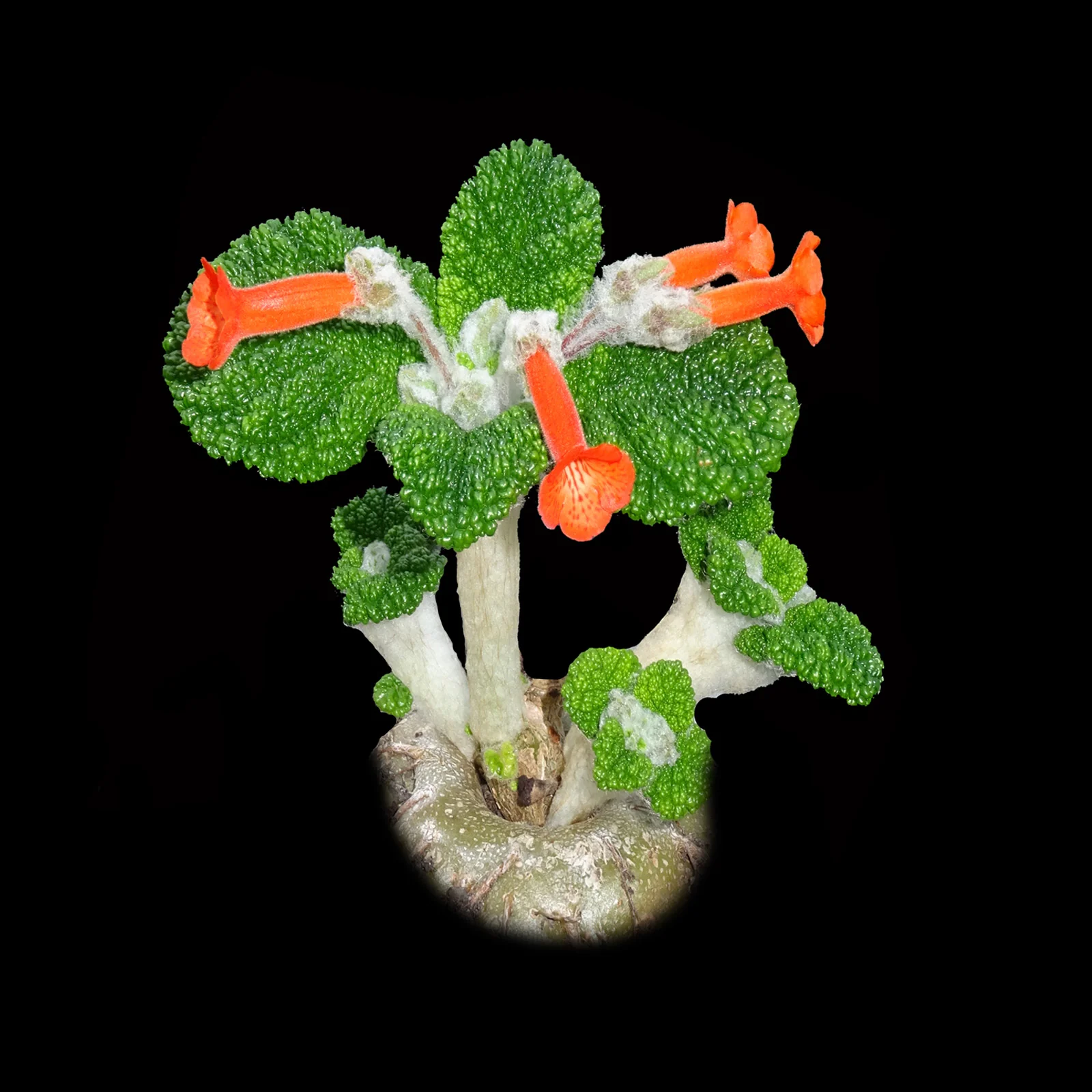
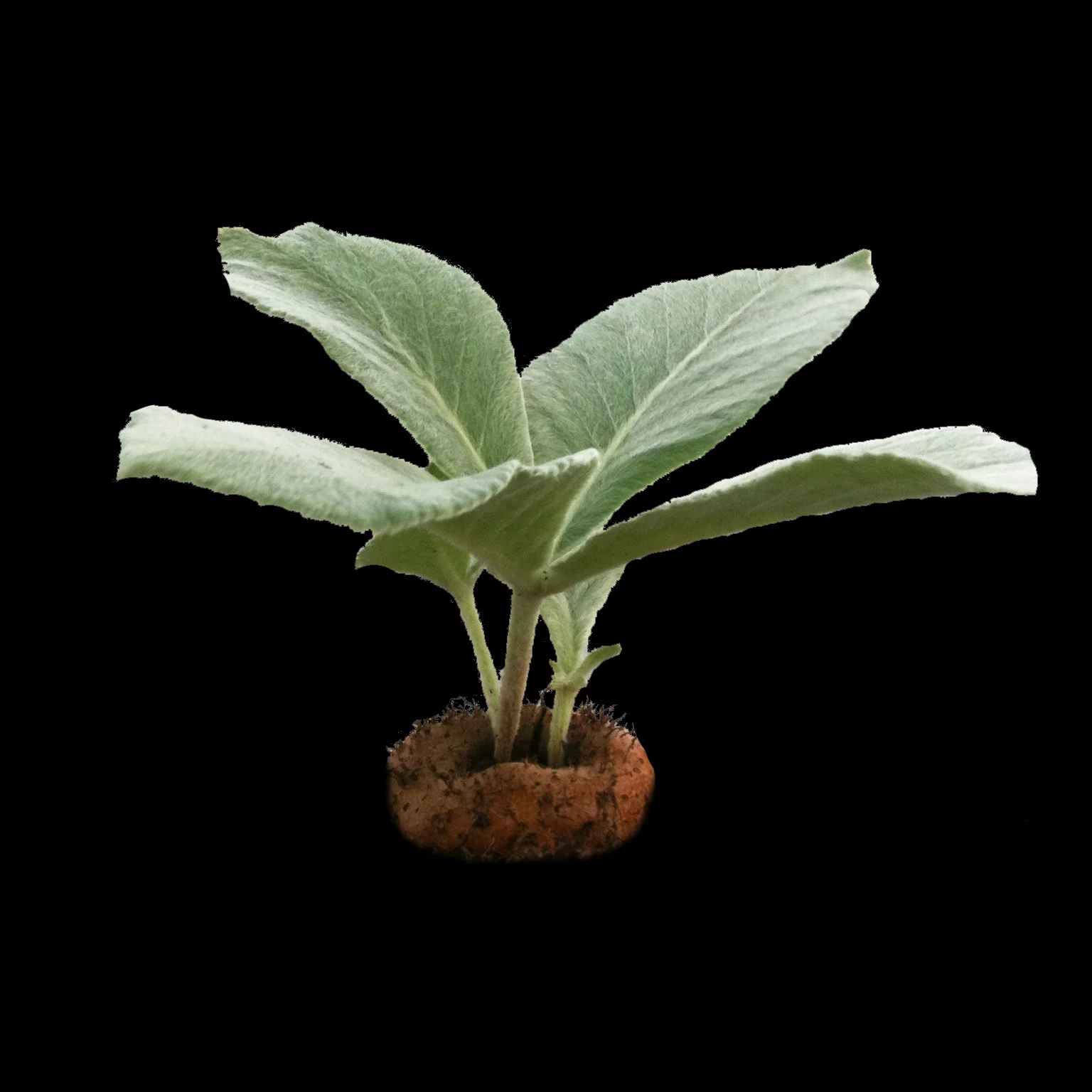
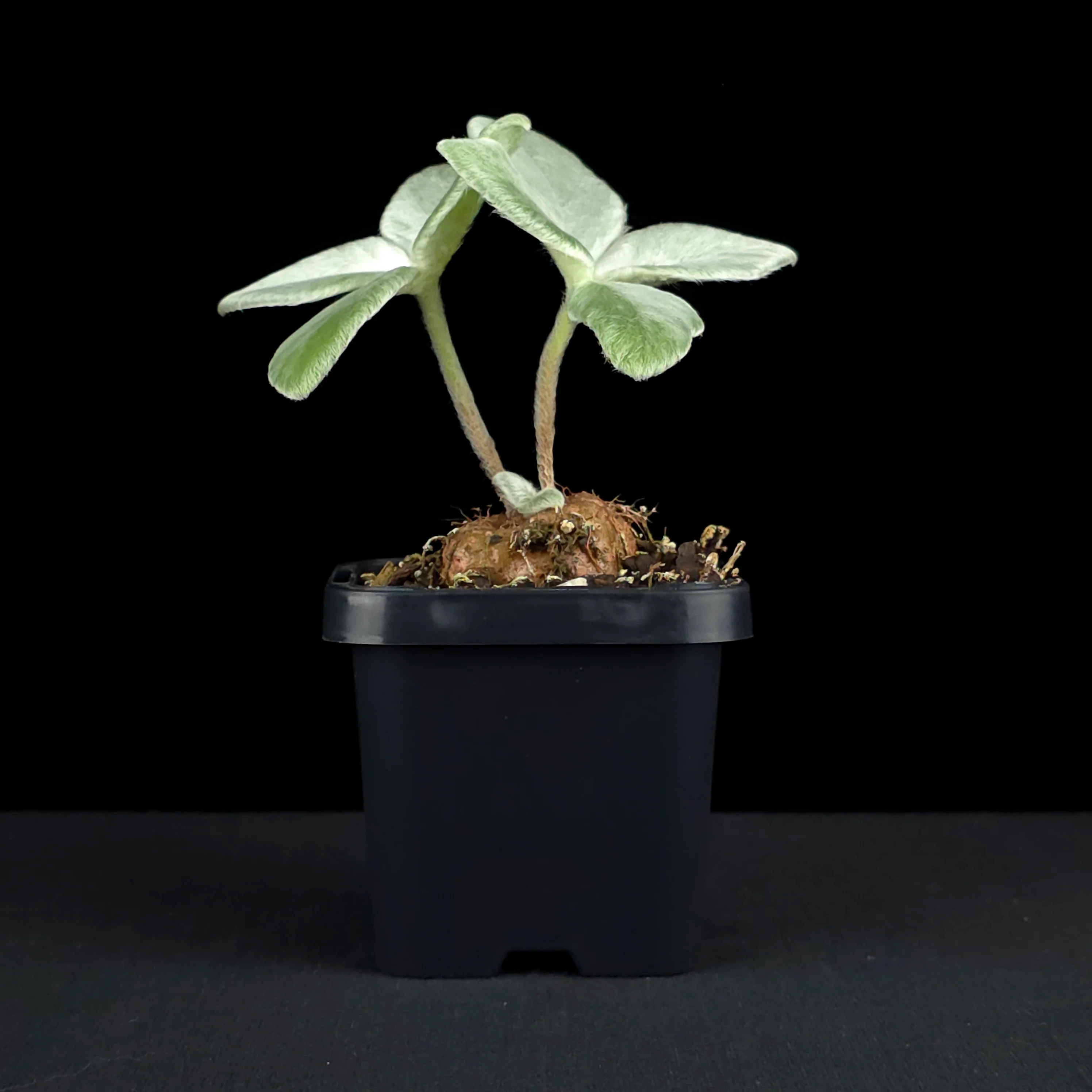
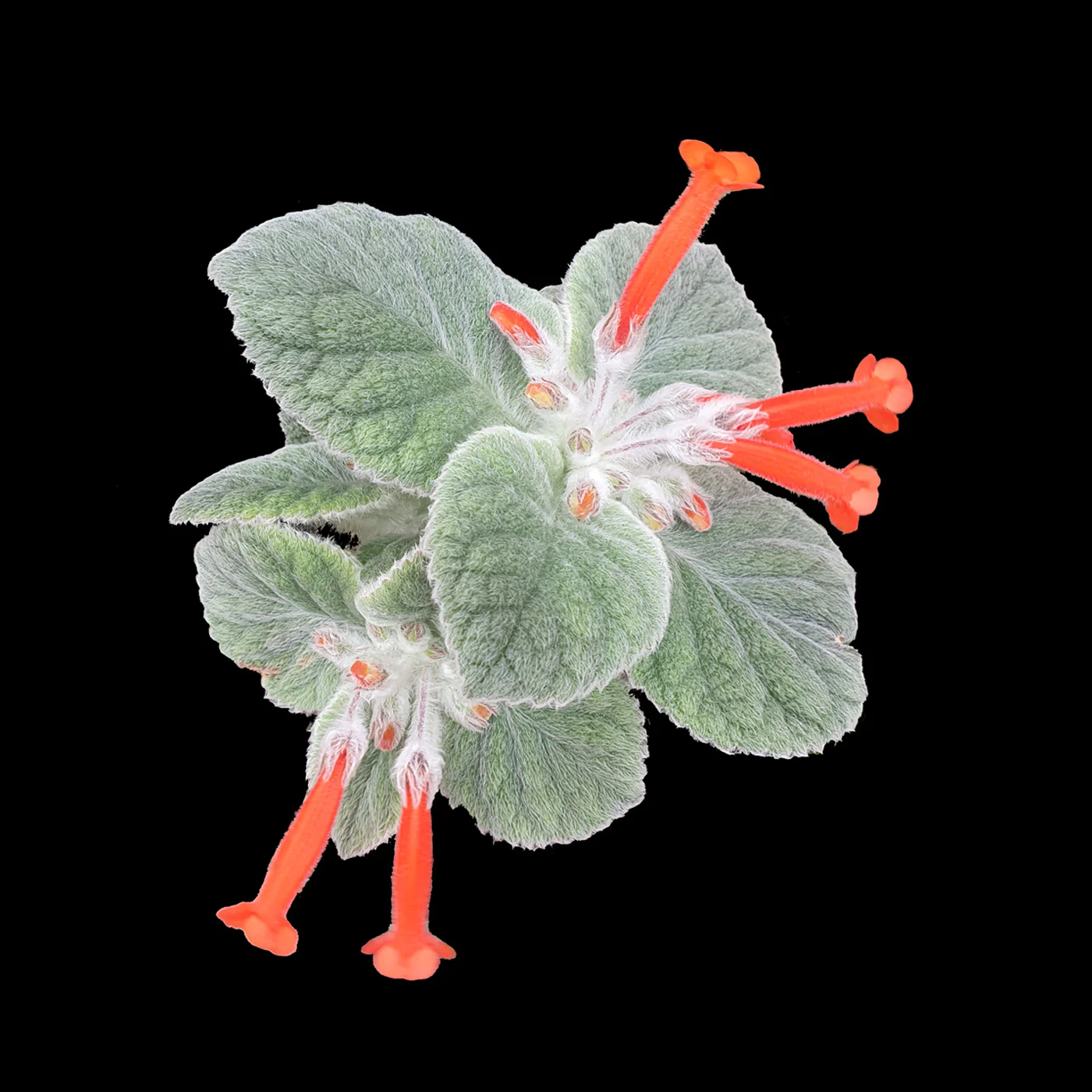
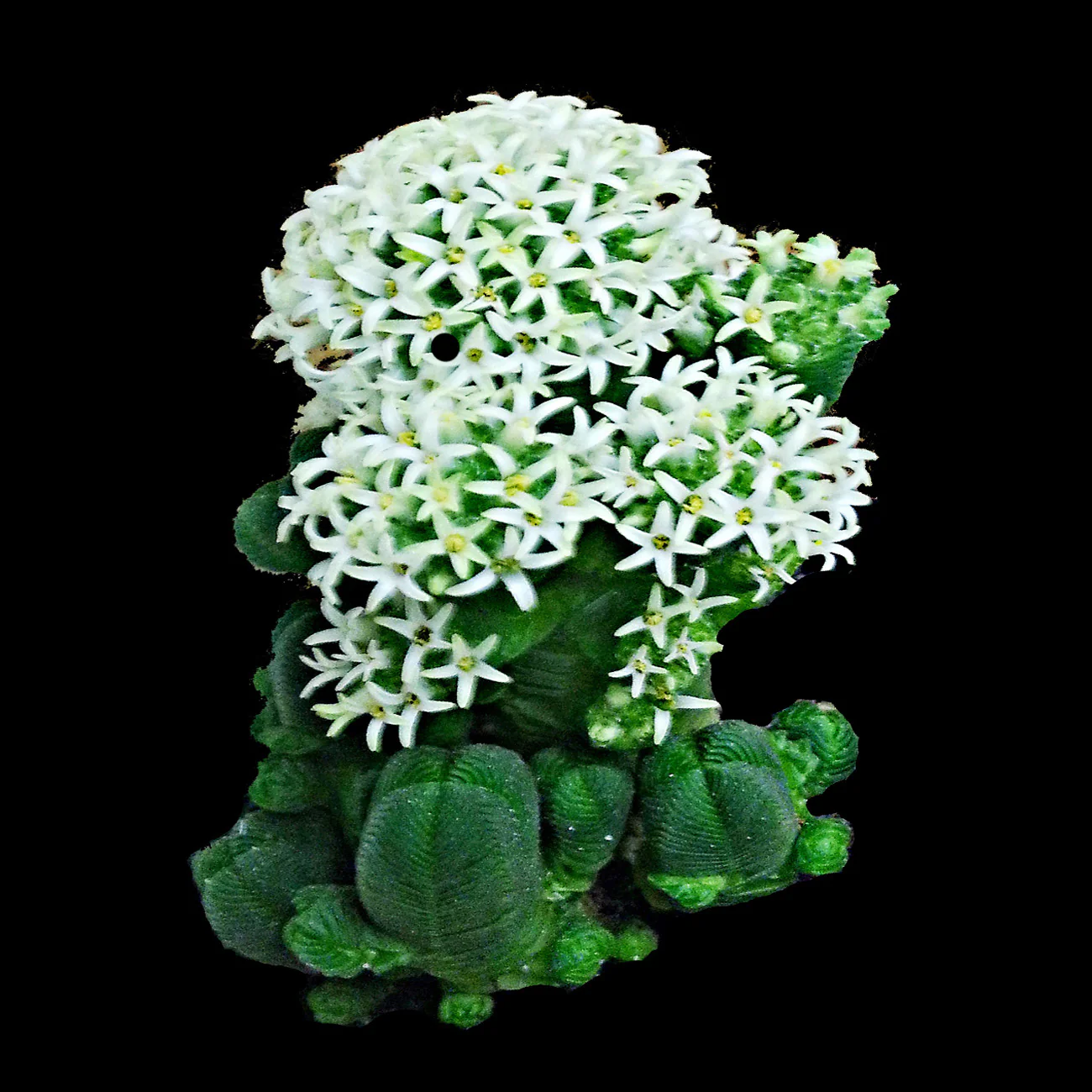
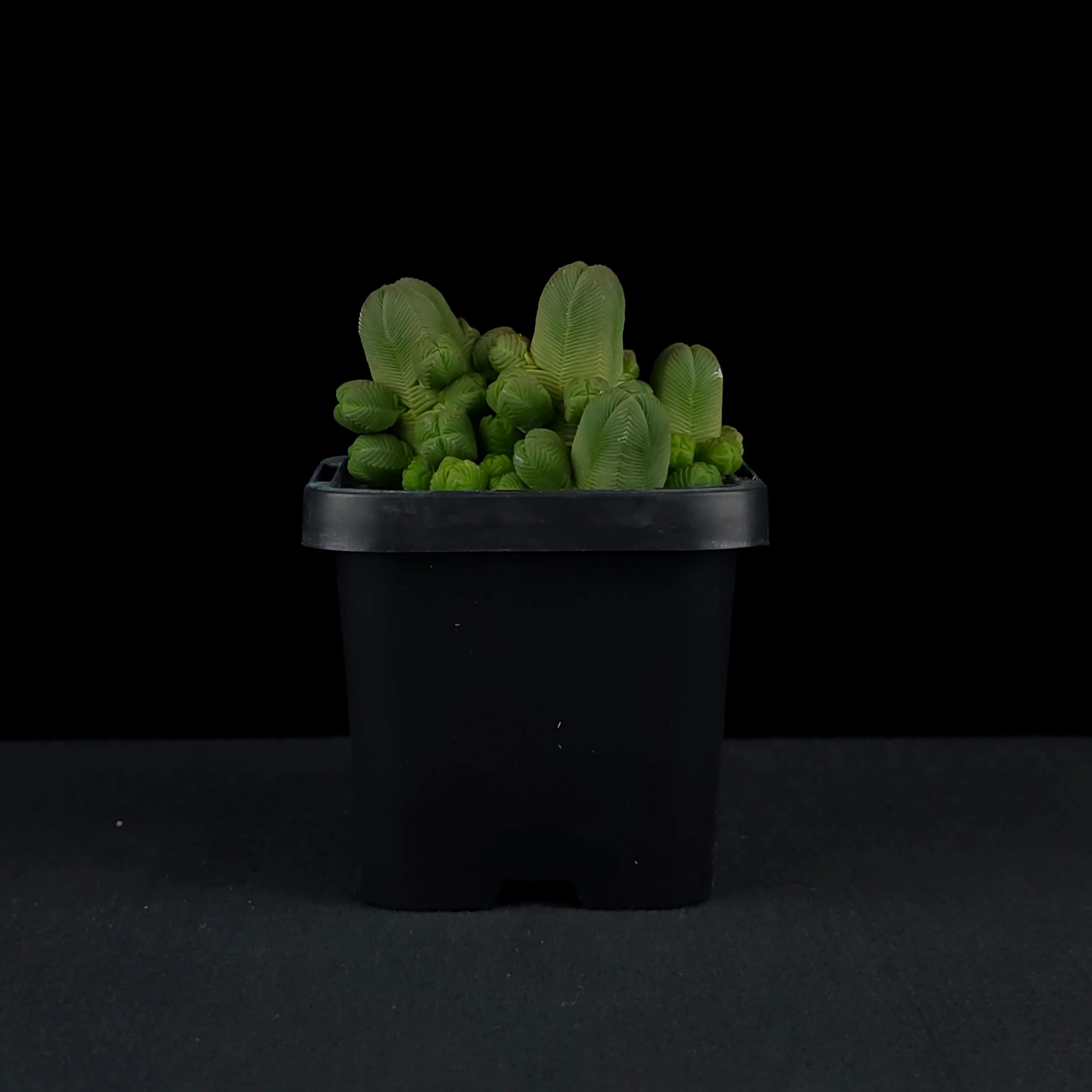
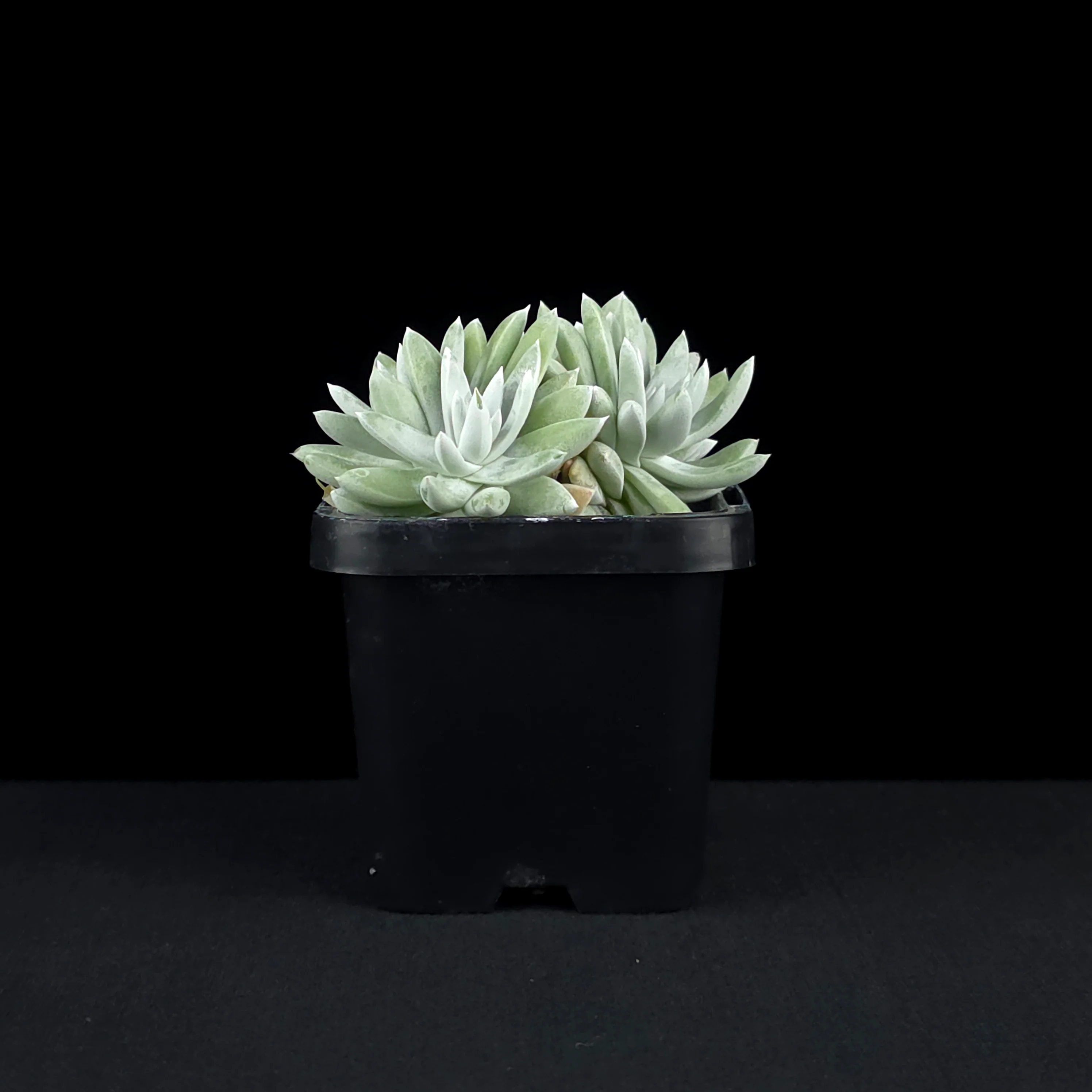
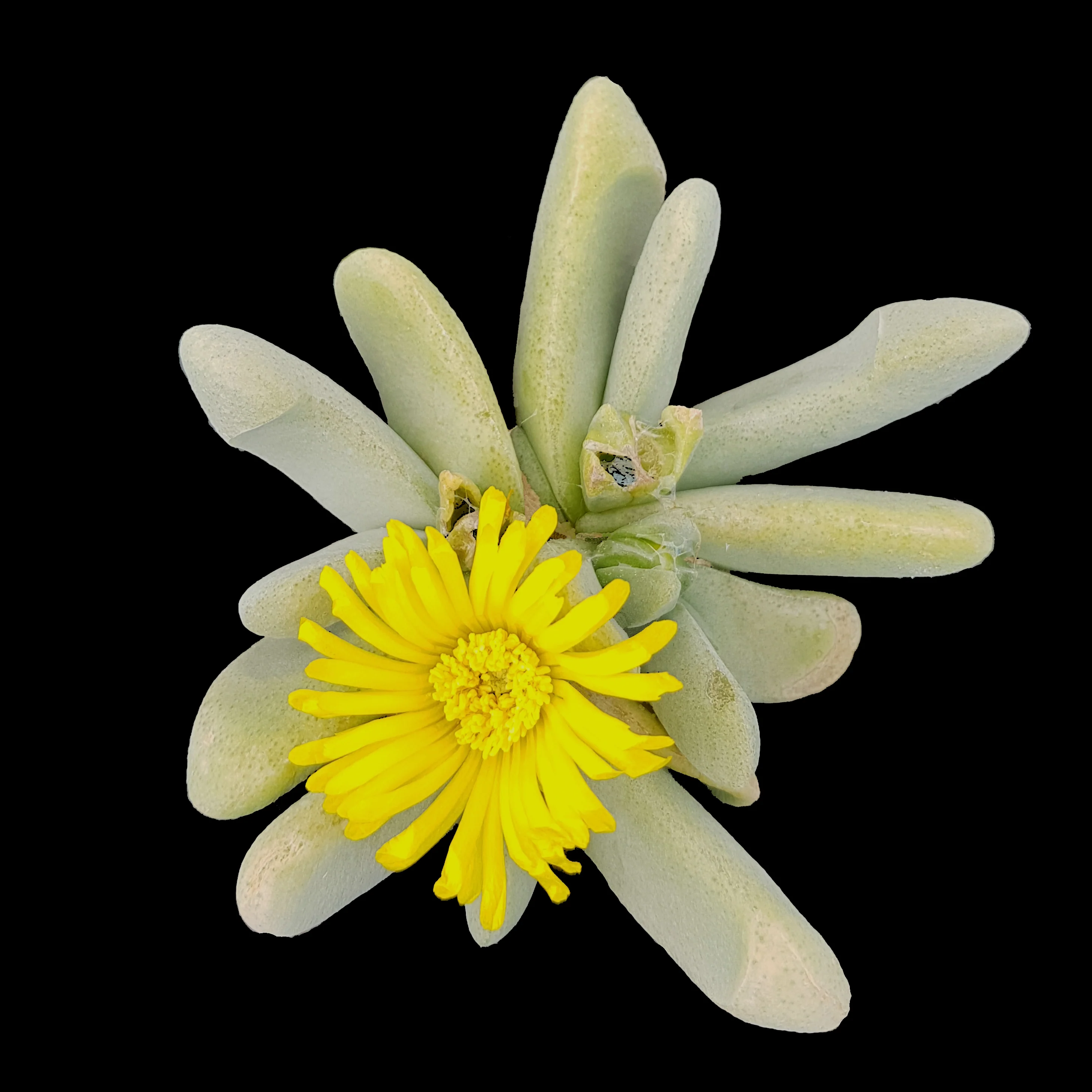
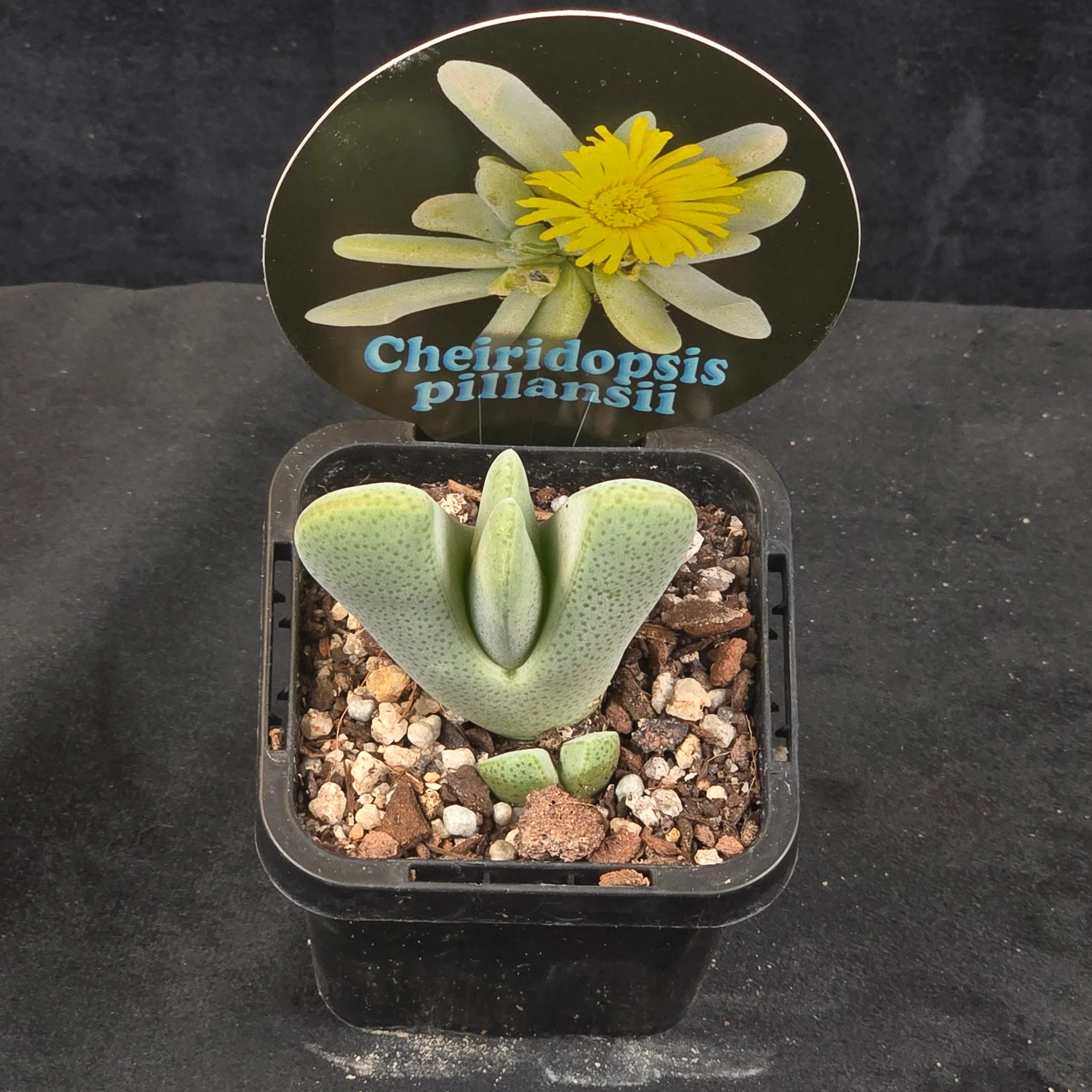
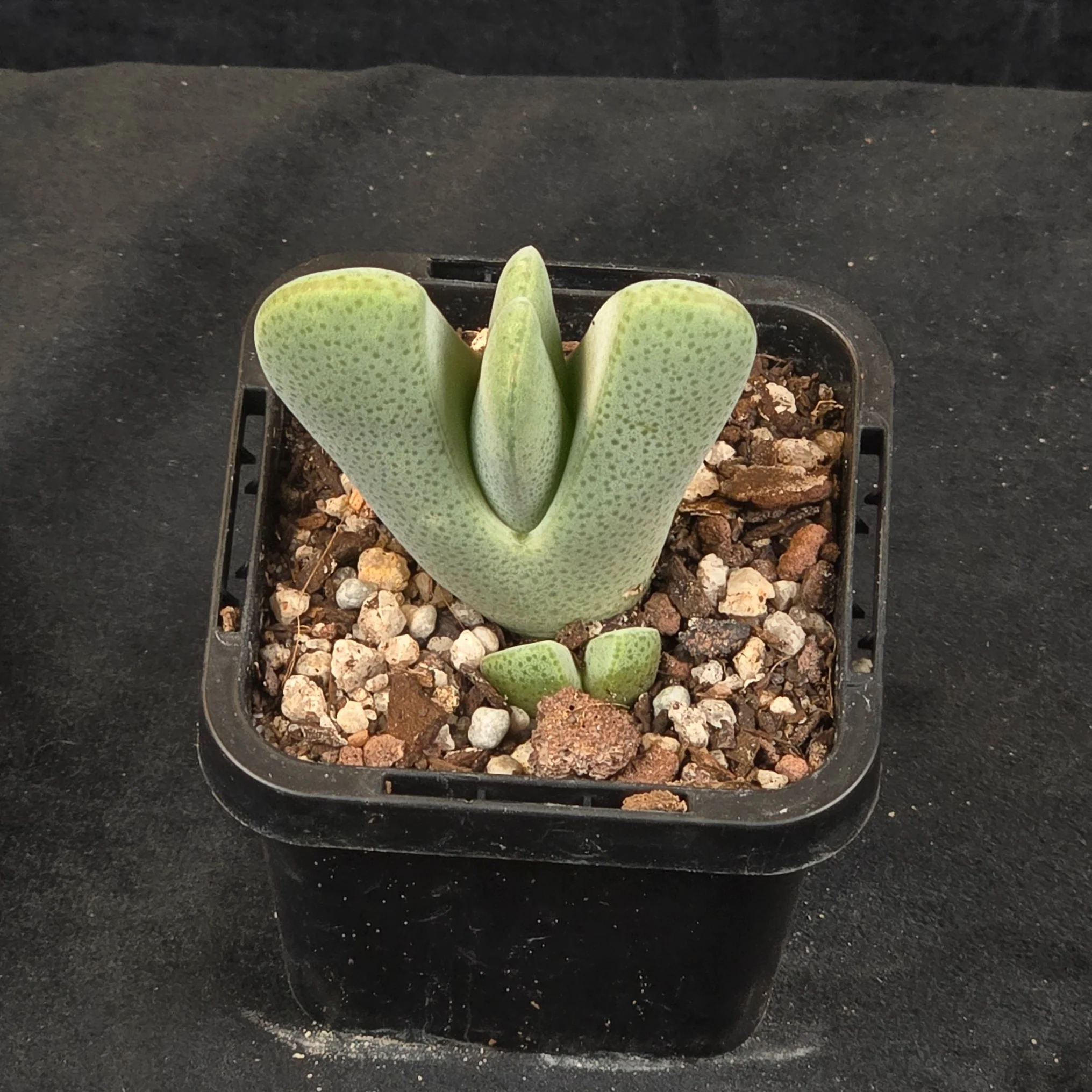
Cheiridopsis pillansii, known commonly as Hoof Mesemb, is an intriguing succulent native to the arid regions of South Africa. Renowned for its uniquely shaped leaves resembling miniature hooves and striking floral displays, this plant offers distinctive appeal to succulent enthusiasts.
Distinctive Features
- Leaves: Thick, fleshy, grey-green leaves arranged in pairs, resembling tiny hoof-like structures, often with a waxy or powdery coating.
- Flowers: Bright yellow to orange daisy-like blooms emerging prominently during winter or early spring, providing vibrant colour contrast.
- Growth Habit: Compact and clumping, ideal for rock gardens, small pots, or succulent arrangements.
Care Tips
- Light: Prefers bright direct sunlight or partial shade; ample sun exposure promotes optimal leaf colour and flowering.
- Water: Minimal watering; allow soil to dry completely between waterings, with very limited water in summer dormancy.
- Humidity: Ideal in low humidity environments, perfect for dry or indoor conditions.
- Temperature: Performs best between 10°C and 25°C; protect from frost and prolonged cold below 5°C.
- Fertiliser: Fertilise lightly with a diluted succulent fertiliser once or twice during the growing season.
- Repotting: Repot only when necessary, typically every 3-4 years, using a well-draining succulent soil mix.
More Images
Cheiridopsis pillansii - Hoof Mesemb
Cheiridopsis pillansii, known commonly as Hoof Mesemb, is an intriguing succulent native to the arid regions of South Africa. Renowned for its uniquely shaped leaves resembling miniature hooves and striking floral displays, this plant offers distinctive appeal to succulent enthusiasts.
Distinctive Features
- Leaves: Thick, fleshy, grey-green leaves arranged in pairs, resembling tiny hoof-like structures, often with a waxy or powdery coating.
- Flowers: Bright yellow to orange daisy-like blooms emerging prominently during winter or early spring, providing vibrant colour contrast.
- Growth Habit: Compact and clumping, ideal for rock gardens, small pots, or succulent arrangements.
Care Tips
- Light: Prefers bright direct sunlight or partial shade; ample sun exposure promotes optimal leaf colour and flowering.
- Water: Minimal watering; allow soil to dry completely between waterings, with very limited water in summer dormancy.
- Humidity: Ideal in low humidity environments, perfect for dry or indoor conditions.
- Temperature: Performs best between 10°C and 25°C; protect from frost and prolonged cold below 5°C.
- Fertiliser: Fertilise lightly with a diluted succulent fertiliser once or twice during the growing season.
- Repotting: Repot only when necessary, typically every 3-4 years, using a well-draining succulent soil mix.
Product Information
Product Information
Shipping & Returns
Shipping & Returns
Description
Cheiridopsis pillansii, known commonly as Hoof Mesemb, is an intriguing succulent native to the arid regions of South Africa. Renowned for its uniquely shaped leaves resembling miniature hooves and striking floral displays, this plant offers distinctive appeal to succulent enthusiasts.
Distinctive Features
- Leaves: Thick, fleshy, grey-green leaves arranged in pairs, resembling tiny hoof-like structures, often with a waxy or powdery coating.
- Flowers: Bright yellow to orange daisy-like blooms emerging prominently during winter or early spring, providing vibrant colour contrast.
- Growth Habit: Compact and clumping, ideal for rock gardens, small pots, or succulent arrangements.
Care Tips
- Light: Prefers bright direct sunlight or partial shade; ample sun exposure promotes optimal leaf colour and flowering.
- Water: Minimal watering; allow soil to dry completely between waterings, with very limited water in summer dormancy.
- Humidity: Ideal in low humidity environments, perfect for dry or indoor conditions.
- Temperature: Performs best between 10°C and 25°C; protect from frost and prolonged cold below 5°C.
- Fertiliser: Fertilise lightly with a diluted succulent fertiliser once or twice during the growing season.
- Repotting: Repot only when necessary, typically every 3-4 years, using a well-draining succulent soil mix.