Conophytum taylorianum – Rare Dwarf Mesemb
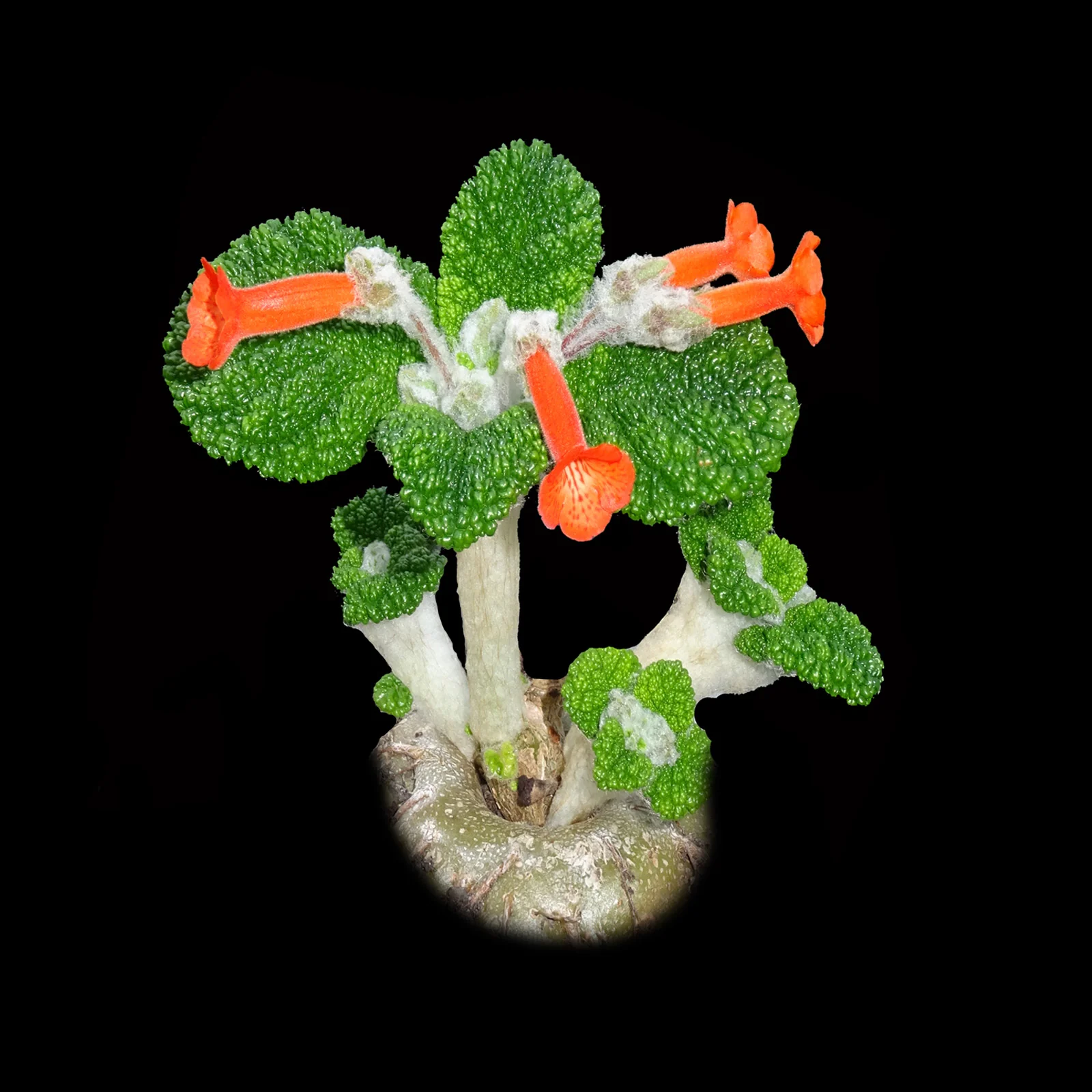
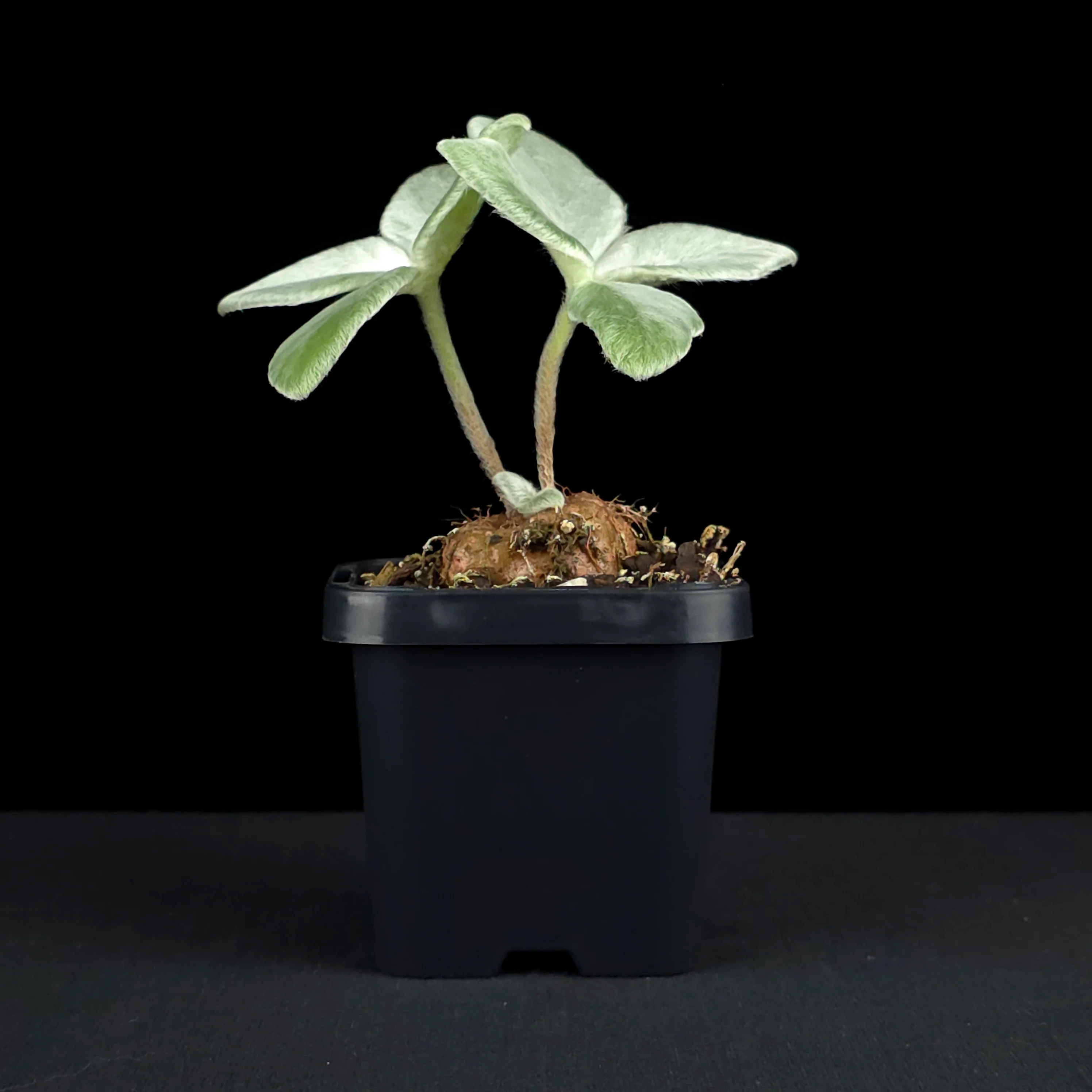
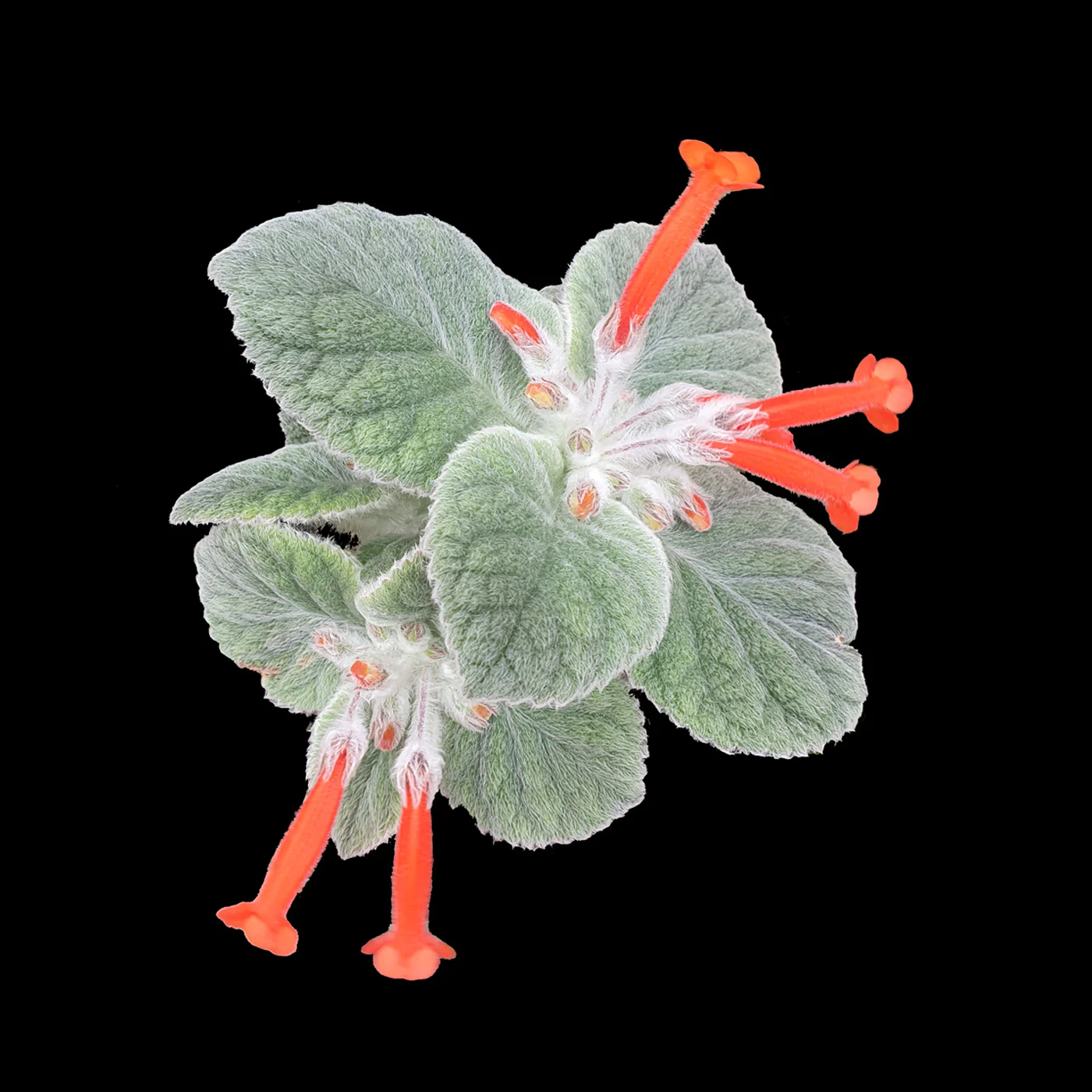
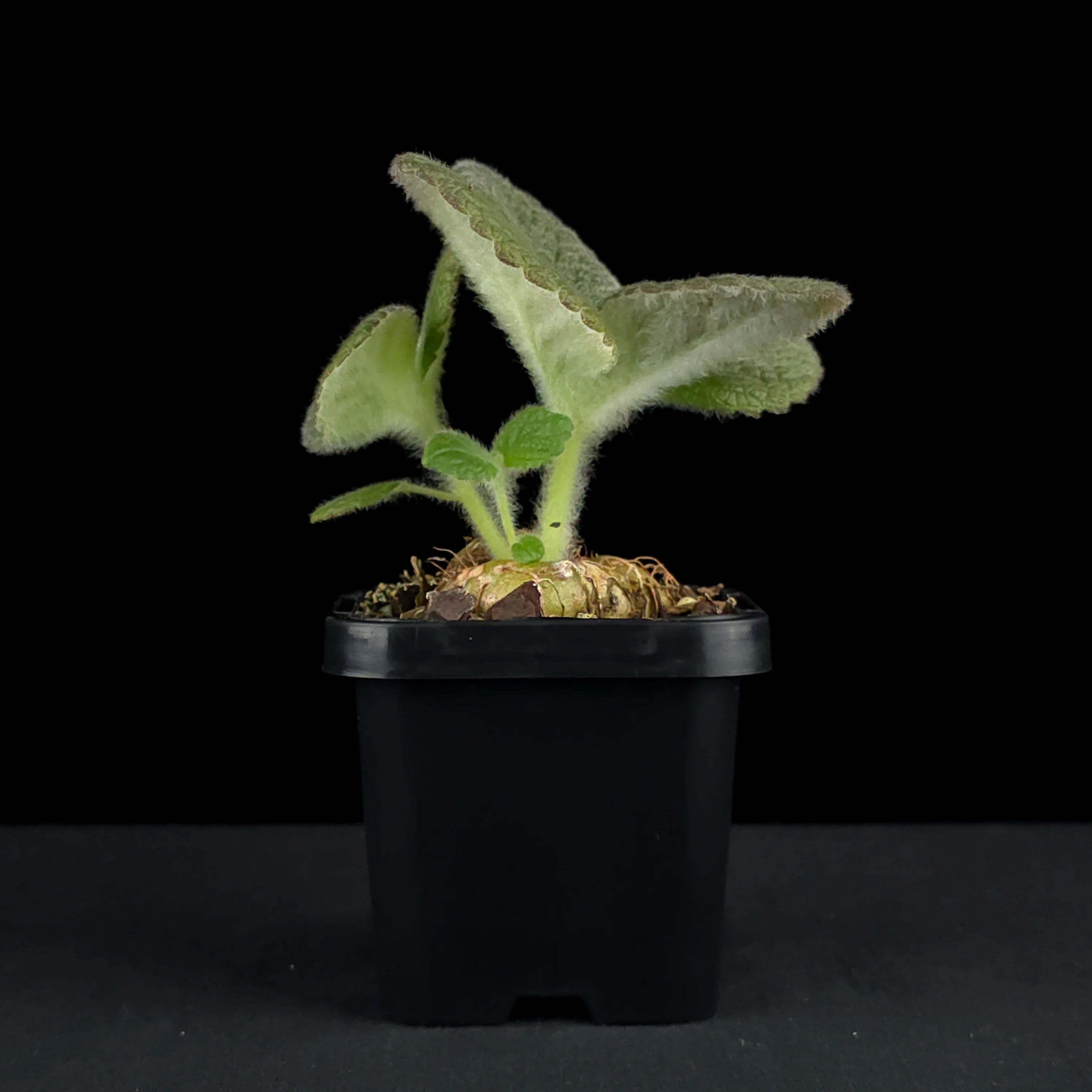
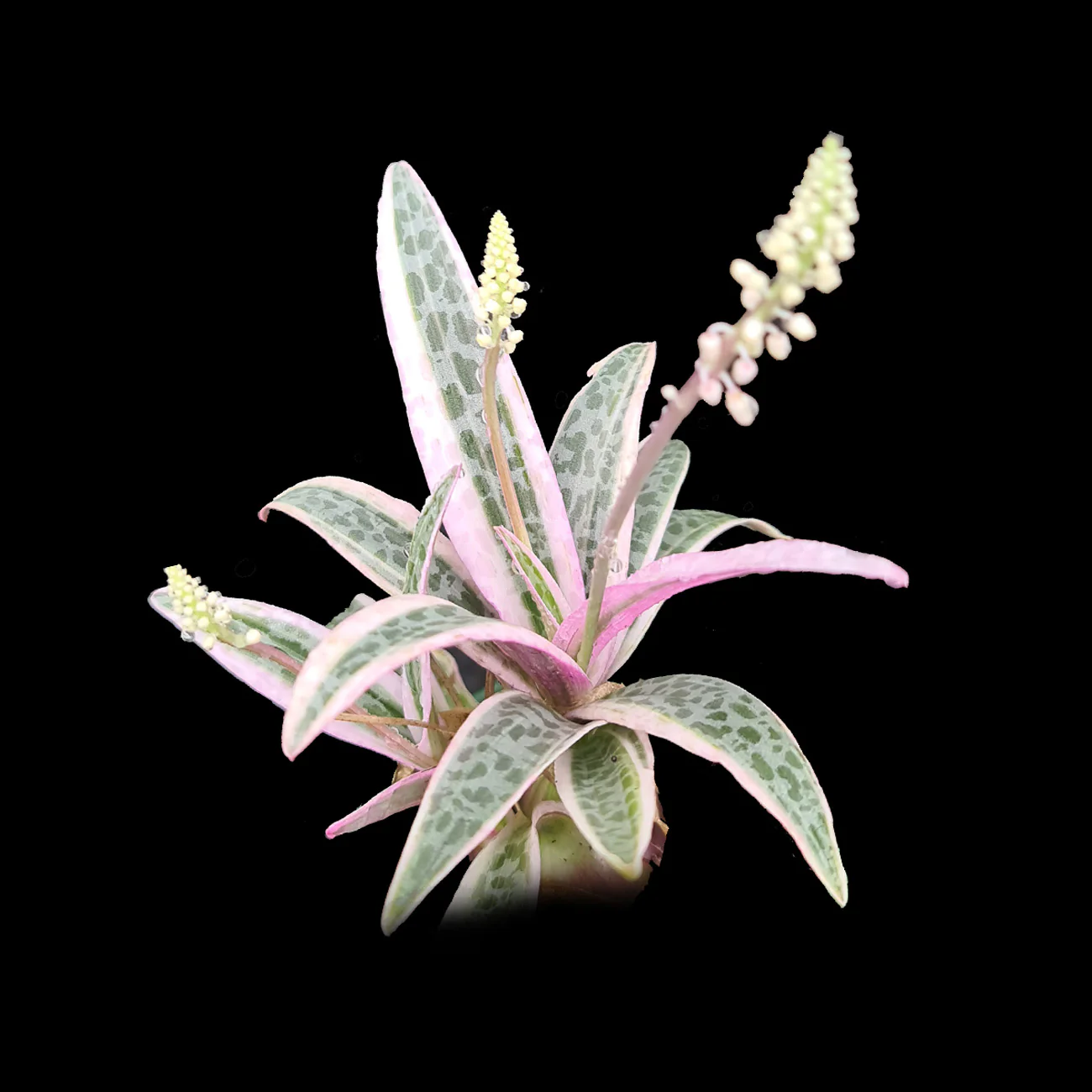
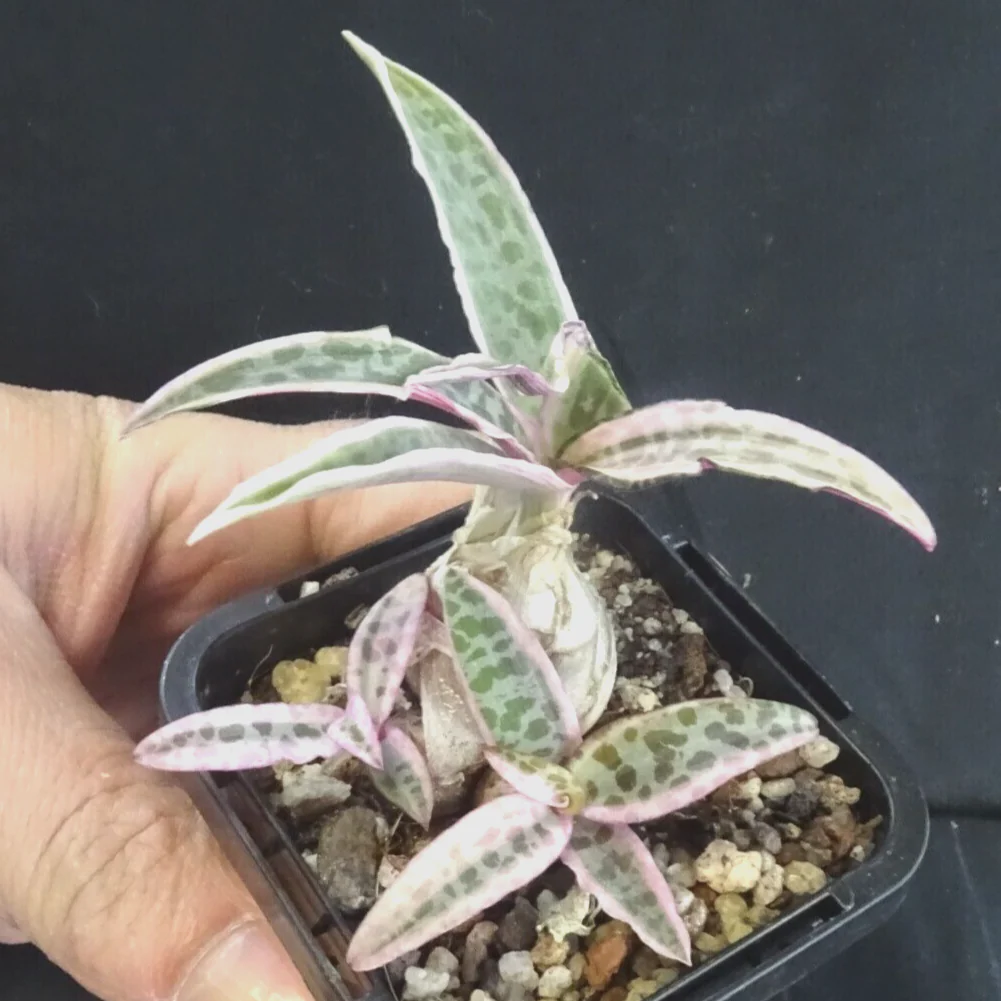
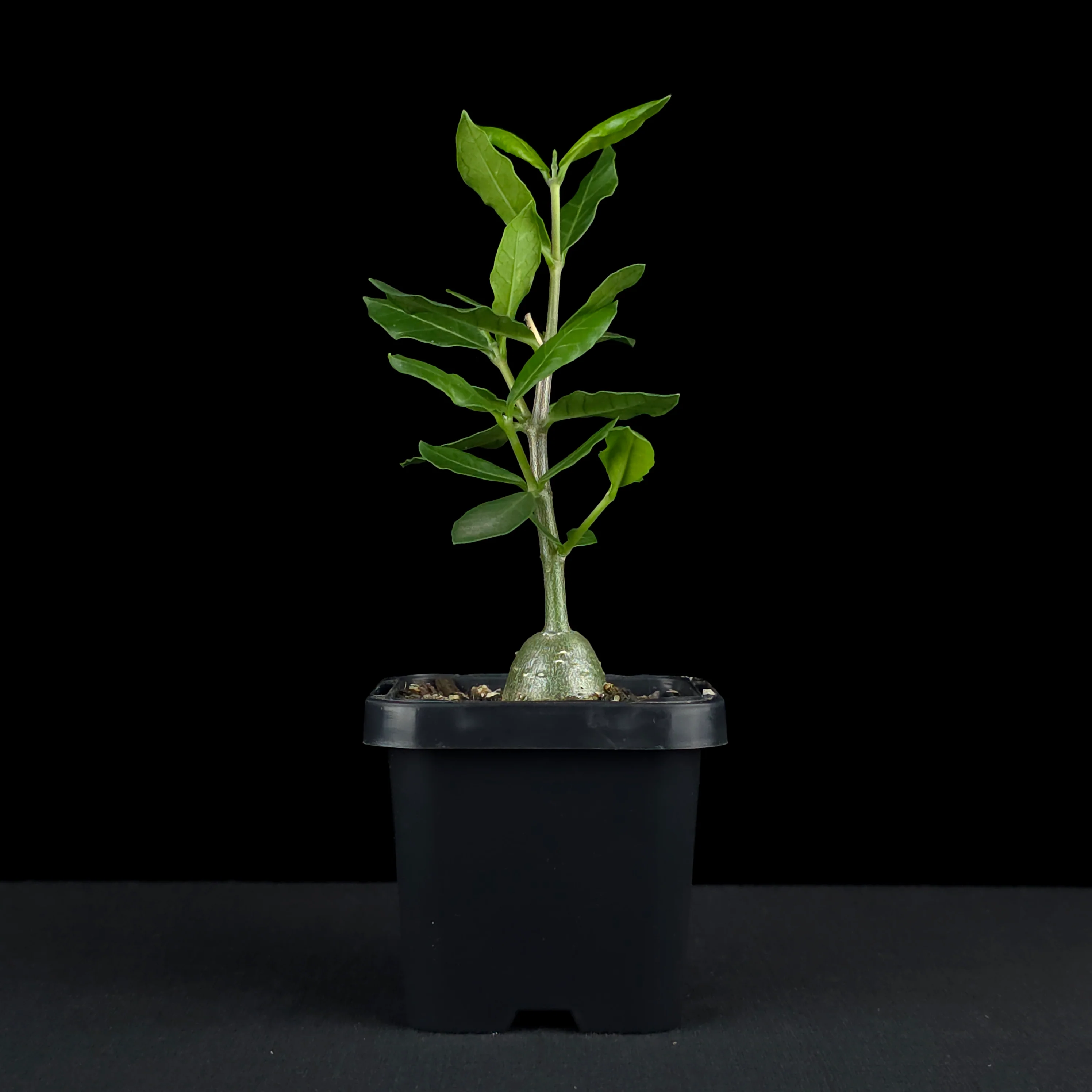
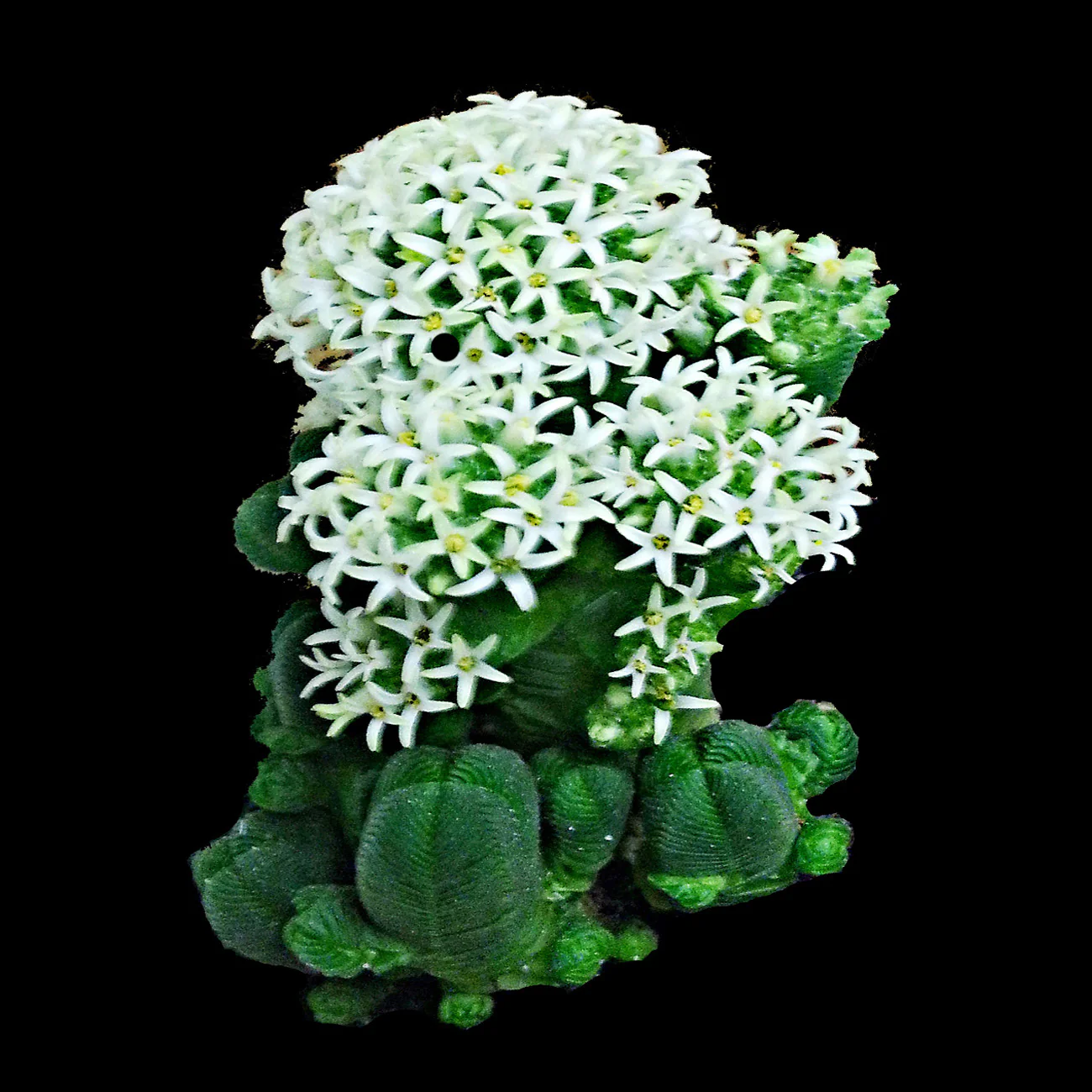
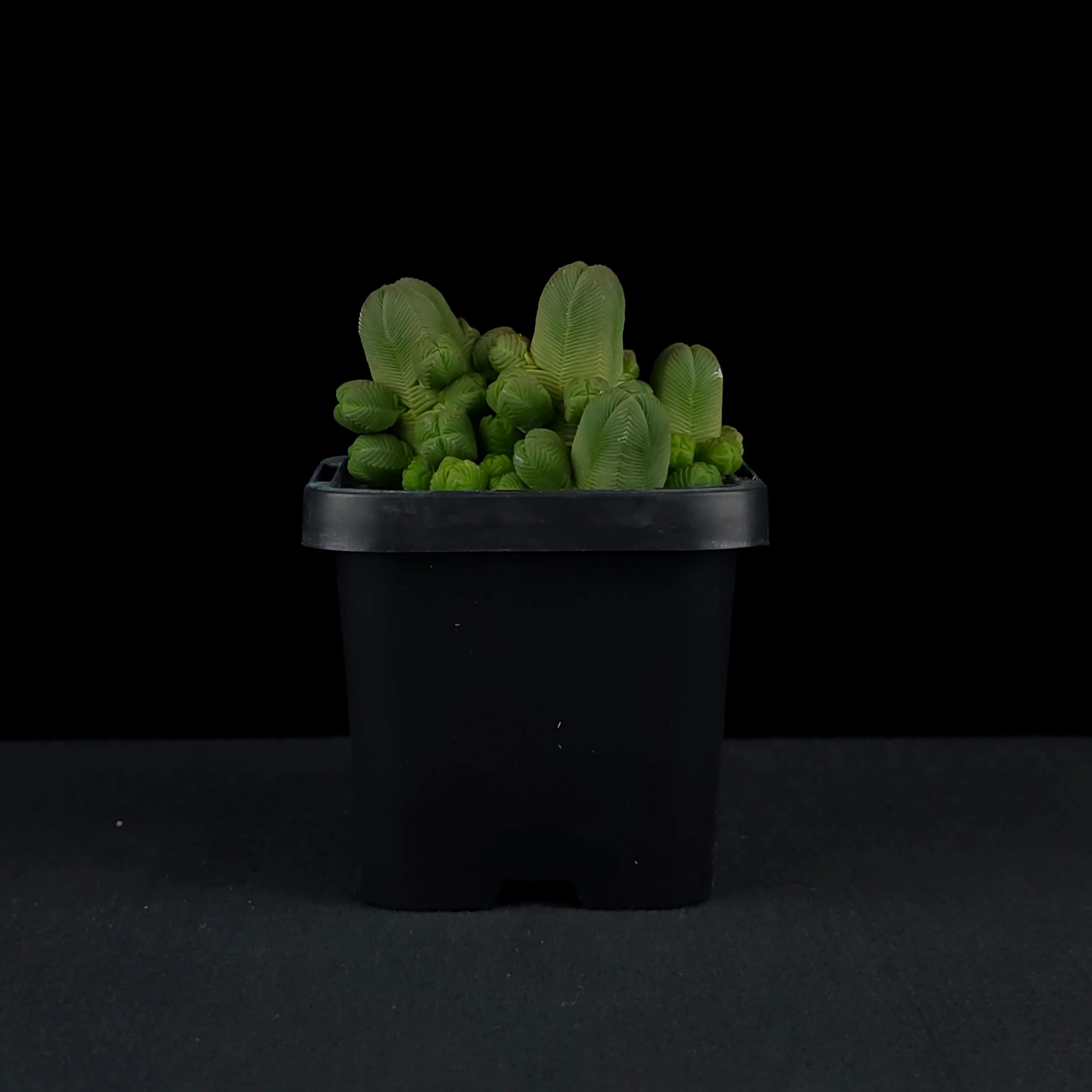
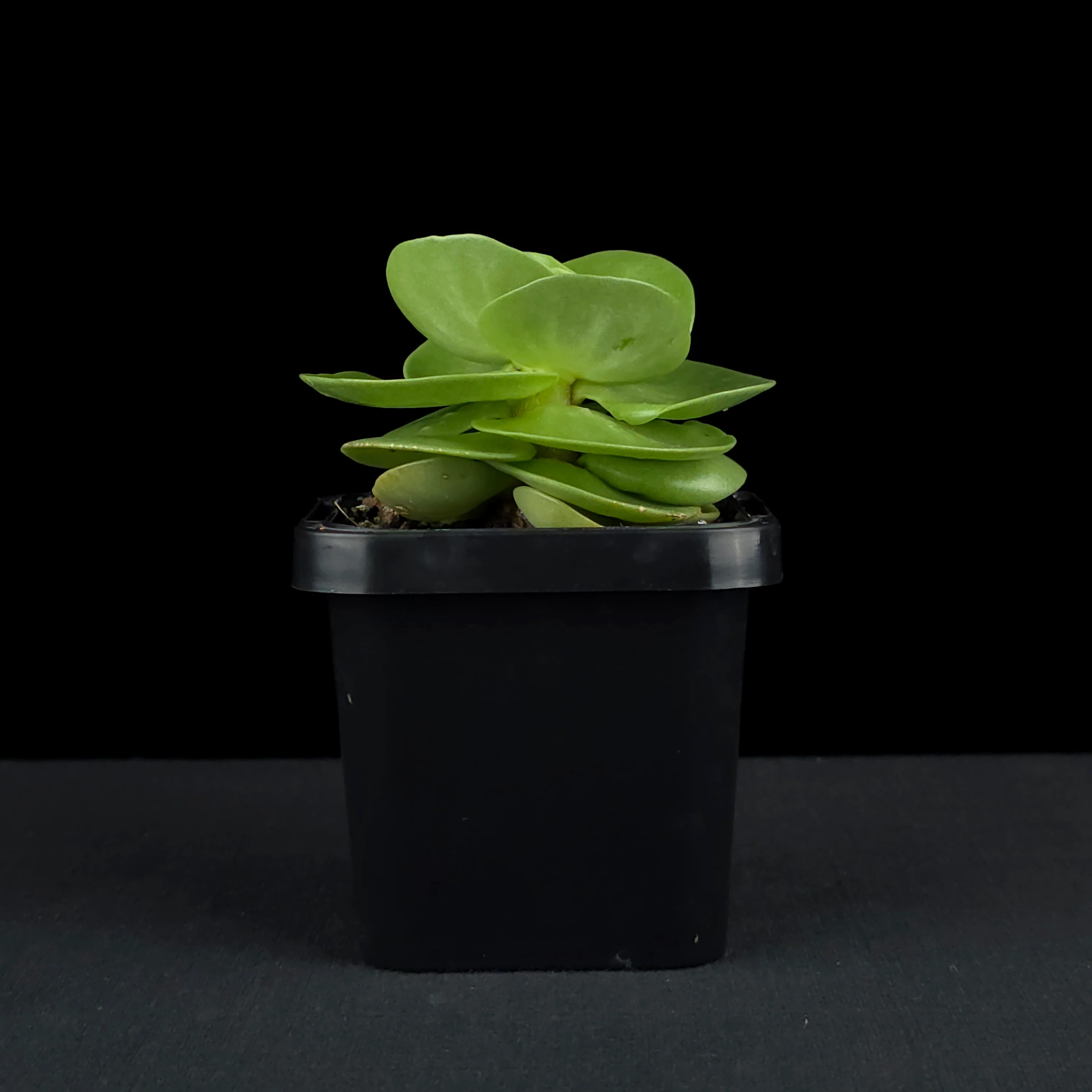
Conophytum taylorianum is a miniature succulent endemic to the dry regions of South Africa’s Northern Cape. It is especially treasured among collectors for its tiny, paired leaves and compact caespitose habit. Blooming at night with fragrant flowers, it belongs to a unique group of mesembs adapted to extreme aridity and seasonal dormancy.
Distinctive Features
- Tiny body size: Each head measures only a few millimetres, forming tight clusters over time.
- Seasonal dormancy: Encases itself in a papery sheath during dormancy to conserve moisture.
- Fragrant night flowers: Produces small, delicate flowers—typically pink or violet—that open after dusk.
Care Tips
- Light: Requires bright indirect light or gentle morning sun; avoid harsh afternoon exposure.
- Water: Minimal watering during growth (autumn to early spring); keep dry in summer dormancy.
- Humidity: Prefers arid conditions; high humidity can cause rot.
- Media: Use a sharply draining mix, ideally with fine grit and minimal organic matter.
- Temperature: Thrives between 5–25°C; avoid frost exposure.
- Fertiliser: Apply a very dilute, low-nitrogen fertiliser at the start of active growth.
- Repotting: Rarely needed due to slow growth; repot every few years to refresh the mix.
Original: $17.50
-65%$17.50
$6.12More Images

Conophytum taylorianum – Rare Dwarf Mesemb
Conophytum taylorianum is a miniature succulent endemic to the dry regions of South Africa’s Northern Cape. It is especially treasured among collectors for its tiny, paired leaves and compact caespitose habit. Blooming at night with fragrant flowers, it belongs to a unique group of mesembs adapted to extreme aridity and seasonal dormancy.
Distinctive Features
- Tiny body size: Each head measures only a few millimetres, forming tight clusters over time.
- Seasonal dormancy: Encases itself in a papery sheath during dormancy to conserve moisture.
- Fragrant night flowers: Produces small, delicate flowers—typically pink or violet—that open after dusk.
Care Tips
- Light: Requires bright indirect light or gentle morning sun; avoid harsh afternoon exposure.
- Water: Minimal watering during growth (autumn to early spring); keep dry in summer dormancy.
- Humidity: Prefers arid conditions; high humidity can cause rot.
- Media: Use a sharply draining mix, ideally with fine grit and minimal organic matter.
- Temperature: Thrives between 5–25°C; avoid frost exposure.
- Fertiliser: Apply a very dilute, low-nitrogen fertiliser at the start of active growth.
- Repotting: Rarely needed due to slow growth; repot every few years to refresh the mix.
Product Information
Product Information
Shipping & Returns
Shipping & Returns
Description
Conophytum taylorianum is a miniature succulent endemic to the dry regions of South Africa’s Northern Cape. It is especially treasured among collectors for its tiny, paired leaves and compact caespitose habit. Blooming at night with fragrant flowers, it belongs to a unique group of mesembs adapted to extreme aridity and seasonal dormancy.
Distinctive Features
- Tiny body size: Each head measures only a few millimetres, forming tight clusters over time.
- Seasonal dormancy: Encases itself in a papery sheath during dormancy to conserve moisture.
- Fragrant night flowers: Produces small, delicate flowers—typically pink or violet—that open after dusk.
Care Tips
- Light: Requires bright indirect light or gentle morning sun; avoid harsh afternoon exposure.
- Water: Minimal watering during growth (autumn to early spring); keep dry in summer dormancy.
- Humidity: Prefers arid conditions; high humidity can cause rot.
- Media: Use a sharply draining mix, ideally with fine grit and minimal organic matter.
- Temperature: Thrives between 5–25°C; avoid frost exposure.
- Fertiliser: Apply a very dilute, low-nitrogen fertiliser at the start of active growth.
- Repotting: Rarely needed due to slow growth; repot every few years to refresh the mix.