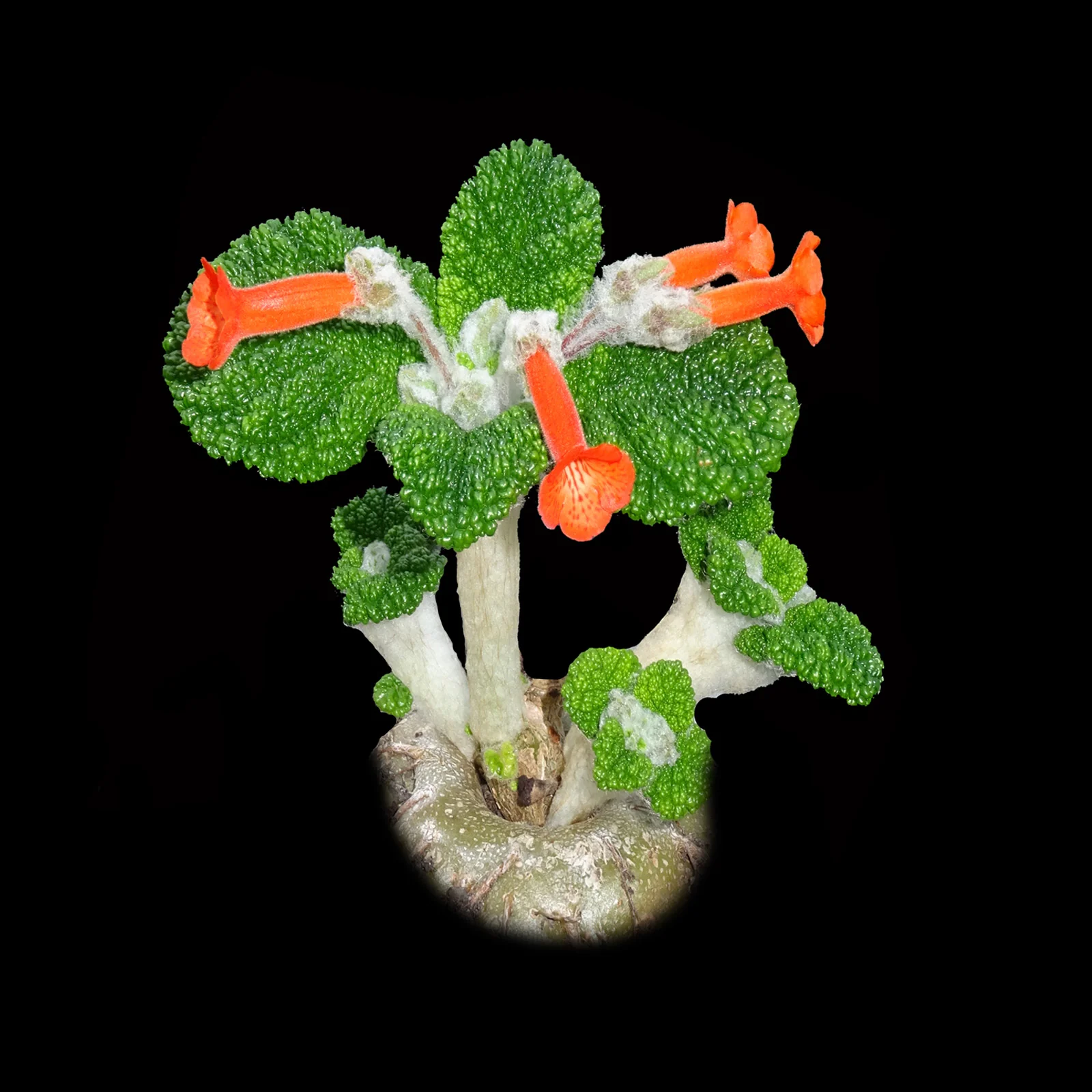
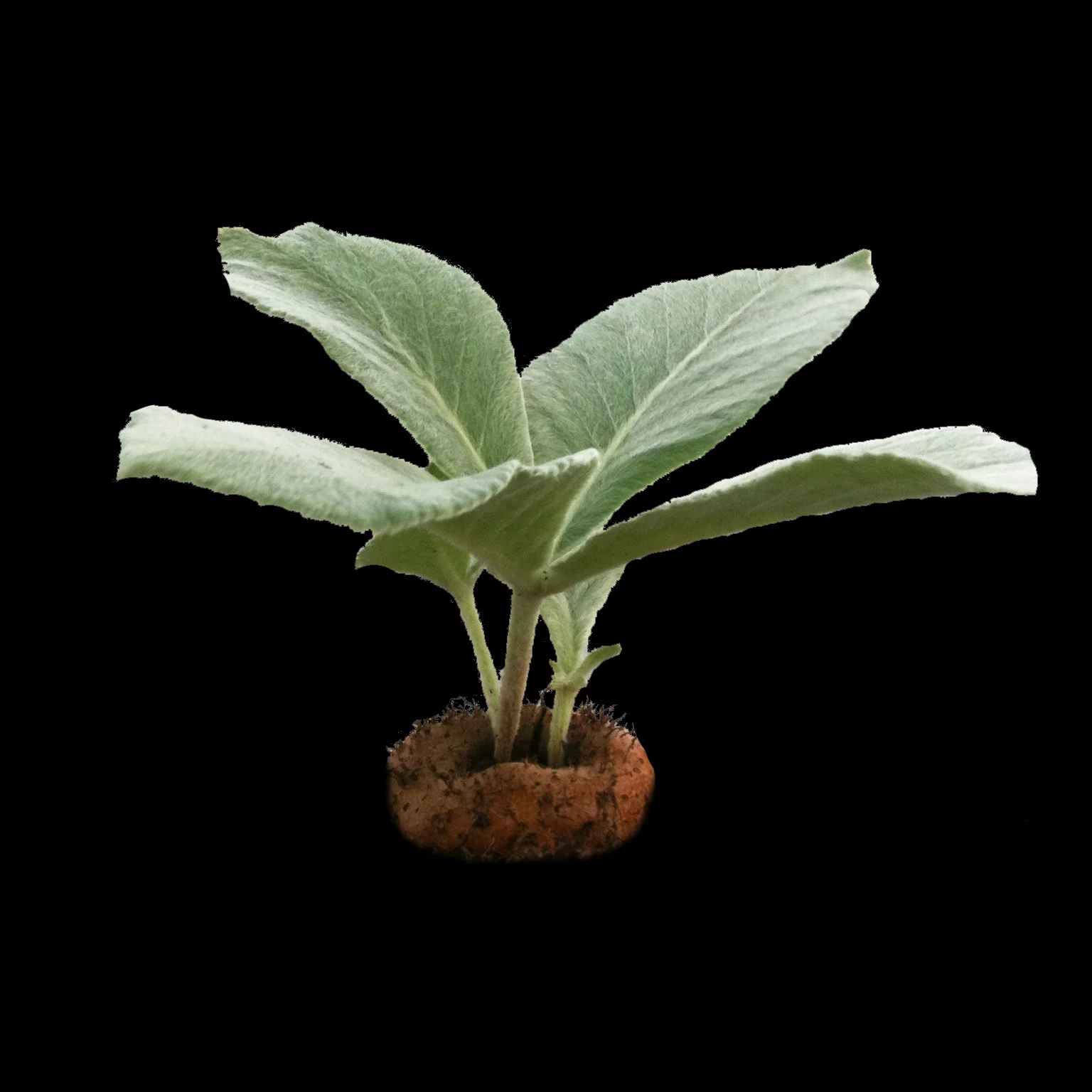
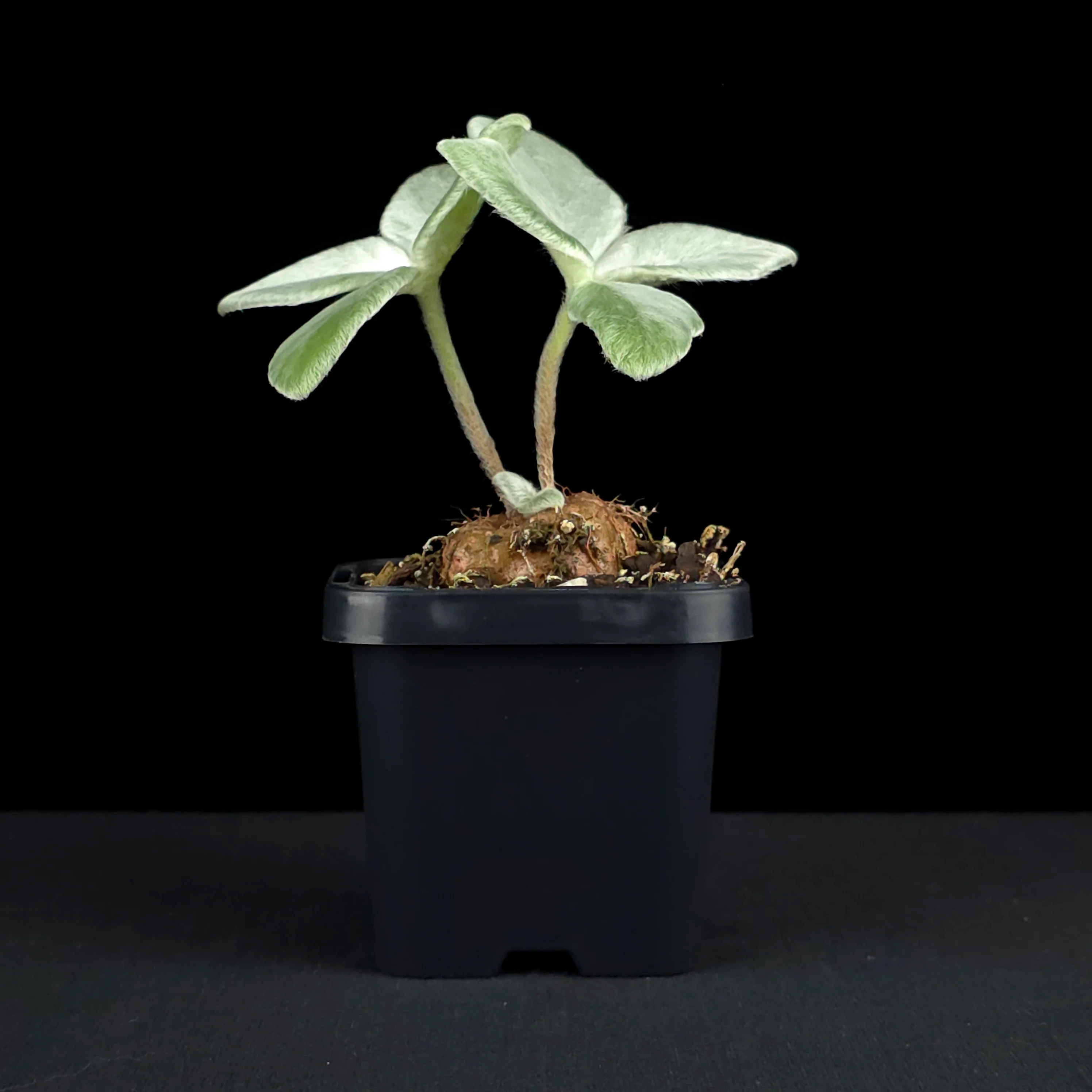
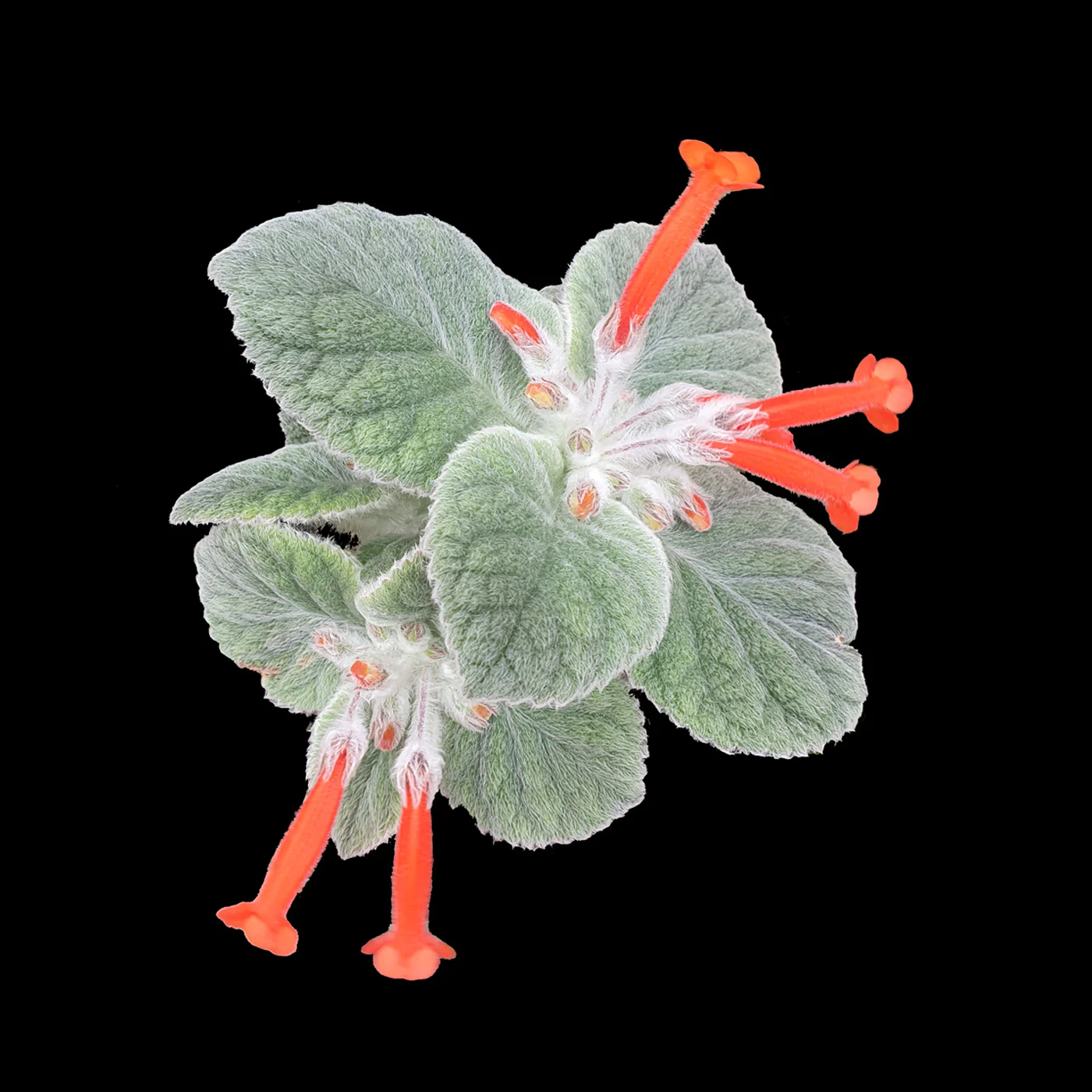
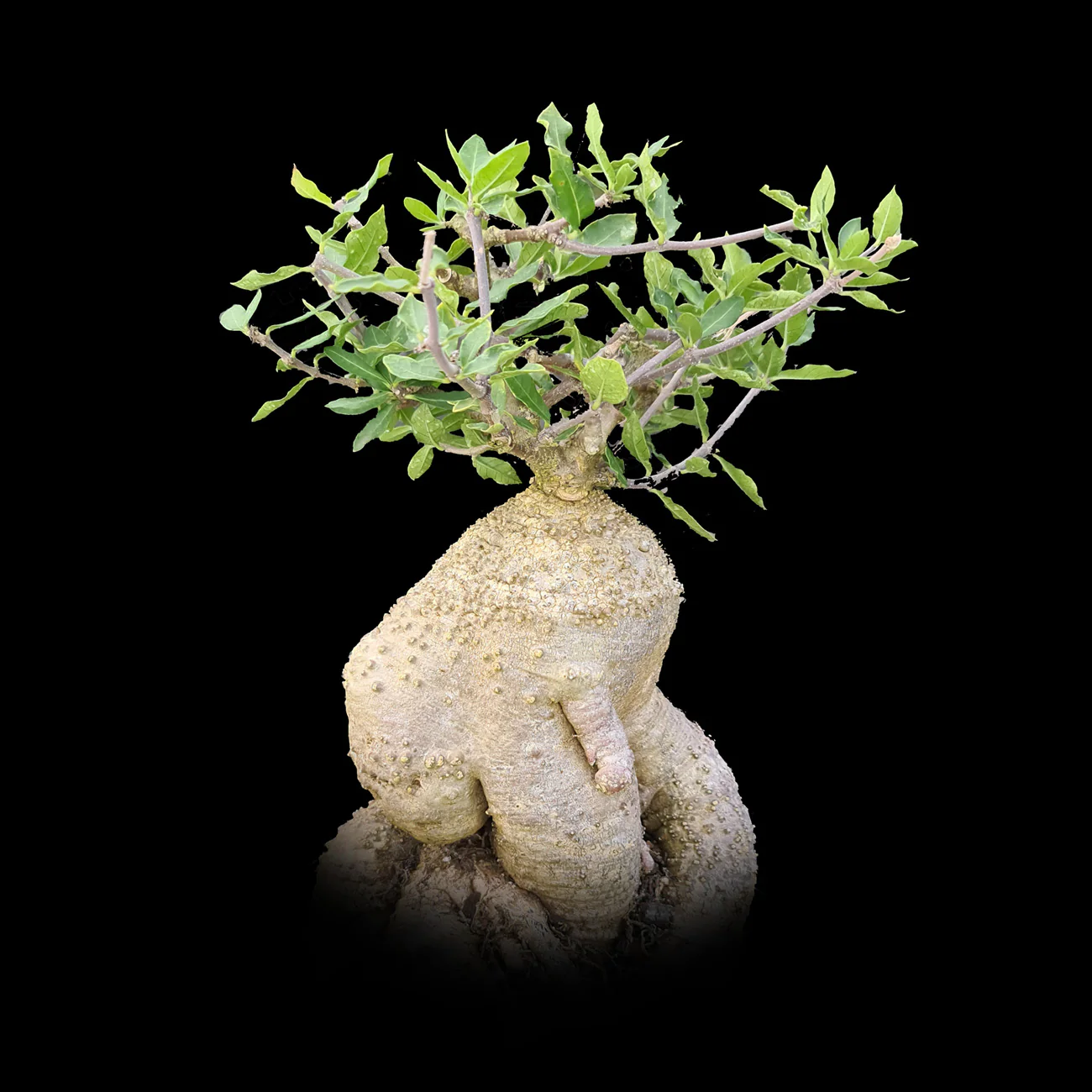
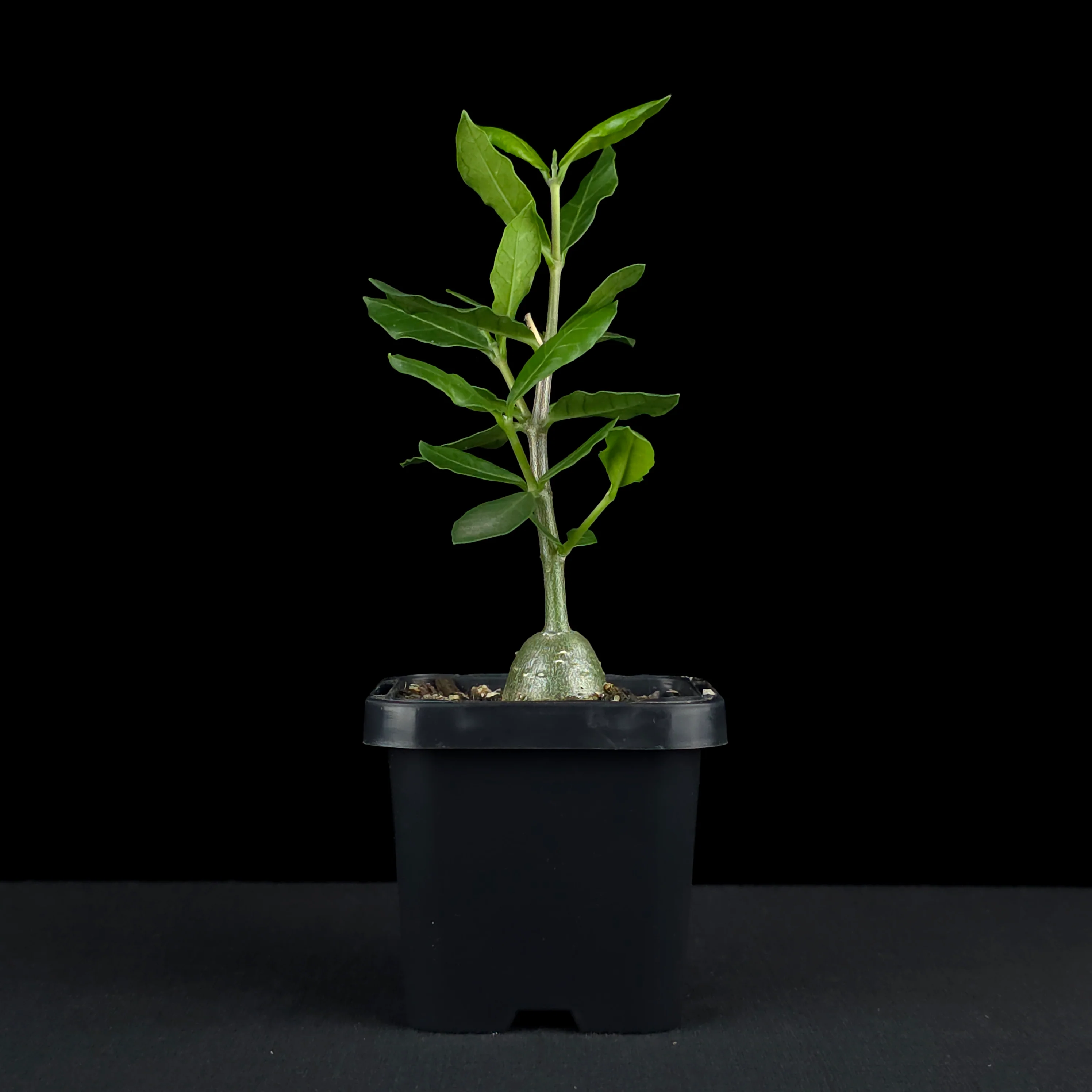
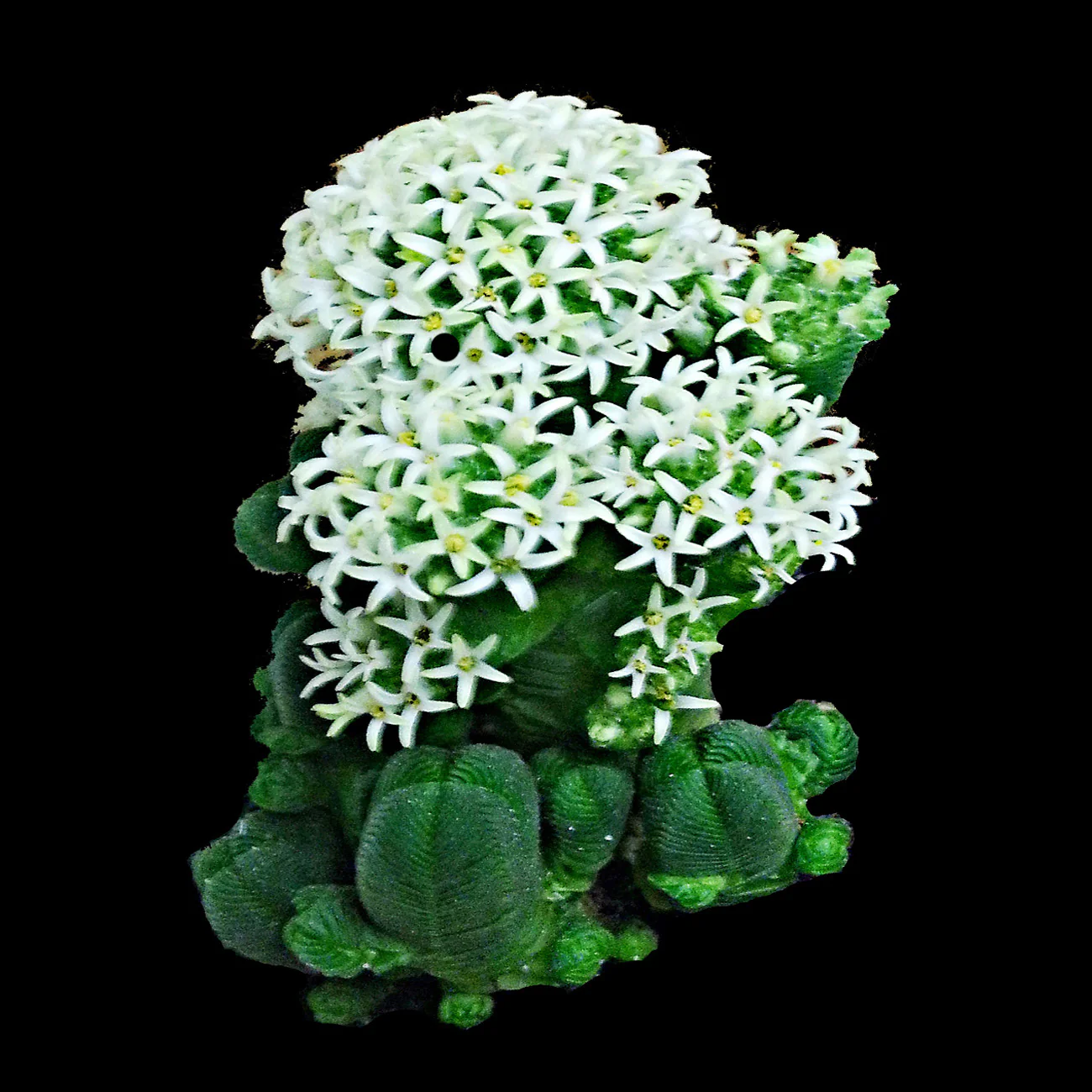
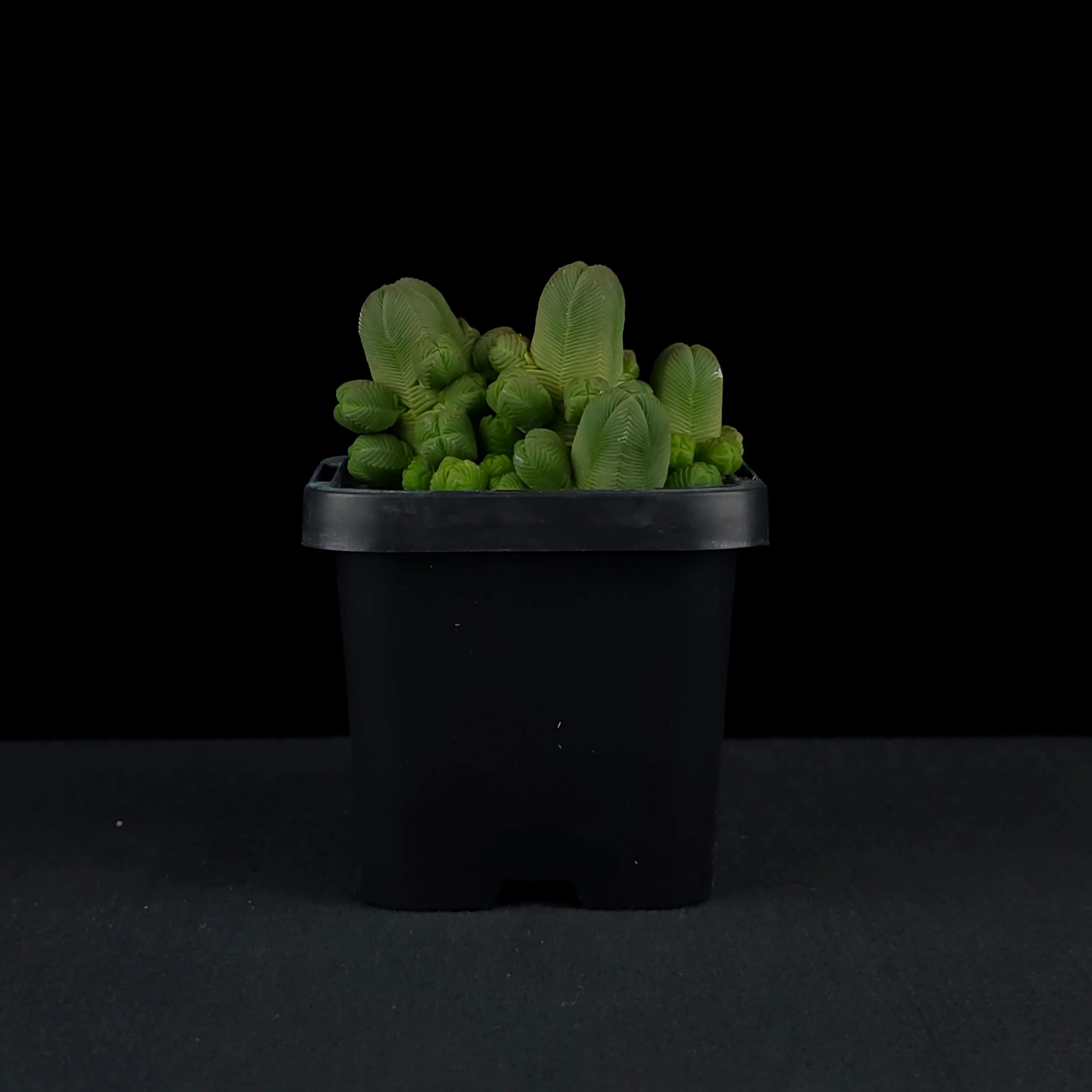
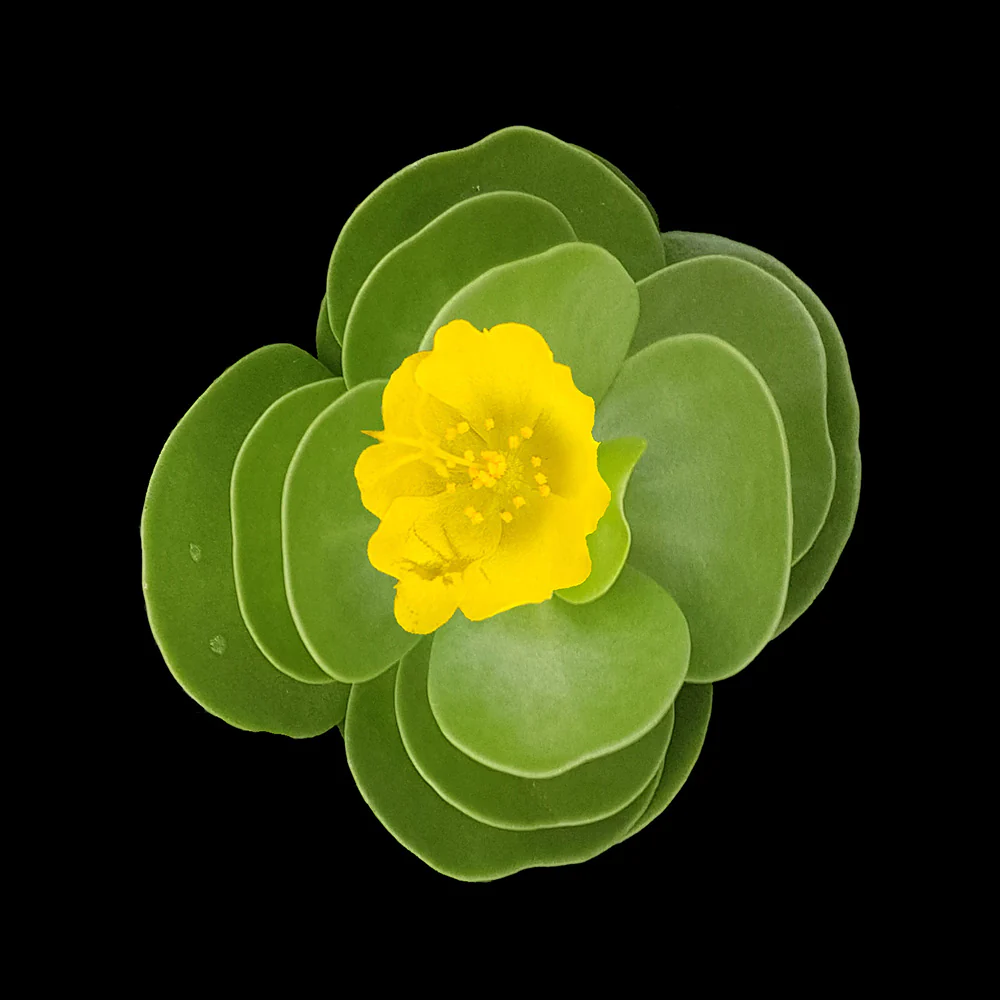
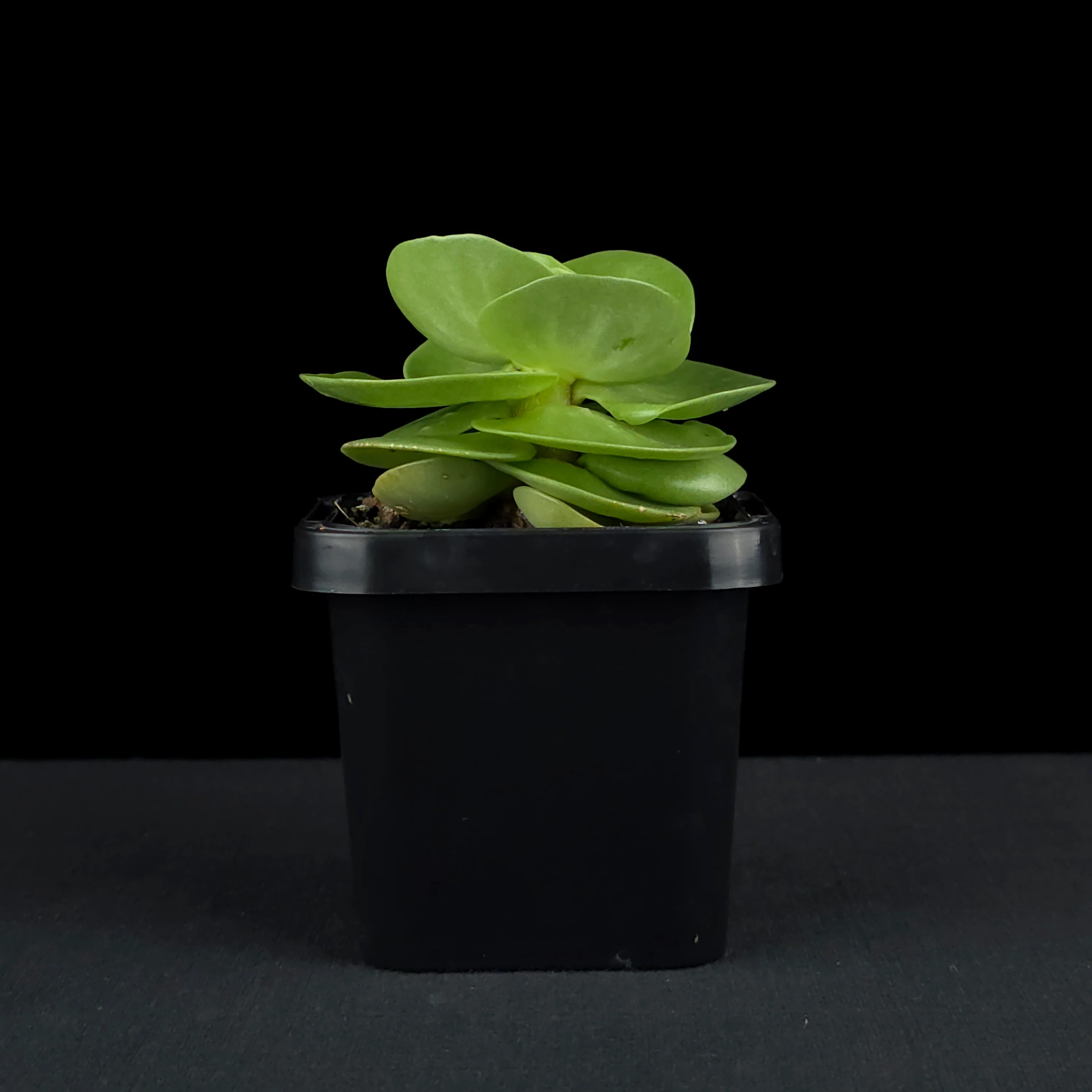
Ebracteola fulleri. Living stone plant
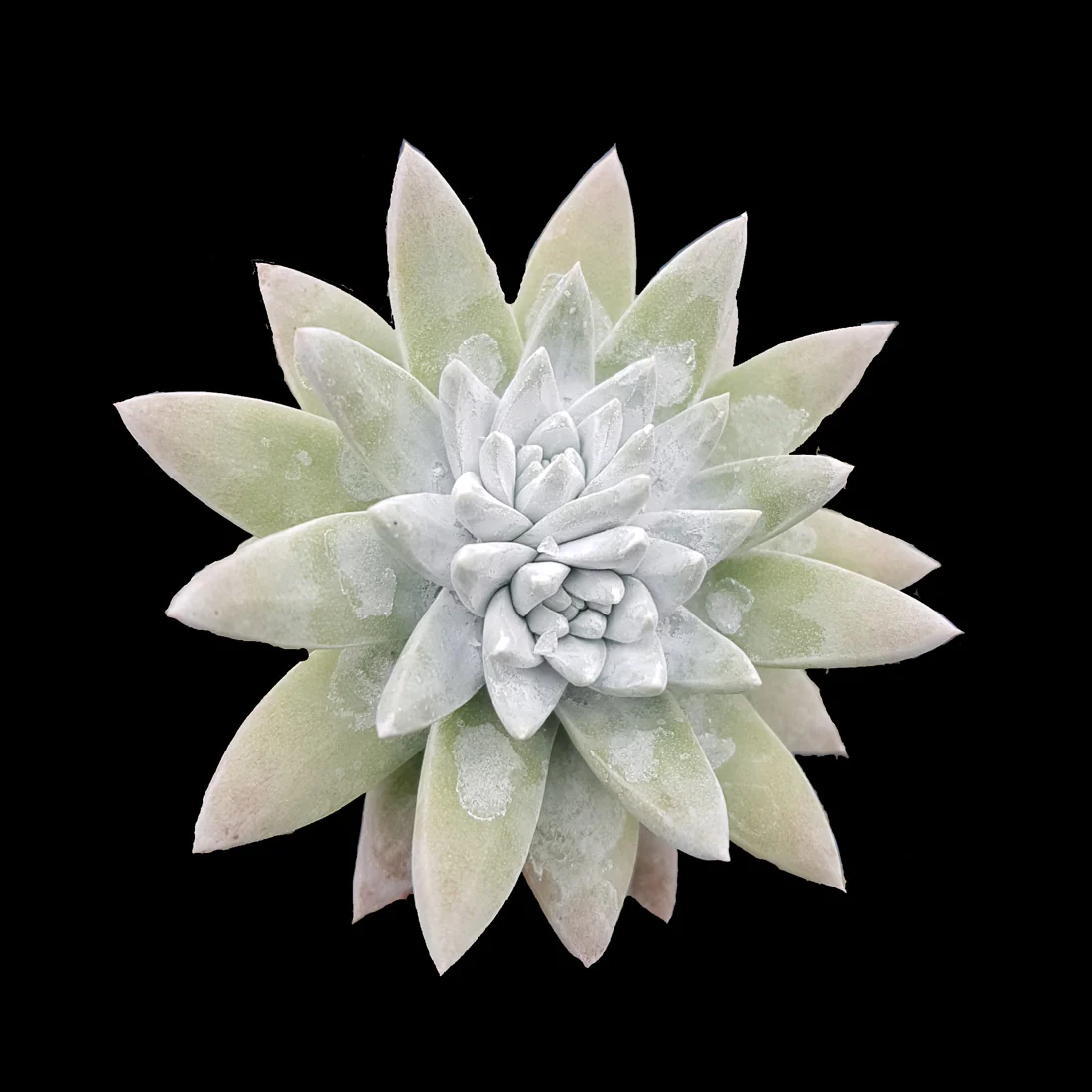
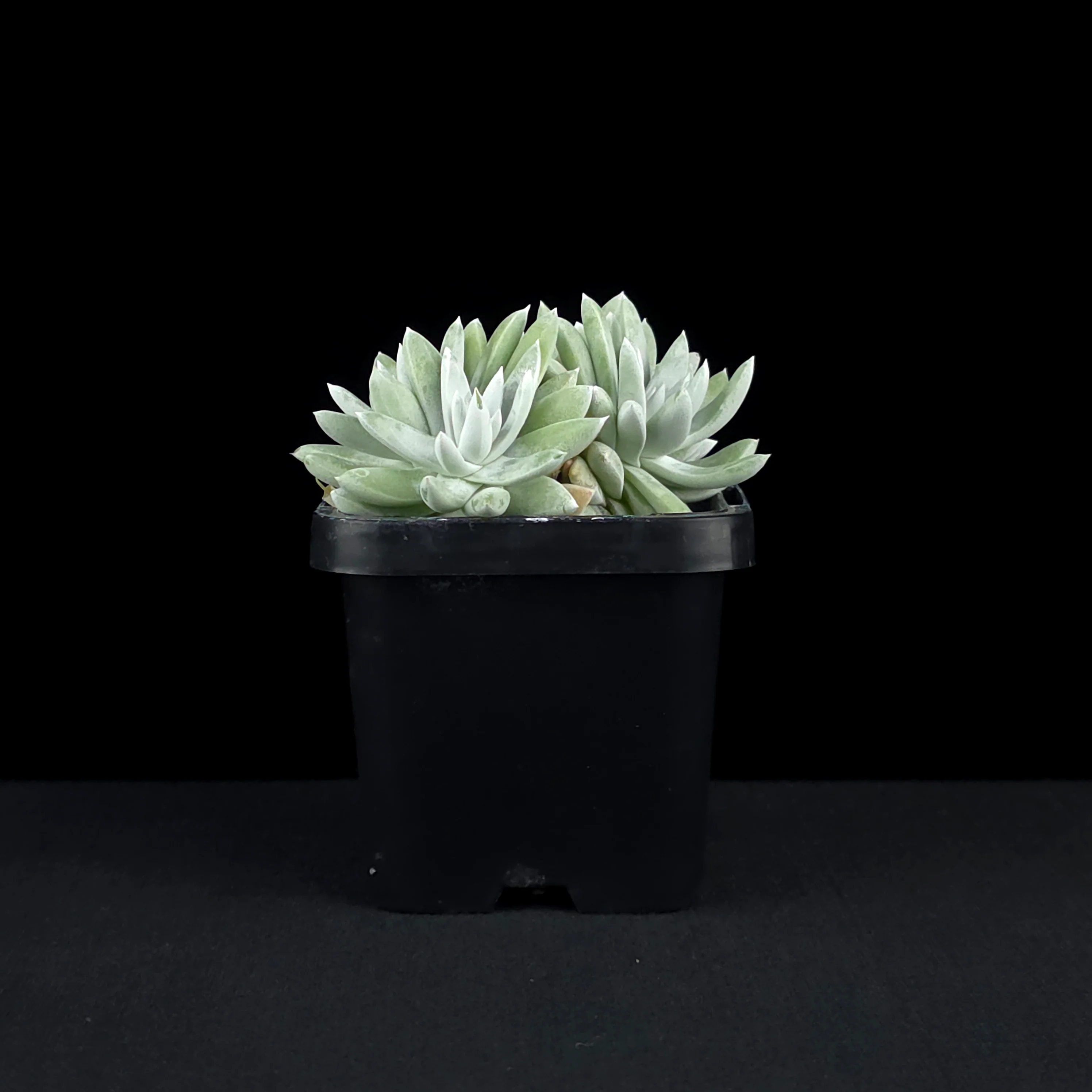
Ebracteola fulleri is a compact succulent endemic to the arid regions of the Northern Cape Province in South Africa, where it grows among quartzite gravel on rocky flats and slopes. It belongs to the family Aizoaceae and is currently accepted under the genus Ebracteola. The species has adapted to survive in highly mineralised soils with seasonal winter rainfall.
Distinctive features:
- Forms small, clump-forming mats with upright to spreading growth
- Leaves are smooth, grey-green to bluish, triangular in cross-section with a blunt tip
- Flowers are daisy-like, often pink to magenta with a white centre, opening in full sun
- Produces solitary flowers from the centre of the leaf pair, mainly in late winter to early spring
- Capsules have hygrochastic valves, opening in response to moisture to release seeds
Care Tips:
- Light: Prefers full sun to very bright conditions
- Water: Water sparingly; allow the soil to fully dry between waterings
- Humidity: Requires low humidity to prevent rot
- Media: Use a sharply draining mineral-rich mix with minimal organic matter
- Temperature: Tolerant of mild frost when dry; ideal range is 10–25 °C
- Fertiliser: Apply a diluted, low-nitrogen fertiliser in the active growth season
- Repotting: Repot only when necessary; disturb roots as little as possible
Additional Notes:
- Known to be toxic
Original: $15.00
-65%$15.00
$5.25More Images


Ebracteola fulleri. Living stone plant
Ebracteola fulleri is a compact succulent endemic to the arid regions of the Northern Cape Province in South Africa, where it grows among quartzite gravel on rocky flats and slopes. It belongs to the family Aizoaceae and is currently accepted under the genus Ebracteola. The species has adapted to survive in highly mineralised soils with seasonal winter rainfall.
Distinctive features:
- Forms small, clump-forming mats with upright to spreading growth
- Leaves are smooth, grey-green to bluish, triangular in cross-section with a blunt tip
- Flowers are daisy-like, often pink to magenta with a white centre, opening in full sun
- Produces solitary flowers from the centre of the leaf pair, mainly in late winter to early spring
- Capsules have hygrochastic valves, opening in response to moisture to release seeds
Care Tips:
- Light: Prefers full sun to very bright conditions
- Water: Water sparingly; allow the soil to fully dry between waterings
- Humidity: Requires low humidity to prevent rot
- Media: Use a sharply draining mineral-rich mix with minimal organic matter
- Temperature: Tolerant of mild frost when dry; ideal range is 10–25 °C
- Fertiliser: Apply a diluted, low-nitrogen fertiliser in the active growth season
- Repotting: Repot only when necessary; disturb roots as little as possible
Additional Notes:
- Known to be toxic
Product Information
Product Information
Shipping & Returns
Shipping & Returns
Description
Ebracteola fulleri is a compact succulent endemic to the arid regions of the Northern Cape Province in South Africa, where it grows among quartzite gravel on rocky flats and slopes. It belongs to the family Aizoaceae and is currently accepted under the genus Ebracteola. The species has adapted to survive in highly mineralised soils with seasonal winter rainfall.
Distinctive features:
- Forms small, clump-forming mats with upright to spreading growth
- Leaves are smooth, grey-green to bluish, triangular in cross-section with a blunt tip
- Flowers are daisy-like, often pink to magenta with a white centre, opening in full sun
- Produces solitary flowers from the centre of the leaf pair, mainly in late winter to early spring
- Capsules have hygrochastic valves, opening in response to moisture to release seeds
Care Tips:
- Light: Prefers full sun to very bright conditions
- Water: Water sparingly; allow the soil to fully dry between waterings
- Humidity: Requires low humidity to prevent rot
- Media: Use a sharply draining mineral-rich mix with minimal organic matter
- Temperature: Tolerant of mild frost when dry; ideal range is 10–25 °C
- Fertiliser: Apply a diluted, low-nitrogen fertiliser in the active growth season
- Repotting: Repot only when necessary; disturb roots as little as possible
Additional Notes:
- Known to be toxic