Pachypodium rosulatum
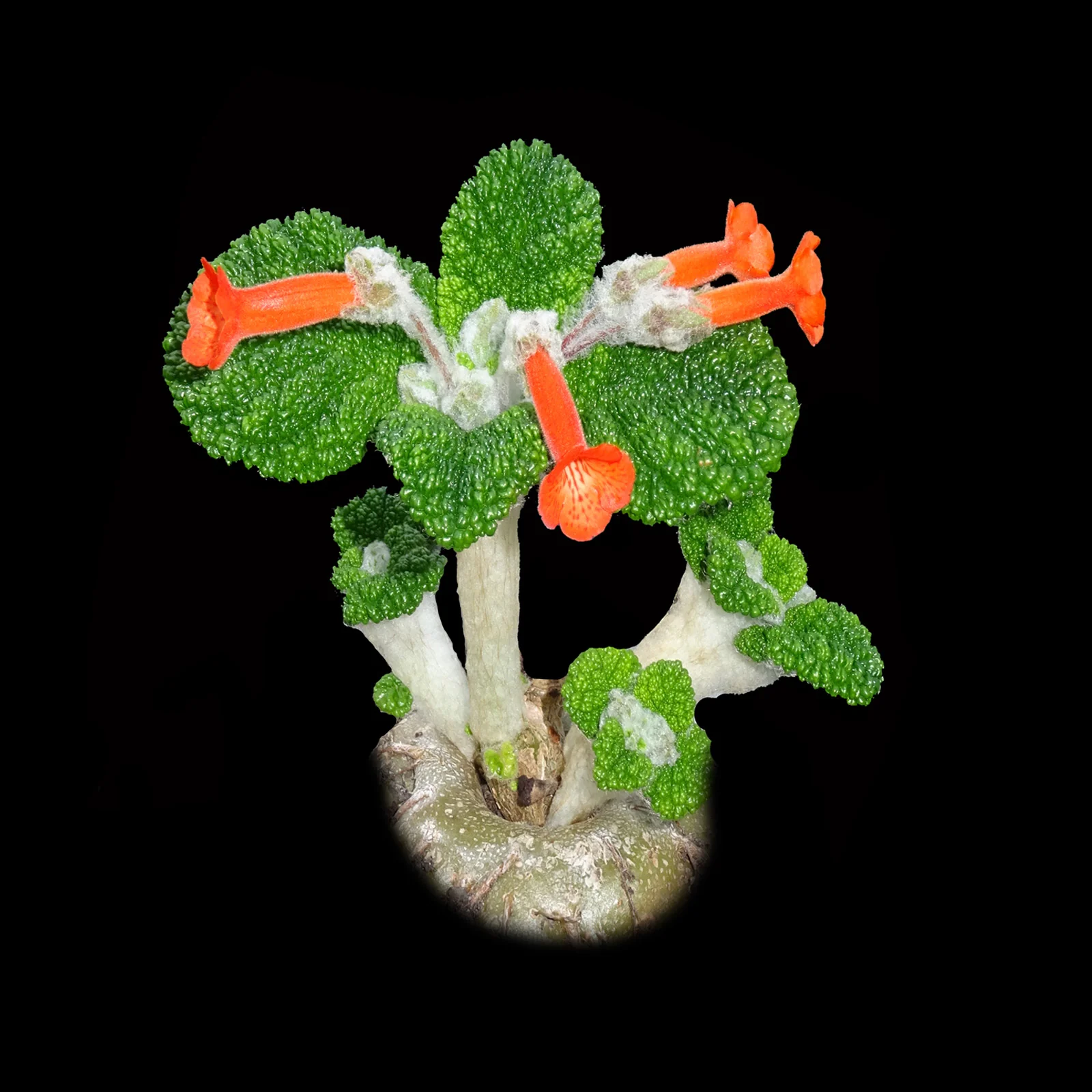
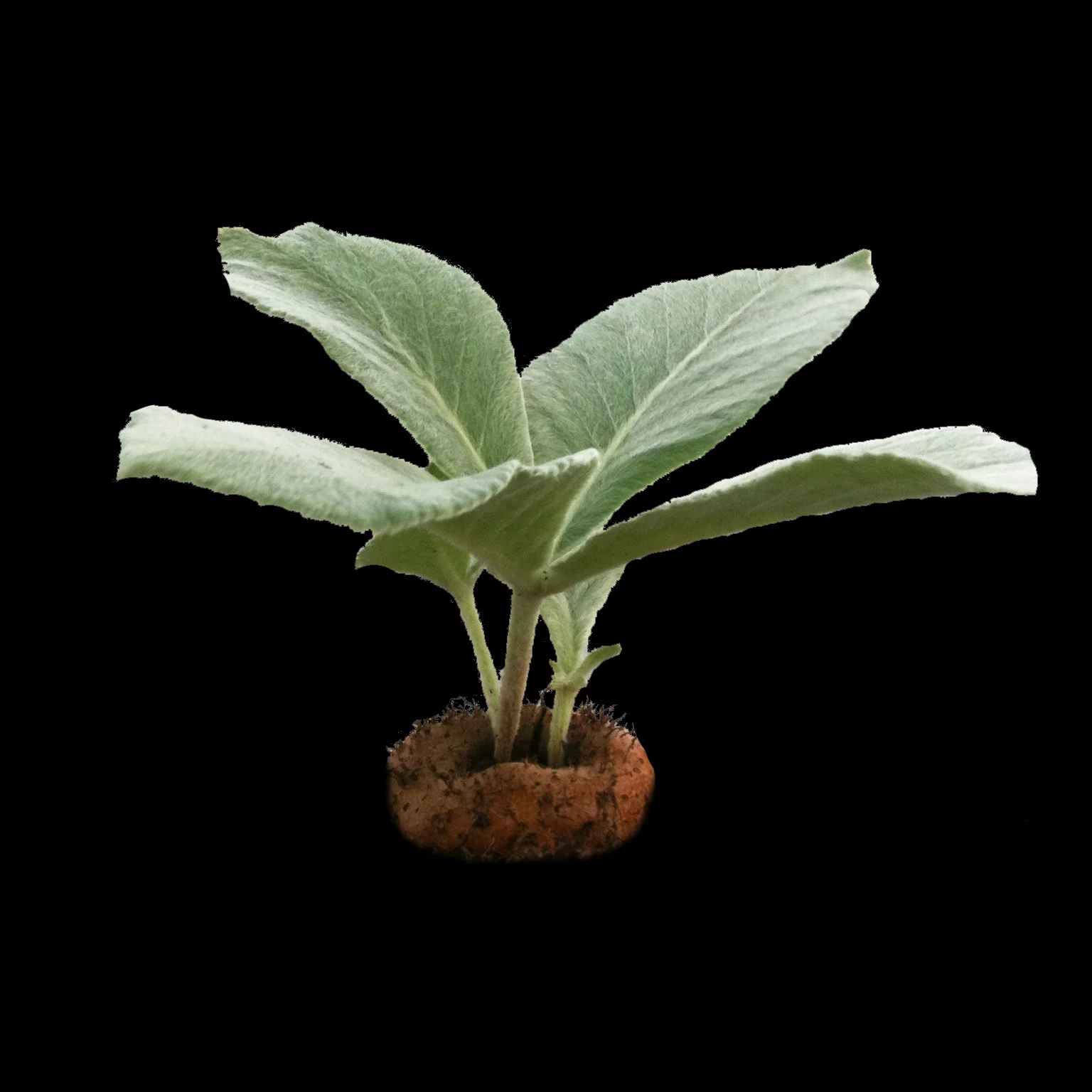
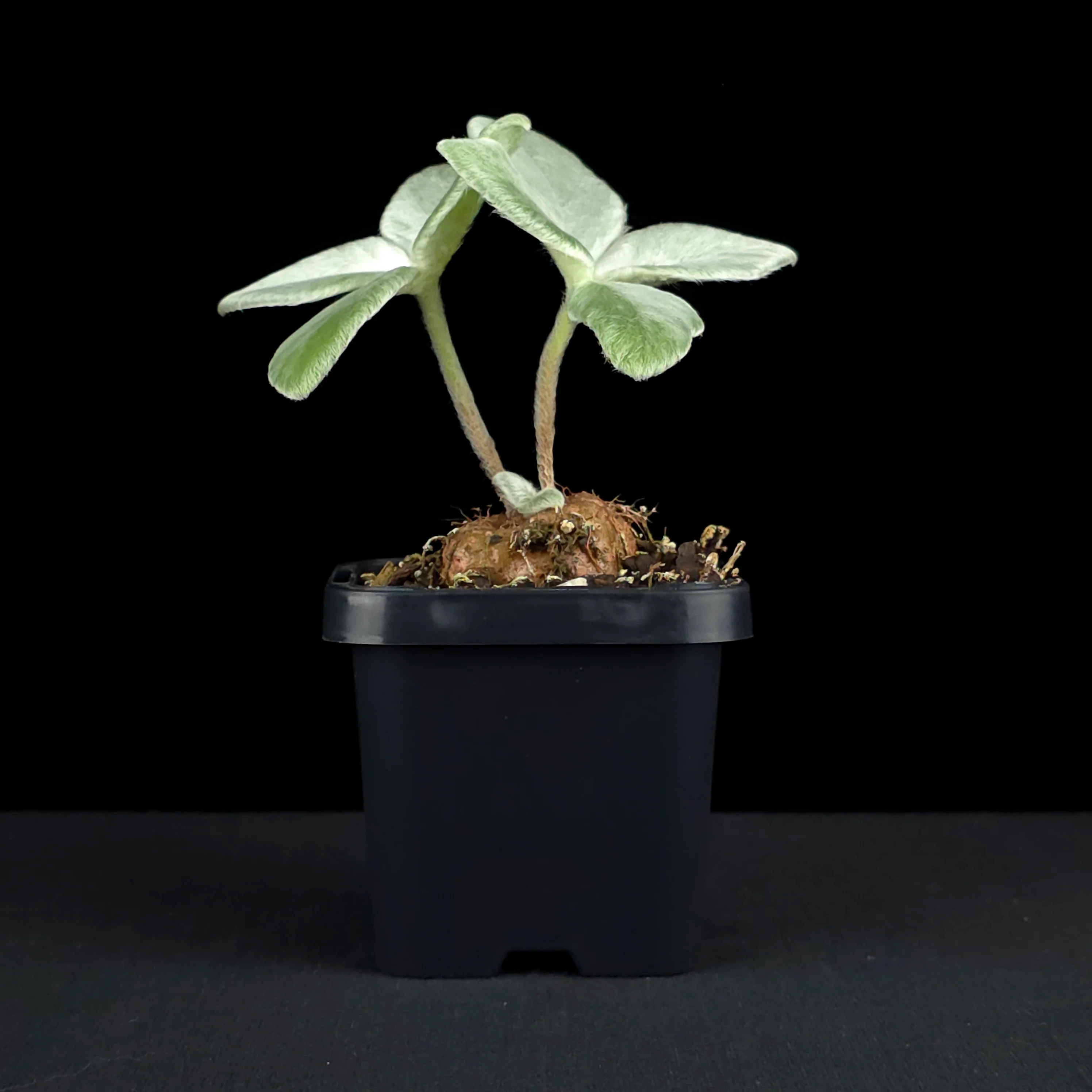
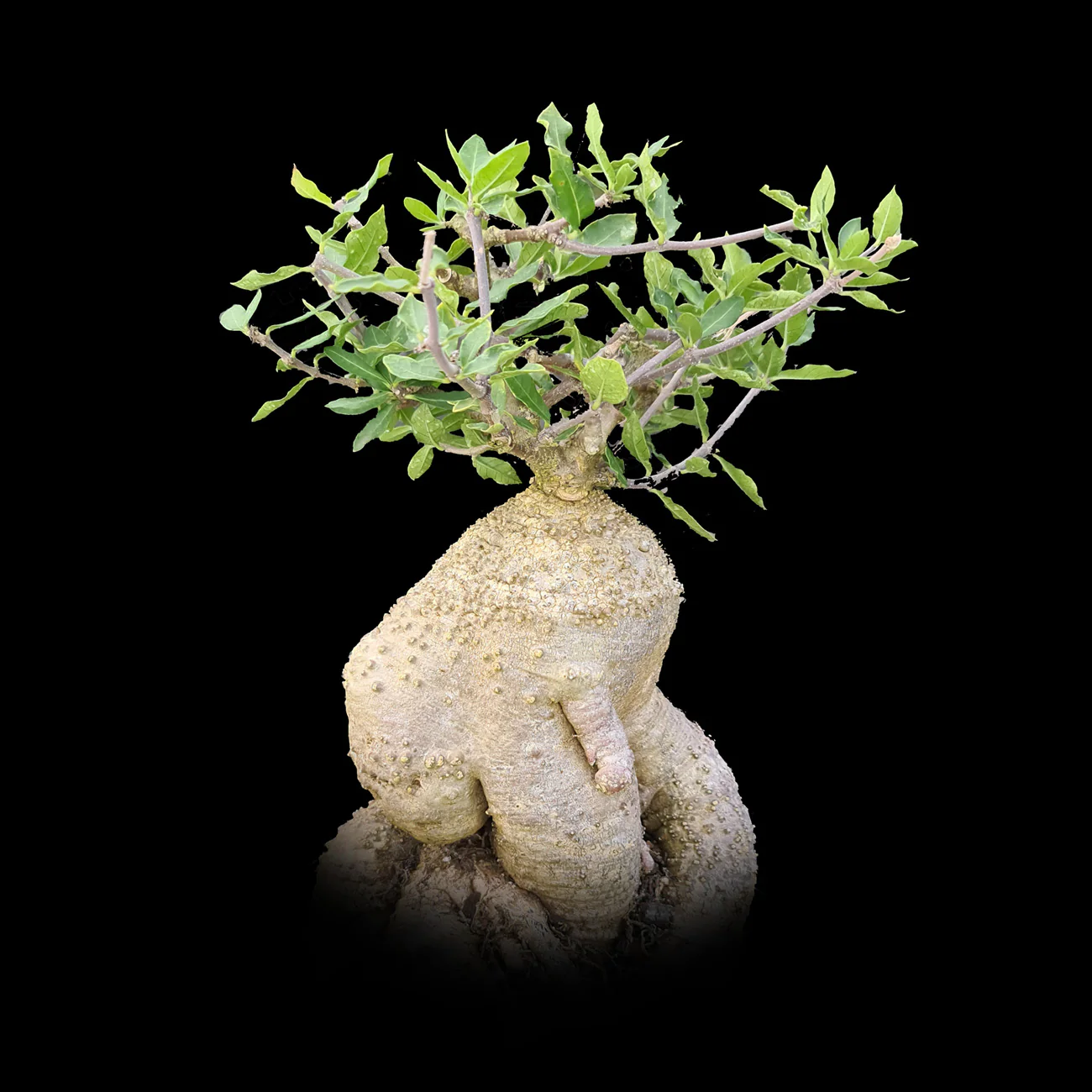
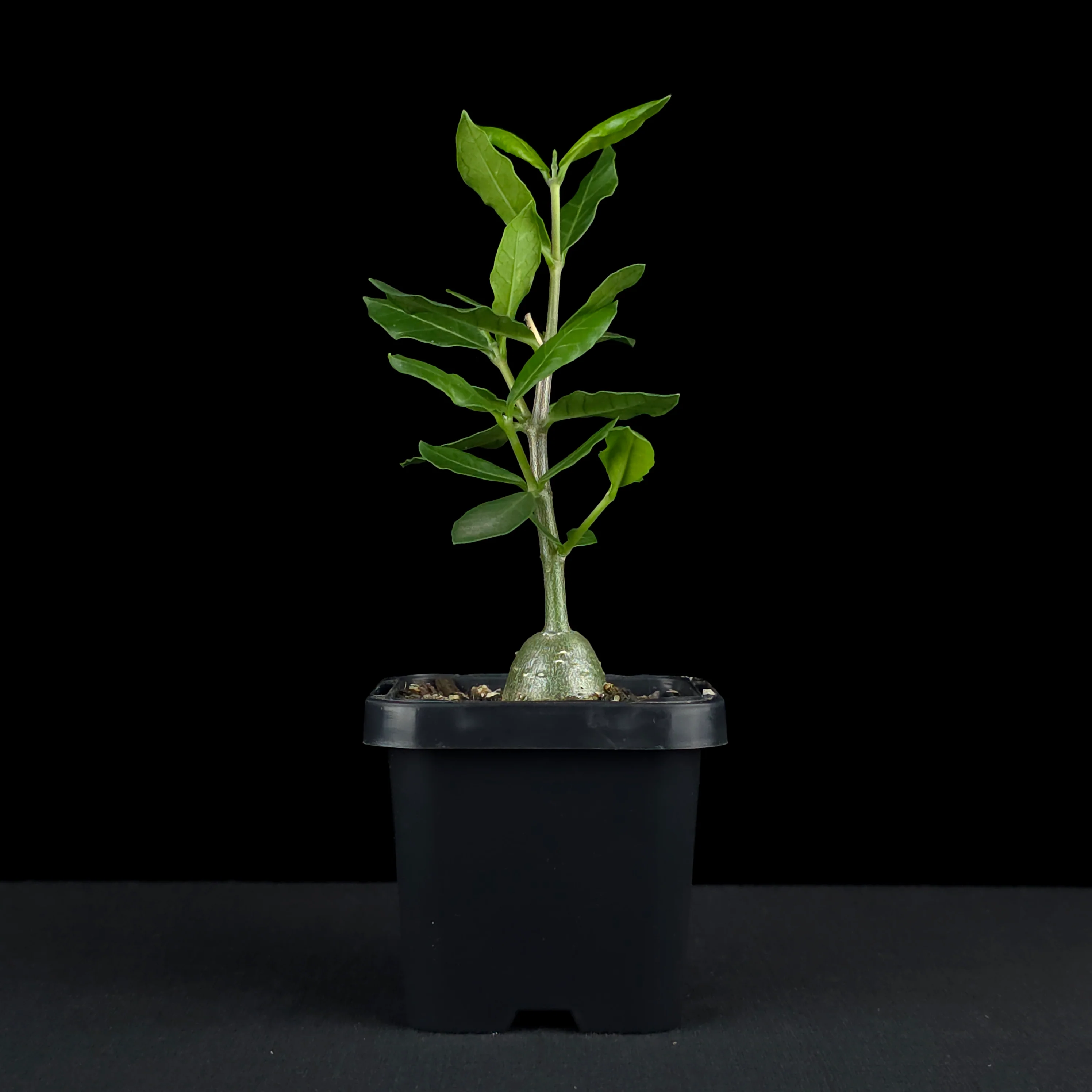
Pachypodium rosulatum is a succulent shrub native to Madagascar, where it grows in arid, rocky habitats with intense sunlight and sharply draining soils. It has evolved to store water in its thickened, rounded caudex, enabling it to endure long dry seasons with minimal rainfall.
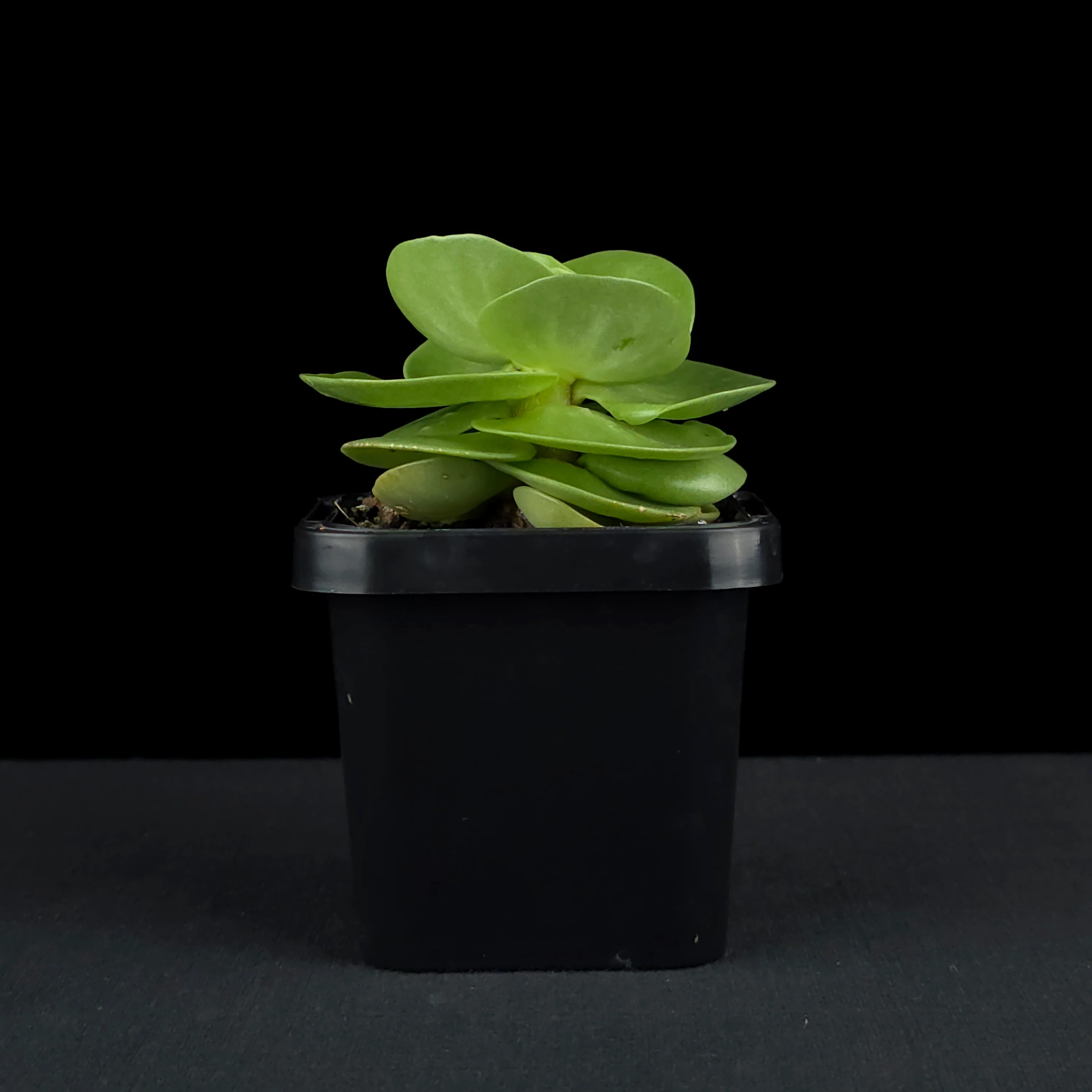
From the caudex, spiny, upright branches emerge, each tipped with a rosette of narrow, lance-shaped leaves during the growing season. The foliage is shed during dormancy to reduce water loss, leaving only the bare, thorn-covered stems exposed. The spines help protect the plant from herbivory in its natural environment.
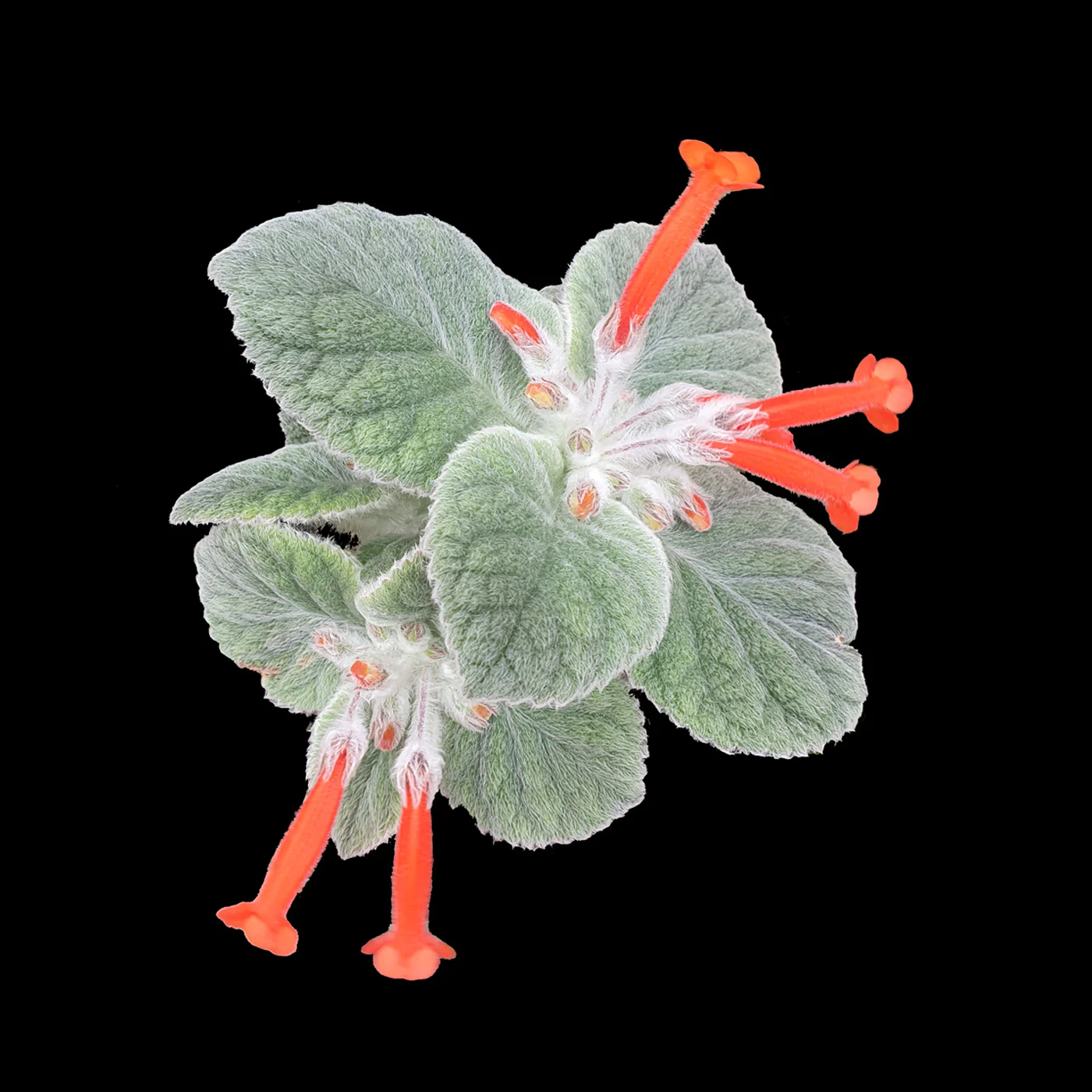
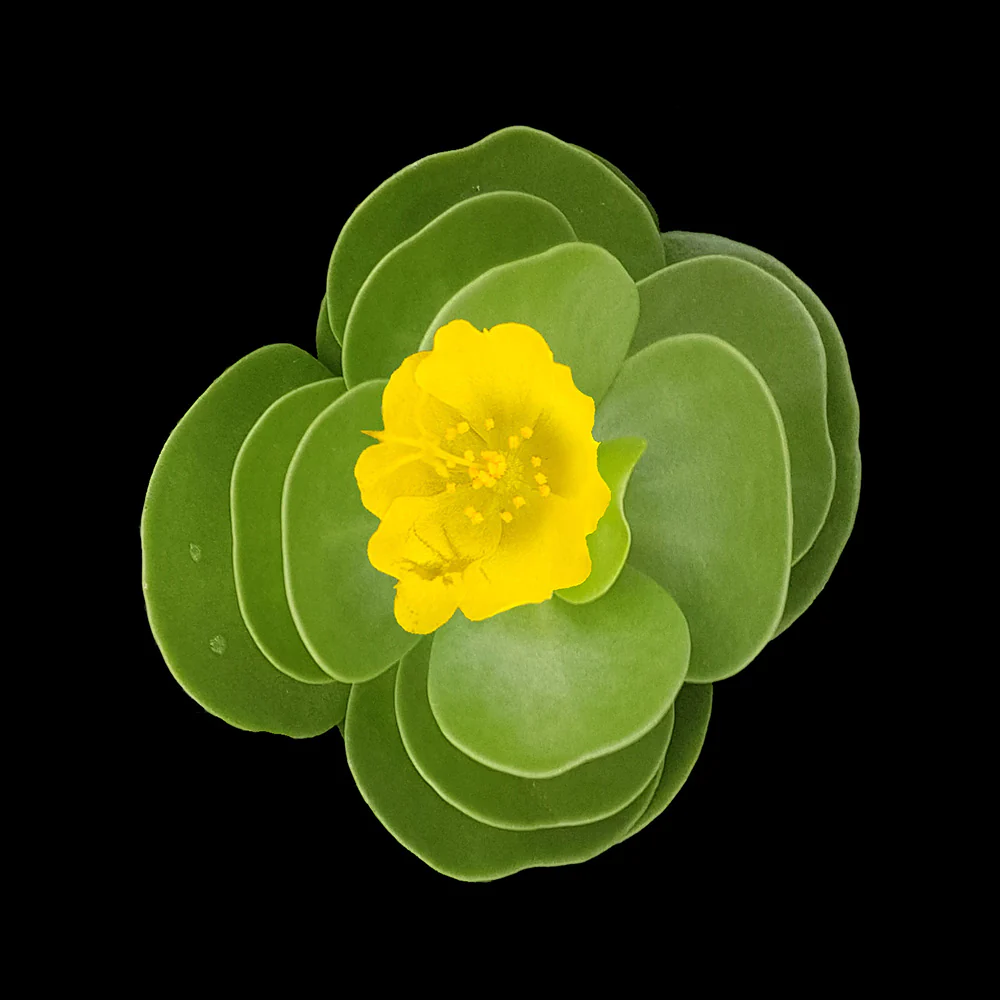
Flowering occurs in late spring to summer, with clusters of bright yellow, trumpet-shaped blooms borne on tall stalks above the foliage. These are insect-pollinated and add a vivid seasonal display to the plant’s structural form.
Care Tips:
- Light: Full sun to very bright light.
- Water: Water deeply when the soil is dry during active growth; keep almost completely dry in winter dormancy.
- Humidity: Prefers low humidity.
- Media: Use a very free-draining cactus and succulent mix with coarse sand or grit.
- Fertiliser: Feed monthly in the growing season with a diluted low-nitrogen fertiliser.
- Temperature: Maintain above 15 °C; protect from frost.
- Repotting: Repot only when necessary, as the plant prefers minimal root disturbance.
Additional Notes:
- Known to be toxic
Original: $20.00
-65%$20.00
$7.00More Images


Pachypodium rosulatum
Pachypodium rosulatum is a succulent shrub native to Madagascar, where it grows in arid, rocky habitats with intense sunlight and sharply draining soils. It has evolved to store water in its thickened, rounded caudex, enabling it to endure long dry seasons with minimal rainfall.
From the caudex, spiny, upright branches emerge, each tipped with a rosette of narrow, lance-shaped leaves during the growing season. The foliage is shed during dormancy to reduce water loss, leaving only the bare, thorn-covered stems exposed. The spines help protect the plant from herbivory in its natural environment.
Flowering occurs in late spring to summer, with clusters of bright yellow, trumpet-shaped blooms borne on tall stalks above the foliage. These are insect-pollinated and add a vivid seasonal display to the plant’s structural form.
Care Tips:
- Light: Full sun to very bright light.
- Water: Water deeply when the soil is dry during active growth; keep almost completely dry in winter dormancy.
- Humidity: Prefers low humidity.
- Media: Use a very free-draining cactus and succulent mix with coarse sand or grit.
- Fertiliser: Feed monthly in the growing season with a diluted low-nitrogen fertiliser.
- Temperature: Maintain above 15 °C; protect from frost.
- Repotting: Repot only when necessary, as the plant prefers minimal root disturbance.
Additional Notes:
- Known to be toxic
Product Information
Product Information
Shipping & Returns
Shipping & Returns
Description
Pachypodium rosulatum is a succulent shrub native to Madagascar, where it grows in arid, rocky habitats with intense sunlight and sharply draining soils. It has evolved to store water in its thickened, rounded caudex, enabling it to endure long dry seasons with minimal rainfall.
From the caudex, spiny, upright branches emerge, each tipped with a rosette of narrow, lance-shaped leaves during the growing season. The foliage is shed during dormancy to reduce water loss, leaving only the bare, thorn-covered stems exposed. The spines help protect the plant from herbivory in its natural environment.
Flowering occurs in late spring to summer, with clusters of bright yellow, trumpet-shaped blooms borne on tall stalks above the foliage. These are insect-pollinated and add a vivid seasonal display to the plant’s structural form.
Care Tips:
- Light: Full sun to very bright light.
- Water: Water deeply when the soil is dry during active growth; keep almost completely dry in winter dormancy.
- Humidity: Prefers low humidity.
- Media: Use a very free-draining cactus and succulent mix with coarse sand or grit.
- Fertiliser: Feed monthly in the growing season with a diluted low-nitrogen fertiliser.
- Temperature: Maintain above 15 °C; protect from frost.
- Repotting: Repot only when necessary, as the plant prefers minimal root disturbance.
Additional Notes:
- Known to be toxic