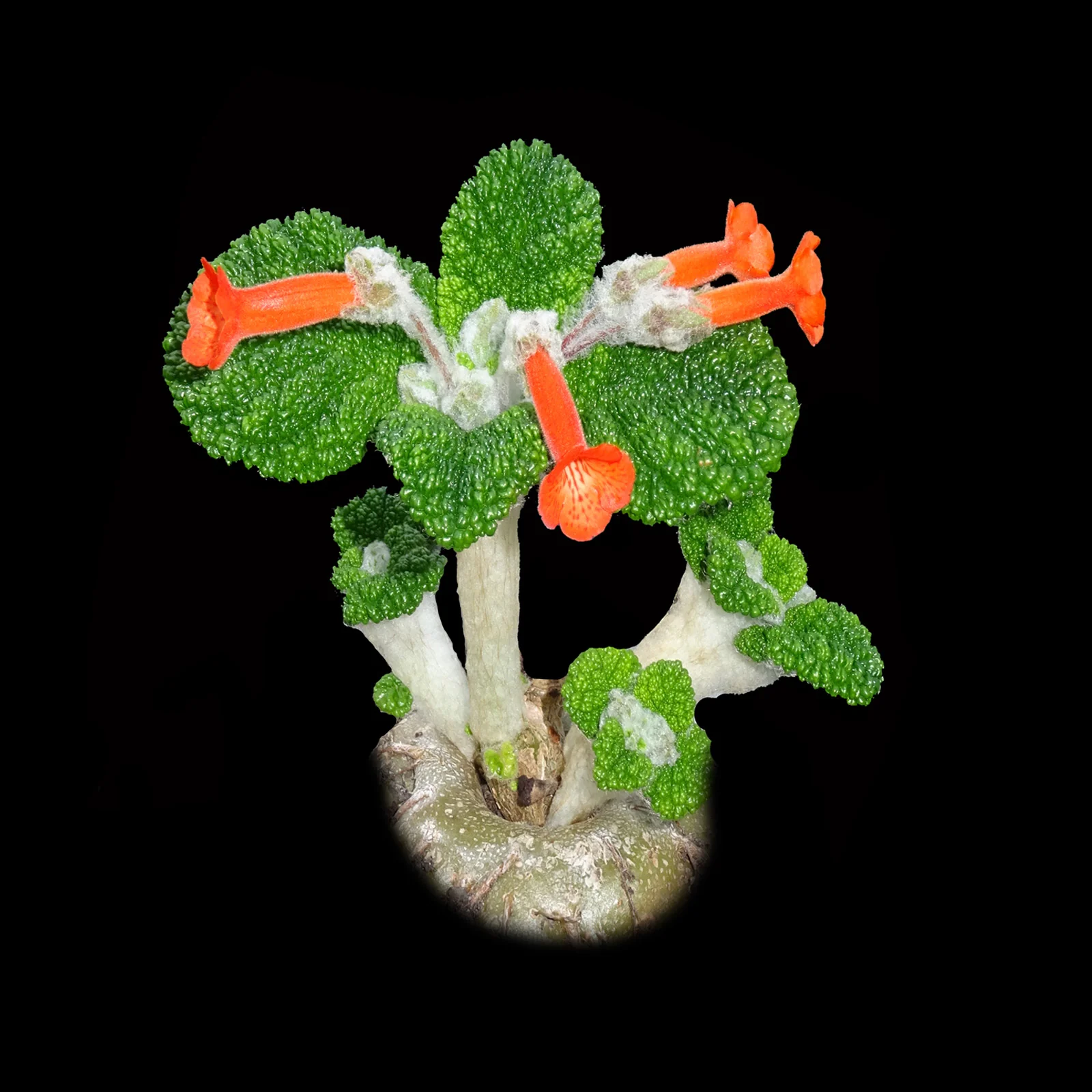
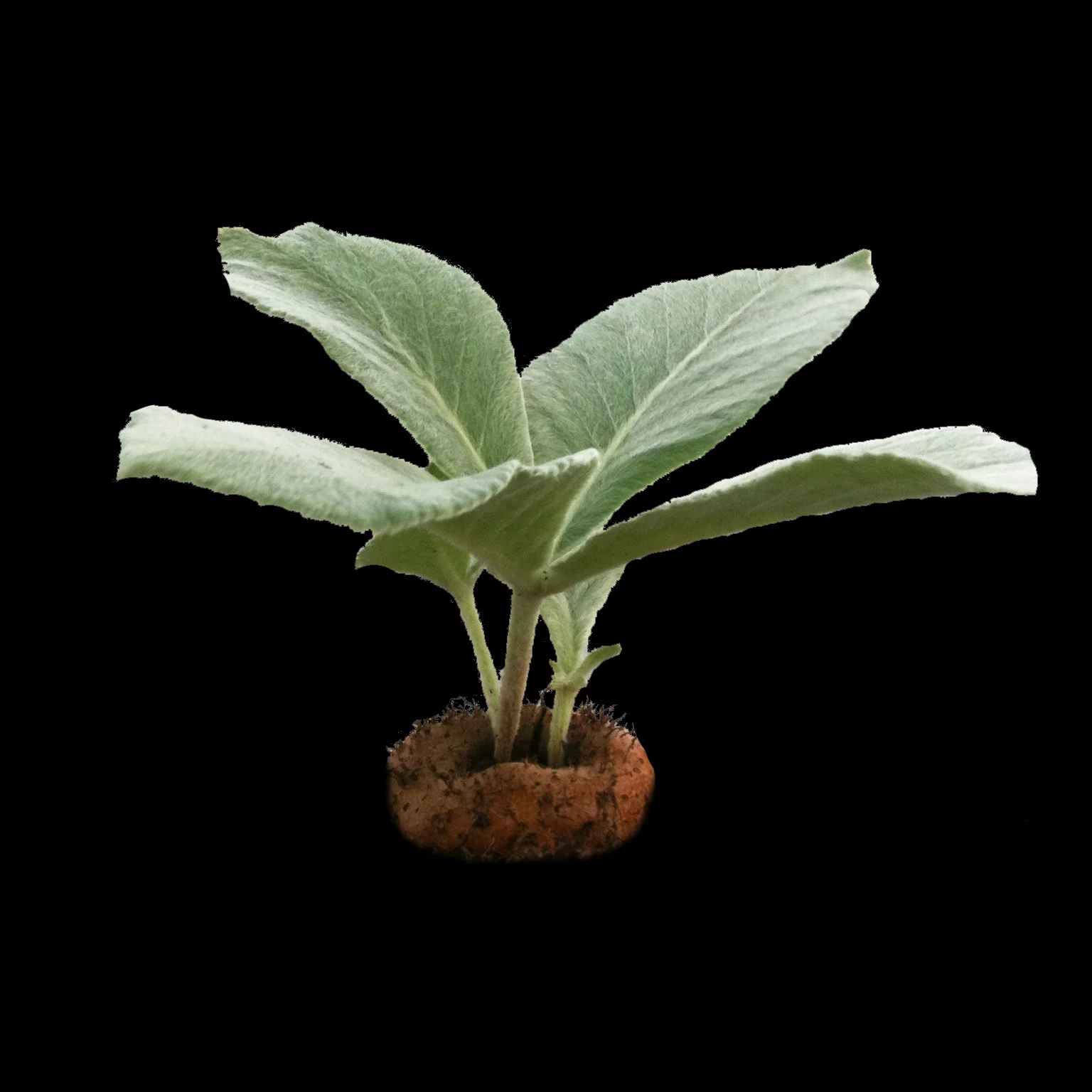
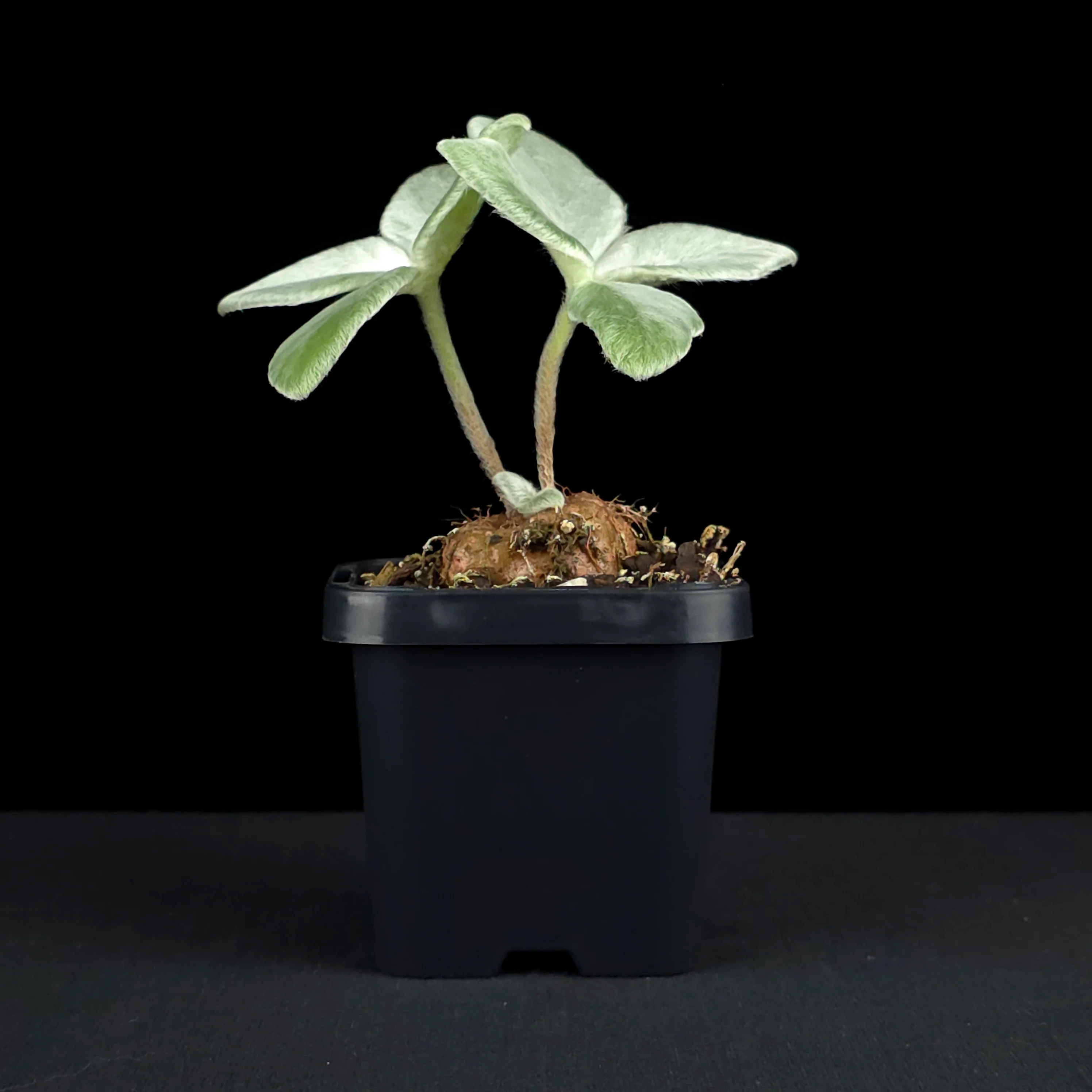
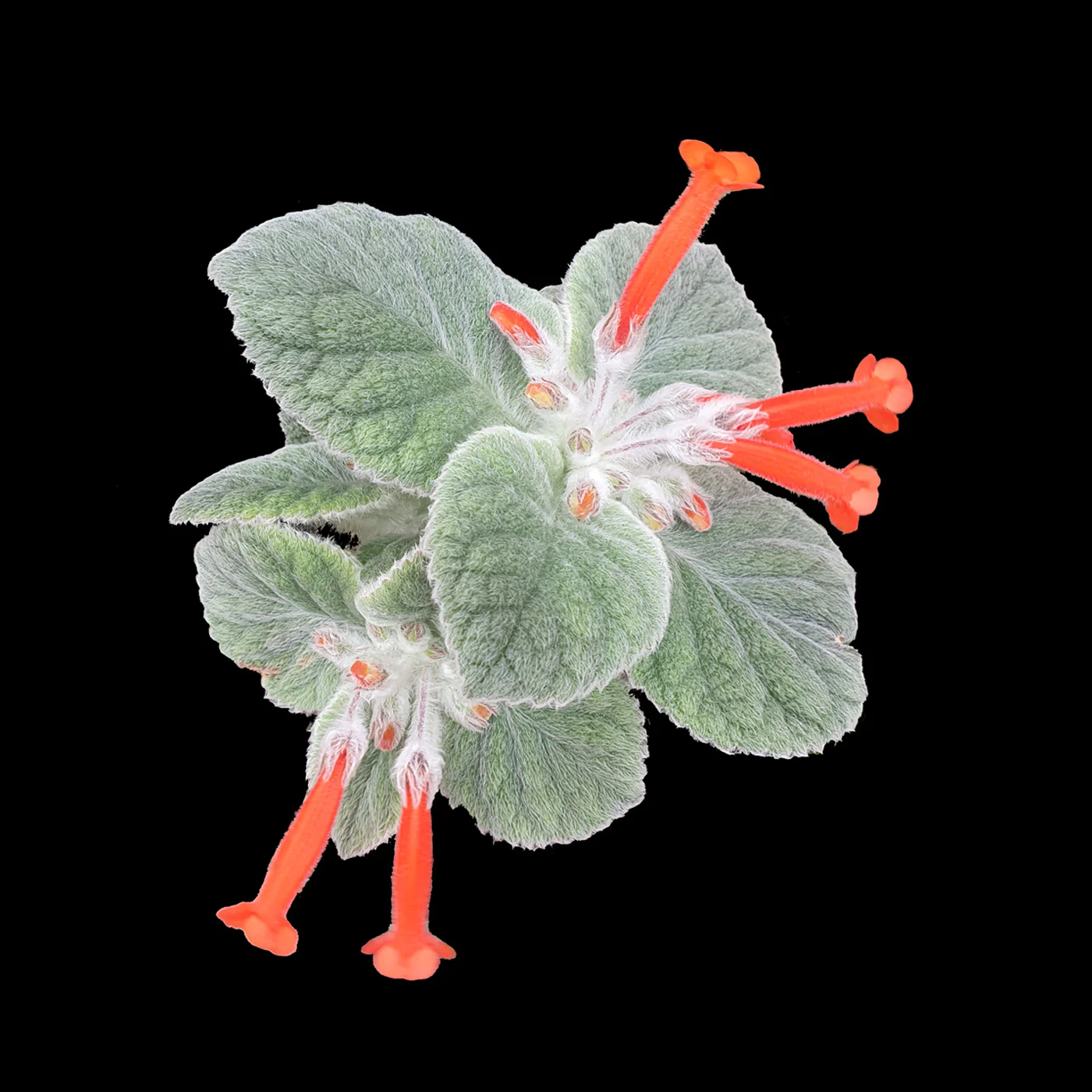
Pachypodium rosulatum subsp. cactipes
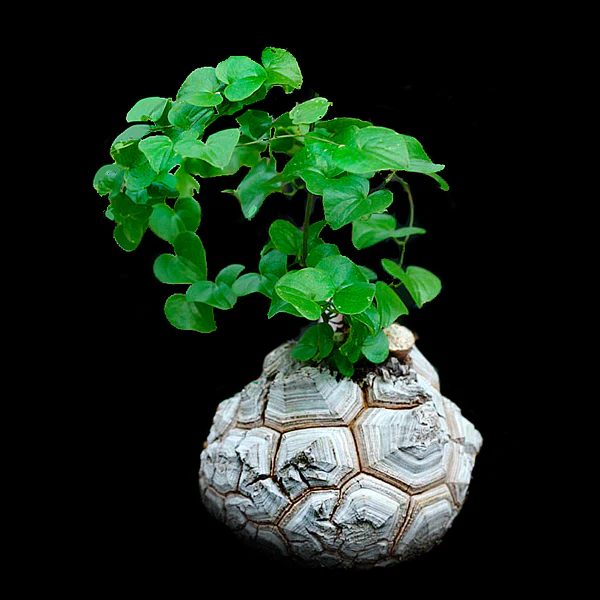
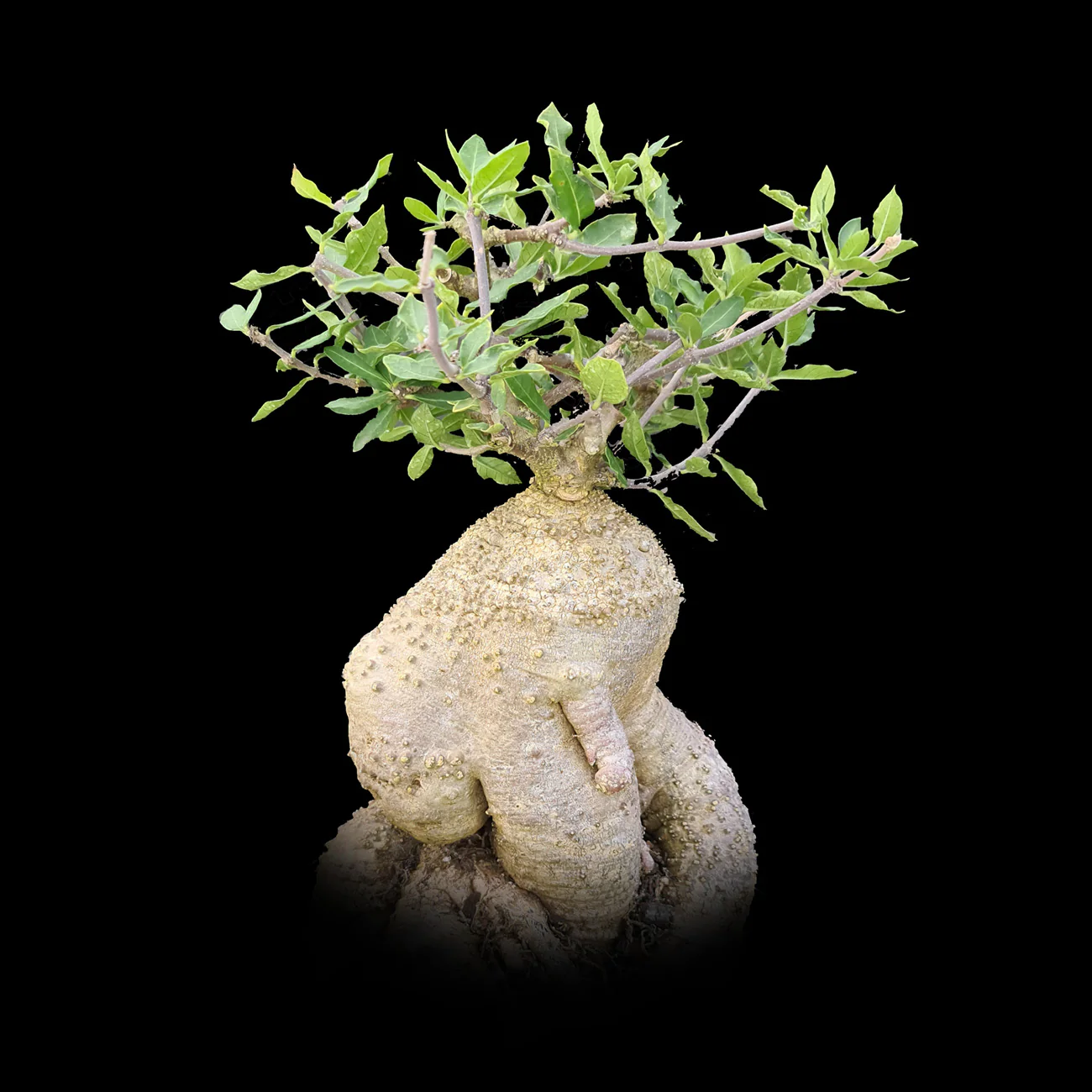
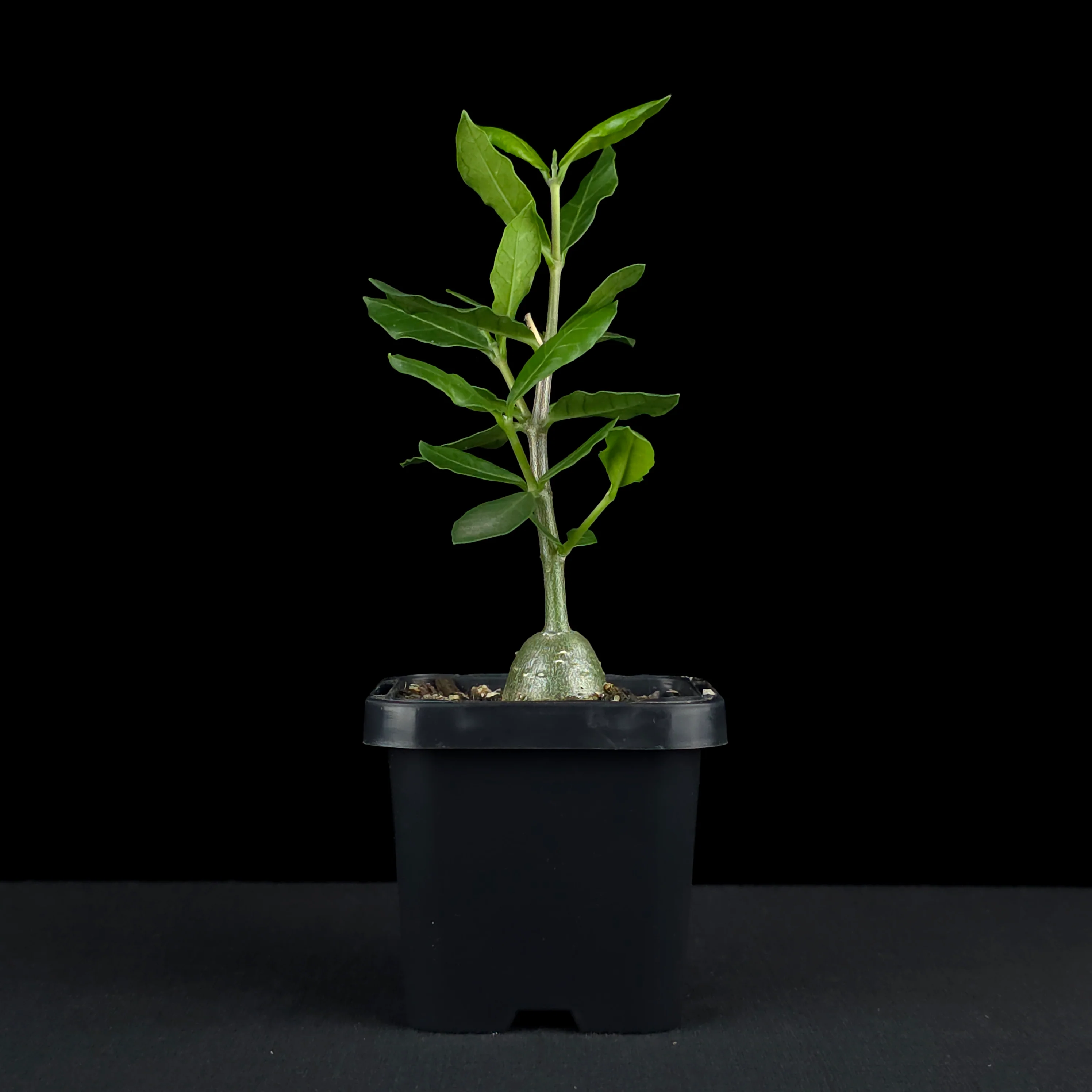
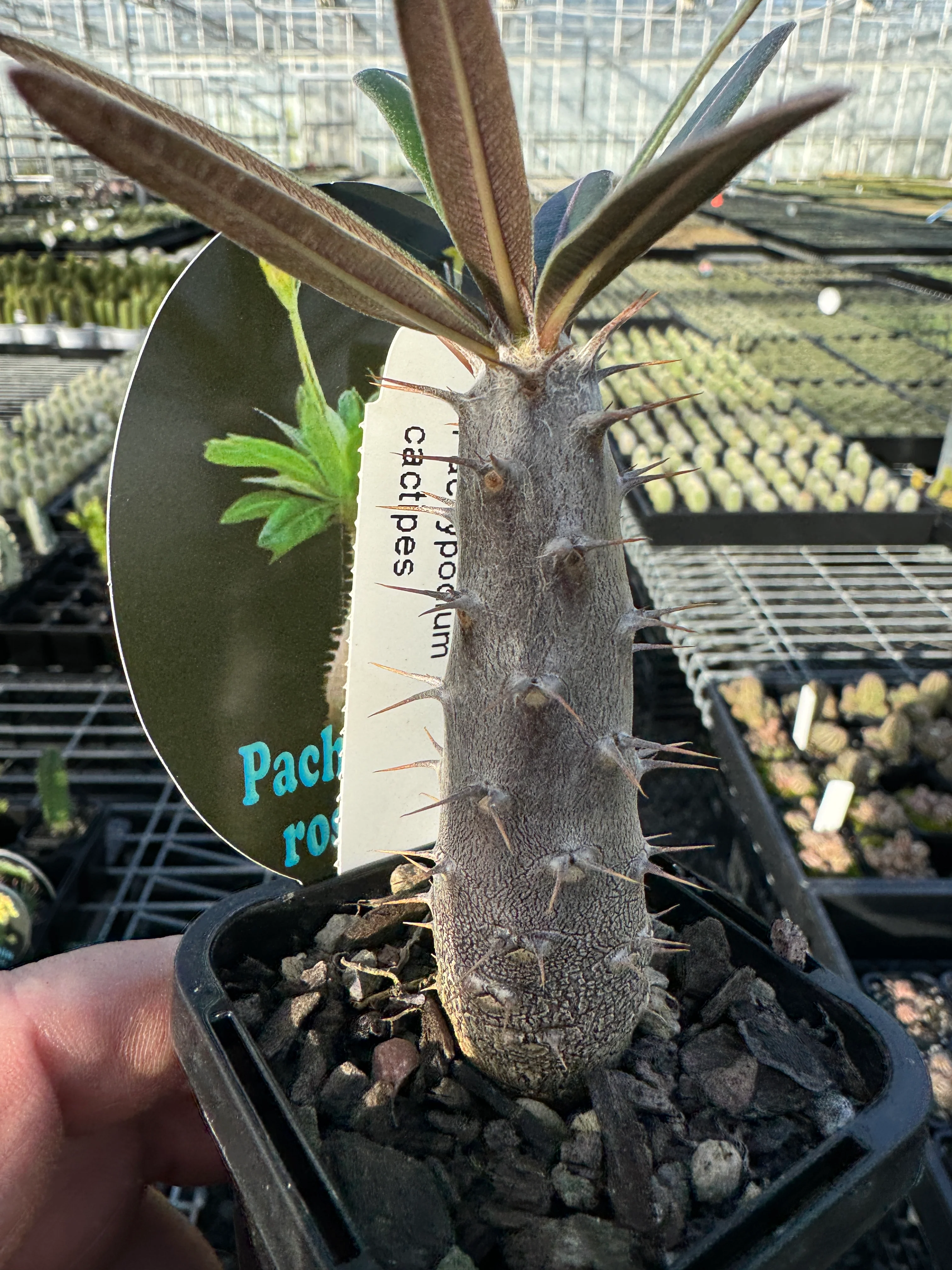
Pachypodium rosulatum subsp. cactipes is a subspecies native to Madagascar, occurring in dry, rocky slopes and open scrubland where it receives intense sunlight and grows in sharply draining soils. It stores water in its swollen, bottle-shaped caudex, an adaptation to the region’s pronounced dry season.
From the caudex, thick, spiny stems branch and produce rosettes of narrow, lance-shaped leaves during the active growing season. The foliage is shed during winter dormancy, leaving the bare, thorn-covered branches exposed. The spines act as a deterrent to browsing animals in its native habitat.
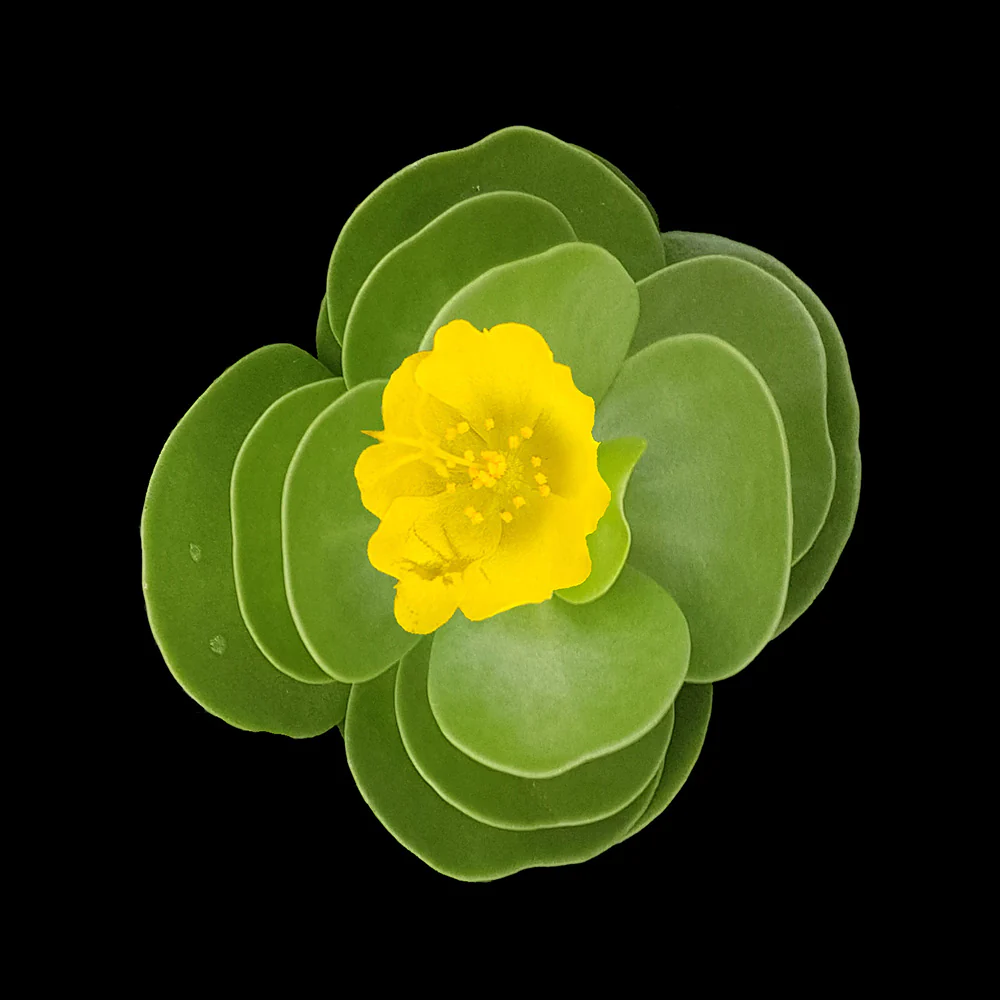
In late spring to summer, mature plants produce tall flower stalks topped with bright yellow, funnel-shaped blooms. These are insect-pollinated and stand well above the foliage, creating a seasonal contrast to the plant’s sculptural form.
Care Tips:
- Light: Full sun to very bright light for healthy growth and flowering.
- Water: Water thoroughly when the soil is dry during the growing season; keep almost dry during dormancy.
- Humidity: Low humidity is preferred.
- Media: Use a very free-draining cactus and succulent mix with coarse sand or grit.
- Fertiliser: Feed monthly in the growing season with a diluted, low-nitrogen fertiliser.
- Temperature: Maintain above 15 °C; protect from frost.
- Repotting: Repot only when required, minimising disturbance to the caudex and roots.
Additional Notes:
- Known to be toxic
Original: $45.00
-65%$45.00
$15.75More Images



Pachypodium rosulatum subsp. cactipes
Pachypodium rosulatum subsp. cactipes is a subspecies native to Madagascar, occurring in dry, rocky slopes and open scrubland where it receives intense sunlight and grows in sharply draining soils. It stores water in its swollen, bottle-shaped caudex, an adaptation to the region’s pronounced dry season.
From the caudex, thick, spiny stems branch and produce rosettes of narrow, lance-shaped leaves during the active growing season. The foliage is shed during winter dormancy, leaving the bare, thorn-covered branches exposed. The spines act as a deterrent to browsing animals in its native habitat.
In late spring to summer, mature plants produce tall flower stalks topped with bright yellow, funnel-shaped blooms. These are insect-pollinated and stand well above the foliage, creating a seasonal contrast to the plant’s sculptural form.
Care Tips:
- Light: Full sun to very bright light for healthy growth and flowering.
- Water: Water thoroughly when the soil is dry during the growing season; keep almost dry during dormancy.
- Humidity: Low humidity is preferred.
- Media: Use a very free-draining cactus and succulent mix with coarse sand or grit.
- Fertiliser: Feed monthly in the growing season with a diluted, low-nitrogen fertiliser.
- Temperature: Maintain above 15 °C; protect from frost.
- Repotting: Repot only when required, minimising disturbance to the caudex and roots.
Additional Notes:
- Known to be toxic
Product Information
Product Information
Shipping & Returns
Shipping & Returns
Description
Pachypodium rosulatum subsp. cactipes is a subspecies native to Madagascar, occurring in dry, rocky slopes and open scrubland where it receives intense sunlight and grows in sharply draining soils. It stores water in its swollen, bottle-shaped caudex, an adaptation to the region’s pronounced dry season.
From the caudex, thick, spiny stems branch and produce rosettes of narrow, lance-shaped leaves during the active growing season. The foliage is shed during winter dormancy, leaving the bare, thorn-covered branches exposed. The spines act as a deterrent to browsing animals in its native habitat.
In late spring to summer, mature plants produce tall flower stalks topped with bright yellow, funnel-shaped blooms. These are insect-pollinated and stand well above the foliage, creating a seasonal contrast to the plant’s sculptural form.
Care Tips:
- Light: Full sun to very bright light for healthy growth and flowering.
- Water: Water thoroughly when the soil is dry during the growing season; keep almost dry during dormancy.
- Humidity: Low humidity is preferred.
- Media: Use a very free-draining cactus and succulent mix with coarse sand or grit.
- Fertiliser: Feed monthly in the growing season with a diluted, low-nitrogen fertiliser.
- Temperature: Maintain above 15 °C; protect from frost.
- Repotting: Repot only when required, minimising disturbance to the caudex and roots.
Additional Notes:
- Known to be toxic