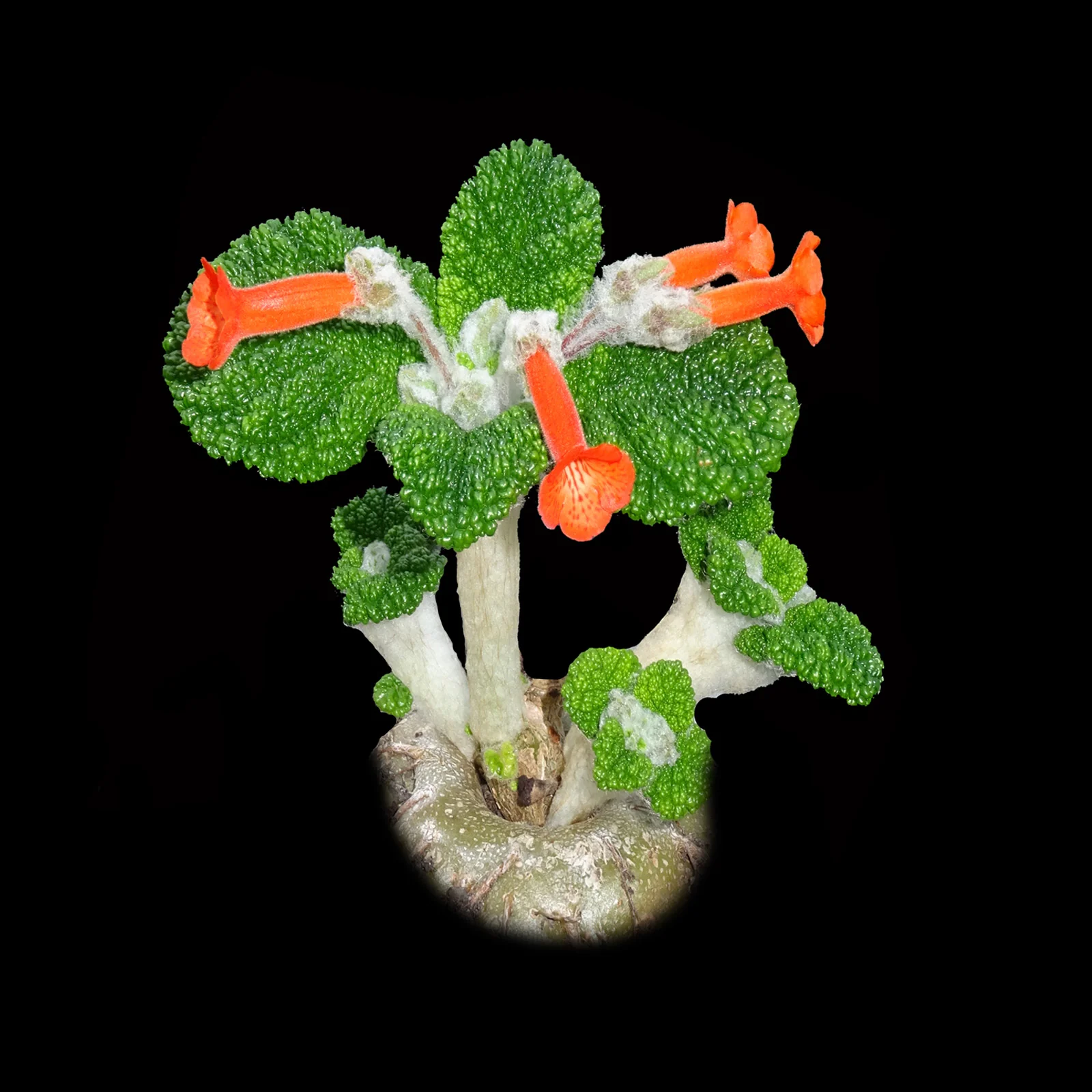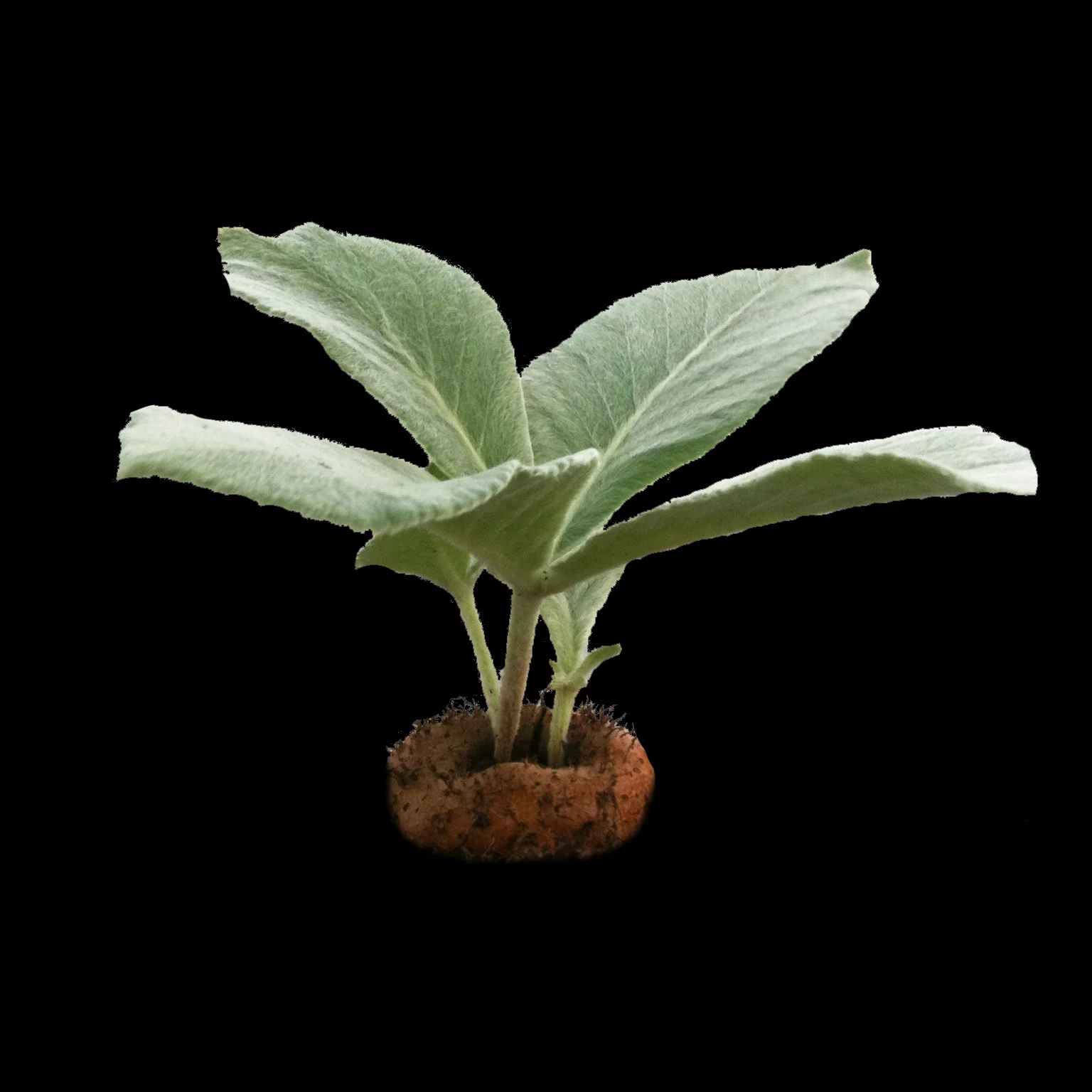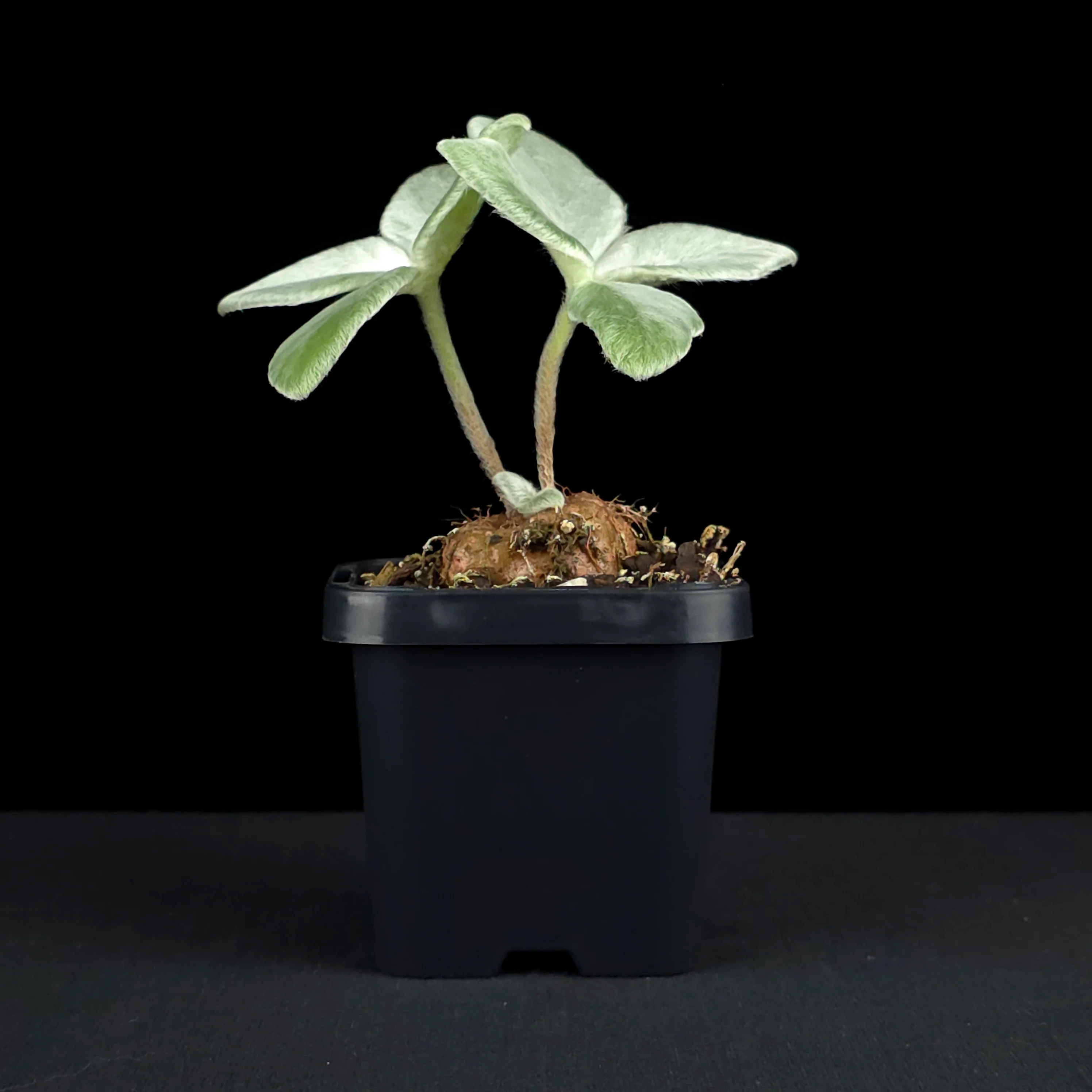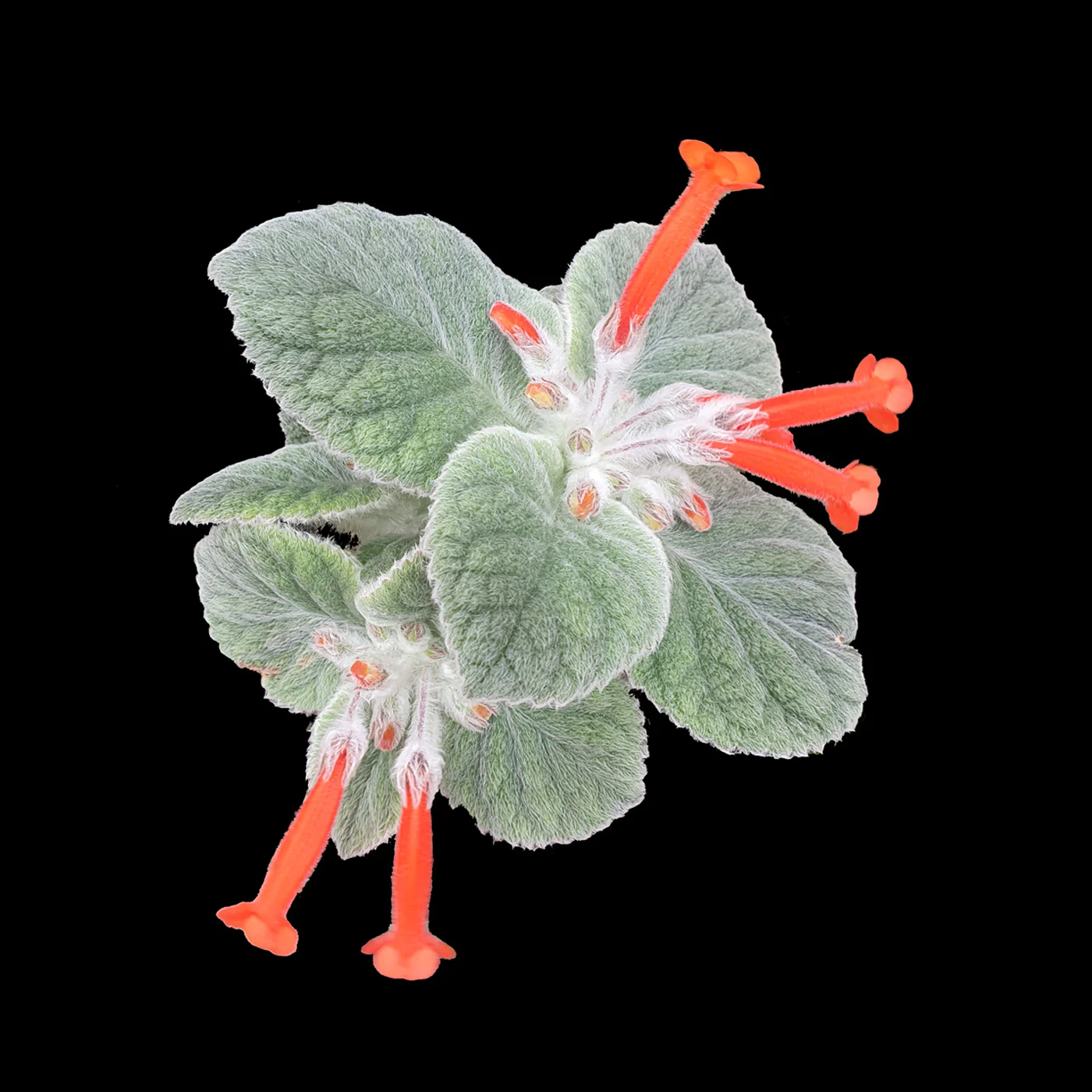
Sempervivum 'Blue Boy'
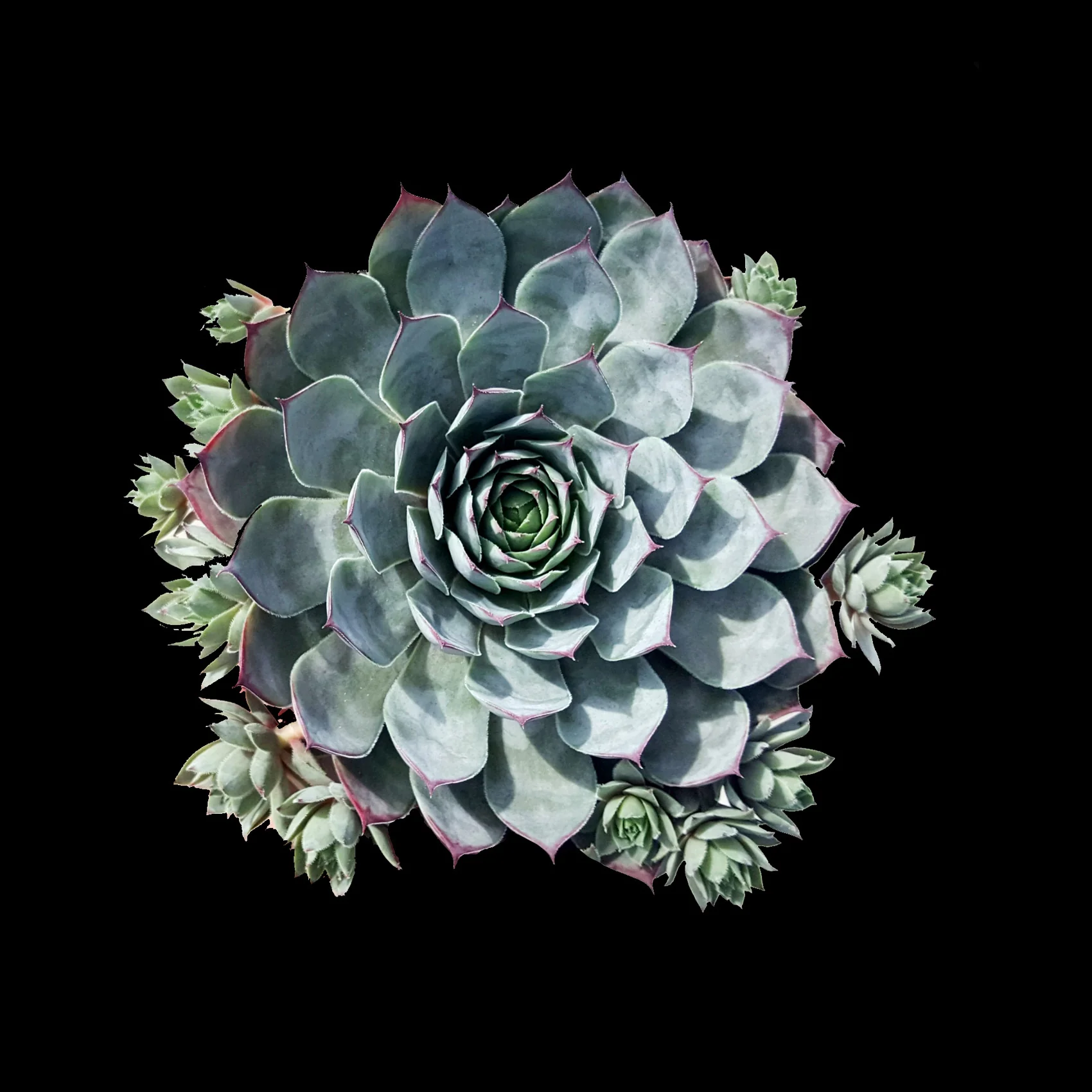
Sempervivum 'Blue Boy' is a cultivated member of what is commonly known as houseleeks, in the Crassulaceae family. It was developed from species native to the mountainous regions of southern Europe, where these plants grow in rocky crevices and shallow, well-drained soils under full sun. This ancestry provides the cultivar with excellent resilience to drought, nutrient-poor substrates, and freezing winter conditions.
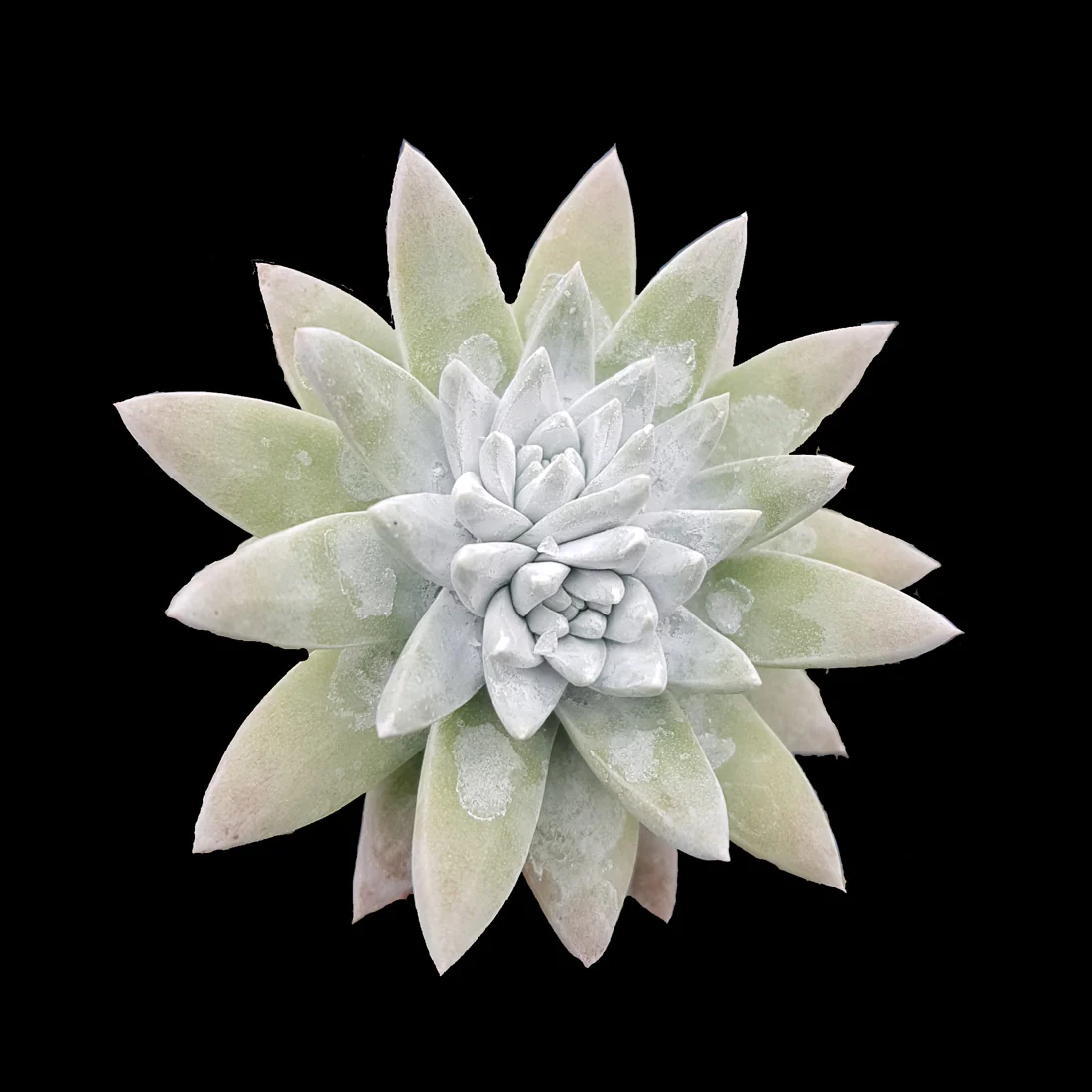
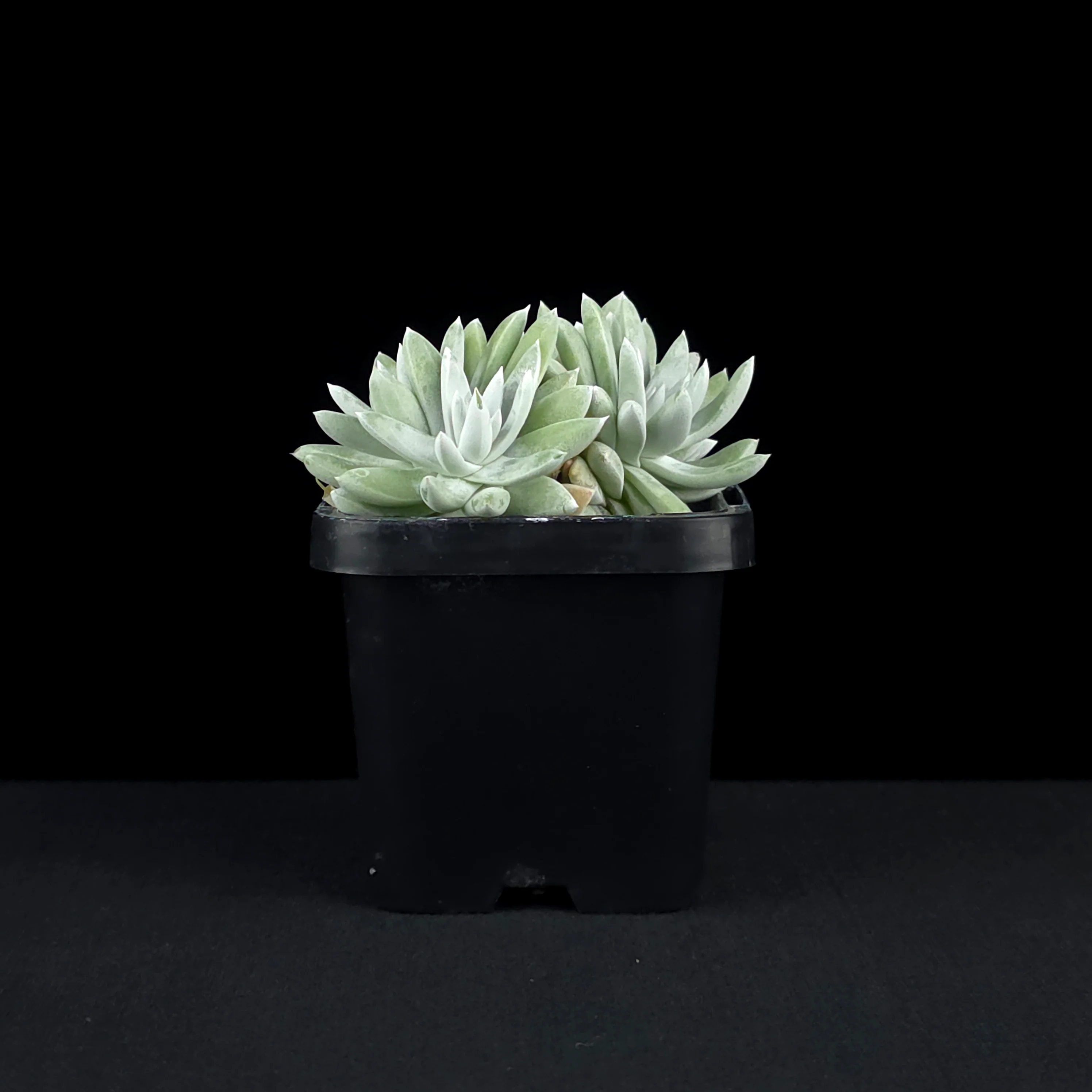
The rosettes are compact and symmetrical, with fleshy, triangular leaves that display a cool blue-green base, often accented with purplish or reddish tones at the tips. Seasonal changes in temperature and light can enhance these colour contrasts. Offsets are freely produced, gradually forming dense clusters over time. As with all Sempervivum, each rosette is monocarpic, flowering once before dying, with offsets ensuring the colony’s continuity.
Flowering typically occurs in summer, when mature rosettes send up a tall, leafy stem topped with clusters of star-shaped flowers. The blooms are usually pink to reddish and attract a variety of pollinating insects. Once flowering and seed set are complete, the rosette dies back, leaving surrounding offsets to maintain growth.
Care Tips:
- Light: Full sun is best for compact growth and to bring out the strongest colouration.
- Water: Water sparingly, allowing the substrate to dry completely between applications.
- Media: Use a gritty, sharply draining mix suited to alpine and succulent plants.
- Fertiliser: Apply a diluted, low-nitrogen fertiliser during active growth if needed.
- Temperature: Hardy to frost and prolonged freezing when kept dry.
- Repotting: Infrequent; divide offsets or refresh substrate when clumps become overcrowded.
Original: $9.00
-65%$9.00
$3.15More Images
Sempervivum 'Blue Boy'
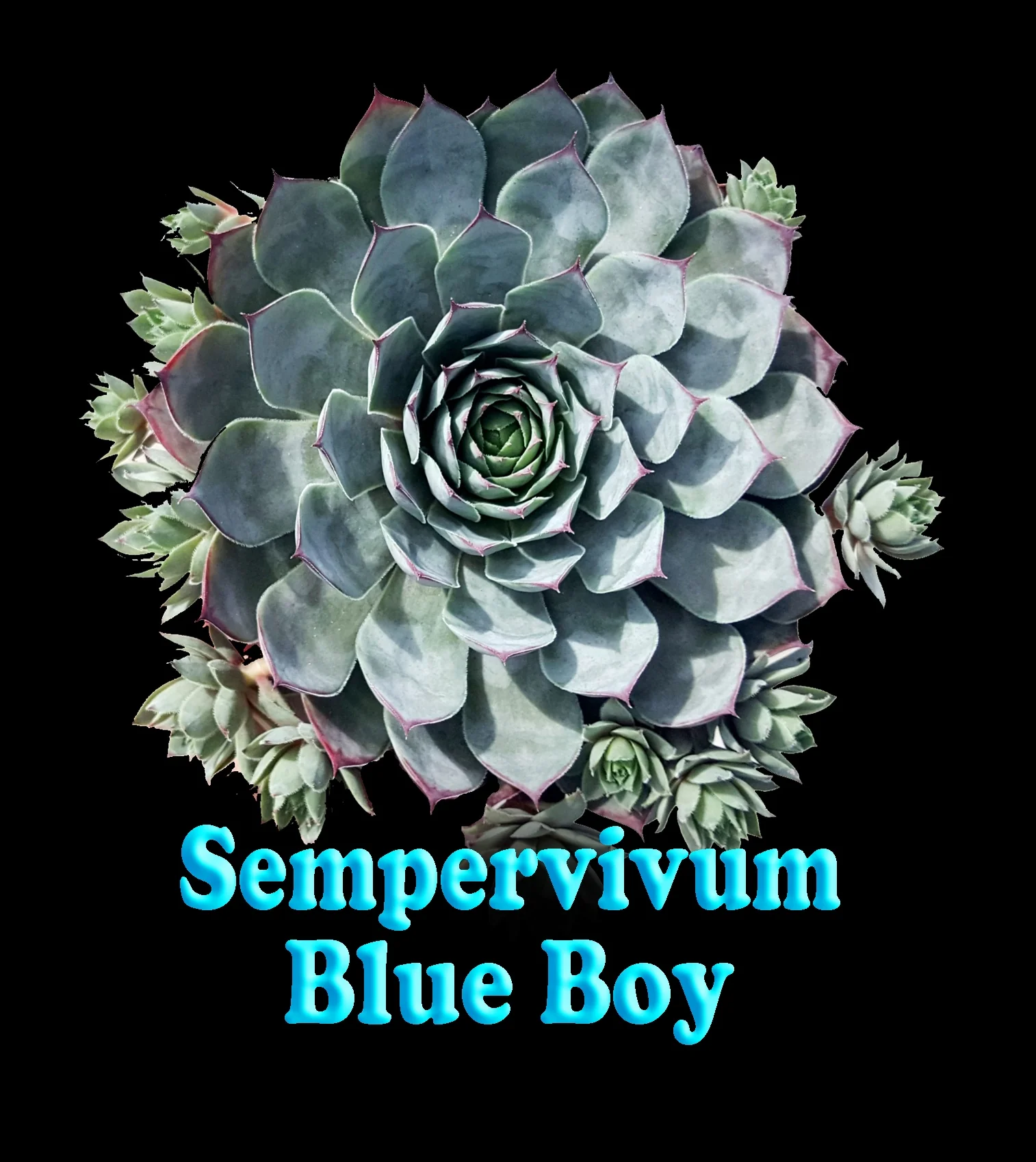
Sempervivum 'Blue Boy' is a cultivated member of what is commonly known as houseleeks, in the Crassulaceae family. It was developed from species native to the mountainous regions of southern Europe, where these plants grow in rocky crevices and shallow, well-drained soils under full sun. This ancestry provides the cultivar with excellent resilience to drought, nutrient-poor substrates, and freezing winter conditions.
The rosettes are compact and symmetrical, with fleshy, triangular leaves that display a cool blue-green base, often accented with purplish or reddish tones at the tips. Seasonal changes in temperature and light can enhance these colour contrasts. Offsets are freely produced, gradually forming dense clusters over time. As with all Sempervivum, each rosette is monocarpic, flowering once before dying, with offsets ensuring the colony’s continuity.
Flowering typically occurs in summer, when mature rosettes send up a tall, leafy stem topped with clusters of star-shaped flowers. The blooms are usually pink to reddish and attract a variety of pollinating insects. Once flowering and seed set are complete, the rosette dies back, leaving surrounding offsets to maintain growth.
Care Tips:
- Light: Full sun is best for compact growth and to bring out the strongest colouration.
- Water: Water sparingly, allowing the substrate to dry completely between applications.
- Media: Use a gritty, sharply draining mix suited to alpine and succulent plants.
- Fertiliser: Apply a diluted, low-nitrogen fertiliser during active growth if needed.
- Temperature: Hardy to frost and prolonged freezing when kept dry.
- Repotting: Infrequent; divide offsets or refresh substrate when clumps become overcrowded.
Product Information
Product Information
Shipping & Returns
Shipping & Returns
Description
Sempervivum 'Blue Boy' is a cultivated member of what is commonly known as houseleeks, in the Crassulaceae family. It was developed from species native to the mountainous regions of southern Europe, where these plants grow in rocky crevices and shallow, well-drained soils under full sun. This ancestry provides the cultivar with excellent resilience to drought, nutrient-poor substrates, and freezing winter conditions.
The rosettes are compact and symmetrical, with fleshy, triangular leaves that display a cool blue-green base, often accented with purplish or reddish tones at the tips. Seasonal changes in temperature and light can enhance these colour contrasts. Offsets are freely produced, gradually forming dense clusters over time. As with all Sempervivum, each rosette is monocarpic, flowering once before dying, with offsets ensuring the colony’s continuity.
Flowering typically occurs in summer, when mature rosettes send up a tall, leafy stem topped with clusters of star-shaped flowers. The blooms are usually pink to reddish and attract a variety of pollinating insects. Once flowering and seed set are complete, the rosette dies back, leaving surrounding offsets to maintain growth.
Care Tips:
- Light: Full sun is best for compact growth and to bring out the strongest colouration.
- Water: Water sparingly, allowing the substrate to dry completely between applications.
- Media: Use a gritty, sharply draining mix suited to alpine and succulent plants.
- Fertiliser: Apply a diluted, low-nitrogen fertiliser during active growth if needed.
- Temperature: Hardy to frost and prolonged freezing when kept dry.
- Repotting: Infrequent; divide offsets or refresh substrate when clumps become overcrowded.