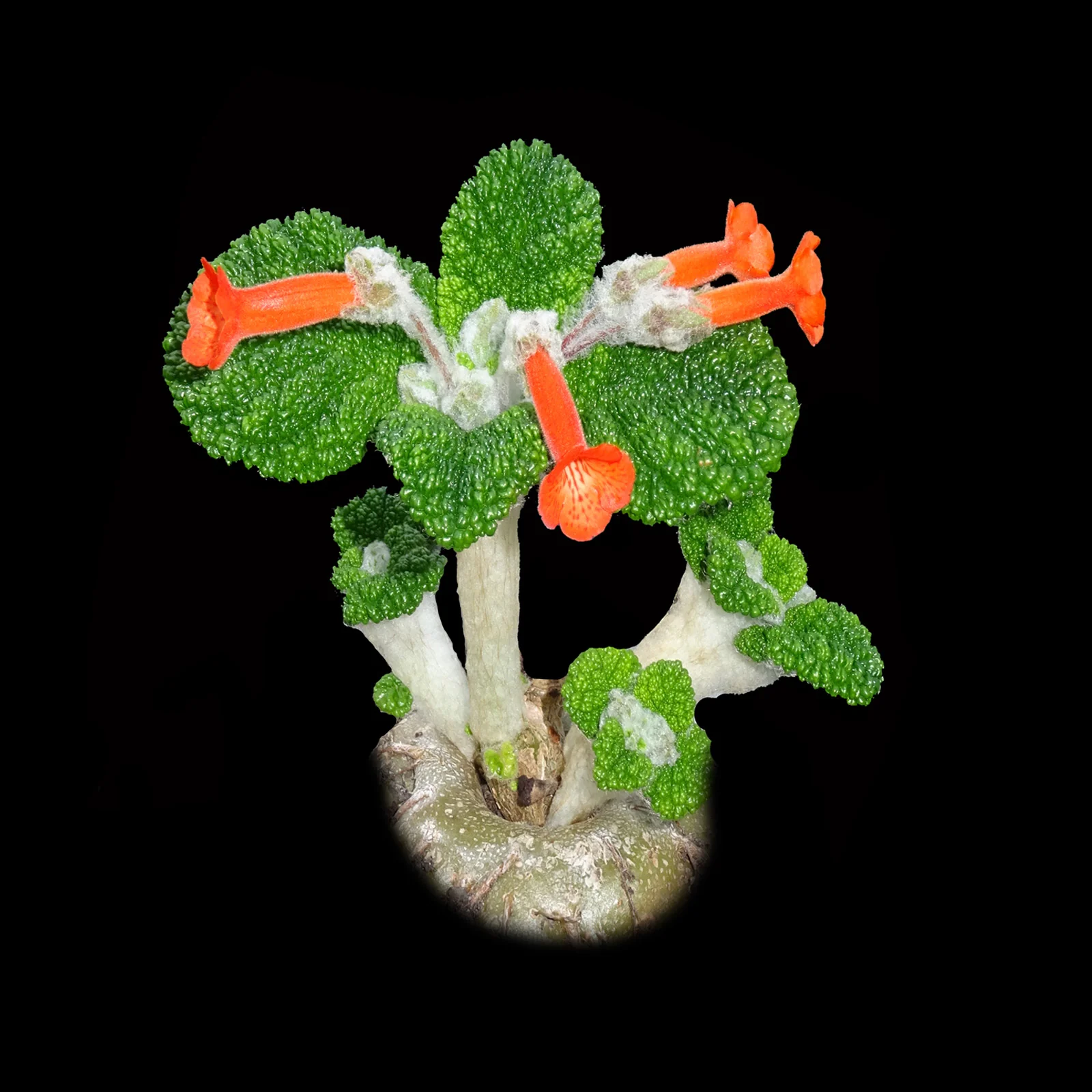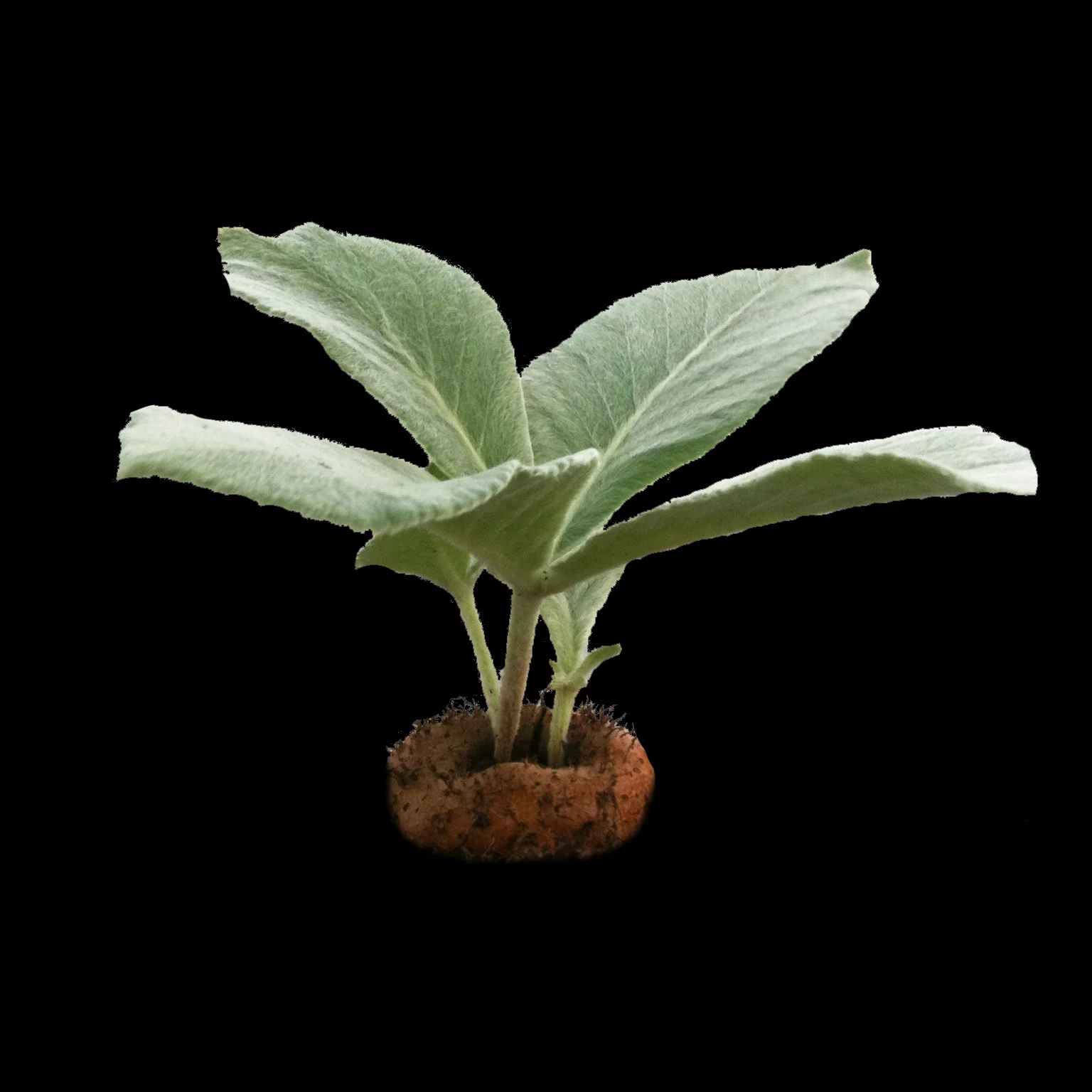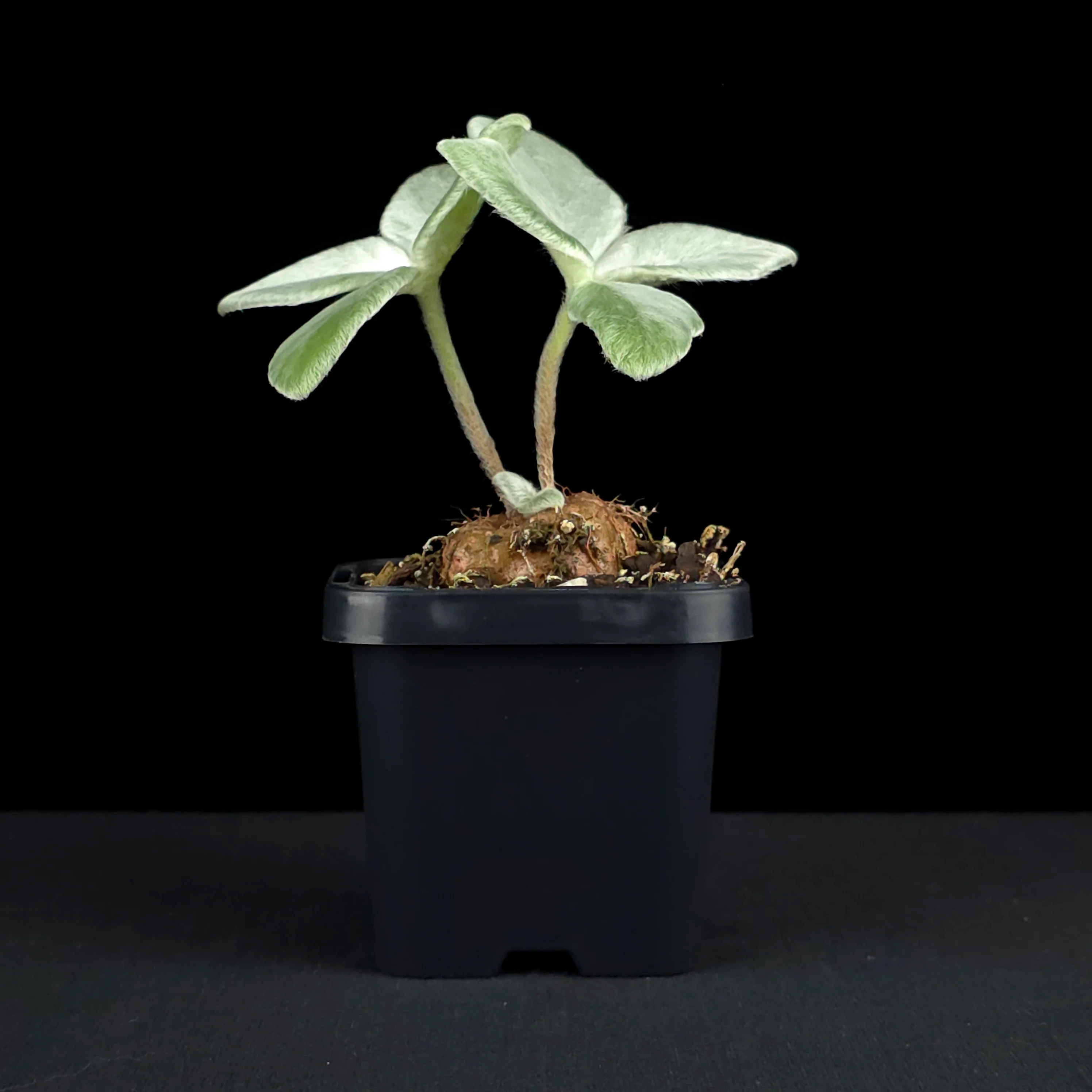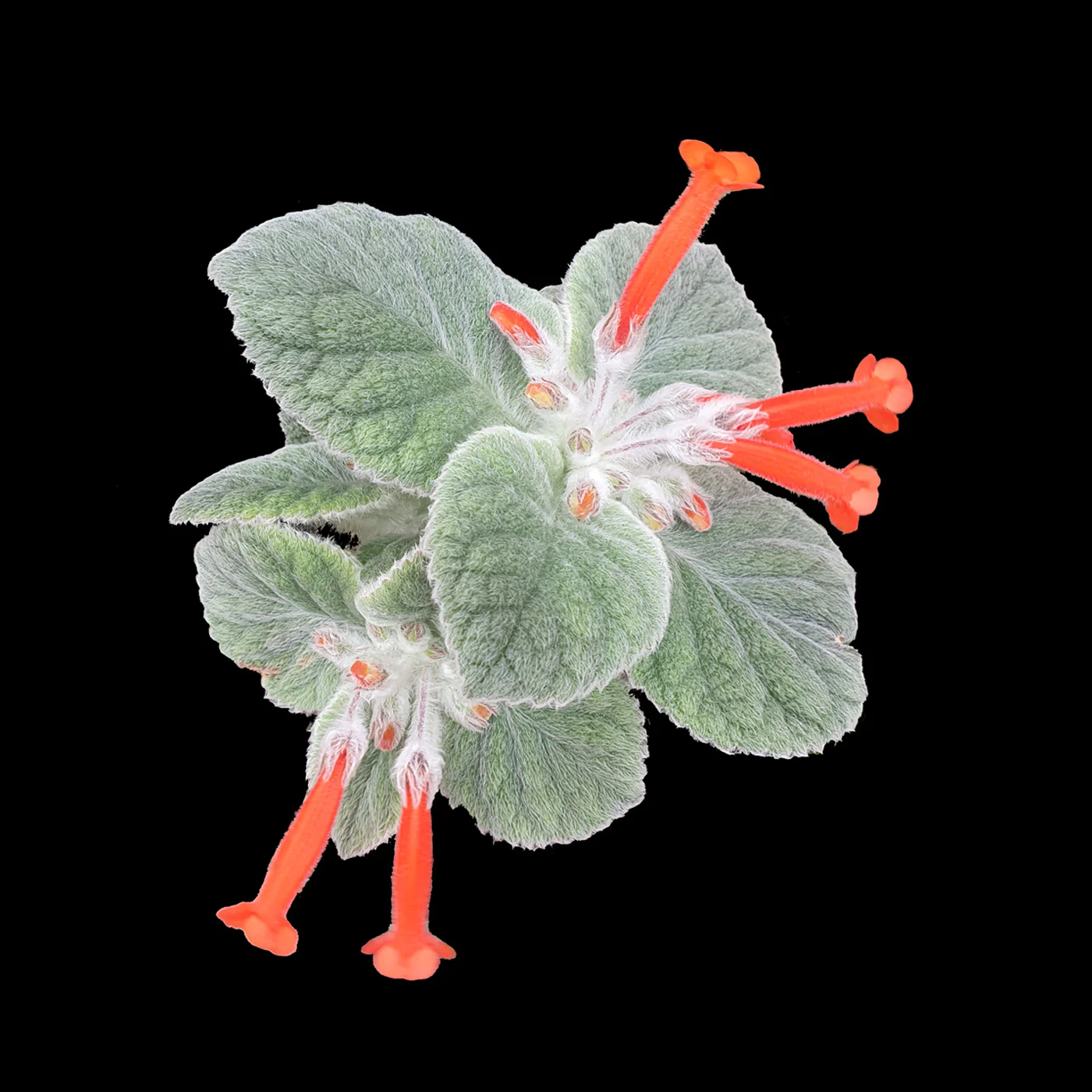
Sempervivum ciliosum
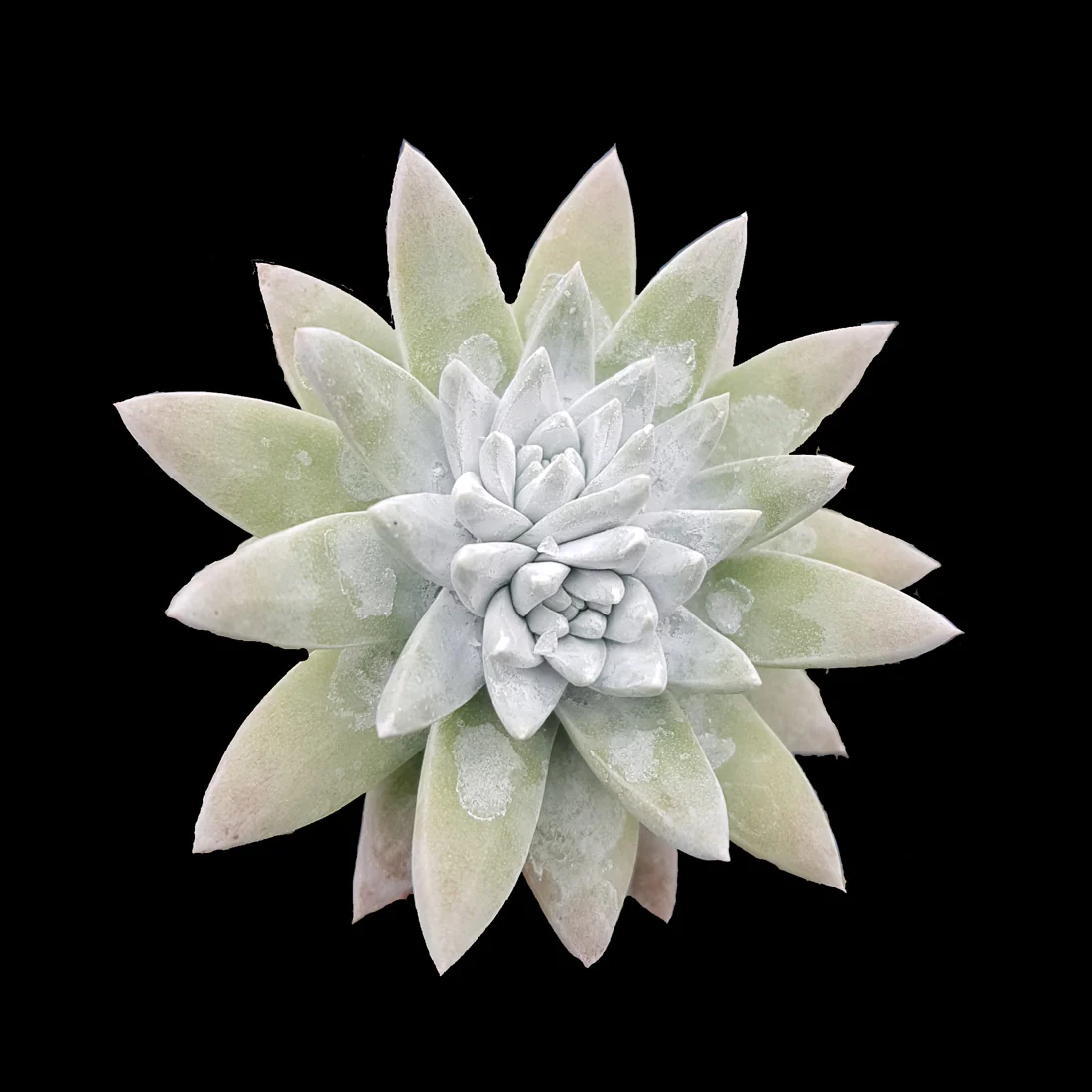
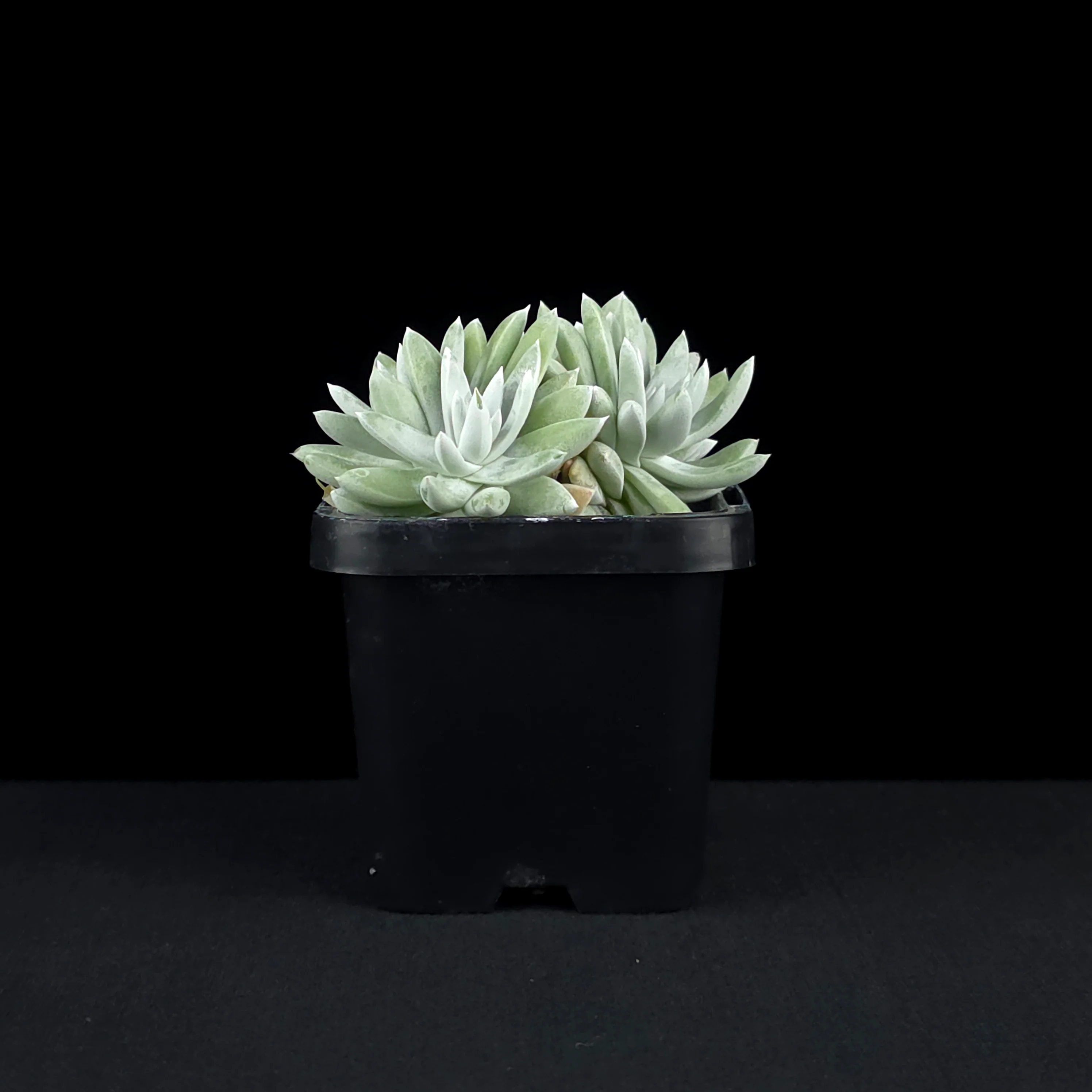
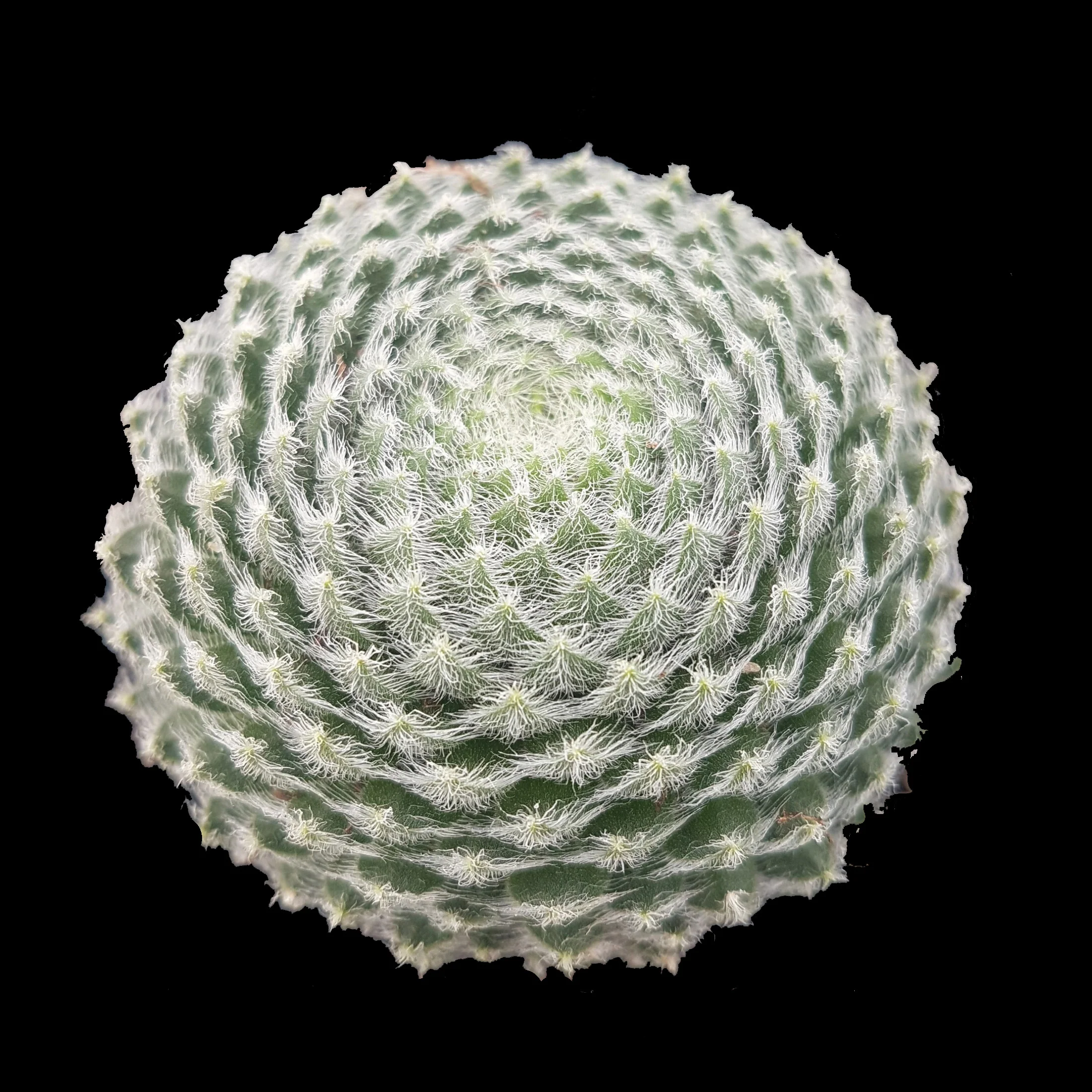
Sempervivum ciliosum is a perennial succulent in the Crassulaceae family, native to the Balkans and southeastern Europe. It forms dense mats of small, fleshy rosettes. The leaves are teal-green, pointed, and slightly hairy—adaptations to sunny, rocky habitats. Mature rosettes are typically around 7.5 cm across, and the plant spreads by producing offsets that root to form colonies.
In summer, rosettes send up flowering stems up to 10 cm tall, topped with yellowish, star-shaped blossoms. After flowering, individual rosettes die back, but the surrounding offsets continue the colony’s growth. The specific epithet “ciliosum” refers to the fine fringe of hairs on the leaf margins.
Care Tips:
- Light — Provide several hours of full sun daily to maintain compact rosette form and flowering potential.
- Water — Water sparingly; allow soil to dry out thoroughly between waterings to avoid rot.
- Media — Use very well-draining, gritty or rocky substrate; excellent drainage is essential.
- Fertiliser — Feeding is generally unnecessary; if desired, use a low-strength balanced fertiliser sparingly during the growing season.
- Temperature — Hardy down to –20 °C; suited to temperate climates with good drainage and sun exposure.
- Repotting — Repot or divide clumps during warm, dry weather when offsets can be easily separated and replanted.
Original: $15.00
-65%$15.00
$5.25More Images
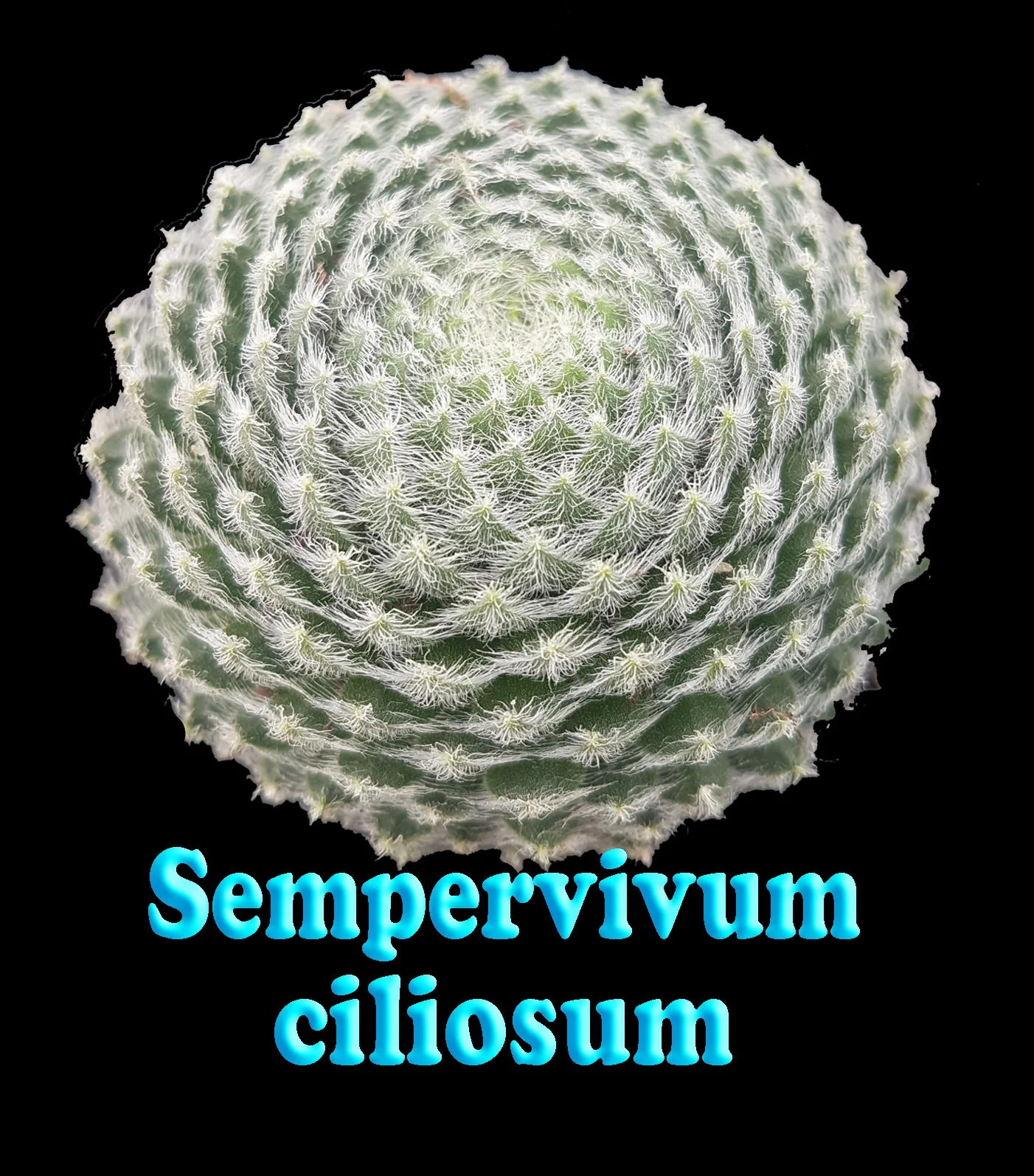
Sempervivum ciliosum
Sempervivum ciliosum is a perennial succulent in the Crassulaceae family, native to the Balkans and southeastern Europe. It forms dense mats of small, fleshy rosettes. The leaves are teal-green, pointed, and slightly hairy—adaptations to sunny, rocky habitats. Mature rosettes are typically around 7.5 cm across, and the plant spreads by producing offsets that root to form colonies.
In summer, rosettes send up flowering stems up to 10 cm tall, topped with yellowish, star-shaped blossoms. After flowering, individual rosettes die back, but the surrounding offsets continue the colony’s growth. The specific epithet “ciliosum” refers to the fine fringe of hairs on the leaf margins.
Care Tips:
- Light — Provide several hours of full sun daily to maintain compact rosette form and flowering potential.
- Water — Water sparingly; allow soil to dry out thoroughly between waterings to avoid rot.
- Media — Use very well-draining, gritty or rocky substrate; excellent drainage is essential.
- Fertiliser — Feeding is generally unnecessary; if desired, use a low-strength balanced fertiliser sparingly during the growing season.
- Temperature — Hardy down to –20 °C; suited to temperate climates with good drainage and sun exposure.
- Repotting — Repot or divide clumps during warm, dry weather when offsets can be easily separated and replanted.
Product Information
Product Information
Shipping & Returns
Shipping & Returns
Description
Sempervivum ciliosum is a perennial succulent in the Crassulaceae family, native to the Balkans and southeastern Europe. It forms dense mats of small, fleshy rosettes. The leaves are teal-green, pointed, and slightly hairy—adaptations to sunny, rocky habitats. Mature rosettes are typically around 7.5 cm across, and the plant spreads by producing offsets that root to form colonies.
In summer, rosettes send up flowering stems up to 10 cm tall, topped with yellowish, star-shaped blossoms. After flowering, individual rosettes die back, but the surrounding offsets continue the colony’s growth. The specific epithet “ciliosum” refers to the fine fringe of hairs on the leaf margins.
Care Tips:
- Light — Provide several hours of full sun daily to maintain compact rosette form and flowering potential.
- Water — Water sparingly; allow soil to dry out thoroughly between waterings to avoid rot.
- Media — Use very well-draining, gritty or rocky substrate; excellent drainage is essential.
- Fertiliser — Feeding is generally unnecessary; if desired, use a low-strength balanced fertiliser sparingly during the growing season.
- Temperature — Hardy down to –20 °C; suited to temperate climates with good drainage and sun exposure.
- Repotting — Repot or divide clumps during warm, dry weather when offsets can be easily separated and replanted.