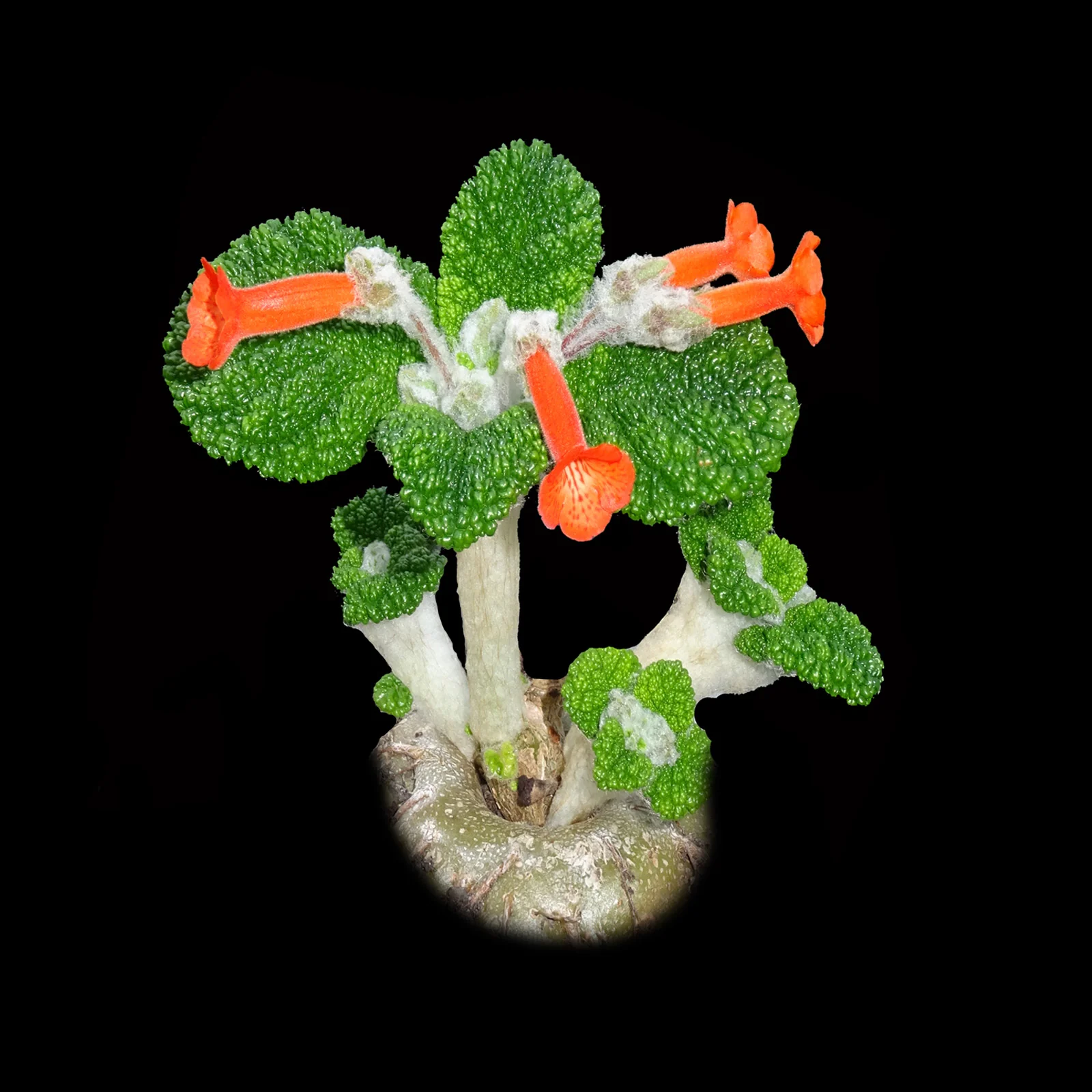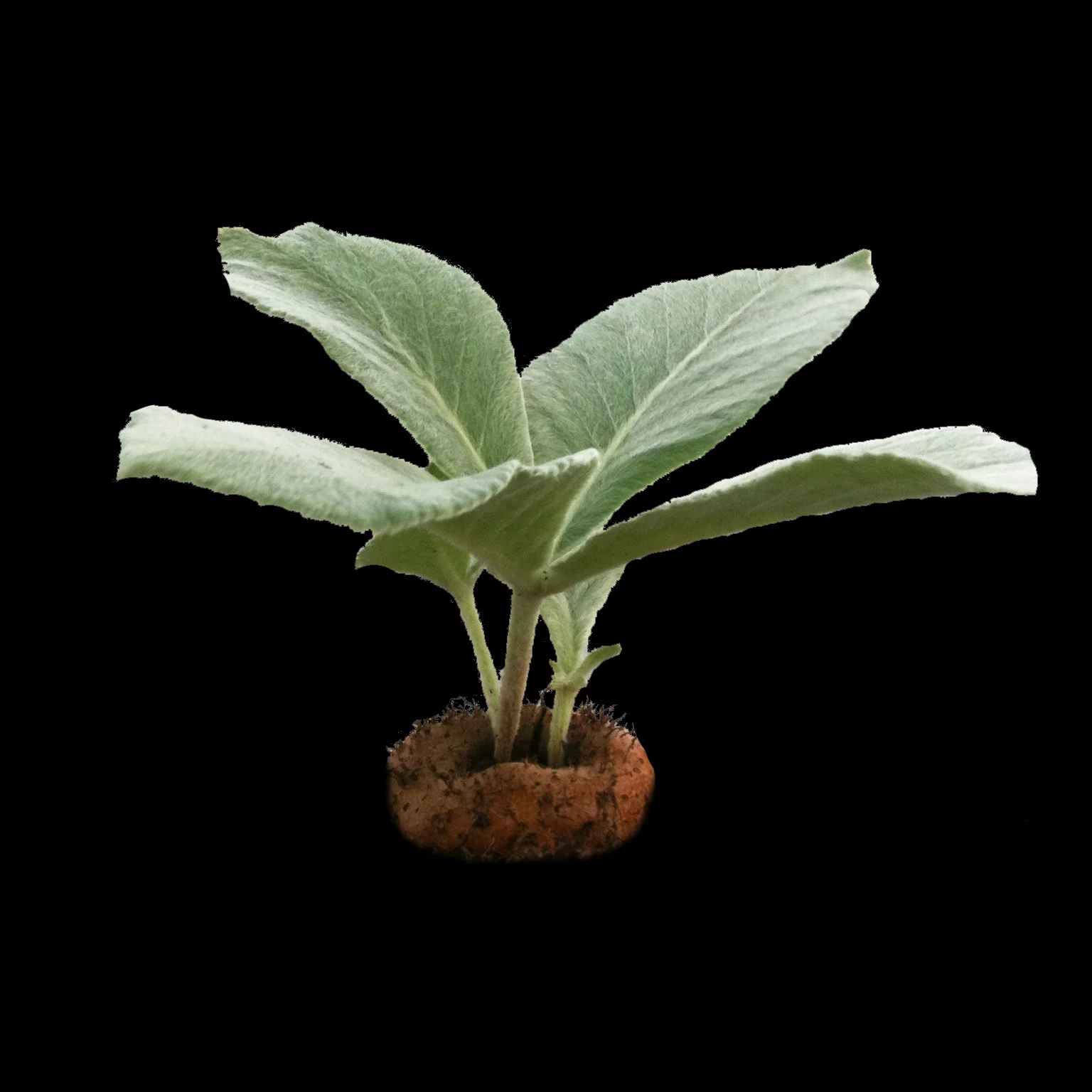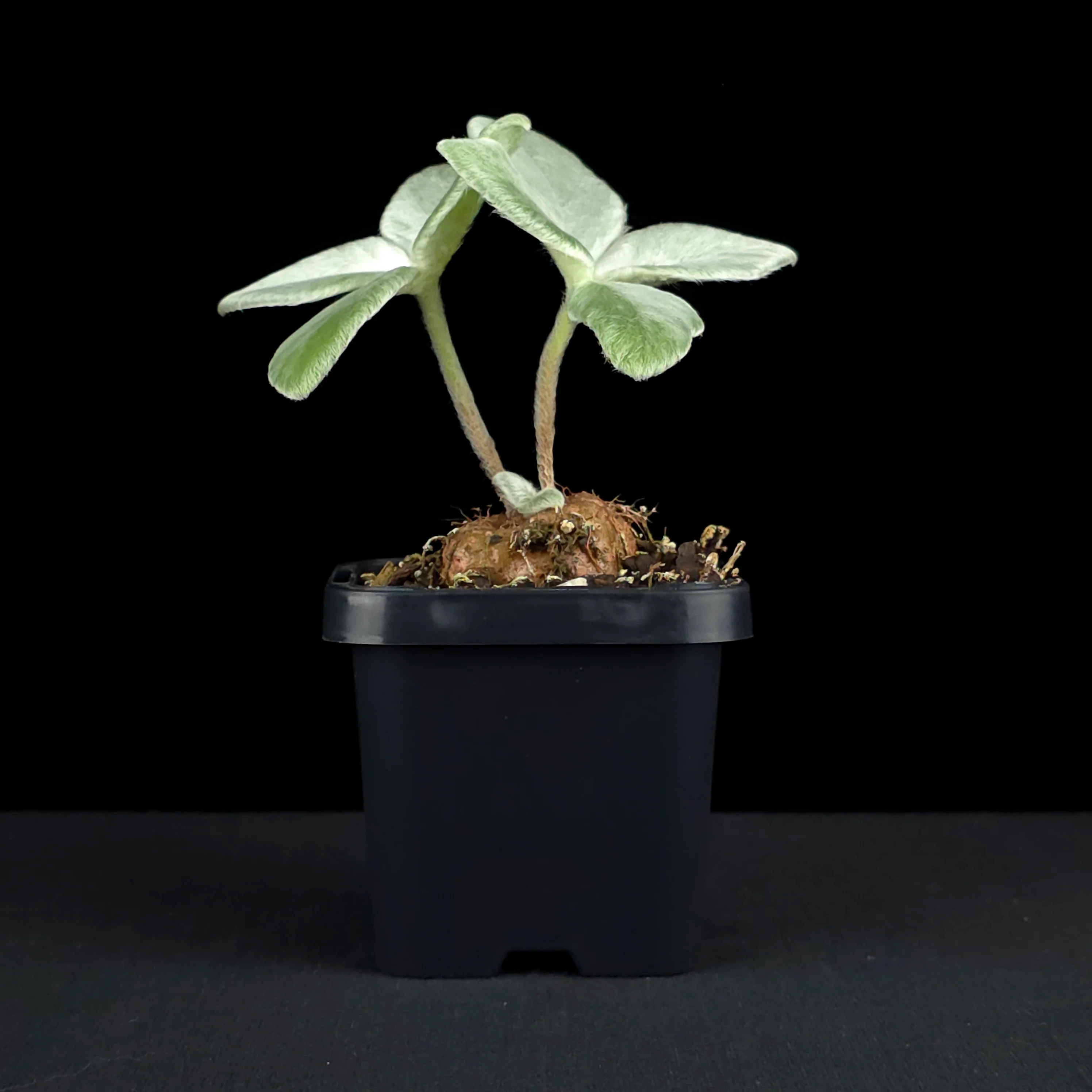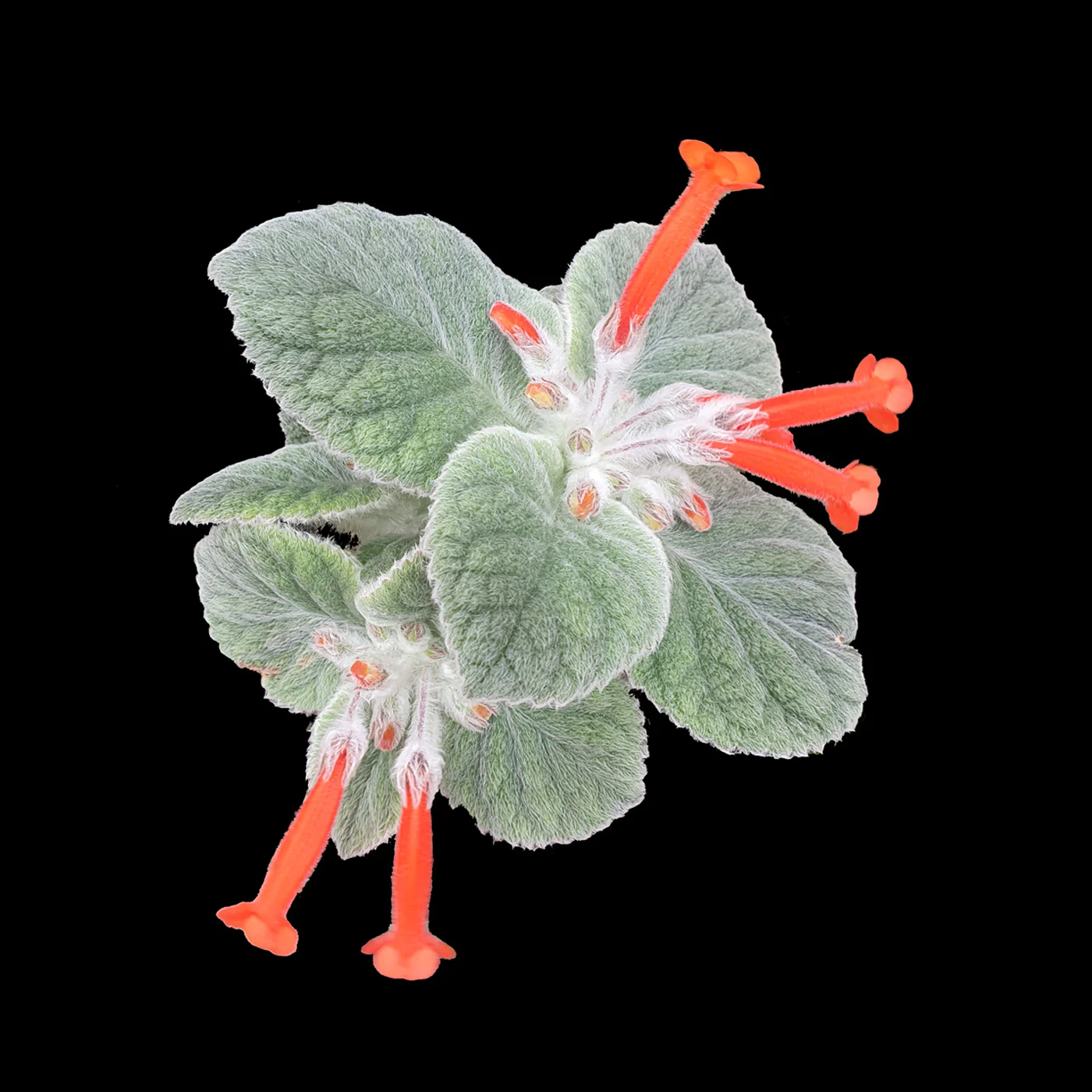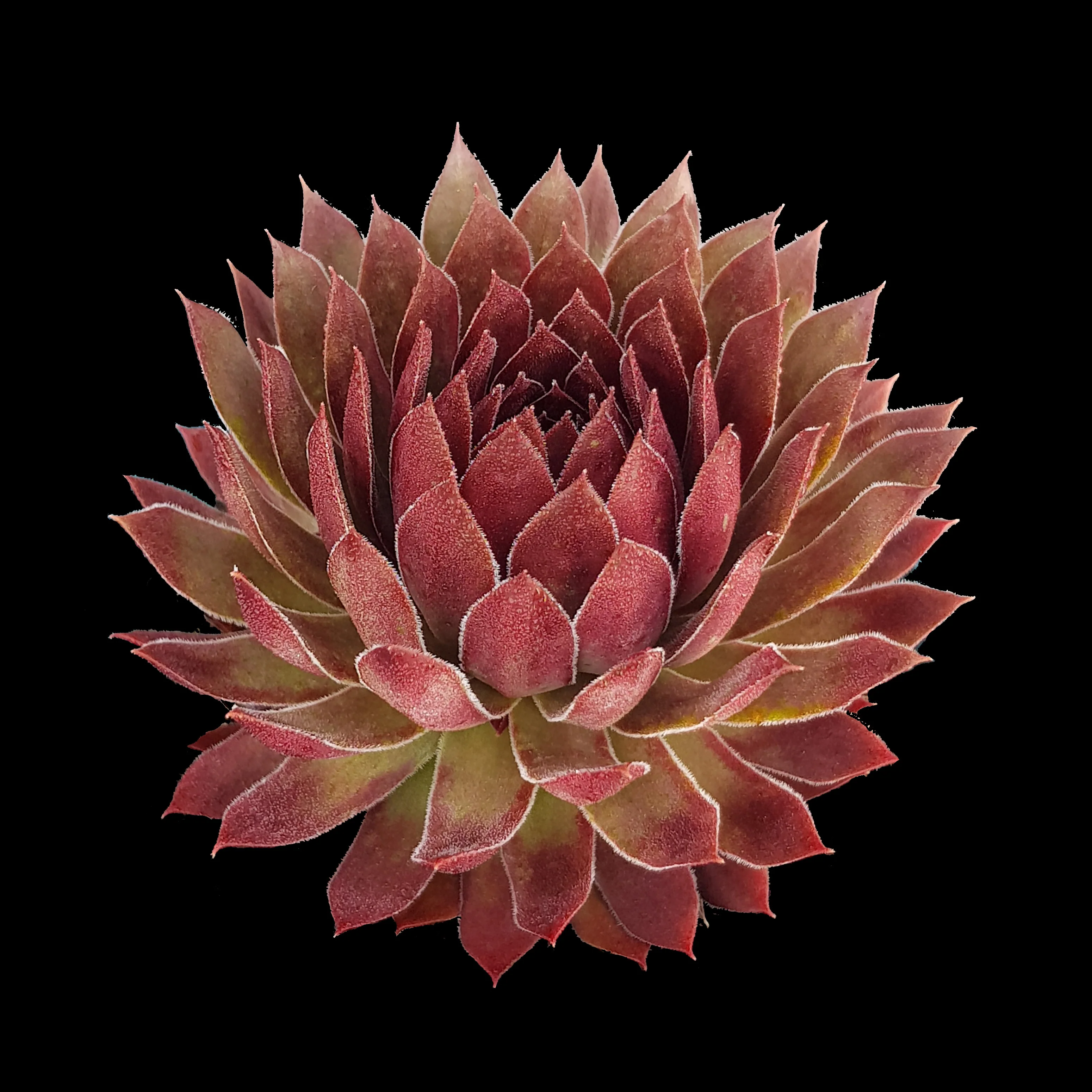
Sempervivum 'Pacific Red Rose'
Sempervivum 'Pacific Red Rose' is a cultivated member of what is commonly known as houseleeks, in the Crassulaceae family. It originates from breeding work involving species native to the mountainous regions of southern Europe, where they inhabit rocky slopes and shallow, well-drained soils in full sun. This heritage gives the plant excellent tolerance to both drought and cold conditions.
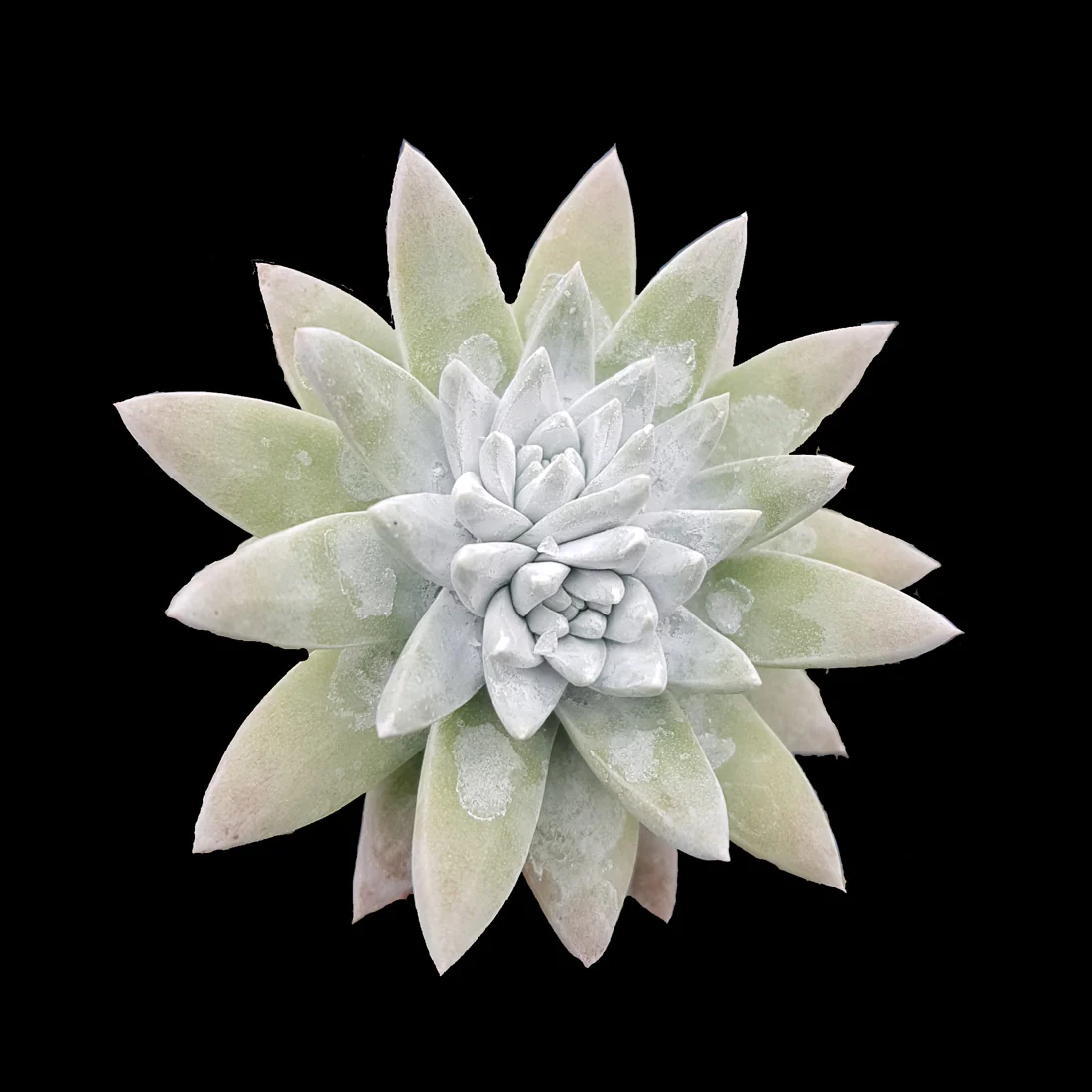
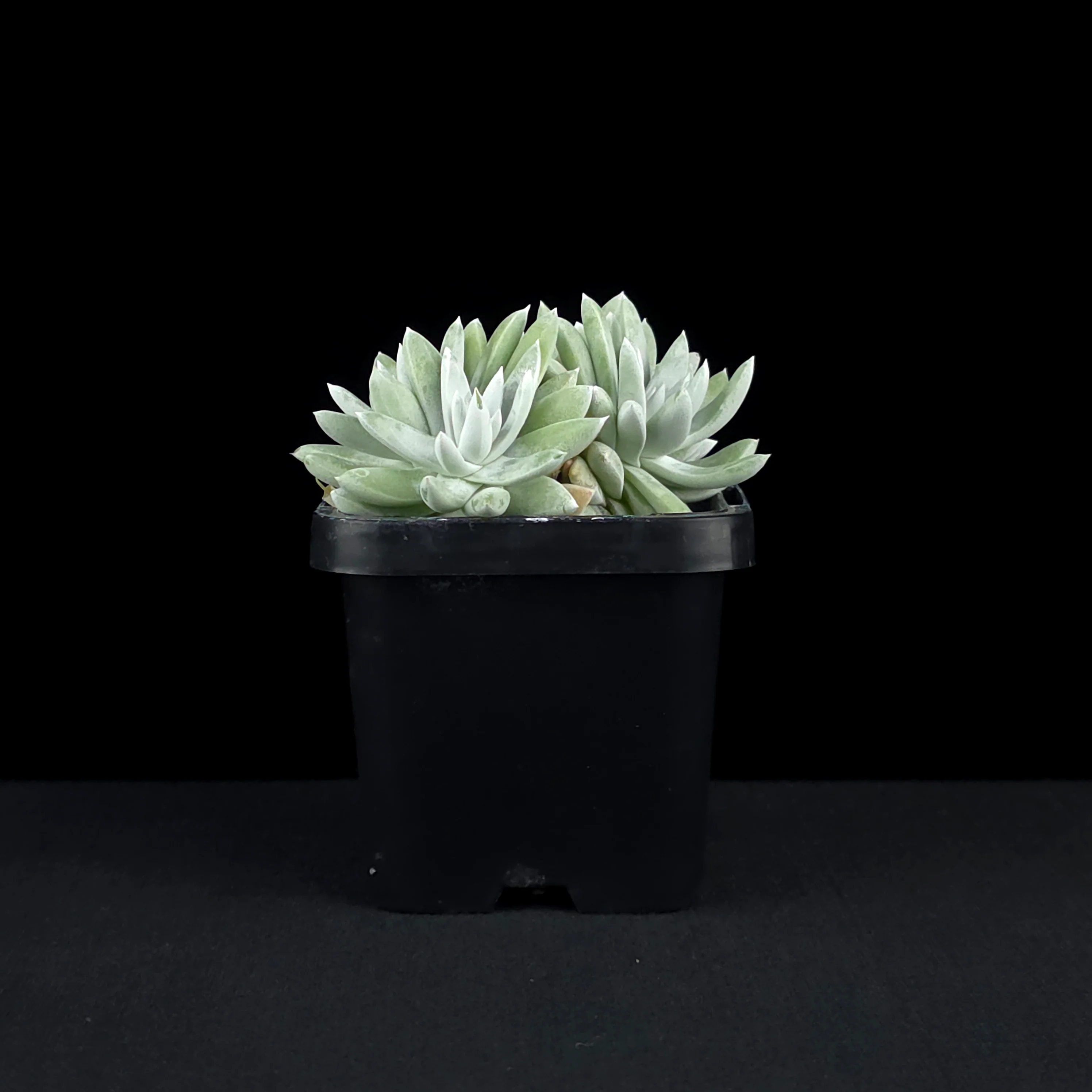
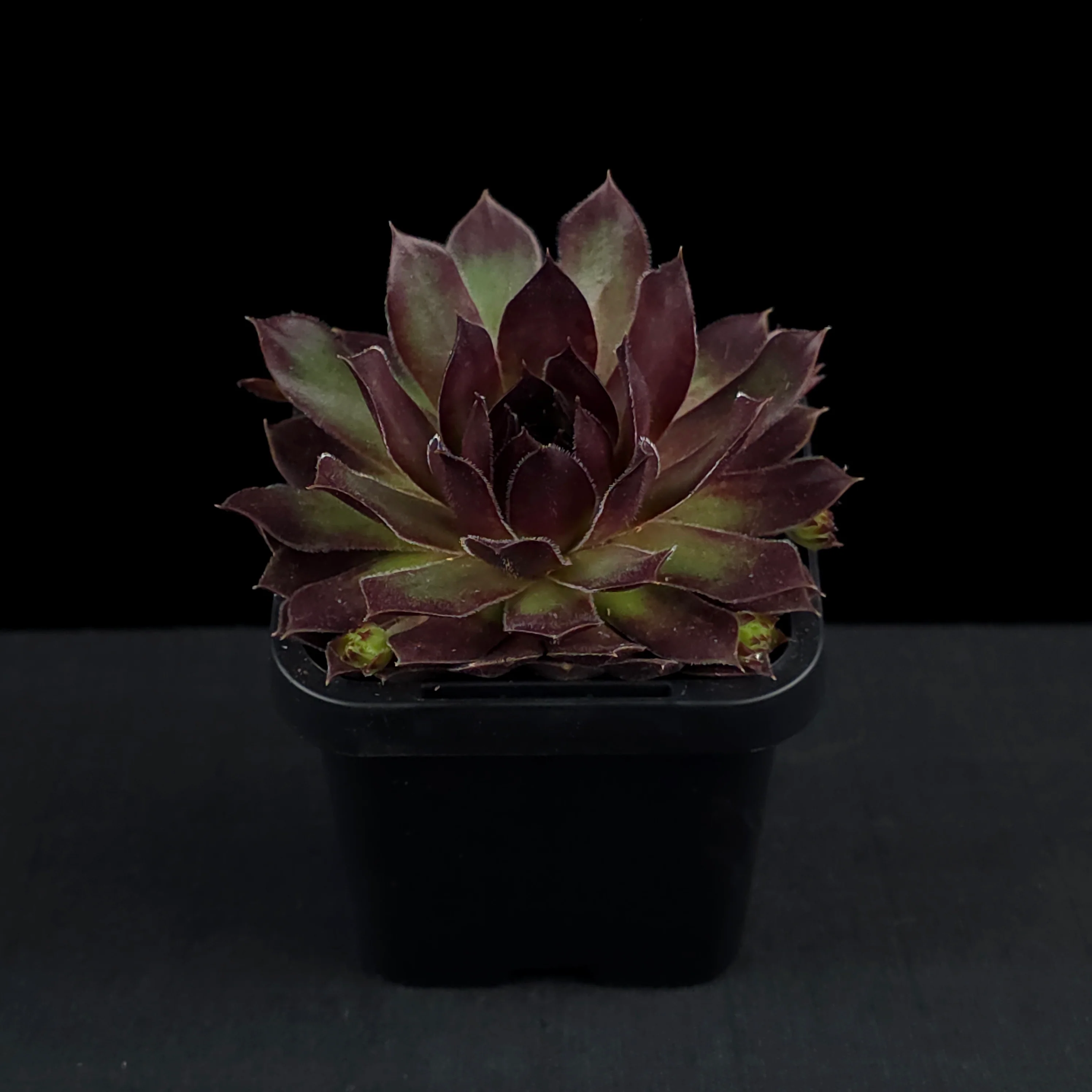
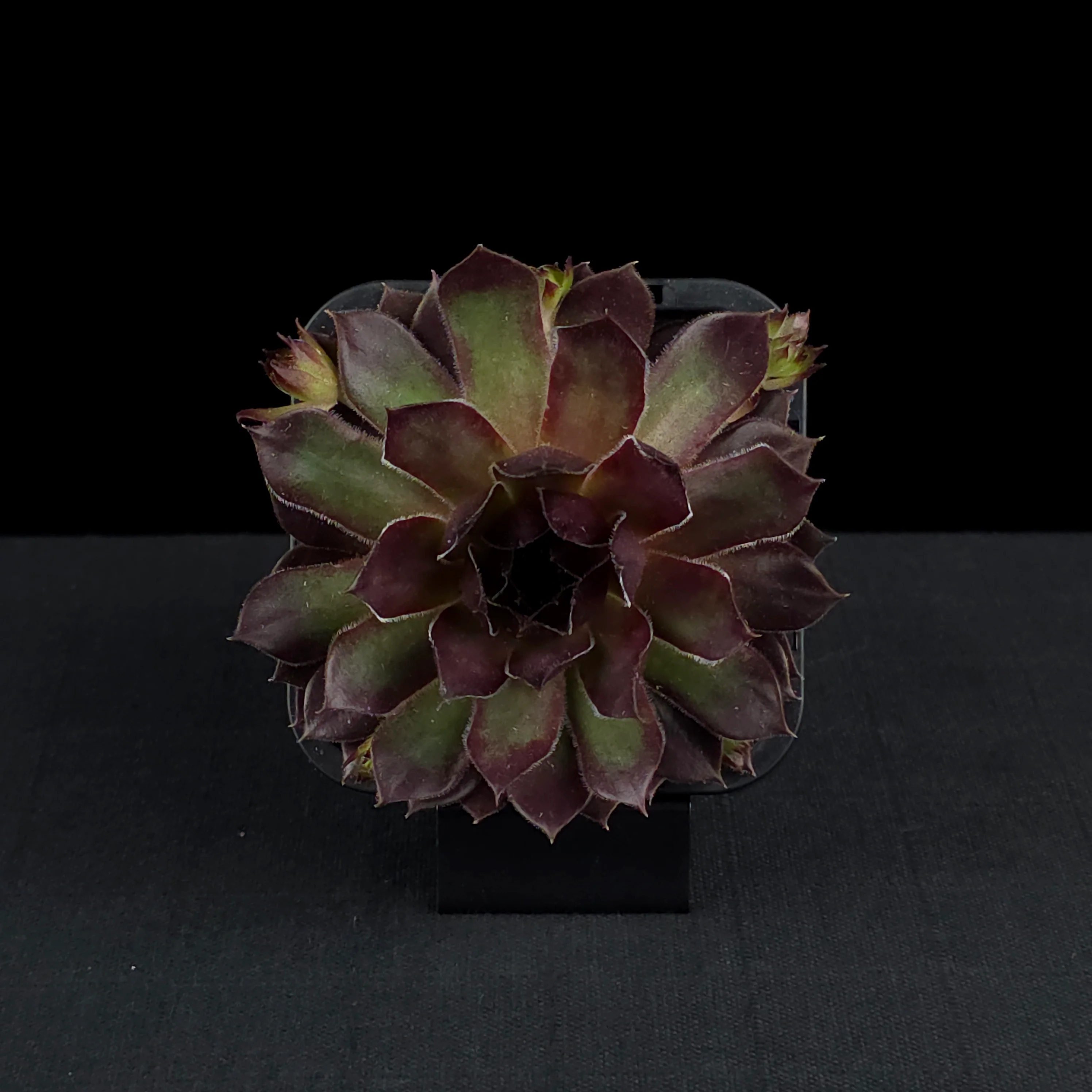
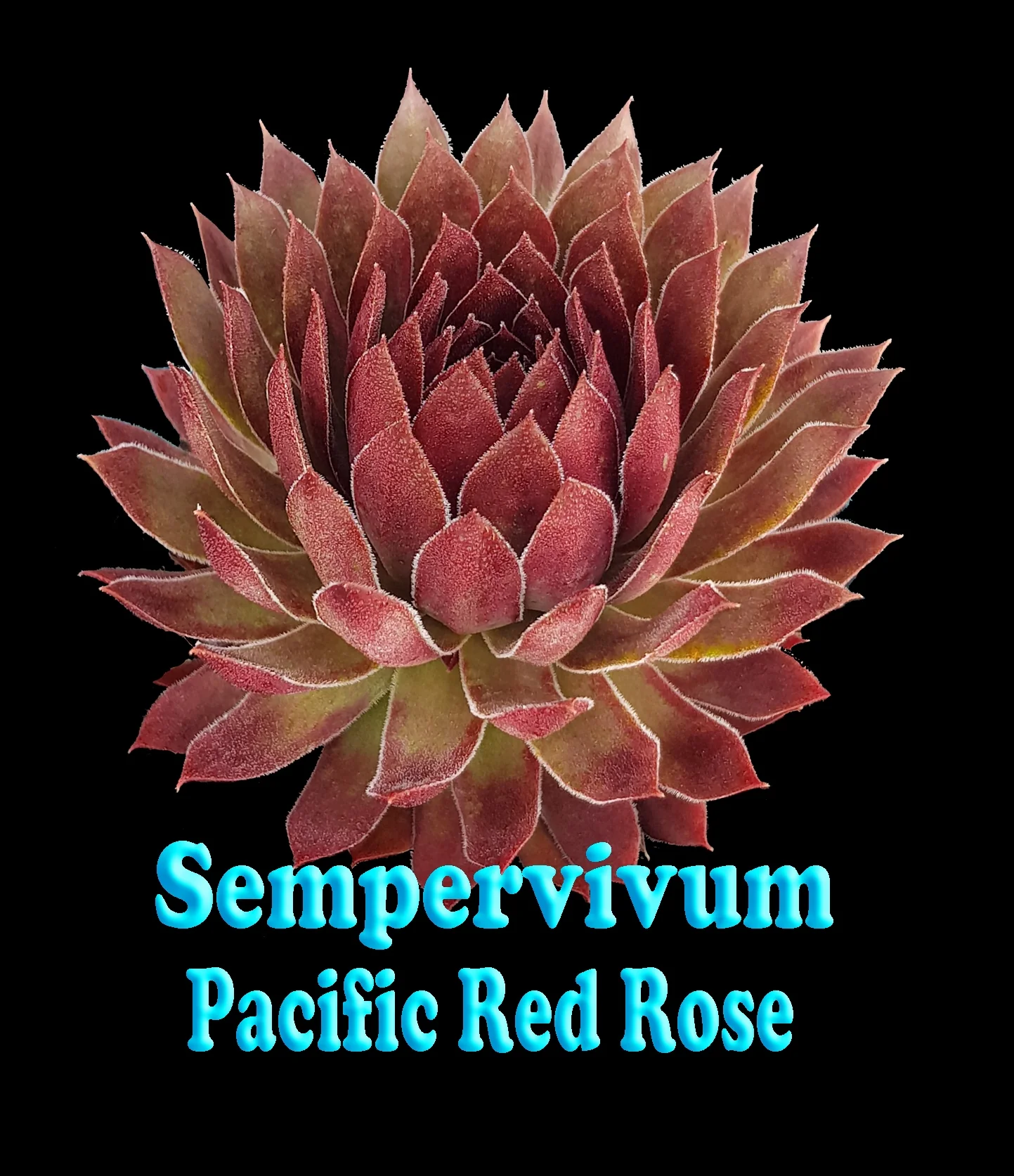
The rosettes are neat and symmetrical, with fleshy, pointed leaves that develop deep red to reddish-purple tones, particularly during cooler seasons or under strong sunlight. The intensity of the colour varies with environmental conditions, and offsets form readily around the base, creating spreading clusters over time. Each rosette is monocarpic, flowering once before dying, with continual offset production ensuring the plant's persistence.
Flowering usually occurs in summer, when mature rosettes produce tall stems topped with clusters of star-shaped flowers. The blooms are typically pink to reddish and attract a variety of insect pollinators. Following seed production, the flowering rosette dies back, leaving space for surrounding offsets to continue the colony's growth.
Care Tips:
- Light: Provide full sun to maintain compact growth and strong seasonal colour.
- Water: Water sparingly, allowing the substrate to dry fully between applications.
- Media: Use a gritty, free-draining mix suited to alpine and succulent plants.
- Fertiliser: Light feeding with a diluted, low-nitrogen fertiliser during active growth.
- Temperature: Tolerates frost and sub-zero temperatures when kept dry.
- Repotting: Infrequent; divide and replant offsets or refresh the substrate as required.
Original: $8.50
-65%$8.50
$2.97More Images
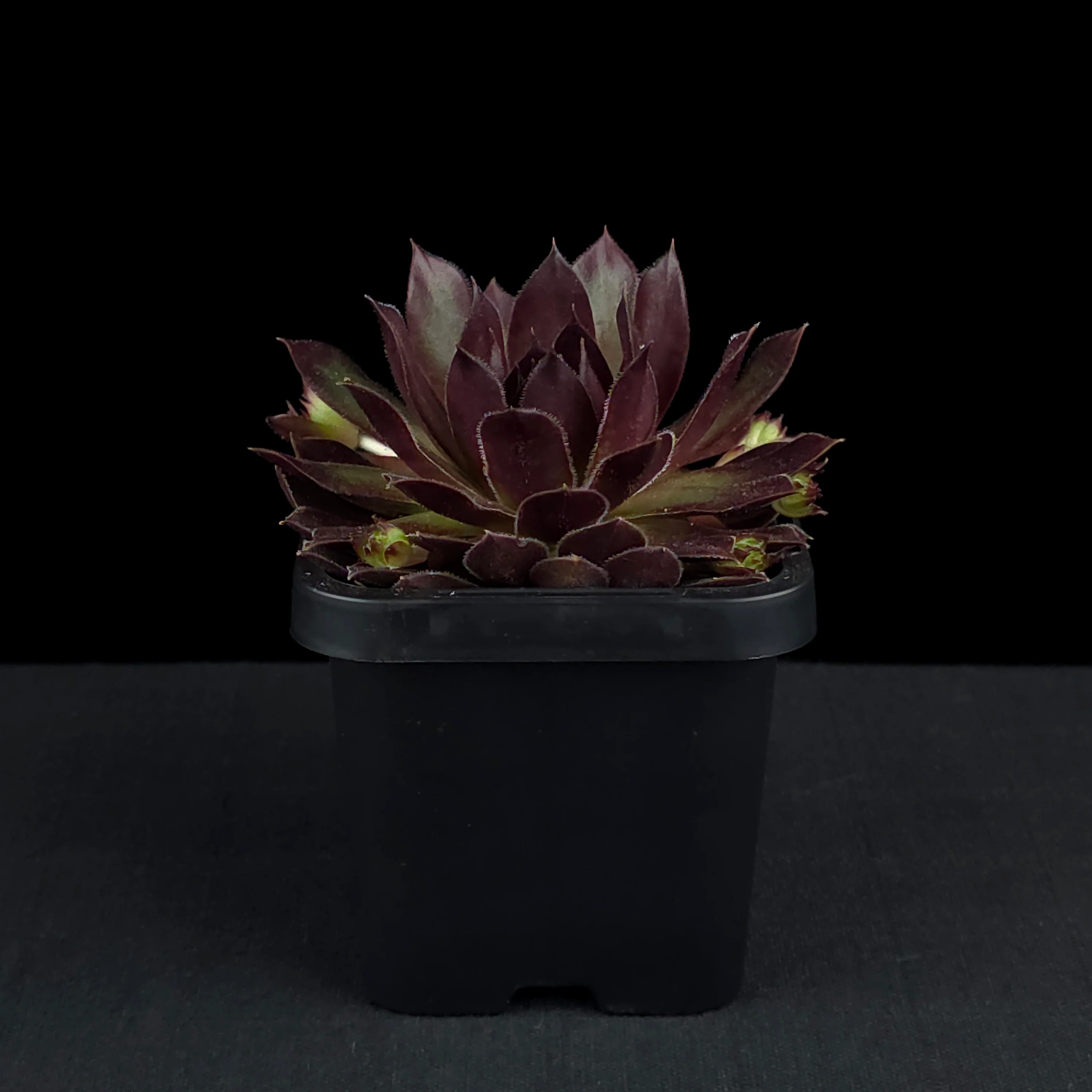
Sempervivum 'Pacific Red Rose'
Sempervivum 'Pacific Red Rose' is a cultivated member of what is commonly known as houseleeks, in the Crassulaceae family. It originates from breeding work involving species native to the mountainous regions of southern Europe, where they inhabit rocky slopes and shallow, well-drained soils in full sun. This heritage gives the plant excellent tolerance to both drought and cold conditions.
The rosettes are neat and symmetrical, with fleshy, pointed leaves that develop deep red to reddish-purple tones, particularly during cooler seasons or under strong sunlight. The intensity of the colour varies with environmental conditions, and offsets form readily around the base, creating spreading clusters over time. Each rosette is monocarpic, flowering once before dying, with continual offset production ensuring the plant's persistence.
Flowering usually occurs in summer, when mature rosettes produce tall stems topped with clusters of star-shaped flowers. The blooms are typically pink to reddish and attract a variety of insect pollinators. Following seed production, the flowering rosette dies back, leaving space for surrounding offsets to continue the colony's growth.
Care Tips:
- Light: Provide full sun to maintain compact growth and strong seasonal colour.
- Water: Water sparingly, allowing the substrate to dry fully between applications.
- Media: Use a gritty, free-draining mix suited to alpine and succulent plants.
- Fertiliser: Light feeding with a diluted, low-nitrogen fertiliser during active growth.
- Temperature: Tolerates frost and sub-zero temperatures when kept dry.
- Repotting: Infrequent; divide and replant offsets or refresh the substrate as required.
Product Information
Product Information
Shipping & Returns
Shipping & Returns
Description
Sempervivum 'Pacific Red Rose' is a cultivated member of what is commonly known as houseleeks, in the Crassulaceae family. It originates from breeding work involving species native to the mountainous regions of southern Europe, where they inhabit rocky slopes and shallow, well-drained soils in full sun. This heritage gives the plant excellent tolerance to both drought and cold conditions.
The rosettes are neat and symmetrical, with fleshy, pointed leaves that develop deep red to reddish-purple tones, particularly during cooler seasons or under strong sunlight. The intensity of the colour varies with environmental conditions, and offsets form readily around the base, creating spreading clusters over time. Each rosette is monocarpic, flowering once before dying, with continual offset production ensuring the plant's persistence.
Flowering usually occurs in summer, when mature rosettes produce tall stems topped with clusters of star-shaped flowers. The blooms are typically pink to reddish and attract a variety of insect pollinators. Following seed production, the flowering rosette dies back, leaving space for surrounding offsets to continue the colony's growth.
Care Tips:
- Light: Provide full sun to maintain compact growth and strong seasonal colour.
- Water: Water sparingly, allowing the substrate to dry fully between applications.
- Media: Use a gritty, free-draining mix suited to alpine and succulent plants.
- Fertiliser: Light feeding with a diluted, low-nitrogen fertiliser during active growth.
- Temperature: Tolerates frost and sub-zero temperatures when kept dry.
- Repotting: Infrequent; divide and replant offsets or refresh the substrate as required.