Titanopsis calcarea – Living Stone
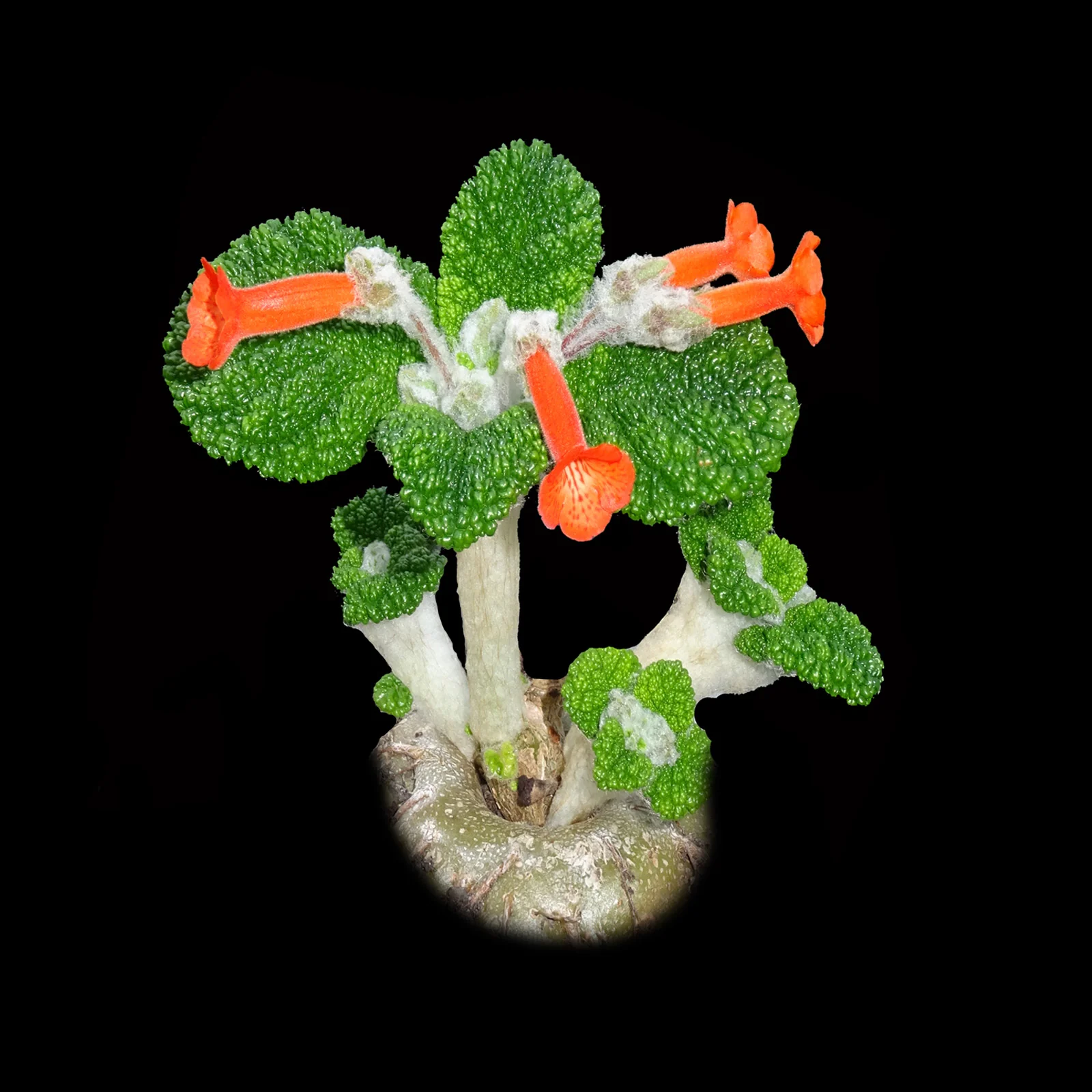
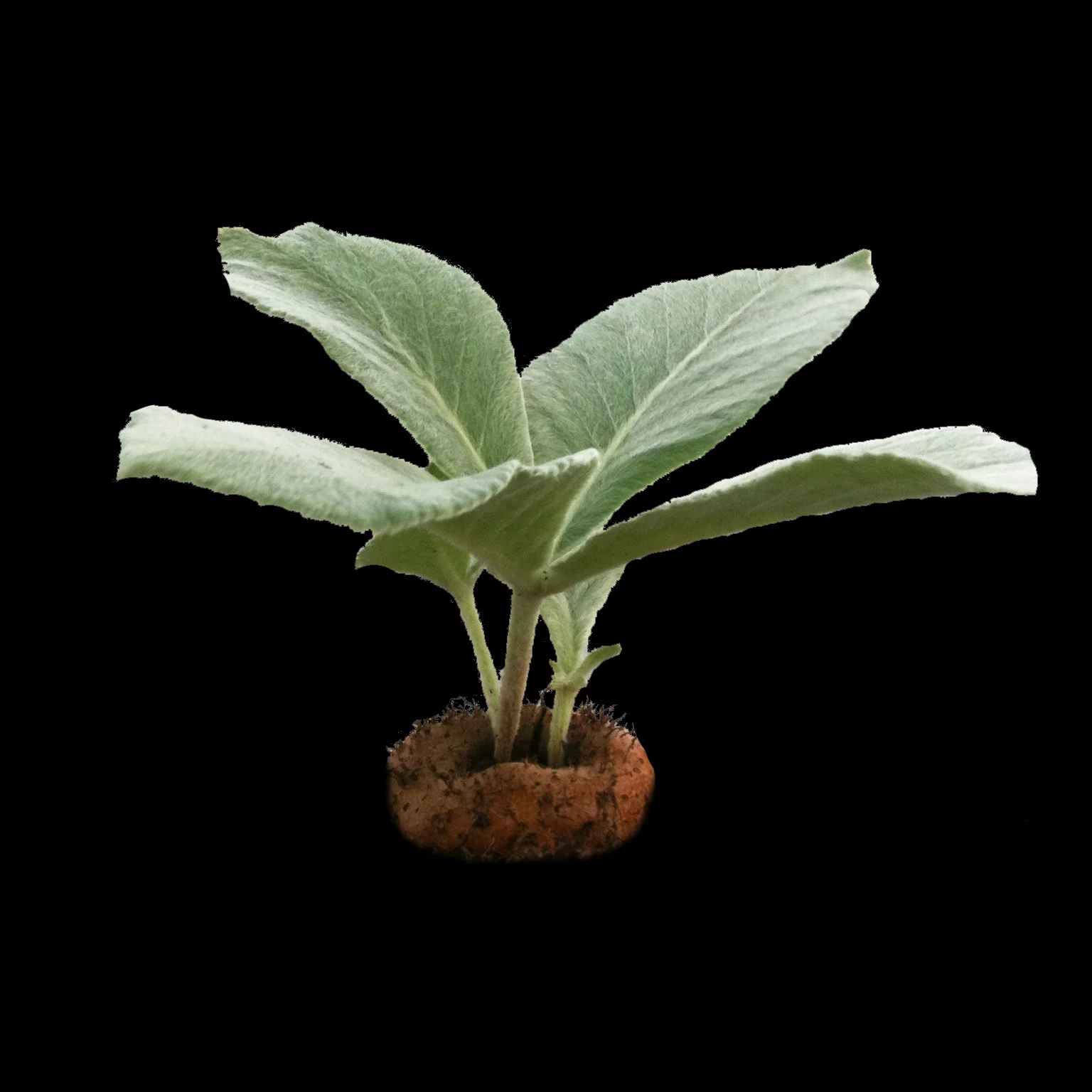
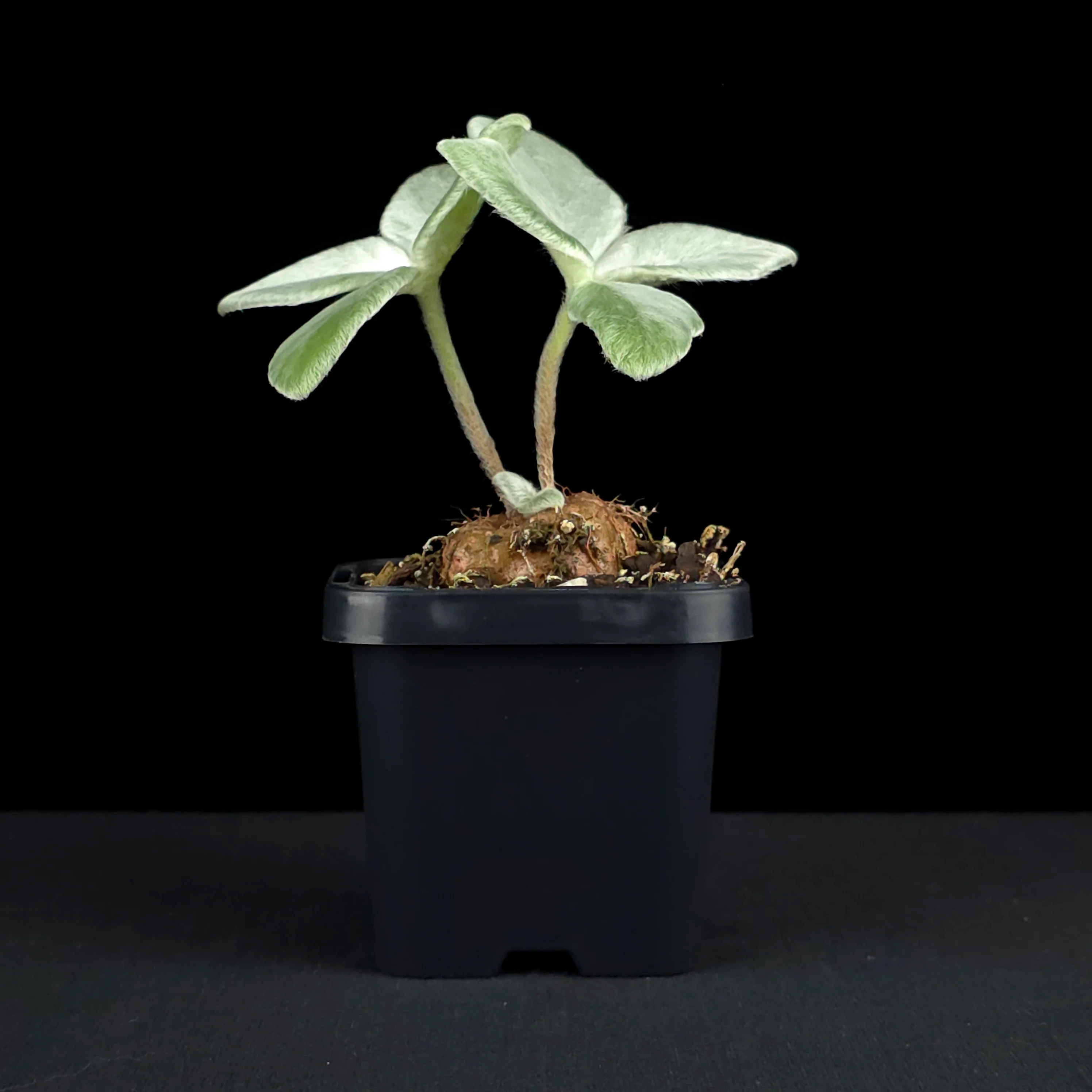
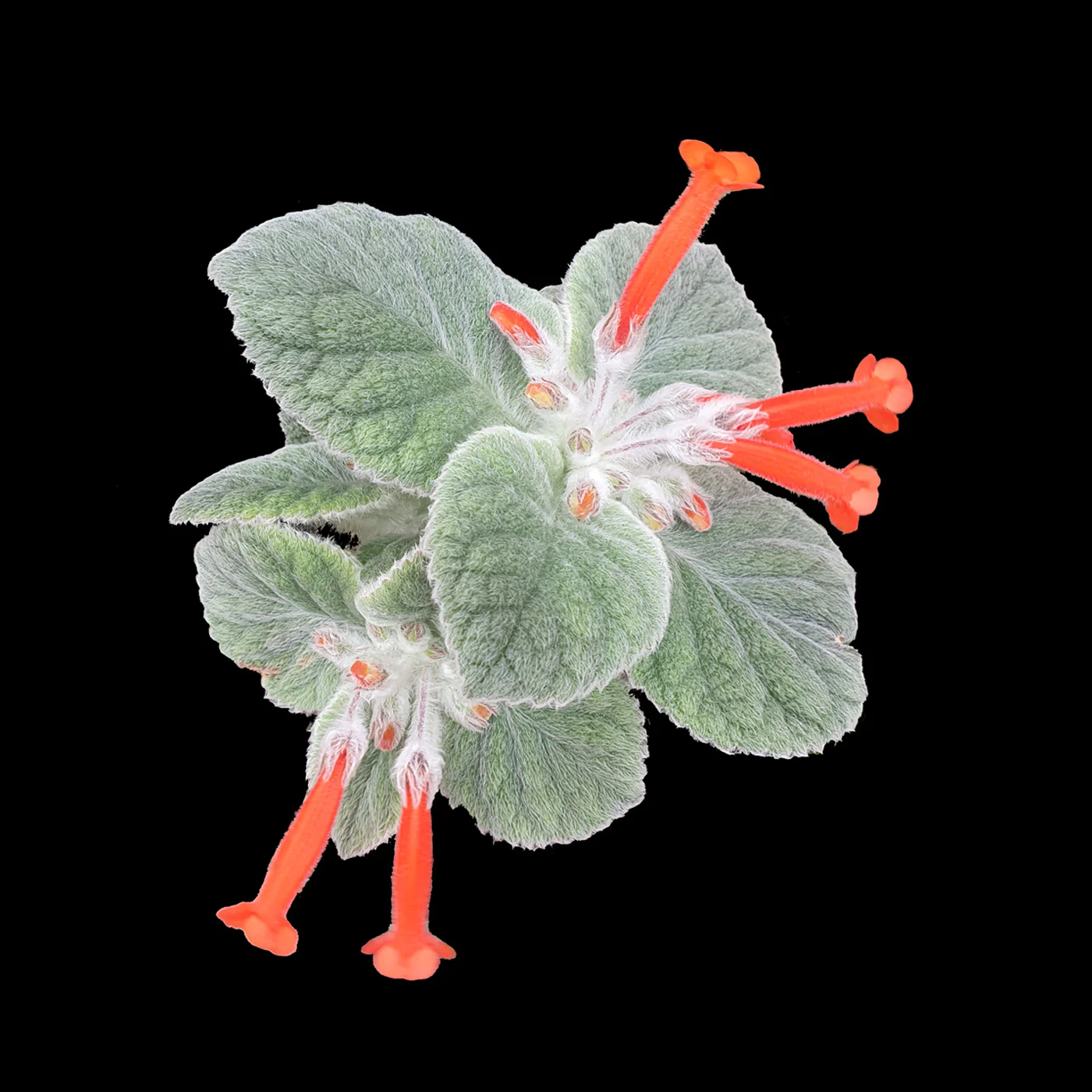
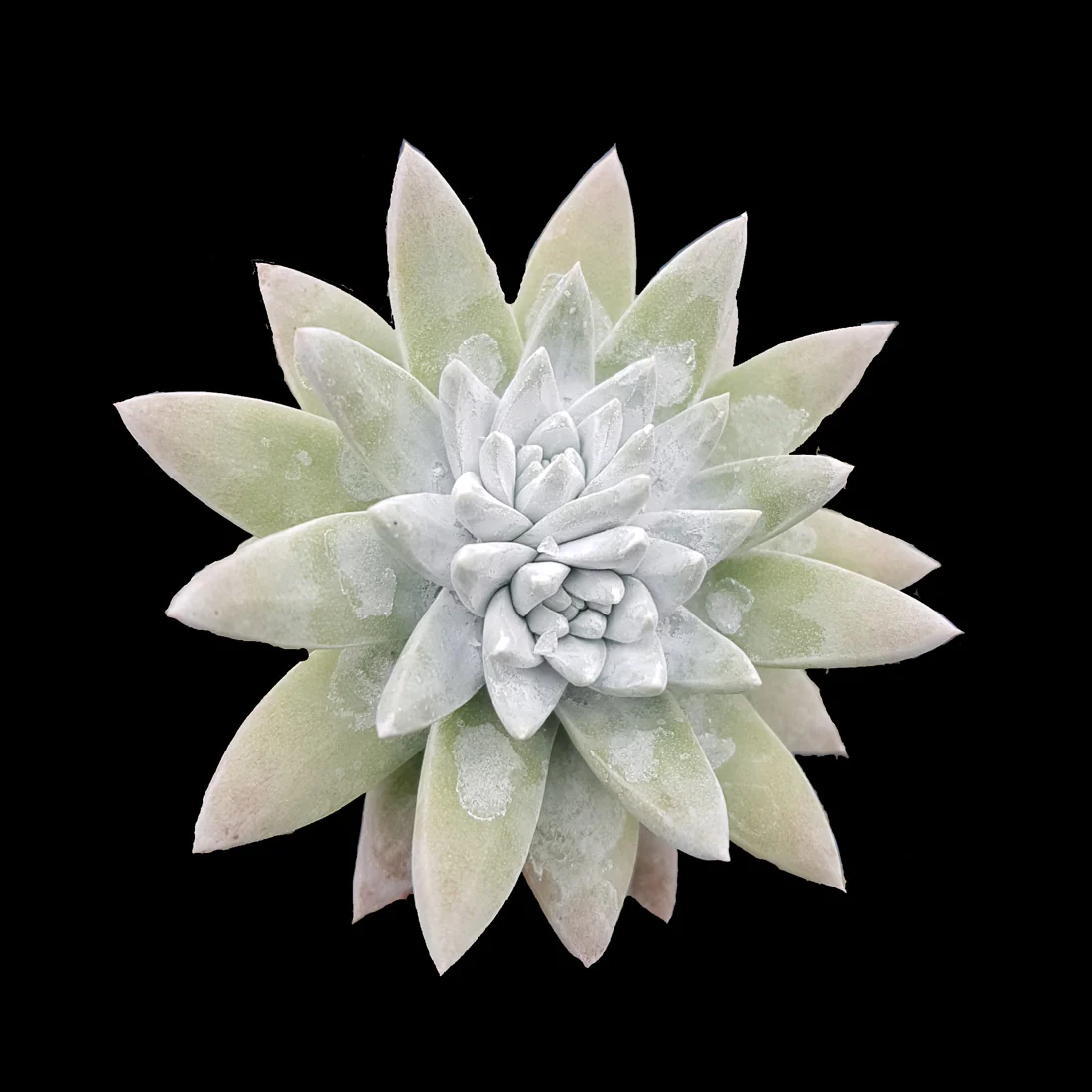
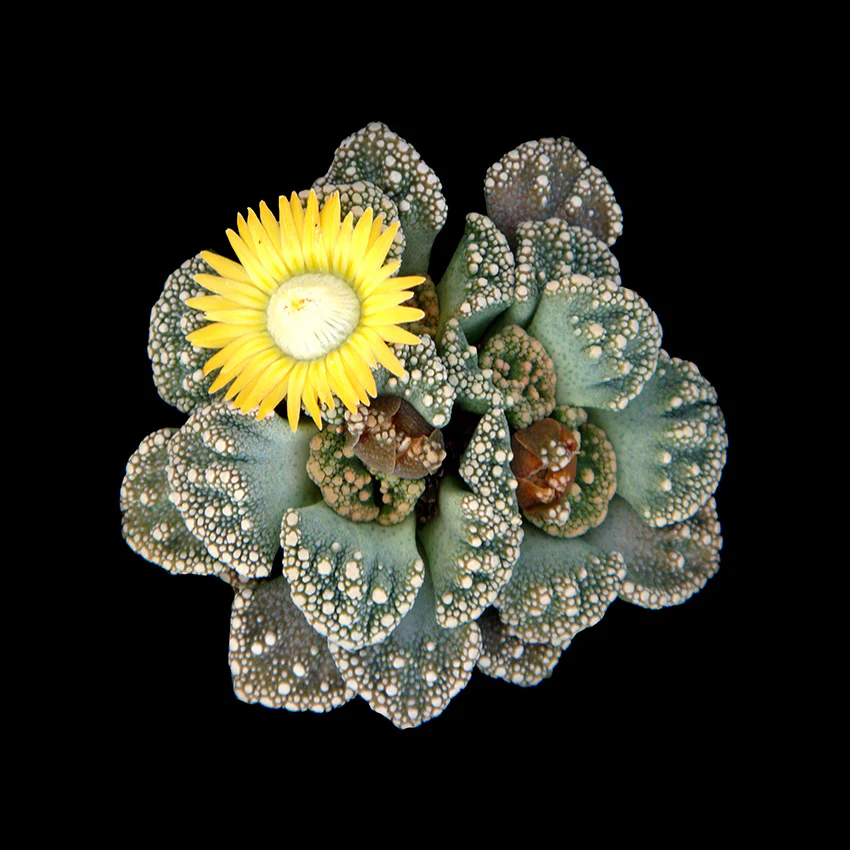
Titanopsis calcarea is a compact, low-growing succulent native to the arid Karoo region of South Africa. Renowned for its exquisite mimicry, this species resembles lichen-encrusted limestone to blend into its rocky habitat, helping to deter herbivores. It belongs to the Aizoaceae family and is particularly admired by collectors for its textural foliage and resilience in dry environments.
Distinctive Features
- Camouflaged Leaf Texture: The warty, roughened surface of the leaves imitates the look of limestone grit, offering a unique aesthetic and natural disguise.
- Rosette Formation: Leaves are tightly packed in dense, flat rosettes, often no larger than a few centimetres across.
- Winter-Blooming Flowers: Bright yellow, daisy-like flowers appear in late autumn to winter, adding a pop of colour when most succulents are dormant.
Care Tips
- Light: Prefers bright, direct light but benefits from some protection during the hottest part of the day in summer.
- Water: Water sparingly during active growth; keep almost dry during summer dormancy to prevent rot.
- Humidity: Thrives in dry air and dislikes humid conditions.
- Media: Requires sharply draining mineral soil with added grit or perlite for aeration.
- Temperature: Best grown between 10–25°C; tolerates brief light frost if dry.
- Fertiliser: Apply a diluted cactus fertiliser in autumn and early spring during active growth.
- Repotting: Infrequently needed; only repot when the plant outgrows its container or offsets form.
Original: $12.50
-65%$12.50
$4.38More Images

Titanopsis calcarea – Living Stone
Titanopsis calcarea is a compact, low-growing succulent native to the arid Karoo region of South Africa. Renowned for its exquisite mimicry, this species resembles lichen-encrusted limestone to blend into its rocky habitat, helping to deter herbivores. It belongs to the Aizoaceae family and is particularly admired by collectors for its textural foliage and resilience in dry environments.
Distinctive Features
- Camouflaged Leaf Texture: The warty, roughened surface of the leaves imitates the look of limestone grit, offering a unique aesthetic and natural disguise.
- Rosette Formation: Leaves are tightly packed in dense, flat rosettes, often no larger than a few centimetres across.
- Winter-Blooming Flowers: Bright yellow, daisy-like flowers appear in late autumn to winter, adding a pop of colour when most succulents are dormant.
Care Tips
- Light: Prefers bright, direct light but benefits from some protection during the hottest part of the day in summer.
- Water: Water sparingly during active growth; keep almost dry during summer dormancy to prevent rot.
- Humidity: Thrives in dry air and dislikes humid conditions.
- Media: Requires sharply draining mineral soil with added grit or perlite for aeration.
- Temperature: Best grown between 10–25°C; tolerates brief light frost if dry.
- Fertiliser: Apply a diluted cactus fertiliser in autumn and early spring during active growth.
- Repotting: Infrequently needed; only repot when the plant outgrows its container or offsets form.
Product Information
Product Information
Shipping & Returns
Shipping & Returns
Description
Titanopsis calcarea is a compact, low-growing succulent native to the arid Karoo region of South Africa. Renowned for its exquisite mimicry, this species resembles lichen-encrusted limestone to blend into its rocky habitat, helping to deter herbivores. It belongs to the Aizoaceae family and is particularly admired by collectors for its textural foliage and resilience in dry environments.
Distinctive Features
- Camouflaged Leaf Texture: The warty, roughened surface of the leaves imitates the look of limestone grit, offering a unique aesthetic and natural disguise.
- Rosette Formation: Leaves are tightly packed in dense, flat rosettes, often no larger than a few centimetres across.
- Winter-Blooming Flowers: Bright yellow, daisy-like flowers appear in late autumn to winter, adding a pop of colour when most succulents are dormant.
Care Tips
- Light: Prefers bright, direct light but benefits from some protection during the hottest part of the day in summer.
- Water: Water sparingly during active growth; keep almost dry during summer dormancy to prevent rot.
- Humidity: Thrives in dry air and dislikes humid conditions.
- Media: Requires sharply draining mineral soil with added grit or perlite for aeration.
- Temperature: Best grown between 10–25°C; tolerates brief light frost if dry.
- Fertiliser: Apply a diluted cactus fertiliser in autumn and early spring during active growth.
- Repotting: Infrequently needed; only repot when the plant outgrows its container or offsets form.