Tylecodon buchholzianus
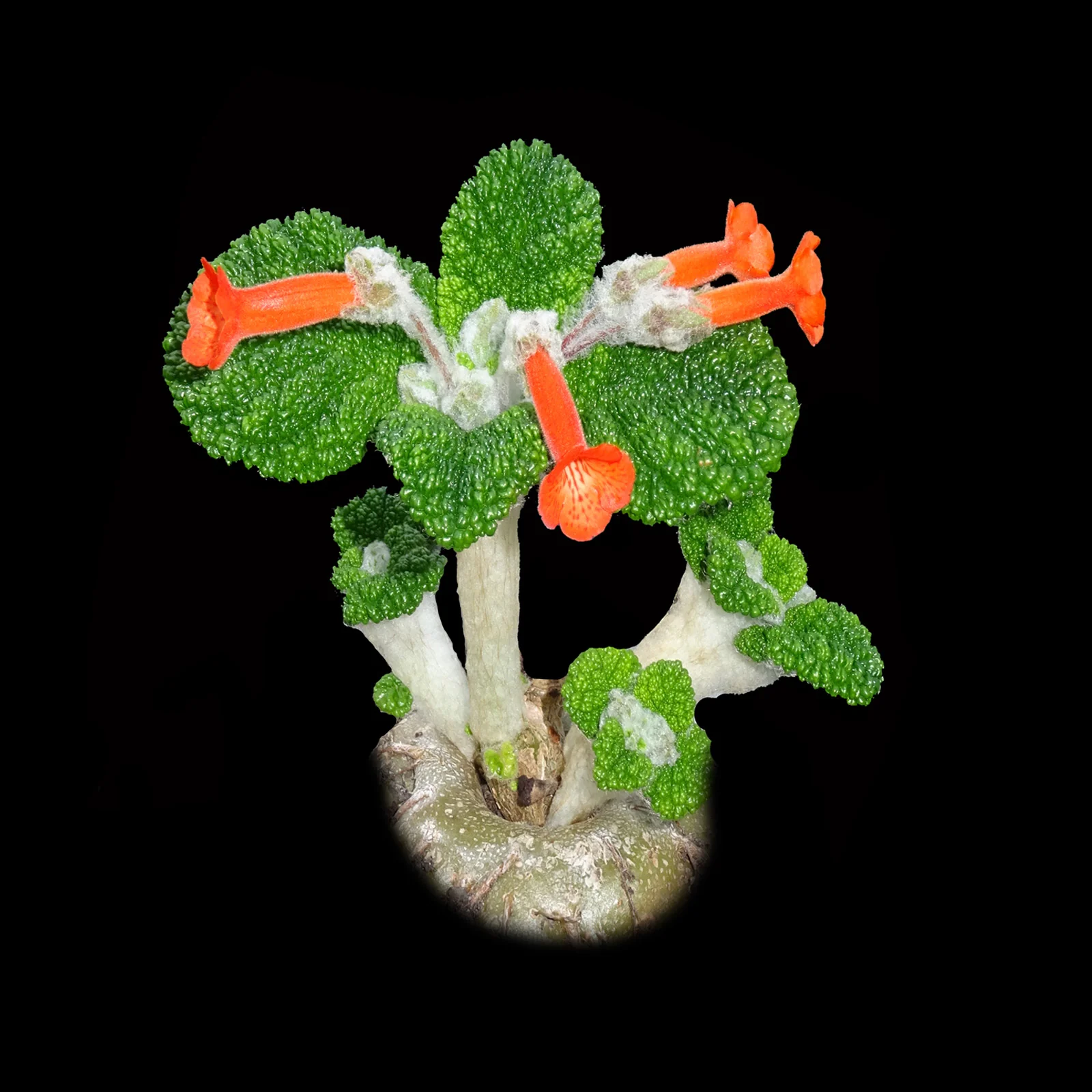
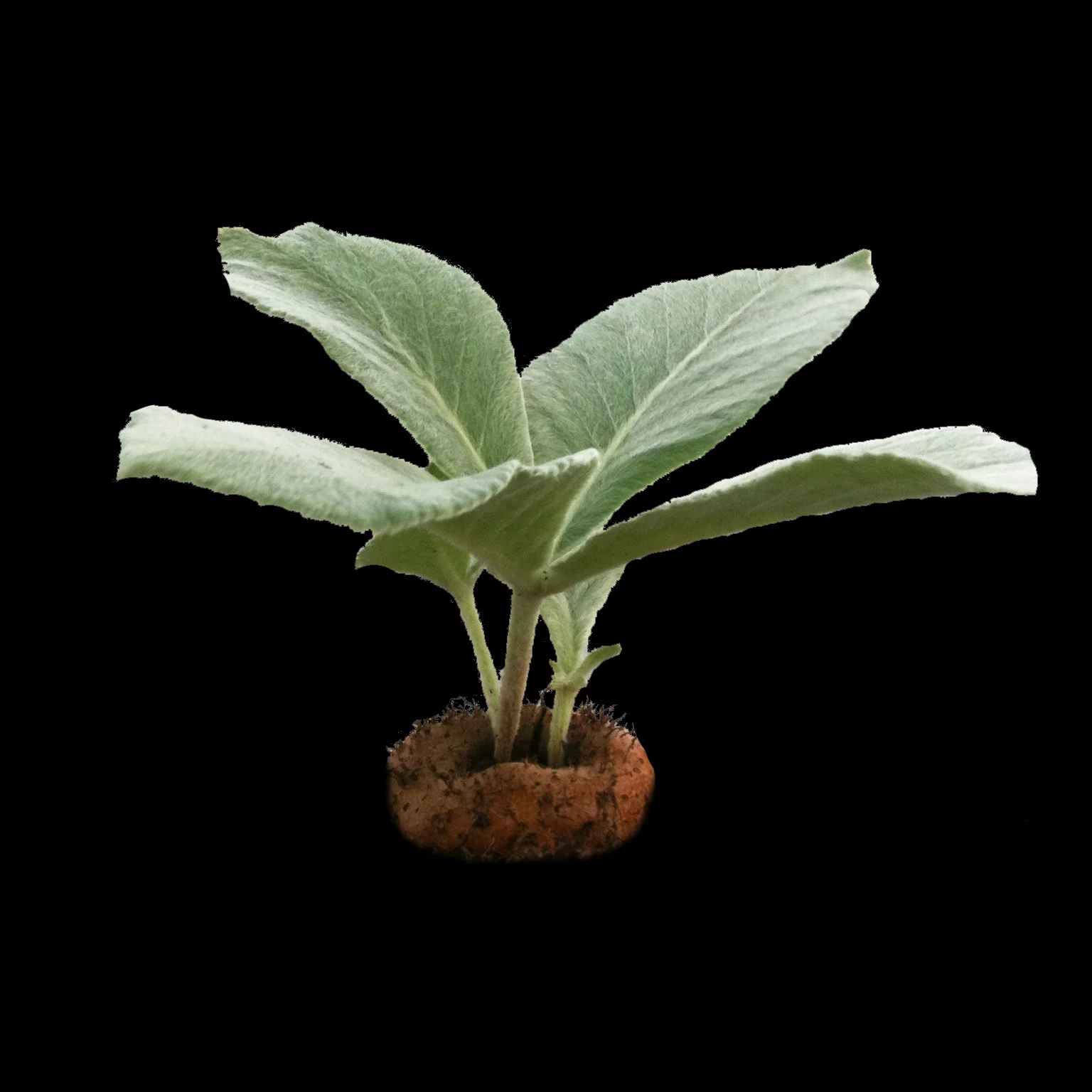
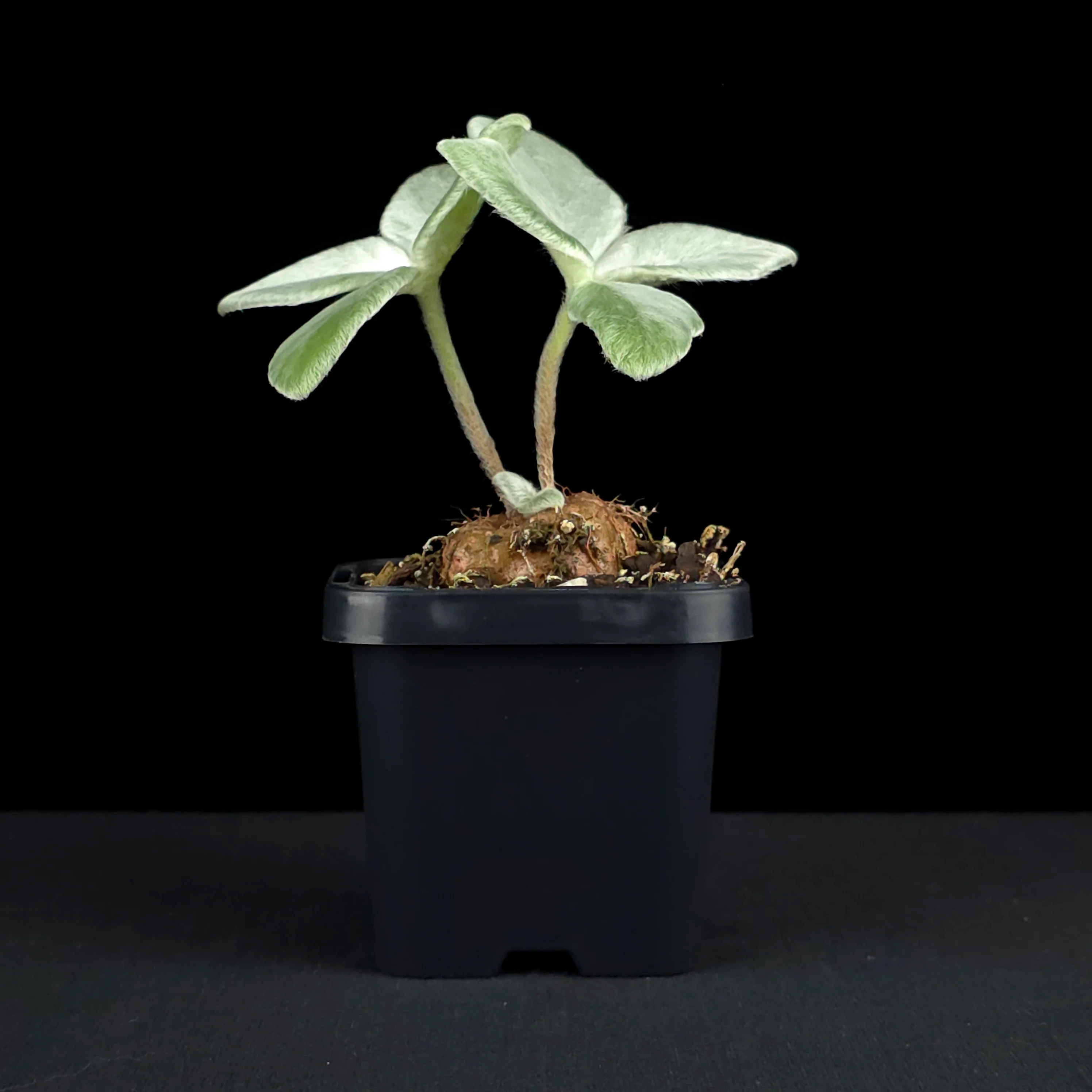
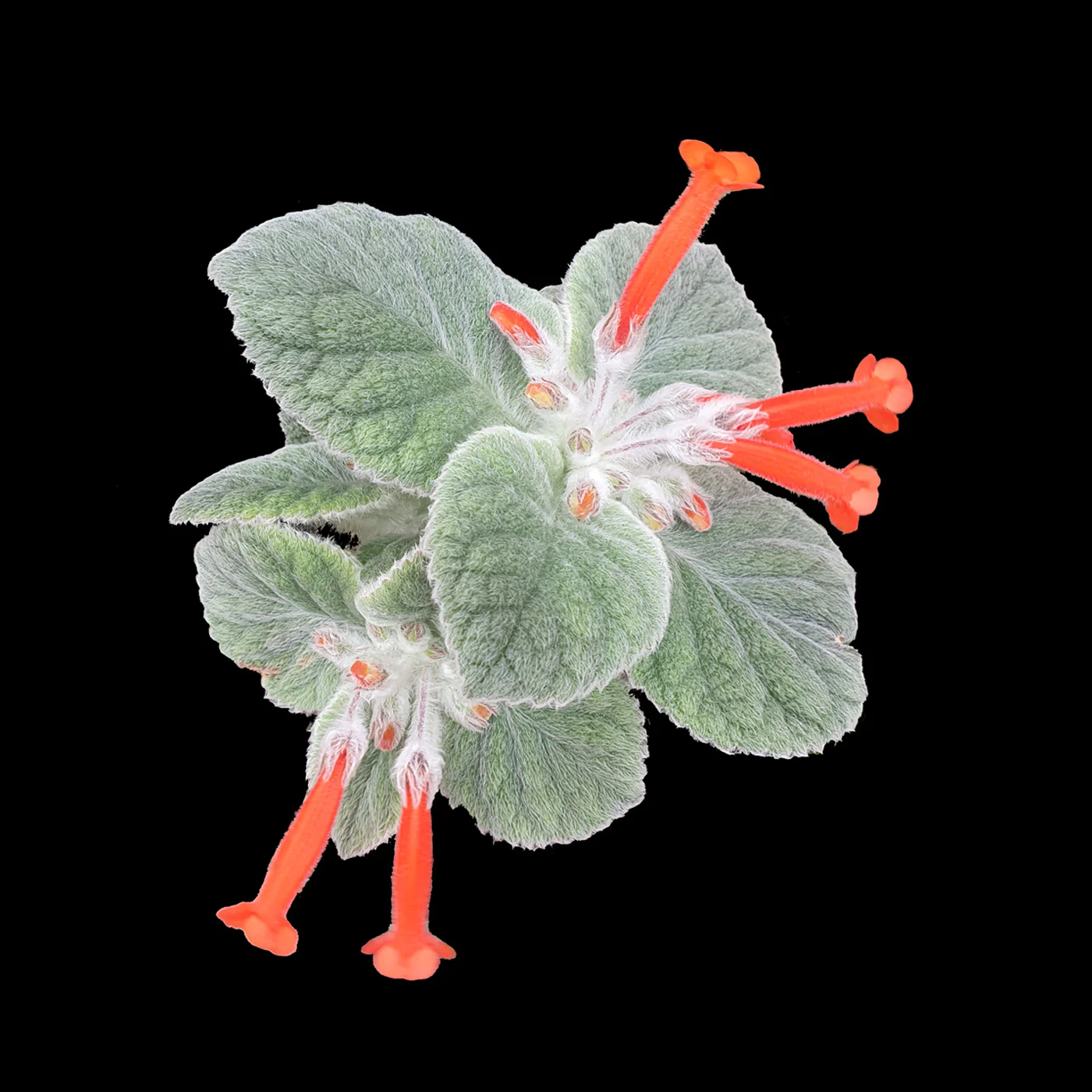
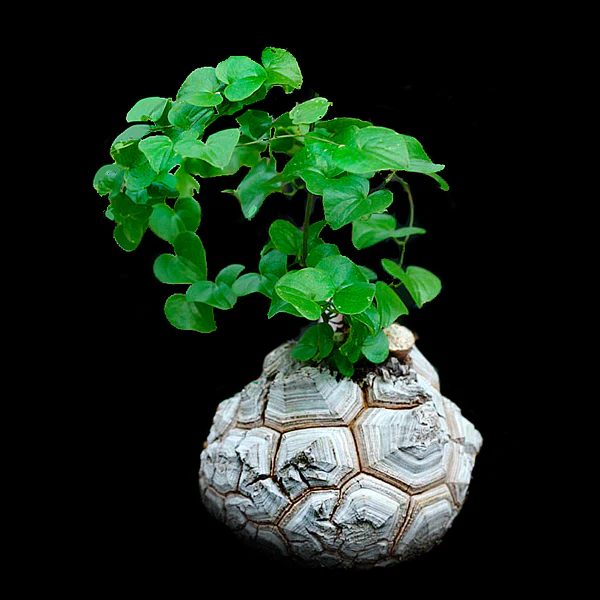
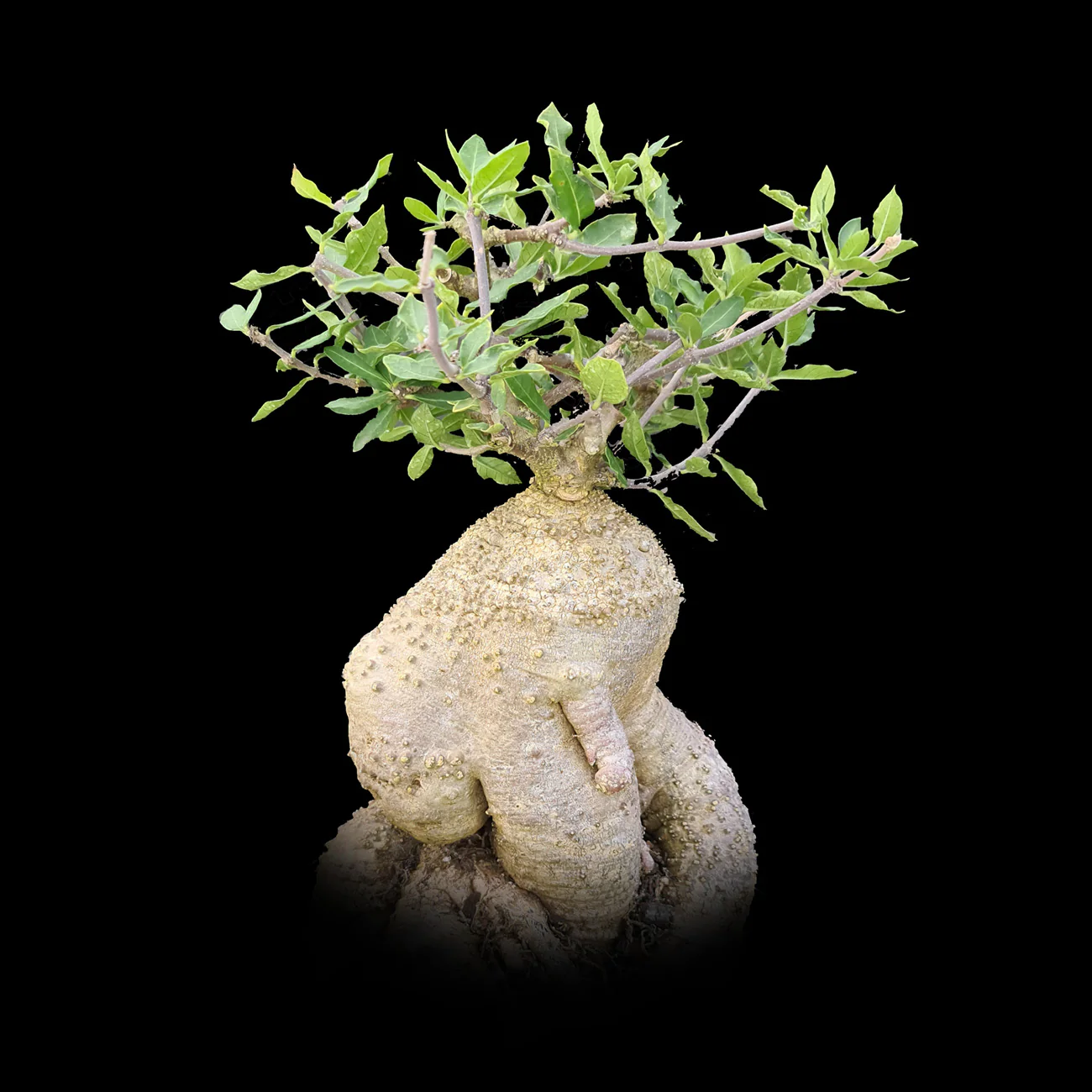
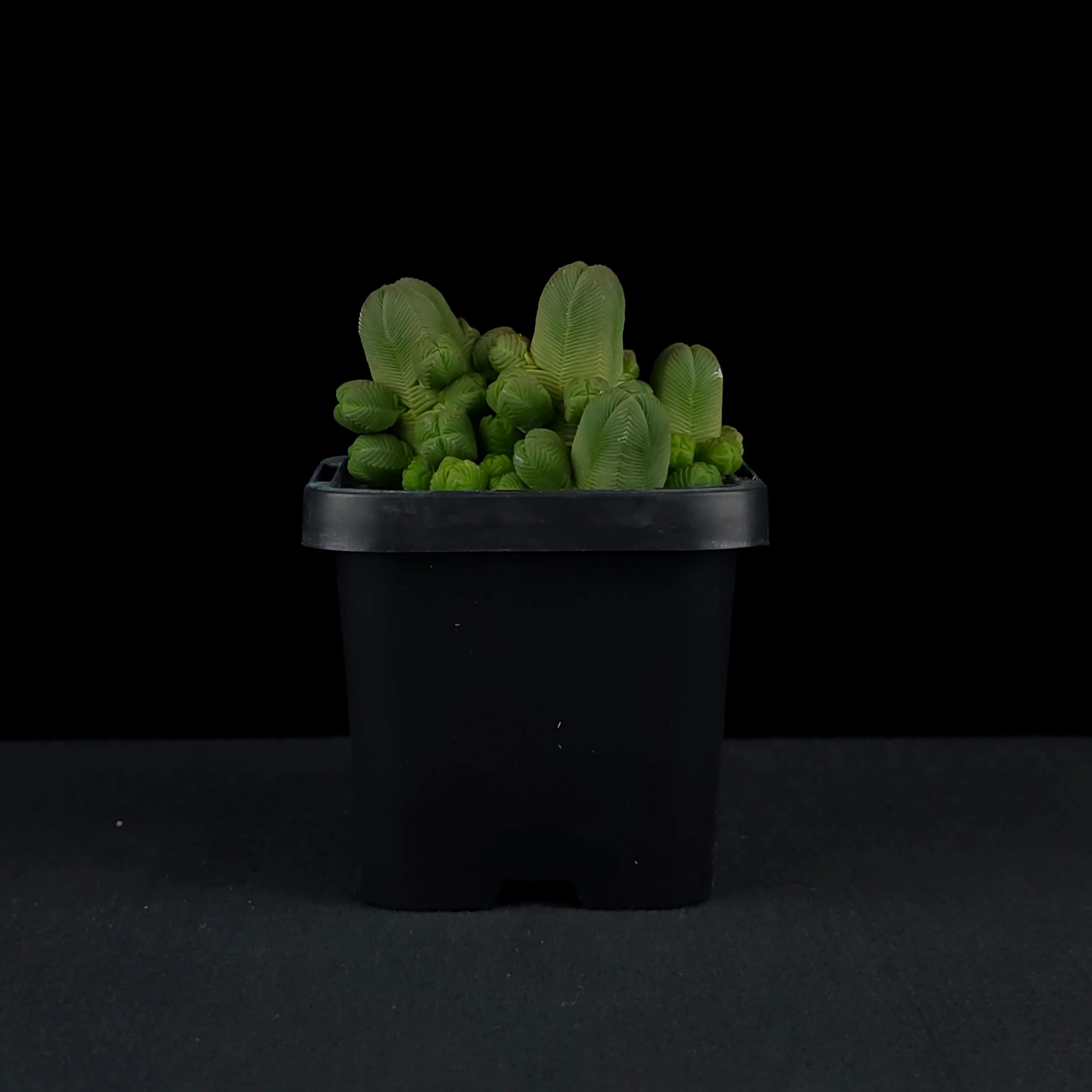
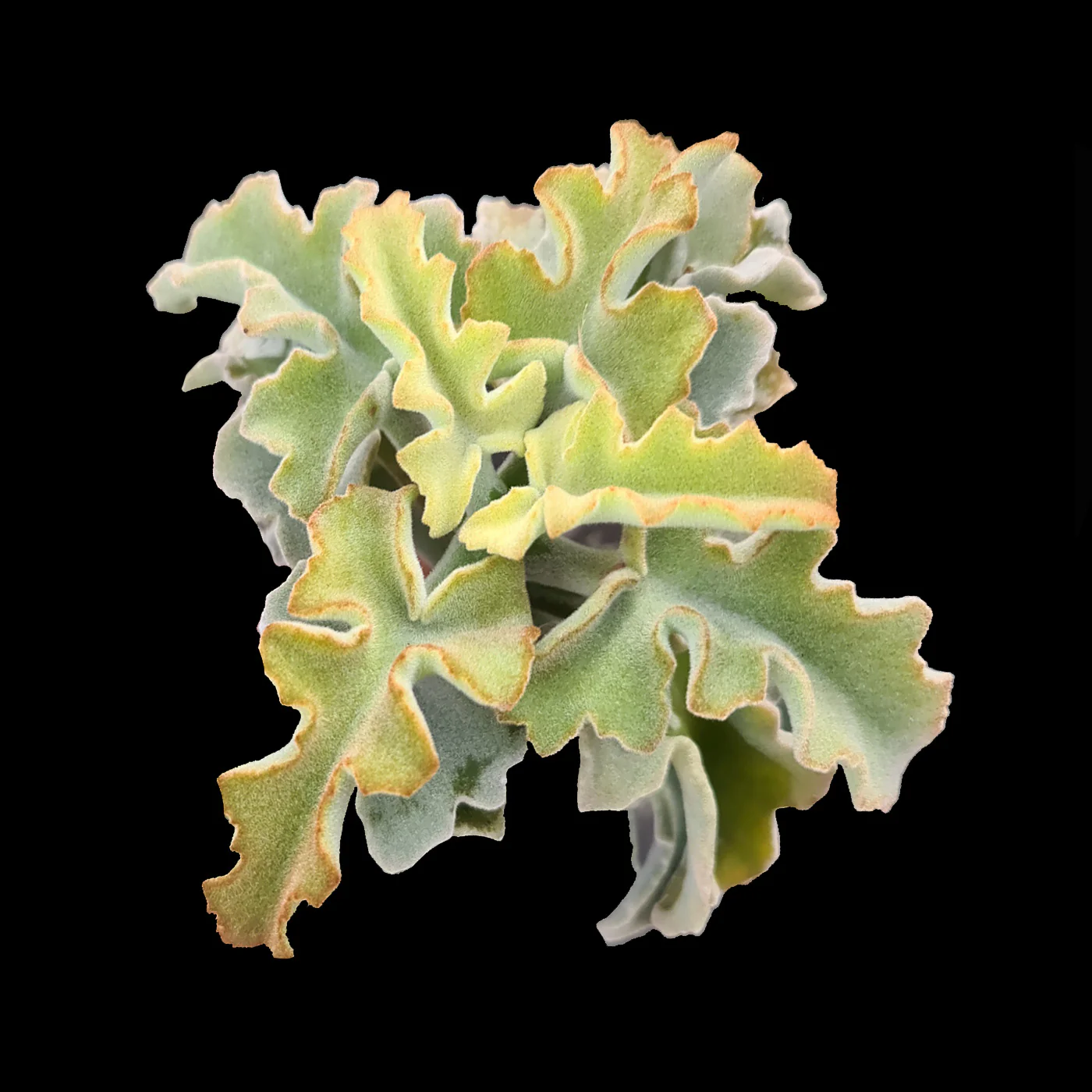
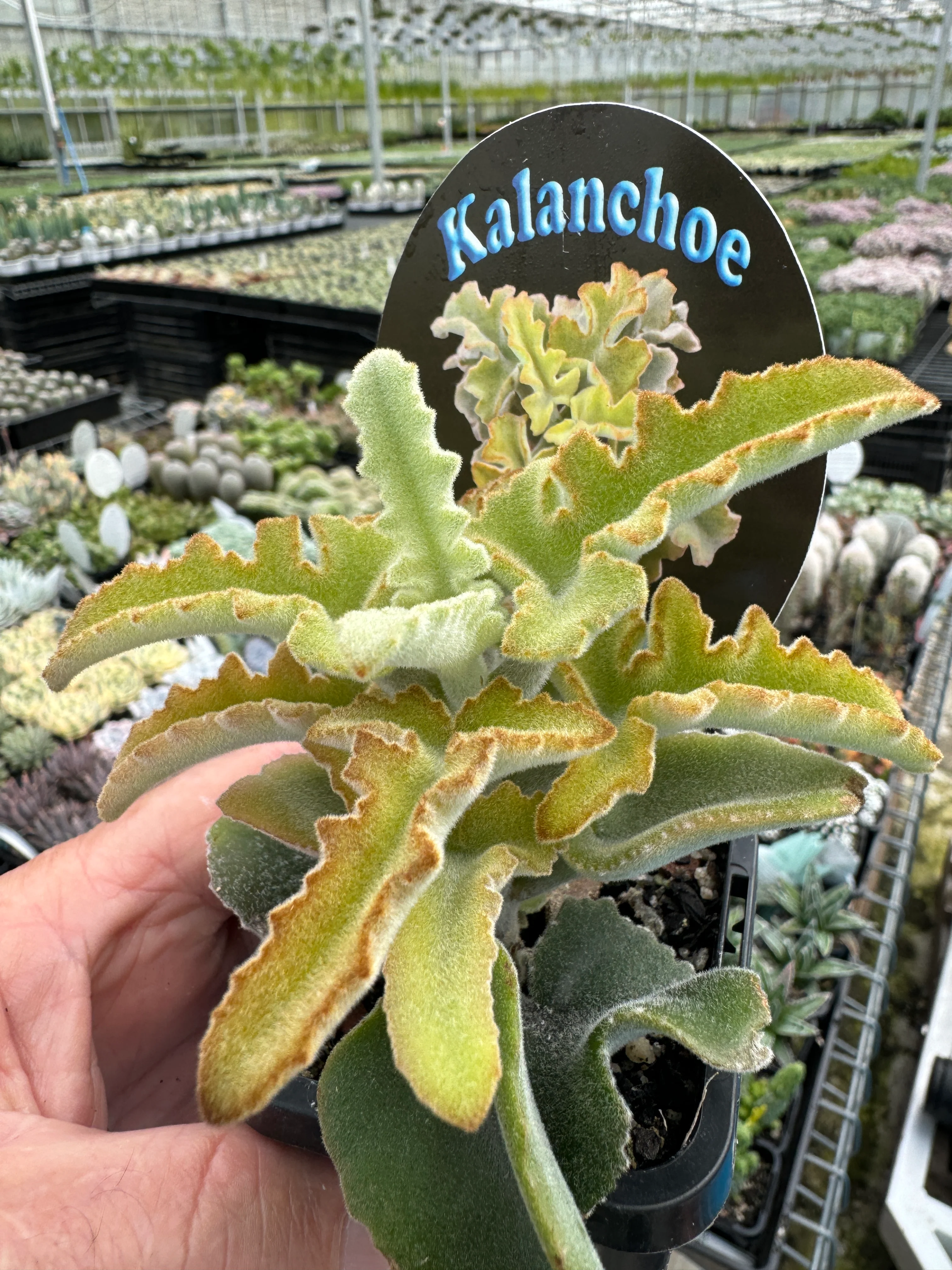
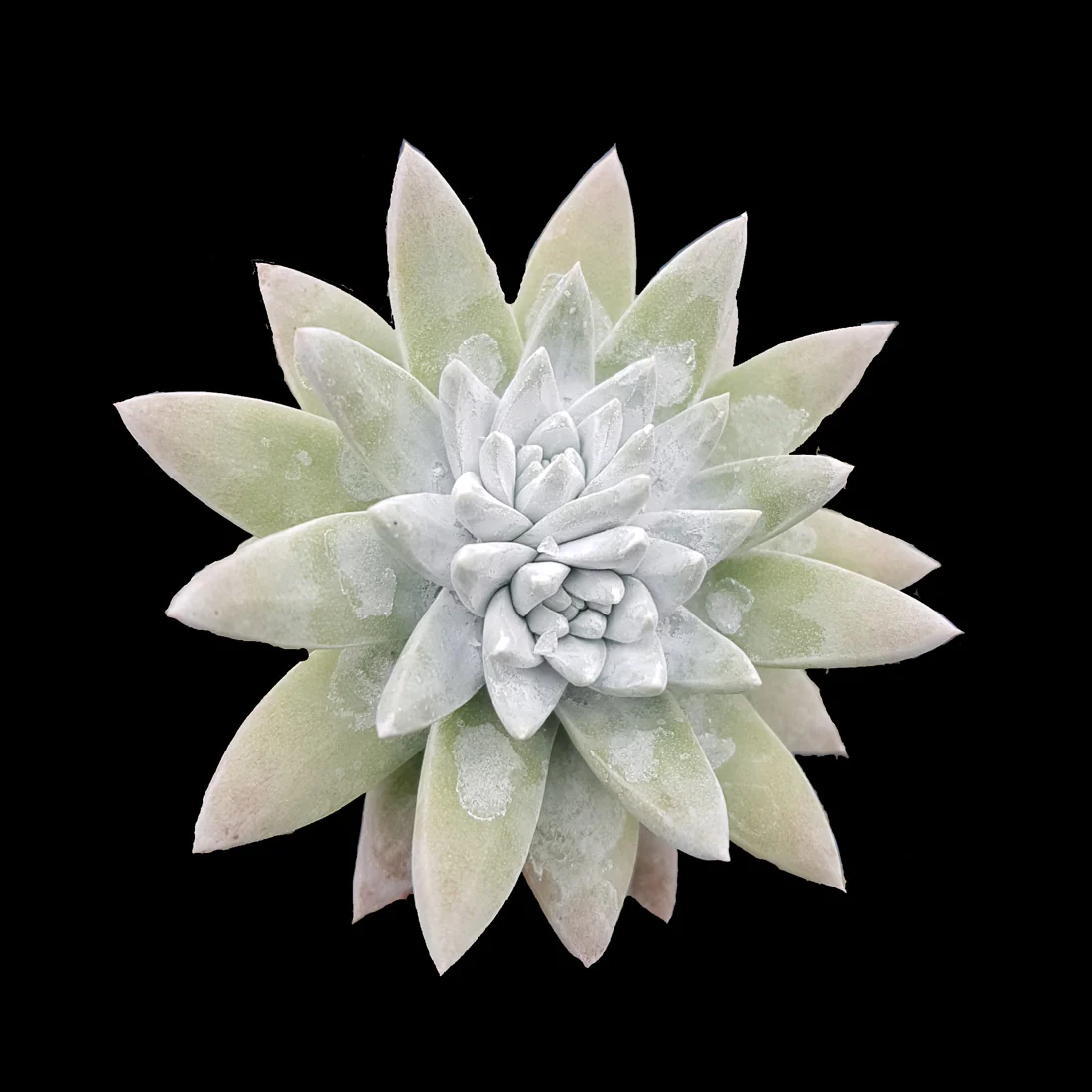
Tylecodon buchholzianus is a small succulent shrub native to the arid regions of the Northern and Western Cape in South Africa, often growing on rocky slopes and flats. It develops a thick, grey-green caudex from which short, knobbly branches emerge, giving the plant a gnarled, bonsai-like appearance. In summer dormancy, the plant sheds its small, fleshy leaves, leaving the sculptural branches bare. The leaves return with winter rains, and in late winter to early spring, it produces clusters of tubular, greenish-yellow flowers that are pollinated by insects. This seasonal growth cycle is an adaptation to its hot, dry habitat.
Care Tips:
- Light – Requires bright light to full sun; protect from the hottest midday summer sun when grown in very hot climates.
- Water – Water sparingly during the active winter growing season; keep almost dry in summer dormancy.
- Humidity – Prefers low humidity and good airflow.
- Media – Use a sharply draining succulent mix with added coarse sand or grit.
- Temperature – Best grown between 10–25 °C; protect from frost and prolonged dampness in cool conditions.
- Fertiliser – Apply a diluted, low-nitrogen fertiliser once or twice during active growth.
- Repotting – Repot infrequently; avoid disturbing the caudex and roots unless necessary.
Additional Notes:
- Known to be toxic
Original: $35.00
-65%$35.00
$12.25Tylecodon buchholzianus
Tylecodon buchholzianus is a small succulent shrub native to the arid regions of the Northern and Western Cape in South Africa, often growing on rocky slopes and flats. It develops a thick, grey-green caudex from which short, knobbly branches emerge, giving the plant a gnarled, bonsai-like appearance. In summer dormancy, the plant sheds its small, fleshy leaves, leaving the sculptural branches bare. The leaves return with winter rains, and in late winter to early spring, it produces clusters of tubular, greenish-yellow flowers that are pollinated by insects. This seasonal growth cycle is an adaptation to its hot, dry habitat.
Care Tips:
- Light – Requires bright light to full sun; protect from the hottest midday summer sun when grown in very hot climates.
- Water – Water sparingly during the active winter growing season; keep almost dry in summer dormancy.
- Humidity – Prefers low humidity and good airflow.
- Media – Use a sharply draining succulent mix with added coarse sand or grit.
- Temperature – Best grown between 10–25 °C; protect from frost and prolonged dampness in cool conditions.
- Fertiliser – Apply a diluted, low-nitrogen fertiliser once or twice during active growth.
- Repotting – Repot infrequently; avoid disturbing the caudex and roots unless necessary.
Additional Notes:
- Known to be toxic
Product Information
Product Information
Shipping & Returns
Shipping & Returns
Description
Tylecodon buchholzianus is a small succulent shrub native to the arid regions of the Northern and Western Cape in South Africa, often growing on rocky slopes and flats. It develops a thick, grey-green caudex from which short, knobbly branches emerge, giving the plant a gnarled, bonsai-like appearance. In summer dormancy, the plant sheds its small, fleshy leaves, leaving the sculptural branches bare. The leaves return with winter rains, and in late winter to early spring, it produces clusters of tubular, greenish-yellow flowers that are pollinated by insects. This seasonal growth cycle is an adaptation to its hot, dry habitat.
Care Tips:
- Light – Requires bright light to full sun; protect from the hottest midday summer sun when grown in very hot climates.
- Water – Water sparingly during the active winter growing season; keep almost dry in summer dormancy.
- Humidity – Prefers low humidity and good airflow.
- Media – Use a sharply draining succulent mix with added coarse sand or grit.
- Temperature – Best grown between 10–25 °C; protect from frost and prolonged dampness in cool conditions.
- Fertiliser – Apply a diluted, low-nitrogen fertiliser once or twice during active growth.
- Repotting – Repot infrequently; avoid disturbing the caudex and roots unless necessary.
Additional Notes:
- Known to be toxic